• WWW.YOURHORSE.CO.UK
    Equine charity offers visitors chance to meet its residents this summer
    The Horse Trust is inviting the public to visit its Buckinghamshire base this summer and meet some of its residents as well as take part in a range of equestrian-based activities.Until Sunday 7 September, The Horse Trust will be opening its doors each Wednesday Sunday between 1 4pm and allowing visitors to take part in hobby horse races and arts and crafts sessions as well as enjoy special talks and behind the scenes tours.In addition, each weekend visitors will have chance to say hello to some of the charitys sponsored horses.Meet and greet scheduleThe horses which are available for a meet and greet are:Oliver former Metropolitan Police Horse who was part of the procession for Queen Elizabeth IIs funeral Sat 2nd & Sun 3rdAugustStar 18-year-old gelding who was one of over 100 horses to be rescued from Spindles Farm in 2008 Sat 16th & Sun 17thAugustHyderabad retired Household Cavalry horse whoattended the wedding of Prince William and Catherine Middleton as well as the Diamond and Platinum Jubilee parades and the Kings Coronation Sat 23rd & Sun 24thAugustAtlas former Thames Valley Police horse who led Queen Elizabeth IIs funeral procession Sat 30th & Sun 31st AugustFormer Police Horse, Atlas, will meet visitors at The Horse Trust this summer.Were especially thrilled to announce our sponsor horse meet and greet days every weekend throughout August a wonderful opportunity for visitors to meet some of the incredible horses they help support, said Jeanette Allen, ceo at The Horse Trust.These relaxed sessions take place in Seftons Paddock, where you can see the horses out of their stables and enjoying some downtime with a friend.Its a lovely way to meet them in a calm, natural setting particularly helpful for our bigger residents or those who feel more comfortable outdoors.From welcoming gentle Oliver into visitors hearts as our newest sponsor horse, to saying hello to favourites like Hyderabad and sweet Star, theres so much to enjoy. And of course, well be ending the month with a very special finale featuring the legendary Atlas an unforgettable way to round off the summer.Other activitiesAs well as having the opportunity to meet some of its residents, visitors will also be able to explore The Horse Trusts new woodland walk, enjoy a sweet treat in the charitys Black Beauty tearoom and take part in a photography competition.Tickets cost 8 per car and are available to book in advance or on the day. For more information and to view the activity schedule click here. Main image The Horse Trust, image of Atlas Thames Valley Police. Related contentHow to tell if a horse is lameVet explains how a horses joints work, plus tips to keep them healthyWhy the time of day you ride and feed affects gastric ulcers in horsesLong reining a horse: technique explained and exercises to tryThe post Equine charity offers visitors chance to meet its residents this summer appeared first on Your Horse.
    0 Comentários 0 Compartilhamentos 309 Visualizações
  • Brsewitz leads the battle for the title| Senior Male Compulsory FEI Vaulting European Championship
    The race for the European title is officially ON and it's shaping up to be nothing short of spectacular. Thomas Brsewitz ...
    0 Comentários 0 Compartilhamentos 286 Visualizações
  • LIVE | FEI Jumping European Championships for Ponies - 1st Competition (Team & Individual)
    Enjoy now the 1st Competition (Team & Individual) of the FEI Jumping European Championships for Ponies in Le Mans ...
    0 Comentários 0 Compartilhamentos 307 Visualizações
  • Germany's super squad storms to the top! | Senior Squads - FEI Vaulting European Championship 2025
    With a flawless performance, it was once again Germany leading the way on the leaderboard. The German team tops the Senior ...
    0 Comentários 0 Compartilhamentos 313 Visualizações
  • WWW.JUSTHORSERIDERS.CO.UK
    Mastering Horse Comfort: A Guide to Choosing and Fitting the Perfect Anatomical Girth
    Section Key Points Introduction The comfort of the horse is essential for effective riding; anatomical girths provide optimal comfort and performance. Understanding Anatomical Girths Conform to horse's natural shape, reduce rubbing in sensitive areas, enhance freedom of movement, prevent elbow restriction. Importance of Elastic Ends Accommodates ribcage expansion, enhances respiratory efficiency, improves movement freedom. Measuring for Correct Girth Size Measure after exercise, use a tape from middle hole of girth billet across the barrel, choose slightly larger size if in between. Choosing Correct Shape Select based on horse's conformation and activity; options include straight, anatomical, asymmetrical. Proper Positioning Buckles should be high to prevent rubbing, avoid overtightening for respiratory freedom. Material and Width Considerations Choose materials that distribute pressure evenly and have elastic ends for flexibility. Specialized Girth Use Cases Protective features for jumping, elasticity for enhanced performance. Summary Checklist Measurement, selection according to conformations, correct positioning, material choice, regular adjustments. How to Choose and Fit an Anatomical Girth for Your Horse's Comfort and PerformanceAs any equestrian enthusiast knows, the comfort of your horse is paramount for effective riding and top-notch performance. One often overlooked yet crucial piece of equipment is the anatomical girth. This guide will walk you through everything you need to know about selecting and fitting the perfect anatomical girth for your horse, ensuring both comfort and optimal performance.Understanding Anatomical Girths and Their BenefitsAnatomical girths are designed to conform to the natural shape of a horse, particularly around the chest and elbow areas. Unlike traditional girths, they have curves or cutbacks at the front to prevent rubbing and chafing in sensitive areas such as the horse's armpits and elbows. This ergonomic design allows for a greater range of shoulder motion, enhancing your horse's freedom of movement while reducing the risk of sores or rubs. According to Pink Equine, the cutback design avoids restriction around the horses elbow, a common issue with straight girths.The Importance of Elastic EndsMany anatomical girths feature elastic ends on both sides, which help accommodate the expansion and contraction of the horses ribcage. This flexibility supports comfortable breathing and muscle function, particularly important for performance horses in jumping or dressage. A well-designed anatomical girth can directly improve a horses respiratory efficiency and movement freedom.How to Measure for the Correct Girth SizeThe foundation for choosing the right anatomical girth lies in accurate measurement. An ill-fitting girth can cause discomfort or even injury, nullifying the benefits of its ergonomic design.Timing of MeasurementAlways measure your horse after exercise or once its muscles are warmed up. This provides a more realistic muscle state, ensuring the girth wont be too tight or restrictive when the horse is active.The Measuring ProcessPosition the saddle properly and fasten it on both sides. Then, use a soft tape measure from the middle hole of one girth billet to the corresponding hole on the opposite side, following the barrels curvature. The measurement should be snug enough to reflect real girth tightness. If the measured length falls between sizes, round up to a slightly longer girth for comfort.Choosing the Correct ShapeSelecting the appropriate girth shape for your horses conformation and activity level is crucial. Depending on the horse's needs and riding discipline, you may choose from various girths types:Girth TypeShape CharacteristicsBest ForKey BenefitsStraightNo contour, uniform widthBeginners, multiple horsesSimple fit, no front/back orientationAnatomicalContoured with front cutbacks near elbowsHorses with elbow rubs, normal conformationReduces chafing, enhances shoulder freedomAsymmetricalContoured front + straight backHorses with shorter girth groovesPrevents forward shift of girth, elbow comfortRiding Warehouse suggests that anatomical girths offer additional clearance around the armpit area, allowing a wider range of motion without compromising the saddle's security.Proper Positioning for Comfort and PerformanceEnsure that the buckles of the girth are positioned as high as possible on the horse's sides. This placement prevents rubbing and avoids pressure points, contributing to overall equine comfort. Avoid overtightening the girth, as this can constrict the horses breathing. The thorax should have freedom to move easily during exercise, maintaining optimal respiratory function.Material and Width ConsiderationsA well-chosen girth will not only fit correctly but will also have the appropriate material and width. A flat, wide surface on the horse-side of the girth helps to distribute pressure evenly, avoiding any nerve compression. For added flexibility during exertion, opt for a girth with elastic endsUse Cases for Specialized GirthsFor horses involved in activities like jumping, consider girths with protective features such as belly guards to shield the sternum from injury. Elastic ends also help the ribcage expand with each breath, reducing restriction and enhancing performance.Summary Checklist for Choosing and Fitting an Anatomical GirthMeasure your horses girth length with its warmed-up muscles, while the saddle is on and buckled evenly.Select a girth that matches your horses conformation and activity typeanatomical girths generally suit horses prone to elbow rubs.Position the girth buckles high and tighten it snugly but not restrictively to ensure freedom of breathing.Opt for a girth with elastic ends for added flexibility during exertion.Choose materials that distribute pressure evenly and protect sensitive areas.Regularly check the girth fit and make adjustments as necessary, especially with seasonal weight or muscle changes.By following these steps, you ensure your horse's comfort and enhance your riding performance, supporting your partnership with every stride.Call to ActionReady to upgrade your riding gear? Check out our collections of Jodhpur, Horse Riding Boots, and Horse Riding Gloves to complete your equestrian wardrobe. And don't forget the Horse Riding Socks and Horse Treats And Gifts for those special occasions!This guide integrates expert advice from sources such as Pink Equine, Riding Warehouse, and Winderen, ensuring the information is accurate, research-based, and practical for riders of all levels.```html```
    0 Comentários 0 Compartilhamentos 298 Visualizações
  • WWW.HORSEILLUSTRATED.COM
    Ranch Riding Trail Warmup for Any Horse
    Table of ContentsToggleWhat is the Ranch Riding Trail Class?Warmup for the Energetic and Speedy HorseTurning for AttentionMix it UpWarmup for the Slow HorseShow PlanMeet the TrainerKnowing how to warm up your horse is the key to a great performance. If you have a slow horse, youll want to make sure hes listening but not tired out. For horses with lots of speed and energy, its important to get their bodies and minds working so they listen well. Here, trainer Cody Crow helps you plan your warmup routines before a ranch riding trail class, but the tips will help no matter where you plan to ride your whoa or go horse.What is the Ranch Riding Trail Class?Ranch riding patterns include obstacles such as poles to sidepass, logs to drag, poles to trot or lope, and segments of extended trotting. The class requires horses to move at slow and fast speedsand always to listen to their riders directions.In the ranch riding trail class, there are obstacles where you need your horse to focus and go slow, and times when you want to show that your horse can move out, Crow says. Its important to plan your warmup time so that you can bring the fast horses down to the speed you want and make sure they are patient for the poles or gates. With slower horses, youll need to know you can pick up their speed when you want an extended trot.Warmup for the Energetic and Speedy HorseCrow says that many horses labeled too fast, too much, or high strung may need some longeing as part of their warmup, but they will definitely need a warmup that helps activate their brain.Its old school mentality that you go lope them for an hour to wear them out, says Crow. Instead, what you need is to get the horses brain working with downward transitions, turns, stops, and backs. Otherwise, their bodies are tired, but their minds are busy, and they wont pay attention to you.Downward transitions, turns, stops, and backs will engage the speedy horses mind on listening. Photo by Heidi Nyland MeloccoFocus on trotting and walking transitions, Crow advises.Loping can escalate some horses, and makes it harder to get their brain focused on you, he says.If competing, Crow advises that once you have warmed up an energetic horse, make sure to go straight to the show pen for your ride. Dont warm up and then stand around watching others. If busy and energetic horses get a long break, they may need a whole new warmup.You may also consider starting the night before. If your horse will be stalled overnight, you may choose to longe him when you arrive. Allowing him to move out will help wear off the adrenaline from travel.Turning for AttentionAt a show, begin your warmup about an hour before your scheduled ranch riding trail class so that you have time to work your horses body and mind. Crow likes to work his fast horses in a box formation. He trots straight ahead, then if he feels the horse being strong or going faster than he asks, he makes a sharp turn while continuing the trot. Pick up your reins and redirect the horse in a square maneuver, says Crow. This takes away the forward motion and asks him to focus on your direction.Work your horse in the middle of the arena and avoid going around the entire outside. Trot ahead four to five steps, then pick your reins up and to the side to direct your horse on a new straight line, creating a box or square. Move ahead again and turn when you feel your horse wanting to go faster.Be careful not to pull on the reins to keep your horse slow. Instead, the box formation will teach your horse that he needs to pay attention, and he will be redirected when he speeds up. When your horse is going at the speed of trot you want, place your hand down in front of the saddles horn and allow him to move without interference. As soon as I make that square turn, Ill set my hands down and let my horse go straight again, says Crow. If he stays focused and I have his attention, hes earned the right to just keep going forward and I will leave him alone. If I lose his attention, I pick up and redirect, turning on a new line of the square.Crow says if a horse looks around and doesnt settle in, hell pick up his inside rein to tip the horses nose in as he also applies leg pressure to encourage a bend. He will walk small circles with his horses nose tipped in to one side, then the other. Then hell repeat the box pattern again. When its time to warm up at the lope, a go horse may pick up speed again. Crow says if you have spent time warming up at the walk and trot, the lope should be manageable, too.I do the same thing at the lope that I did at the trot, says Crow. Do your square turns and keep your body balanced.At the lope, Crow says many riders turn too sharply, using inside direct pressure to pull the horses head inside. This can cause your weight to shift to the outside, making your horse scramble to regain his balance. To avoid this, keep him straight through his body and open your reining hand up and out to guide the horse through the turn.Mix it UpInstead of just riding around the arena at a walk, trot, and lope and then being done, mix up your warmup.Bringing your horse up in speed and then back down is really important, says Crow. Some horses are just wired to keep that adrenaline going once they move fast. [Going up and down in speed] keeps them going strong and doesnt wear them out. If you allow them to move from the trot or lope back to the walk, they realize how tired they are. When you ask for speed again, you arent fighting the adrenaline and you seem to get their minds engaged much more quickly than just running full out. Warmup for the Slow HorseIf your horse is known to be slow or needs to be pushed to move out, your plan needs to help boost his energy.With a slow or lazy horse, our goal is to get his focus and make sure he moves out when asked, Crow says. Ill walk in a straight line and use a direct rein to turn the horse and drive him around in a small circle with my outside leg pressure. I want to get his feet moving.Crow says asking for sharp turns can help the horse know that youre requesting a quick response. He says to be careful and not allow the slower horse to pause after youve asked him to move his feet.I want these horses crisp and sharp, he says. You dont want a lag between the moment you give the horse something to do and when he does it. You dont want to have to nag to follow up. If you have a horse thats too dull and lazy, you can see that the rider is having to beg this horse to step forward or to move his feet. Thats not a good picture in the show. We need to sharpen up those cues.Make a sharp turn at the trot if the fast horse picks up more speed than you want. Photo by Heidi Nyland MeloccoIf your horse is on the slow side, adjust your warmup time so that you only warm up for 10 to 15 minutes before going into your class. Make sure not to use up all his energy. Instead, warm up just enough to remind your horse that he should respond quickly to your cues.After walking for a few minutes, its time to get the slow horse to work. Ten minutes before the show, Crow says he will ask a slow horse to extend at the trot and the lope.Ill give the horse a verbal cue and then go to my legs for a cue, says Crow. I will really get that horse moving and sharpen him up.Ten minutes before your class, ask the slow horse to extend at the trot and lope. Photo by Heidi Nyland MeloccoKeep in mind, its all about efficiency. You may only be able to cue a horse for speed once or twice. If you warm up too much and ask for speed over and over, you may wear out your horse and not get the speed changes you want in the ring.If you feel like you need more practice time than your horse does, run your patterns in your mind or practice the key obstacle. Dont wear out your horse because you feel like you need more practice.Its all about knowing yourself and your horse, says Crow. When you know how much practice you both need, youll go straight to the pen in good shape.A few notes of caution for riding the slower horse: Make sure you dont pull back on the reins when youre loping. Some horses will look for any excuse to slow down. Dont train him that its OK to break gait because you inadvertently pulled on the reins. Also make sure you arent micromanaging your horse. He should go at the speed and in the direction you choose without having to hold him there. Make sure your reins arent tight and that you allow your horse to move out.Dont pull back on the reins while loping, as slow horses often look for any excuse to stop. Photo by Heidi Nyland MeloccoIf you tend to tighten up your reins too much in the extended lope because of your comfort level, remind yourself to look up, straighten your arm and put your hand down, says Crow. Make sure you arent the reason your horse is slowing down or learning that its OK to be a little lazy.Having a riding buddy or coach remind you to look up and reach forward when you ask your horse to move out can help you be in the best position and keep your horse moving.Show PlanCrow advises using the time that you have to walk the trail pattern to think about the body position and cues youll need to help your horse go the speed that you want.You get to walk the trail course first, he says. Make sure you plan how youll ride, where youll look, and how and when youll cue your horse. Having a plan and knowing your horses habitsand your habitswill help you know what to do if your horse speeds up or needs a push.The goal isnt just to complete the pattern, its to have a confidence-building pattern for your horse so hell come back better next time, says Crow. From the moment you start warming up until the moment youre done with your trail class, your main goal is to keep building that horse up so youre both successful and can keep going and enjoy the ride.Meet the TrainerCody Crow owns and operates No Where But Up Performance Horses with his team of trainers in Johnstown, Colo. He trains horses and riders to compete in versatility ranch horse, ranch riding, ranch trail, and reined cow horse competitions. He has earned world and reserve world championships and helped his horses earn titles in American Quarter Horse Association, American Paint Horse Association, Appaloosa Horse Club, National Reined Cow Horse Association, and National Snaffle Bit Association events.More Advice from Cody Crow:Ranch Riding: Gates Teach Your Horse to Cross a Ditch Master Your Reining SpinsCattle Work 101This article about the ranch riding trail class warmup appeared in the August 2024 issue of Horse Illustratedmagazine.Click here to subscribe!The post Ranch Riding Trail Warmup for Any Horse appeared first on Horse Illustrated Magazine.
    0 Comentários 0 Compartilhamentos 357 Visualizações
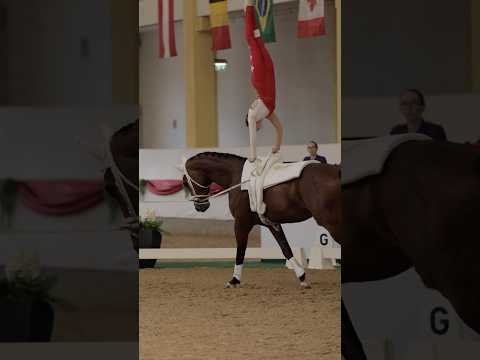
  • Precision, power, stamina.
    Precision, power, stamina. Look it up in the dictionary, we're sure that's the description next to Vaulting. :bcher: #FEI ...
    0 Comentários 0 Compartilhamentos 261 Visualizações
  • WWW.JUSTHORSERIDERS.CO.UK
    Prepare Your Horse for Winter: Essential Tips to Ensure Comfort and Health
    Section Key Points Fecal Water Syndrome Loose manure with separated water; linked to gut health, antibiotics, and diet. Consistent Forage Intake Feed 1.5-3% body weight in hay daily to support digestion and reduce FWS. Adequate Water Consumption Keep fresh, ice-free water; consider warm water and adding salt to feed. Adapt Diet Carefully Avoid abrupt diet changes; warm existing feed to enhance palatability. Regular Health Checks Monitor weight, maintain vaccinations, dental care, and farriery services. Shelter and Turnout Provide windproof, waterproof shelters; inspect for skin conditions like mud fever. Hoof Care Considerations Manage snow/ice in hooves; discuss winter shoeing options with farrier. Protective Apparel Invest in stable and turnout rugs for weather protection. Equestrian Supplements Use vitamins and supplements to bolster immune function and health. Horse Treats Use horse treats to keep your horse entertained during winter. Tailoring Winter Strategy Evaluate and adjust care based on individual horse needs. Practical Tips from Experts Seek advice from expert sources like World Horse Welfare. Preparing Your Horse for Winter: Essential Tips for Horse Owners As the temperature drops and winter approaches, ensuring your horse's health and comfort becomes a priority. Winter is a challenging season for horse owners, with the increased risk of Fecal Water Syndrome and other cold-weather-related health issues. In this comprehensive guide, we'll explore the best practices to prepare your equine companion for the chilly months ahead. Understanding Fecal Water Syndrome Fecal Water Syndrome (FWS) is a condition where horses pass loose manure with separated water content. Although the exact cause is still under investigation, factors such as gut health disturbances, antibiotic use, and dietary changes have been linked to FWS. To support your horse's digestive health and mitigate FWS risks during winter, consider the following tips. Maintain Consistent Forage Intake Providing a consistent intake of forage is crucial. Horses generate internal heat through hindgut fermentation of fiber, making high-quality hay an essential component of their winter diet. Aim to feed your horse about 1.53% of its body weight in forage daily to support digestive health and reduce FWS risks. Equus Magazine emphasizes the importance of increased hay rations during the colder months. Encourage Adequate Water Consumption In winter, horses tend to drink less, heightening the risk of impaction colic and gut disturbances. Ensure fresh, ice-free water is always available by regularly checking and breaking the ice on troughs. To stimulate drinking, offer warm water and consider adding salt to feed, which encourages thirst. According to Mad Barn, these strategies are crucial for maintaining hydration and digestive health. Monitor and Adapt Your Horse's Diet Carefully Abrupt changes to your horse's diet can disrupt gut flora and lead to digestive issues. Rather than introducing new feeds suddenly, warm existing feed with hot water to enhance palatability without causing digestive upset. This gradual approach helps your horse adjust to dietary changes more smoothly. Regular Health Checks Regularly assess your horse's body condition using weigh tapes or fat scoring to prevent unintentional weight loss or gain. Special attention should be given to older horses, clipped horses, or ponies that may need additional energy. Maintaining up-to-date vaccinations, dental care, and farriery service is vital in managing the winter stress horses endure. Shelter and Turnout Provide access to windproof, waterproof shelters or natural cover, particularly for donkeys requiring fully waterproof protection. Regular inspections of your horse's legs and coat are important to catch early signs of skin conditions like mud fever in the wet winter months. Hoof Care Considerations Snow and ice can accumulate in hooves, leading to slipping and soreness. Work with your farrier to decide whether to pull shoes for winter or use protective measures against ice balls and thrush. GG Equine discusses the pros and cons of shoeing options tailored to winter conditions. Protective Apparel and Equipment Protecting your horse against the elements is key. Consider investing in stable rugs and turnout rugs to provide warmth and shield against harsh weather. Our Horse Fly Protection range ensures your horse is safe even in the winter months. Additional Gear for Riders Don't forget about your own comfort and safety. Our Jodhpur collection, riding boots, gloves, and riding socks ensure you stay comfortable, warm, and stylish. Equestrian Supplements to Support Winter Health Supplement your horse's diet with Everyday Horse Vitamins & Supplements to bolster immune function and overall health during winter. Nutritional support can help mitigate stressors and maintain your horse's wellbeing. Keep Things Fun with Horse Treats Despite winter's challenges, keeping your horse entertained is important. Browse our selection of Horse Treats And Gifts to find the perfect way to show extra care and affection during the colder months. Tailoring Your Winter Strategy Every horse has unique needs, and tailoring your care strategy is essential. Evaluate your horse's specific requirements and make adjustments to diet, shelter, and health routines accordingly, using the outlined strategies as a foundation. Practical Tips from Experts Gain inspiration and practical advice from trusted sources to enhance your winter care approach. World Horse Welfares Winter horse care tips offers guidance on individual assessments and seasonal care, ensuring your horse thrives throughout winter. Conclusion: Keep Your Horse Happy and Healthy By implementing these key strategies, you can significantly improve your horse's winter welfare and minimize the risks of Fecal Water Syndrome, among other health concerns. Here's to a happy, healthy season for you and your hoofed friend!```html```
    0 Comentários 0 Compartilhamentos 286 Visualizações
  • WWW.YOURHORSE.CO.UK
    British team for European Dressage Championships revealed
    The quartet of horses and riders who will travel to Crozet in France to represent Great Britain at the FEI European Dressage Championships on Tuesday 26 Sunday 31 August has been announced.Lottie Fry riding the 14-year-old stallion Glamourdale, who won individual bronze at the Paris Olympics, Andrew Gould with the 12-year-old stallion Indrigo, Carl Hester on the 15-year-old stallion Fame and Becky Moody aboard the 11-year-old gelding Jagerbomb will make up the British team. Becky Moody will be giving masterclasses at Your Horse Live2025 (7-9 November). She will appear in the SEIB main arena on Saturday and Sunday, giving a morning and afternoon performance on both days.Tickets are available to buy now.Strong teamWhat an exciting foursome to be taking to France for this years FEI European Dressage Championships, said chef dequipe Darrell Scaife.Carl will be riding in his ninth consecutive Europeans, Lottie has been a team regular since 2019, while for Andrew and Becky, its their Euros debut.But all four have considerable experience and with Lottie and Becky featuring in the worlds top four and a number of personal best performances from the group this spring, we carry great form to the championships.The horses and riders have one of the best support teams behind them both at home and via the World Class Programme and Im looking forward to working with each and every one as we prepare for Crozet and look to successfully defend our team title.Olympic experienceAll four members of the team were part of the squad that went to the Paris Olympics last summer. While Lottie, Carl and Becky made up the team that won bronze, Andrew was the reserve rider.Were very excited to have the same team of athletes and horses available from the Paris 2024 Olympic Games. Andrew makes the step up from reserve and having that experience to draw on will give him great confidence in his first full senior championship team appearance, saidBritish Dressage international director and chief dressage selectorJudy Harvey.All the horses have continued to improve in the year since Paris, and we head to Crozet excited to see what they can deliver. This is a great group of athletes who will be fully supportive of one another to create an atmosphere conducive to producing top performances. Were set for a great week bring it on!The funding that the British Equestrian World Class Programme receives from the National Lottery and UK Sport is pivotal in preparing the British Dressage team, in partnership with Agria, and supports them on the ground.Image FEI/Benjamin Clark.Find out moreOlympian and dressage star Becky Moody is the first top name announced for Your Horse Live 2025Buy tickets8 reasons to be a VIP ticket holder at Your Horse LiveLatest show announcementsThe post British team for European Dressage Championships revealed appeared first on Your Horse.
    0 Comentários 0 Compartilhamentos 304 Visualizações
  • Horse Sport Ireland appoints new High Performance Jumping Advisory Group ahead of LA 2028
    Horse Sport Ireland (HSI) is pleased to announce the appointment of a new High Performance Jumping Advisory Group, which will support team management and Irelands senior athletes in the lead-up to the Los Angeles Olympic Games in 2028.The Group will assist the Senior High Performance Programme by providing expert technical guidance, strategic insight, and acting as a sounding board for the HSI High Performance Jumping Director. The Group will officially commence its work in September 2025.Former professional rugby international and performance expertBernard Jackman, who served as Acting Head of High Performance Sport across all senior Olympic disciplines in the run-up to the Paris 2024 Games, will chair the Group. He is joined byNicola Fitzgibbon,Jack Doyle, andBarry OConnor, who continues his role as athlete representative from the outgoing Group.Nicola Fitzgibbonbrings outstanding expertise to the Group as a 5* international show jumping athlete, respected sport horse producer, and HSI Level 2 accredited coach. Selected at just 23 years old for the prestigious Irish Aga Khan Trophy team at the 2011 FEI Nations Cup of Ireland, she helped secure a second place finish ridingPuissance. Nicola is a recipient of the FEI Bronze Badge of Honour and has represented Ireland in Nations Cup competitions across Europe and North America. She has produced and sold horses to elite riders globally, with many progressing to CSI5* and championship level. As a coach, she works with riders from grassroots to Grand Prix, championing a progressive, flatwork-focused training approach for long-term horse and rider development.Barry OConnor, an international sport horse agent and HSI Level 3 coach, remains as athlete representative. Operating from his base in Malahide, Dublin, OConnor oversees the production, training, and international trading of sport horses.Jack Doyle, also an HSI Level 3 coach and former Olympian (Seoul 1988), has extensive team experience, having served as Chef dquipe for the Irish team at the 2022 FEI WBFSH World Breeding Jumping Championships for Young Horses in Lanaken, where Irish Sport Horses secured multiple medals. Like Fitzgibbon, Doyle has competed on the Irish Aga Khan team, notably contributing to the 1987 win aboard his Olympic mount,Hardly.HSI has also reached out toShowjumping Irelandto nominate a representative to the Group and is currently awaiting confirmation of their nominee.Blending expertise in high-performance sport, athlete representation, and coaching, the Advisory Group will advise on strategic priorities, performance targets, and operational planning for the senior programme. The Group will play a key role in shaping and supporting Irelands ambition for podium success at Nations Cups, European and World Championships, and the Olympic Games.HSI CEODenis Duggansaid:We are delighted with the calibre and composition of the new High Performance Jumping Advisory Group and look forward to continuing Irelands strong presence on the global stage.Nicola, Jack, and Barry bring a wealth of experience and insight to the programme, and Bernard was a fantastic addition in 2024 as we built towards Paris. His leadership will be a huge asset as we now focus on Los Angeles.I would also like to express our sincere thanks to the outgoing members of the Group, Chair Gavin Duffy, Lisa Williams, and Guy Hodgson for their dedication and significant contributions to Irish jumping.The post Horse Sport Ireland appoints new High Performance Jumping Advisory Group ahead of LA 2028 appeared first on Horse Sport Ireland.
    0 Comentários 0 Compartilhamentos 318 Visualizações