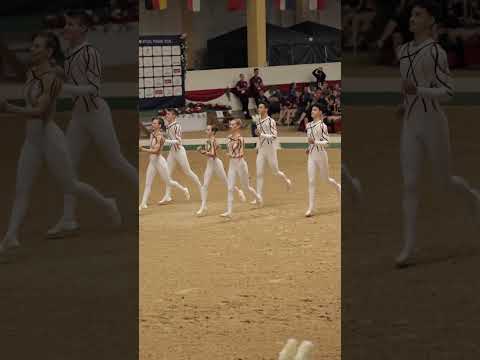
• Some Meyer magic in the making
    Kathrin Meyer is the leading lady after the first test of the FEI Vaulting European Championship 2025 Subscribe to our ...
    0 Comments 0 Shares 302 Views
  • WWW.JUSTHORSERIDERS.CO.UK
    Discover The Must-Have Equestrian Equipment And Apparel For Every Horse Lover
    Section Description The Enchanting World of Equestrian Equipment and Apparel Just Horse Riders offers a range of horse riding equipment and apparel to enhance the riding experience. The Essentials of Horse Riding Essential items like jodhpurs for comfort and flexibility, and riding boots for grip and protection. Comfort Meets Functionality Choosing the right horse riding boots for durability and protection, available in the Horse Riding Boot Collection. Perfecting Your Riding Apparel Focuses on riding gloves for grip and style, and the importance of socks for comfort. The Grip and Style of Gloves Gloves enhance grip and protect hands, with various styles available in the Horse Riding Gloves Collection. For the Unsung Heroes Socks Socks provide cushioning and warmth, essential for long riding sessions. Equestrian Supplements: A Horse's Best Friend Supplements play a vital role in maintaining a horses health and vitality. Vitamins for Every Day Daily vitamins are essential for boosting immunity, enhancing digestion, and providing necessary nutrients. Protection Beyond Supplements: Rugs and Fly Protection Rugs and fly protection are crucial for maintaining equine comfort and protection against weather and pests. Cozy Comfort with Stable Rugs Stable rugs keep horses warm and cozy during colder months. Turnout Rugs for All Seasons Turnout rugs provide necessary protection in outdoor environments against harsh conditions. Buzz Off: Fly Protection Fly protection gear is essential for reducing stress caused by flies. Gifts and Treats for Horses and Riders A selection of treats and gifts for horses and their enthusiasts to show appreciation and provide care. Pamper Your Horse with Treats Healthy treats serve as rewards and help in maintaining a horse's peak condition. Conclusion: A Ride to Remember Just Horse Riders is committed to enhancing the equestrian experience with top-notch products and expertise. The Enchanting World of Equestrian Equipment and ApparelWelcome to the enthralling realm of Just Horse Riders, where we saddle up to provide an unbeatable range of horse riding equipment and equestrian apparel. Our mission is to equip every horse lover with the essentials and extras that transform riding from a hobby to an unforgettable experience.The Essentials of Horse RidingWhether you're a seasoned rider or just starting, the right jodhpurs and riding boots are essential for comfort and safety. Jodhpurs, with their snug fit, protect your legs and offer flexibility for those graceful strides. Don't have a pair yet? Check out our diverse Jodhpur Collection.Comfort Meets FunctionalityHorse riding boots provide the best grip and protection while managing the horse. They're built for durability, with materials that weather all the elements. Browse our Horse Riding Boot Collection for pairs that best suit your style.Perfecting Your Riding ApparelThe atmosphere when riding demands not just skill but a wardrobe that resonates with the environment. This is where our range of riding gloves and socks come into play.The Grip and Style of GlovesGloves are not just about comfort during chilly rides. They enhance your grip and protect your hands from the reins. See the latest styles in our Horse Riding Gloves Collection.For the Unsung Heroes SocksThe humble sock deserves more recognition. Underappreciated yet vital, they provide the extra cushion and warmth needed when stationed in the stirrups for hours. Explore our Horse Riding Socks Collection for options as varied as the terrain youll conquer.Equestrian Supplements: A Horse's Best FriendJust like us, horses have dietary needs. Equestrian supplements are key to maintaining their health and vitality. Our supplements are crafted to support everything from their coat to their hooves.Vitamins for Every DayDaily use vitamins support the comprehensive health of your equine companion. They boost immunity, enhance digestion, and provide essential nutrients. Discover more in our Everyday Horse Vitamins & Supplements.Protection Beyond Supplements: Rugs and Fly ProtectionThe world of equine care extends beyond nourishment; keeping your horse comfortable and protected is also crucial.Cozy Comfort with Stable RugsStable rugs keep horses warm and cozy during winter, ensuring they remain relaxed and at ease. They come in various weights and styles to suit different weather conditions. Check out our selection of Stable Rugs.Turnout Rugs for All SeasonsWhen your horse enjoys the great outdoors, turnout rugs provide the necessary warmth and water resistance against nature's whims. Browse our extensive Turnout Rugs range.Buzz Off: Fly ProtectionAnnoying flies are more than a nuisance; they can cause your horse significant stress. Quality fly protection gear is essential for comfort. Discover solutions in our Horse Fly Protection category.Gifts and Treats for Horses and RidersWho said gifts were just for people? Horses enjoy treats and functional presents just as much. Whether its a nutritious snack or a charming accessory, our Horse Treats And Gifts collection has something for every equine enthusiast and their companion.Pamper Your Horse with TreatsHealthy treats provide a delightful break from routine and training. Theyre the perfect thank you for a hard day's ride while keeping your horse in peak condition. Visit our Treats and Gifts selection to find the perfect surprise.Conclusion: A Ride to RememberAt Just Horse Riders, our priority is your passion for equine activities. By providing top-tier riding gear and health products, we ensure every adventure with your horse is safe, memorable, and fulfilling. Whether you're in need of sturdy jodhpurs or essential supplements, our expertise is just a click away. Embrace the ride and explore the abundance of products curated just for you.
    0 Comments 0 Shares 333 Views
  • WWW.HORSEILLUSTRATED.COM
    8 Causes of Stress in Horses
    There are 8 common causes of stress in horses, but you can make changes to reduce the effects on your horse.Table of ContentsToggle1. Inconsistency2. Confinement3. Herd Dynamics4. Lengthy Periods Between Meals5. Changing Hay and Feed6. Travel7. Weather Extremes8. Barn AtmosphereSigns of Stress in HorsesAs herd animals who are also prey animals, horses instinctively feel safer in a group setting with room to flee from danger.Of course, many domestic horses dont live in such an environment.Some are turned out on pasture or even a dirt lot with other horses, but many spend most of their time alone in a stall or corral. These arrangements may be a necessary part of life, but that doesnt change the fact that its not natural for the horse.Even though horses can adapt, many common management practices can unintentionally ramp up their stress level. Ongoing stress can end up causing health problems, which are often seen in the form of gastric disturbances, including colic and stomach ulcers.Are you making your horses life stressful without realizing it? Take an honest look at your daily routine while considering these common causes of stress. Then take a look at how you can make changes for the better.Photo by Tomasz Zajda/Adobe Stock1. InconsistencyIf you watch horses in a field, they have a routine, says Kathleen Crandell, Ph.D., an equine nutritionist who works with Kentucky Equine Research. They often graze in certain parts of the pasture at certain times of day, and rest at certain times. When we become their provider, its helpful to them if we put them on a routine because then they know what to expect.She notes that without a routine, horses may develop stereotypies, such as cribbing, stall walking, and pawing.Horses are creatures of habit and do a lot better with a schedule, [where] youre feeding and turning out at the same time every day, says Sam Crosby, DVM, an equine veterinarian since 1994 who maintains his own practice, Crosby Veterinary Services, in Arcadia, Okla.Crosby often finds that when he examines a horse that is losing body condition and weight, or has gastric ulcers, that horse has not been on a consistent routine.2. ConfinementConfinement is an ongoing stress that constantly triggers the nervous system. When your horse lives in a stall or in a small corral, regular exercise and/or daily turnout is vital. Making sure other horses are visible also reduces stress.Whether your horse is stalled or in a dirt lot, hay should be available most of the day and night. Use of a small-hole hay net or slow feeder makes it last longer, so the stomach doesnt have a long period without forage.If your horse must be confined off pasture, make sure forage is available most of the day. A slow feeder or small-hole net will keep him from eating too quickly. Photo by Margaret Burlingham/Adobe StockIdeally, a horse should eat at least 1.5 to 2 percent of his body weight in forage daily.3. Herd Dynamics If youre fortunate to have your horse in a pasture setting, keep him in a compatible group. In boarding situations where horses come and go, this can be challenging.Horses have a natural pecking order and have to establish that, but if one horse is a bully, you have to separate them, says Crosby.Once you have an established group that gets along well, its best not to change it.Once you find a compatible pasture herd for your horse, its best not to change it if you want to avoid stressing him. Photo by Callipso88/Adobe StockChanging herd dynamics, such as moving from one pasture to another and being with different horses can be enough to trigger ulcer development.Feeding in a group setting is also asking for trouble. It puts horses lower in the pecking order at risk of not getting their share of feed or even getting injured. The safest option is always to separate horses at feeding time and then turn them back out together. If this is not possible, spacing hay piles or grain feeders quite far apart with one more pile/feeder than horses is the next best option.4. Lengthy Periods Between MealsThe gut pays the price for stress, says Crosby. When the GI system reacts to stress, it lowers the immune system and puts the horse more at risk of contracting respiratory disease and other illnesses.One of the biggest stresses to the GI tract is going without forage for hours at a time.If your feed routine is first thing in morning and then early afternoon, youve got 8 hours between the first feedings, but 16 hours until the next one, says Crandell. The longer the stomach is empty, the more acidic it becomes and the more likely the horse is to develop ulcers.Because horses are hind gut fermenters, their GI system functions best when fed small amounts of forage throughout the day.Crandell points out that in the 1500s to late 1800s, when horses were used for work and transportation, it was unheard of to feed less than four to six times a day. Horses were routinely given breaks to graze or eat hay.Space out feedings evenly so you arent feeding large amounts of grain at once or going long periods with no forage intake. This may mean feeding three to four times a day instead of twice.5. Changing Hay and FeedBuying whatever hay or feed is on sale and frequently making changes is stressful on the horses digestive system.Abrupt changes in feed can cause serious changes in the gut, says Crandell. If the gut is healthy, the immune system functions optimally; 70 percent of the immune system is in the gut. Its all about the balance of the microbiome.Beneficial bacteria create a mucous layer in the small and large intestine, offering protection from digestive juices and large molecules.The beneficial bacteria maintain this mucous lining, but if you disrupt the good bacteria, the mucous layer breaks down, and this is what allows pathogenic bacteria to get through the gut lining and into the blood stream, she adds.Changing feed abruptly imbalances the microbial population and can result in damage to this protective mucous lining, making the horse more susceptible to gastric upset and leaky gut.Always allow a week to make feed changes by adding one-quarter of the new feed or hay to three-quarters of the old. Then gradually add more of the new while tapering out the old. This allows the gut microbes to gradually adjust to the new source.6. TravelTransporting horses is common, but travel is a high source of stress, so take practical steps to reduce its impact.Keep hay in front of horses during travel so they dont have long periods with an empty stomach.When trailering, hang hay for nibbling on long rides, and keep ties long enough so that horses can lower their heads to clear their airways. Stop every few hours to allow horses to drink. Photo by Mark J. Barrett/Adobe StockDont tie so short that horses cant drop their heads at all.When traveling longer than five or six hours, plan for stops of at least 15 to 20 minutes to encourage horses to drink and urinate, as many wont do so while the trailer is in motion. On longer trips, schedule overnight stops, or at the very least unload long enough that horses can walk, stretch their legs, and lower their heads, which is important for clearing the airways.Both Crosby and Crandell recommend supplementing with probiotics for overall gastric health, particularly during travel and competition.To help prevent ulcers, its also beneficial to use a proven medication, such as UlcerGard, two days before, during, and right after travel.7. Weather ExtremesLiving in tornado alley, Crosby has treated many horses after being injured in tornadoes. Hes found that extreme weather can do more than cause physical injury.When a horse has been through a big event like a tornado, it has a lasting effect on the psyche, says Crosby. These horses will generally be spookier afterward and have problems coping. Its a common happening and is like PTSD in humans.Severe weather events can leave horses with lingering spookiness and other psychological effects. If possible, evacuate when weather warnings come in. Photo by Minerva Studio/Adobe StockAlthough major weather events are totally out of your control, be aware that they can cause significant stress in horses.If you live in an area with extreme weather, such as tornadoes or hurricanes, have plans in place so your horse is in the safest possible situation. This may mean evacuating ahead of a storm or turning out in a large field instead of keeping the horse inside a barn.8. Barn AtmosphereThe atmosphere in and around the barn either contributes to stress or reduces it. This includes feed, exercise, and training routines, how horses are handled, human personalities, and even the noise level.Even the noise level in the barn can contribute to stress. Take a look at how your horse is handling it, and consider making a change if needed. Photo by Mbennett/Adobe StockYour barn should be calm; if its not peaceful, the horses will feel it, says Crosby, who often treats horses whose stress and anxiety is directly related to their daily environment, routine, and how theyre handled.Do everything you can to promote a stress-free barn atmosphere. On occasion, this may mean moving to a different boarding facility, but if it makes your horses life less stressful, its worth it.Signs of Stress in HorsesPay attention to what your horse is telling you without words. For example, lighter-colored and looser manure indicates that stress has affected the balance of the microbiome in the gut. The following are all signs of physical and/or mental stress:Change in manure consistencyChange in manure colorIntermittent, mild colic episodesStereotypies, such as cribbing, stall walking, pawing, or pacing fencelinesThis article about causes of stress in horses appeared in the August 2024 issue of Horse Illustratedmagazine.Click here to subscribe!The post 8 Causes of Stress in Horses appeared first on Horse Illustrated Magazine.
    0 Comments 0 Shares 345 Views
  • LIVE | FEI Vaulting World Championship for Juniors - Junior Squads (Free test)
    Enjoy now the Junior Squads (Free test) of the FEI Vaulting World Championship for Juniors in Stadl Paura Subscribe to our ...
    0 Comments 0 Shares 303 Views
  • The art of running in.
    FEI #FEIVaulting #FEIVaultingEuropeans #FEIEuros2025 #UnitedByEquestrian Subscribe to our YouTube channel & hit the ...
    0 Comments 0 Shares 290 Views
  • WWW.HORSESPORTIRELAND.IE
    Irelands Pony team wins superb silver at European Championships
    Irelands Pony team (Under-16) have won the European Jumping Championships silver medal after a team jump-off on a nail-biting afternoon in Le Mans, France, this afternoon.Denis Flannellys team of Ruben Foley, Sam Widger, Cian McMunn, Charlie Flynn and Lily Tunney produced a perfect display of jumping over the course of two days to win the big prize and regaining their crown as Europes top dogs.Finishing on a score of zero faults and level with Britain after three rounds, the result came down to a team jump-off in which Ireland finished on four faults, with Britain jumping three clear rounds to secure gold. Belgium filled the podium on a final tally of four faults.Horse Sport Ireland Youth Show Jumping Lead Consultant, Denis Flannelly, who led the Junior (Under-18) team to team gold in Riesenbeck, Germany, earlier this month, was delighted with the result and heaped praise on his team.They were absolutely brilliant I cant speak any higher of this team. We have been all around Europe this year and been having great results in Nations Cups but championships bring their own level of pressure and they all handled it brilliantly.From the very beginning, we have been clear here which is an incredible achievement. To finish a championship on a zero score shows the level of rider and the level of pony we have within our ranks, and I couldnt be any prouder. There is a sense of disappointment and what could have been for the riders but they have done their country extremely proud.We know how difficult a team jump-off is and they were superb again but today it just didnt go our way. To win silver is fantastic, and all our riders are very much still in the hunt for individual medals on Sunday.I must thank all of the riders parents, our Youth Athlete Liaison Liz Brennan, vet Tim OHagan, Hayley Devlin from the sport department in Horse Sport Ireland and everyone behind the scenes who put so much work into this programme.As well as that, we have magnificent sponsorship from the likes of Bucas, Equieire, Dubarry, TRM Ireland and Berney Bros. They have us kitted out here this week and we havent wanted for anything. It also couldnt be possible without the funding Sport Ireland provides the programme we are all very grateful for their continued support.Ireland entered the final round of jumping this afternoon level on the zero score with Britain and second last to go. Ruben Foley and Wineport Q Junior were Irelands pathfinders and their clear round put pressure on Britains Holly Gerken, who was clear herself until the last fence, where she rubbed a pole to finish on four faults.That opened the door for the Irish, but the championship went back and forth as Sam Widger and Western Ranger were desperately unlucky to knock the second last as torrential rain began to pour.Darcy Breen, daughter of Irish senior rider Shane, went clear for Britain as the two four-fault rounds for both nations potentially became a discard score and they were back level, with Belgium still in the hunt in third on four faults.Chef dEquipe Denis Flannelly with the Irish silver medal-winning team of Ruben Foley, Cian McMunn, Sam Widger, Charlie Flynn and Lily Tunney, with HSI Youth Athlete Liaison Liz BrennanNiels van Rossem guaranteed a Belgian medal with another clear round before Flynn and HK Zena entered the arena. Under immense pressure, Flynn was the coolest man in Le Mans, making it look easy with his third faultless performance of the week.Nellie Lock was next for Britain, needing a clear of her own to maintain parity for her team and, to her credit, she obliged to leave it down to the anchor riders.Tunney and Fireman were foot perfect, never looking like dropping a pole and it meant Sophia Rogers needed a clear to force a team jump-off, which she did under the greatest of pressure.Foley and Wineport Q Junior were first in the jump-off and went clear in 40.24 seconds before Gerken dropped the last for Britain and four faults advantage Ireland.Widger was lightning quick to go clear in 39.69 seconds with Breen next for the reigning champions. She was clear in 40.59 seconds, meaning Ireland were still in front. Flynn had four faults, meaning Britain had hope with Lock next into the arena. She didnt jump for time and went clear in over 44 seconds.With four faults after Tunney had the plank down, momentum shifted back in Britains favour at the death, meaning Rogers was afforded the opportunity to jump clear to secure the gold medal. With that in mind, she jumped clear in a much slower time, within the limit, to secure gold.Focus for Irelands jumpers now switches to the individual competition, where further medals are potentially on the horizon. McMunn, jumping as an individual, remains clear through three rounds with Esperando SK, one of just seven combinations to jump perfectly throughout.He is joined at the head of affairs by teammates Tunney, and Flynn as three Irish sit clear with the final round coming on Sunday after a rest day tomorrow. Widger is just one pole behind on four faults in eighth place and Foley only two poles down behind the leaders in 13th.The Irish Youth High Performance Programme is exclusively funded by Horse Sport Ireland and Sport IrelandBucas official supplier to Horse Sport Irelands High Performance programmeThe Horse Sport Ireland Youth High Performance programmes are kindly sponsored by Equieire, TRM Nutrition, Berney Bros and DubarryThe post Irelands Pony team wins superb silver at European Championships appeared first on Horse Sport Ireland.
    0 Comments 0 Shares 352 Views
  • GRANSHAEQUESTRIAN.COM
    Mounted Beach TEAM RELAY ENTRY FORM
    MOUNTED FUN ON DONAGHADEE BEACH SATURDAY 6th SEPTEMBER 2025GRANSHA EQUESTRIAN CENTRE - BEST TURNED OUT TEAMJUDGED PRIOR TO THE EVENT (FREE ENTRY)MOUNTED BEACH TEAM RELAYSUPPORTED BY PIER 36 &NORTH DOWN AND ARDS BOROUGH COUNCILOPEN TO THE FIRST 12 TEAMS TO ENTER ENTRY FEE 80 PER TEAM ENTRIES CLOSE MIDNIGHT TUESDAY 2ND SEPTEMBER 2025.ENTRY MUST BE MADE ON THE GRANSHA EQUESTRIAN APP OR WEBSITE.All ENTRIES MUST BE ACCOMPANIED BY:-ENTRY FEE Copies of the Riders PL Insurance. (Such as BHS Gold Membership or 3rd party cover on your horses insurance). These are required to be uploaded with Entry Form.Each team must consist of 4 riders over the age of 12 years on 1/1/2025.Proper Hunt dress for adults or Pony Club dress for children.A riding crop must be carried and passed from one team member to the next as a baton.1st PRIZE 600.002ND PRIZE 250.003RD PRIZE 150.00
    0 Comments 0 Shares 702 Views
  • WWW.JUSTHORSERIDERS.CO.UK
    How To Stop Your Horse From Bucking During Canter: A Comprehensive Guide
    Section Key Points Understanding the Causes Physical Resistance and Muscle Tension Fear or Anxiety Related to Canter Transition Balance and Coordination Issues Improper Bend or Resistance to Lateral Aids Solutions for Preventing Bucking Basic Groundwork and Riding Techniques Separation of Canter Departure and Slowing Down Enhancing Bend Responsiveness Improving Horse Balance Checking Tack Fit and Physical Comfort Conclusion Addressing Root Causes of Bucking Importance of Horsemanship Skills and Empathy Groundwork, Tack Checks, and Training for Better Riding Experiencing a horse that broncs during canter can be quite a challenge for both novices and seasoned riders. The root causes often lie in physical discomfort, balance issues, or training gaps. In this comprehensive guide, we explore the potential reasons why horses buck during canter, along with actionable solutions to resolve these issues. With patience and structured groundwork, you can turn a bumpy ride into a smooth and enjoyable experience for both you and your horse.Understanding the Causes of Bucking During CanterThis section delves into the key reasons your horse might be bucking during canter, helping you identify underlying issues that require attention.Physical Resistance and Muscle TensionHorses often experience physical resistance and muscle tension, making it difficult to pick up a relaxed canter. This can be due to insufficient relaxation or discomfort in responding to leg aids. When a horse braces its neck, back, and barrel muscles, it may react defensively by bucking. To better understand this aspect, heres an insightful collection of stable rugs that help in alleviating muscle discomfort [1].Fear or Anxiety Related to Canter TransitionAnxiety can lead to fearful or anxious responses, such as bucking, during the canter transition. If cues are confusing or conflicting, horses may develop negative associations. Encouraging smooth and reassuring transitions is essential. Resources like the Everyday Horse Vitamins & Supplements assist in overall equine wellness [2].Balance and Coordination IssuesUnbalanced horses may buck to express discomfort or fear. Balance and coordination issues affect the horses ability to move safely at faster gaits like canter. Ensuring proper tack fit is crucial, as cinch pressure can change when a horse stretches into canter, causing discomfort [3].Improper Bend or Resistance to Lateral AidsWhen a horse doesnt properly respond to bending cues, it increases the chance of bucking out of discomfort or frustration. This resistance can lead to stiffness and imbalance. To promote a relaxed canter, consistent training in yielding to lateral aids is paramount [4].Solutions for Preventing Bucking During CanterAddressing the causes of bucking involves a blend of training, equipment checks, and behavioral adjustments. Here are practical solutions for preventing bucking during cantering:Go Back to Basics with Groundwork and RidingEstablishing relaxation, balance, and soft bend during walking and trotting is essential. Begin with calm, balanced gaits and smooth transitions. By mastering these basics, you can lay the groundwork for a confident canter [1][4].Work Separately on Canter Departure and Slowing DownTrain canter cues and slowing efforts as distinct goals. Initially, provide large releases of rein on canter departure to build trust. This approach helps reduce anxiety, allowing the horse to gain confidence without premature restraint [2]. Gradually incorporate controlled slowing after the canter cue is fully established.Assess and Improve Bend ResponsivenessOn the ground, test your horses acceptance of barrel pressure, encouraging a gentle yield to leg aids. Promoting bending from the neck, back, and barrel supports a relaxed canter. For aid with ensuring a smooth transition, browse our Horse Riding Gloves Collection.Improve Balance Before Asking for CanterUsing corners helps a horse engage its hindquarters and gain balance. Ensure a positive trotting pace supports smooth canter entry [5]. Properly structured transitions set the foundation for a successful canter.Check Tack Fit and Physical ComfortCinch constriction or ill-fitting saddles can cause significant discomfort during a canter. Routinely check and adjust tack to ensure physical comfort. An inviting equestrian supplement plan from our Everyday Horse Vitamins & Supplements collection can ease discomfort related to physical exertion.Concluding Looks and Lasting ImpressionsIn summary, addressing the root causes of bucking at canter involves a mix of horsemanship skills and empathy towards your equine companion. Through the thoughtful execution of groundwork, comprehensive tack checks, and persistent training, a better riding experience can be achieved. For continued comfort and care, explore our collection of turnout rugs that protect your horse in various weather conditions.For further resources or assistance with your riding gear, check out our Jodhpur Collection or the Horse Riding Boot Collection.Through balanced riding aids, gradual training progressions, and clear communication, you can prevent and resolve bucking during canter. Let Just Horse Riders help you and your horse enjoy every ride, every experience!```html```
    0 Comments 0 Shares 314 Views
  • WWW.HORSESPORTIRELAND.IE
    Passport figures for foals born in 2025 (Horse Source applications) 1st August, 2025
    For the 2025 breeding season so far, HSI has received 2850 applications and issued 802 completed applications.2810 pedigree applications have had their foal kit sent to the applicant, with the remainder issued imminently.It is important to note that, to date, 1249 foal kits have not been yet returned from breeders to HSI for pedigree applications.Of the 1561 applications who have returned their foal kits to HSI, 802 have been completed and the passport issued and 166 are currently undergoing quality control checks, while the remaining applications DNA samples are currently with the laboratory for analysis.Of the 968 passport applications, where the DNA samples have been returned to HSI from the laboratory, 802 are complete.The post Passport figures for foals born in 2025 (Horse Source applications) 1st August, 2025 appeared first on Horse Sport Ireland.
    0 Comments 0 Shares 331 Views
  • Pas-De-Deux perfection in 3.2.1
    FEI #FEIVaulting #FEIVaultingEuropeans #FEIEuros2025 #UnitedByEquestrian Subscribe to our YouTube channel & hit the ...
    0 Comments 0 Shares 304 Views