• WWW.HORSESPORTIRELAND.IE
    Green Jackets consistent on world stage
    Duffy tops victory podium at Sentower with DivinaThere were a number of strong performances at five-star shows across the world, as well as at three-star level in America, while Michael Duffy bagged the sole FEI international success at 1.45m or higher when winning at a two-star show in Belgium.Duffy got the New Year off to a lovely start with victory in a Grand Prix Qualifier at Sentower Park with Hs Sportpferde Gmb Hs mare, Divina on Saturday (below). The Galway athlete and his 11-year-old chestnut were comfortable once they went clear in the 1.45m speed class, their time of 55.65 more than a second a half faster than that registered by the best of the chasing pack.Neal Fearon and Derryglen Obsidian maintained their run of good form, with the Kildare-based Cavan pilot steering the Deirdre Reilly-owned mare onto the podium in a 1.55m jump-off class at the Al Shaqab complex in Doha.The pair were in the winners circle on the Longines Global Champions Tour at Riesenbeck in September and combined brilliantly once more to be third quickest of the ten in the decider, going clear in a time of 42.56.In-form Austrian, Max Khner landed the spoils with EIC Quantum Robin V.In Abu Dhabi, Trevor Breen sneaked into the top five at the UAE Presidents Cup on Friday, guiding Kannoon Blue, owned by his wife Caroline, to a double clear with a jump-off time of 23.55, in a class won by Syrias Shady Ghrayeb, with Cabernet de Mars.The Tipperary native kept his brother, Shane, just behind in joint-sixth, riding another grey, BP Arctic Blue, owned by Breen Equestrian, to a faultless round in a time of 24 seconds flat.David Simpson also posted a double clear, with yet another grey, Ballyward Estates Billy Fern, but with 31 in the tiebreaker, time was literally of the essence, and the Derry pilot had to settle for ninth, clocking 24.19.On Saturday, it was Shane Breens turn to get that top-five finish in an elite class with Arctic Blue, the duo recording two blemish-free rounds in the second Grand Prix Qualifier over a 1.50m two-phase course.Their speed time of 27.20 did not challenge for overall honours, as Germanys Sophie Hinners prevailed with Iron Dames Kaleni Jo, stopping the timers on 25.98, but in a field that had 16 faultless rounds, it proved extremely competitive.Later in the afternoon, Simpson was in the irons as Pjotr van de Kruishoeve came fourth in another two-phase 1.50m competition. This time, the speed phase claimed a number of victims.Only seven of the field managed to leave all the rails intact, with the Irish duos time of 32.69 ensuring a major ribbon. This time, Britains Alexander McLean was triumphant, Calixte Heartbreaker Z scorching through the latter examination in 32.08 of an electric contest.Closer to home in Basel, another Premier County product, Denis Lynch and his now-turned 17-year-old Brooklyn Heights finished seventh in the Longines Grand Prix of Basel with a solid round of jumping, but two time faults meant they missed out on the jump-off.Kim Emmen (NED) emerged on top of the six-strong shootout with Imagine NOP, posting the only double clear of the night.Lynch improved on that finishing position by one spot in the 1.55m Championat of Basel, going double clear with Vistogrand in a very competitive class won by Josch Lhden (GER) with EIC Schabernack.At three star level, Francis Derwin and Daniel Coyle picked off a number of rosettes as the first of 10 weeks of international competition got under way in Ocala.Derwin finished runner-up in the three-star Grand Prix at the World Equestrian Center, with the Irish Sport Horse Flexi K, bred at Knightfield Stud in Co Kildare.The Athlone rider and the 13-year-old he owned until selling to Kerry Anne LLC last year, crowned a very prosperous week with only the second double clear in the 1.50m Grand Prix (above), stopping the clock in 37.04, just short of the 36.93 standard set by American Carolee McCutcheon, who secured her first GP victory courtesy of Aralyn Blues precision and pace.Robert Blanchette and Chardonnay were also in the jump-off and posted a sixth-place finish after having four faults.Earlier in the week, Derwin and Flexi K had posted two fourth-place finishes, so it was a really consistent week for the duo.The first was in Thursdays Florida Coast Equipment Grand Prix Qualifier, in which Coyle and Ariel Granges phenomenal 16-year-old Farrel bagged the silver medal.Coyle and Farrels jump-off clear in 35.66 seconds saw them finish just over a second behind world No 1 Kent Farrington (USA) with Orafina.Next up for Derwin and Flexi K was the 1.45m speed class, and they were competitive once more, while obviously attempting to maintain some petrol in the tank for the Grandk Prix.Blanchette was the highest Irish finisher this time in second, with Chardonnay, while victory went to Richard A Spooner (USA) and Lyjanair.Down in the more southern part of Florida, there were two Irish in the top five in Sundays $32,000 Herms 1.50m jump-off at Wellington International. Cian OConnor and another of his young prospects spending the winter in Florida, the 10-year-old stallion Ulysses, claimed third, while his protg, Max Wachman took fifth WITH The Kerryman, who has only just turned eight. Lillie Keenan (USA) and Chagrin DAmour secured the top spot.BREEDINGFLEXI K (ISH) 2013 gelding by Flex A Bill (ISH)[TIH] out of Deeply Dippy K (ISH) by Luidam (KWPN). Breeder: Knightfield Stud, Co. Kildare. Owner: Kerry Anne LLC. Rider: Francis Derwin (IRL)The post Green Jackets consistent on world stage appeared first on .
    0 Commenti 0 condivisioni 119 Views
  • WWW.JUSTHORSERIDERS.CO.UK
    Discovering the Reasons Behind Sudden Behavioral Changes in Horses: A Step-by-Step Guide
    Key Topic Details Sudden Behavioral Changes Signals underlying physical or psychological issues in horses. Primary Causes Pain, illness, and stress are the main reasons for sudden behavior shifts. Dental Issues Sharp teeth or misalignment cause oral pain, leading to behavioral changes. Gastrointestinal Issues Colic and gastric ulcers can lead to dramatic behavior changes due to pain. Musculoskeletal Pain Conditions like arthritis cause reluctance in movement and resistance during exercise. Infectious Diseases Respiratory infections and influenza cause fatigue and behavioral changes. Nutritional Deficiencies Lack of essential vitamins leads to lethargy and behavior changes. Stress Responses Prolonged stress triggers weight loss, ulcers, weak immunity, and behavior changes. Physical Indicators of Stress Weaving, trembling, eye rolling, excessive sweating, and poor behavior. Hormonal Changes Estrous cycles in mares cause increased sensitivity or restlessness. Aggression Sudden aggression is a red flag for medical or psychological issues. Behavioral Baseline Helps identify significant changes in temperament and behavior. When to Contact Vet If you notice aggression, lethargy, appetite changes, or weight loss. Case Study Framework Includes steps to document, rule out medical causes, assess environment, evaluate stress, consider cycles, and implement changes. Understanding Sudden Behavioral Changes in Well-Mannered Horses: A Case Study Approach Introduction A horse owner arrives at the stable to discover their usually calm mare behaving contrary to her usual demeanorrefusing to cooperate under saddle. Such sudden behavioral changes serve as a signal for underlying issues, whether physical or psychological. Horses often communicate distress through their behavior[4]. In this blog, we will explore what these sudden shifts might mean and how to address them efficiently. Why Sudden Behavioral Changes Are Warning Signs The primary causes of sudden behavior changes in horses are pain, illness, and stress[3]. These changes can be early indicators of underlying issues that require immediate attention. Research shows that only a small percentage of behavioral shifts are due to hormonal factors, emphasizing the need to consider other health and environmental causes first. The Primary Culprits: Pain and Discomfort Dental Issues and Oral Pain One common yet often overlooked cause of behavioral changes is dental problems. Horses with sharp teeth or dental misalignment often experience oral pain, resulting in reluctance to eat or resist bridling[1]. Therefore, a previously cooperative horse may show sudden changes in behavior during tacking or riding due to mouth discomfort. Gastrointestinal Issues and Colic Colic, a common cause of abdominal pain in horses, often presents dramatic behavioral signals, such as pawing or rolling[1]. Additionally, gastric ulcers are a less obvious, yet prevalent cause of behavior changes, particularly under saddle, as horses react to internal pain[8]. Musculoskeletal Pain Pain from conditions like ulcers, arthritis, or muscle soreness often triggers behavioral shifts. For instance, arthritis can cause a previously active horse to show reluctance in moving or exhibit resistance during exercise[1]. Illness and Systemic Conditions Infectious Diseases Respiratory infections and equine influenza are common illnesses that can lead to fatigue and behavioral changes. Often, behavioral changes occur before other physical symptoms, such as nasal discharge or coughing[1]. Nutritional Deficiencies and Anemia A poor diet lacking in essential vitamins and minerals can result in fatigue, and anemia might cause a horse to feel lethargic, with behavior changes being the first noticeable symptom before other signs, such as weight loss, become evident[1]. Stress and Environmental Triggers Understanding Equine Stress Responses Prolonged stress is a significant behavioral modifier in horses. Stress impacts horses due to various triggers, potentially causing weight loss, gastric ulcers, colic, a weakened immune system, and behavior changes[2]. Physical Indicators of Stress Weaving and stall walking Shaking or trembling Eye rolling Excessive sweating Poor behavior such as spooking or biting Recognizing these specific stress manifestations allows owners to intervene proactively. Hormonal Changes and Reproductive Cycles Mare Estrous Cycle While hormonal changes account for a minority of behavioral issues, they are essential to consider, especially in mares undergoing their estrous cycle. Behaviors such as increased sensitivity or restlessness might be cycle-related[3]. Documenting these changes can help distinguish hormone-influenced behavior from other issues needing veterinary focus. Aggression: A Behavioral Red Flag Sudden aggression in a well-mannered horse signals that something could be medically or psychologically wrong. Aggression can include chasing, kicking, or biting, prompting immediate veterinary attention[5]. Developing a Baseline: The Foundation for Early Detection Establish a behavioral baseline to understand normal versus concerning variations. Knowing your horse's normal temperament, energy level, and social behavior gives a reference point for recognizing significant changes[4]. Creating a Behavior Diary A behavior diary helps document specific incidents, environmental factors, and resolutions, providing valuable information for veterinarians during assessments[4]. When to Contact Your Veterinarian Professional evaluation should precede behavioral adjustments. Contact a vet if you notice sudden aggression, lethargy, changes in appetite, or unexplained weight loss[1]. Quick intervention ensures minor issues don't escalate into serious problems. Case Study Framework: Approaching Behavioral Changes Systematically Step 1: Establish What Changed Document the specific shift in behavior and the contexts in which it occurs. Step 2: Rule Out Medical Causes Schedule a comprehensive veterinary examination and provide detailed observations[4]. Step 3: Assess Environmental Factors Evaluate recent changes in barn routines, diet, handlers, or other environmental elements. Step 4: Evaluate Stress Levels Identify stress triggers and determine the impact on behavior to address chronic stress[2]. Step 5: Consider Cycle-Related Changes (Mares) For mares, correlate behavior changes with their estrous cycle to prioritize potential interventions. Step 6: Implement Changes Based on Findings Collaborate with your veterinarian and trainer on medical, environmental, or behavioral strategies. Conclusion Sudden behavioral changes in horses are not simply shifts in attitude, but critical communications about their health and welfare. By identifying primary causes like pain, illness, and stress, offering systematic approaches to problem-solving, and enlisting veterinary support, owners safeguard their equine companions' well-being.```html```
    0 Commenti 0 condivisioni 112 Views
  • THEHORSE.COM
    Where Are We in Understanding Hindgut Ulcers in the Horse?
    Research continues into the cause, diagnosis, and treatment of colonic ulcersAlthough gastric ulcers get a lot of attention, colonic ulcers and right dorsal colitis have gained recognition as important equine health concerns. | iStockGastric ulcers get a lot of attention, but ulcers can also form further down the digestive tractin the hindgut. Colonic ulcers and right dorsal colitis (RDC) have gained recognition as important equine health concerns. Frank M. Andrews, DVM, MS, Dipl. ACVIM (LAIM), LVMA equine committee professor and director of equine health and sports performance at Louisiana State Universitys School of Veterinary Medicine, in Baton Rouge, says awareness of these conditions has grown in recent years, along with research into how they develop.Hindgut Digestive Anatomy and Functional ConsiderationsTo understand colonic ulcersthe more correct term for hindgut ulcersit helps to first look at normal equine hindgut anatomy and physiology.The hindgut consists of the cecum, large colon, small colon, and rectum. In the cecum and large colon, microbes break down digestapartially digested feed from the small intestinein a process called hindgut fermentation. This process allows the horse to extract nutrients from a high-fiber diet.The cecum contains many haustra (pouches formed due to smooth muscle bands within the cecal wall) that give the cecum its sacculated appearance. The haustra, via contractions and peristalsis, slowly mix the digesta with the microbial population to promote fermentation. In addition, the steady mixing gives microbes time to break down complex carbohydrates and fiber and to allow for water absorption.The fermentation of fibrous plant material produces volatile fatty acids (VFAs), a major energy source for horses. These VFAs are absorbed through the cecal wall and into the bloodstream, keeping the cecal environment at an ideal pH of 6.37.5 (Boucher et al., 2024; Wunderlich et al., 2023), allowing fungi and anaerobic bacteria to degrade fibrous parts of the diet such as cellulose, hemicellulose, and pectins.The cecums mucosal lining contains goblet cells, which produce protective mucus. Prostaglandin E2 (PGE2), a natural chemical messenger in the horses body, triggers this secretion to help protect the cecal wall. In addition, the massive microbial population in the cecum also helps defend the gut by crowding out potential harmful pathogens.Small amounts of digesta slowly pass from the cecum into the different segments of the large colon, also referred to as the large intestine. From the right ventral colon digesta passes to the left ventral colon; the ventral colon is 10-12 feet long and contains haustra similar to those in the cecum. It continues to ferment the digesta with the production and absorption of VFAs. Anatomically, a narrow transition, also called the pelvic flexure, connects the left ventral colon to the left dorsal colon. The cecum and ventral colon retain coarse particles, while the liquid and fine particles move on to the left dorsal colon and right dorsal colon. The dorsal colon contains no haustra; it mainly serves to absorb water and electrolytes from the digesta. The right dorsal colon of the horse forms the final section of the large colon and serves as a key site for fluid secretion and absorption. Its position allows microbial digestion to finish before contents move on for excretion.The large colon also contains goblet cells that secrete mucus to help protect the large colon wall. Histologythe study of structure, arrangement, and function of cells within tissue under a microscopeshows larger, more numerous goblet cells in the large colon than in the cecum, with greater activity in the right dorsal colon. In addition, unlike the cecum, the large colon produces bicarbonate to help buffer the VFAs produced with fermentation.Colonic Ulcers Risk Factors & SignsSigns of colonic ulcers in horses include inappetence, depression, lethargy, colic, weight loss, and intermittent diarrhea. | The Horse/Alexandra BeckstettColonic ulcers can form in any section of the colon, says Aja Harvey, DVM, Dipl. ACVIM, associate veterinarian and internal medicine specialist at B.W. Furlong and Associates, in Oldwick, New Jersey. Researchers do not know the exact cause of colonic ulcers, but the risk factors for development are quite similar to those we know predispose horses to develop ulcerations within the squamous gastric epithelium, she says, describing the upper part of the stomach. These include:Stress of any kind for the horse (i.e., training/competition, transport, management, reproduction)Dehydration from situations such as inadequate water consumption, working in hot environments with failure to replace lost fluids, long trailer rides with inadequate water consumptionAcidic environment in the large colon (hindgut acidosis) because of grain- heavy dietsLack of or reduced access to pasture grassAdministration of non-steroidal anti-inflammatory drugs (NSAIDs), most commonly phenylbutazone (Bute) and/or flunixin meglumine (Banamine)Andrews notes that signs of colonic ulcers are subtle and often vague but can include:InappetenceSigns of depression (The horse stands motionless, weight shifted forward, neck low and level, eyes open, and ears still. He seems shut off from his surroundings.)Other changes in behaviorIntermittent diarrhea (manure might look normal between diarrhea episodes)Colic (abdominal pain)LethargyWeight lossExercise intoleranceIncreased heart rate and respiratory rateIn later stages, ventral edema (fluid swelling along the underside of the belly)Subtle changes might not seem significant, but do not ignore them.Ulcer Location & Probable CausesJonathan Yardley, DVM, associate professor of clinical equine field services at The Ohio State Universitys College of Veterinary Medicine, in Columbus, agrees ulcers can form in any section of the colon; but for reasons unknown, they more often occur in the right dorsal colon. The predilection for lesions in this section may be attributed to higher susceptibility to ischemia (inadequate blood supply), slower (digesta) transit time, and reduced luminal diameter, he says.Andrews cites several studies in which researchers have focused on the right dorsal colon in determining risk factors; the development of RDC; and the development of colonic ulcers with high doses of specific and stacked NSAIDs (concurrent use of more than one of these drugs). Results from several of them appear below.In a crossover observational study conducted at Louisiana State University, McConnico et al. (2008) examined the physiological effects of Bute on the right dorsal colon of cannulated horses. Prolonged oral Bute administration (4.4 milligrams/kilogram every 12 hours for 21 days) caused a significant decrease in plasma albumin concentrations from Day 3 to Day 21. The decrease in plasma albumin (hypoalbuminemia) indicates intestinal mucosal barrier dysfunction. Low blood protein, primarily albumin, should be a component in the diagnosis of colonic ulcers, says Andrews.The researchers suggested plasma albumin concentration could be one of the most sensitive hematologic variables to evaluate when monitoring a horse for chronic NSAID-associated colitismore sensitive than measuring total protein concentration alone. Right dorsal colon mucosal biopsies did not reveal any significant differences in edema or tissue necrosis (death) between treatments. In addition, scientists detected no significant differences in PGE2 concentration between treatment groups. Using an ultrasonic flow probe, researchers found arterial blood flow in the right dorsal colon increased only on Days 16 and 21 of Bute treatment compared with the control, with a gradual overall decrease in blood flow during both treatments. Finally, concentrations of the volatile fatty acid acetic acid dropped significantly after two weeks of Bute treatment and continued to decline over time.Another study (Flood et al., 2023) involved a retrospective look at 35 horses diagnosed with right dorsal colitis at seven Australian equine hospitals. The researchers set out to identify NSAID usage, clinical pathology (apparent disease or damage), treatments, and outcomes. In this study 84% of the horses with known NSAID dose and duration histories had received an overdose before developing RDC. Researchers defined overdose as >8.8 mg/kg Bute in a single day, >4.4 mg/kg daily for more than four days, or >2.2 mg/kg daily for more than eight consecutive days. For flunixin, overdose meant >2.2 mg/kg in a single day. Three out of the 35 cases involved stacking, which can predispose horses to RDC.Still, 16% of horses developed RDC after recommended dosages, suggesting NSAID overdose is not a prerequisite for developing the disease. The most common signs were colic and diarrhea, while the most frequent abnormal clinicopathological findings were hypoalbuminemia, hyperlactatemia (elevated blood lactate concentration), and elevated serum amyloid A (SAA) concentrations. The researchers saw hypoproteinemia less often than previously reported. They performed abdominal ultrasonography in 31 cases and found 77% had subjective thickening of the right dorsal colon walls.In the final study (Bauck et al., 2022) researchers evaluated mechanisms of bicarbonate secretion in the equine large colon to determine any differences between the right dorsal and ventral colon. They collected tissue samples from these structures in 10 horses undergoing surgery and measured bicarbonate secretion and changes in pH levels. They evaluated the effects of phenylbutazone on four of the samples and compared right dorsal and ventral colon baseline bicarbonate secretion. They saw greater bicarbonate secretion in the right dorsal colon than the right ventral colon, and phenylbutazone decreased bicarbonate secretion in the right dorsal colon. These study results might supply another clue to the development of RDC in the horse.Finally Andrews explains the potential connection between prostaglandins and the right dorsal colon: Under normal circumstances prostaglandin, particularly PGE2, functions to protect (via stimulation of mucous secretion) the large intestine lining and dilate blood vessels to enhance blood flow to the mucosa. Colonic ulcers might be caused by a depletion or blocking (through stress or NSAID use) of prostaglandins, which help protect the colon, he says.Definitive Diagnoses ElusiveOutside of a postmortem examination, colonic ulcers are notoriously hard to diagnose in most horses, says Harvey. Transabdominal ultrasound, in conjunction with peripheral blood work, often serves as (one of) the most sensitive diagnostic tools to evaluate the different segments of the colon to see if there are any regions of inflammation in the form of wall-thickening and to assess if there is a reduction in the protein or white blood cell count.In addition, Andrews suggests gastroscopy (endoscopic examination of the stomach) to rule out gastric ulcers. He does point out that gastric ulcers can occur because of the stress of colonic ulcers.Meanwhile, Yardley recommends a fecal PCR test to rule out serious pathogens such as Clostridioides, Salmonella, Neorickettsia risticii (Potomac horse fever), or equine coronavirus.Andrews says that in addition to low albumin, other blood work indicators include low blood calcium, high blood lactic acid, low red blood cell counts due to colonic bleeding, and high fibrinogen and SAA values. He mentions other helpful tests such as measuring fecal pH and using a fecal occult blood test (FOBT) to show the presence of blood components (hemoglobin and albumin) in the manure, which indicates bleeding in the colon. He points out that he uses an FOBT to see if the selected treatment is workingit turns negative with effective treatment.Current Hindgut Ulcer TreatmentsCurrent treatment is tied closely with management, says Harvey. Veterinarians seek to reduce inflammation and increase healing of the colon lining. Our sources suggest the following treatments:Increase turnout time to reduce stressEnsure adequate water intakeDiscontinue any NSAID usePrescribe medications such as:Sucralfatecoats and decreases acid in the ulcer bedMisoprostolsynthetic analog of PGE1 and very similar to PGE2, thought to protect gastrointestinal mucosa by increasing mucous and bicarbonate secretion and enhancing mucosal blood flow. Side effects include abdominal cramping. Monitor the horse and lower the dose or stop the drug if needed.Put the horse on a low-residue diet (less bulk through the compromised colon)Decrease or in some cases eliminate long-stem haysFeed an alfalfa-based pelleted complete horse feedAdd psylliumpsyllium mucilloids lubricate the colon and shorten transit time. They might help decrease inflammation in the colon by increasing production of short-chained fatty acids.Omega-3 fatty acids (EPA and DHA) have been shown to help reduce inflammation and reduce recurrence of gastric ulcers, so veterinarians have suggested using it in horses with colonic ulcers. Cold-water fish oil and algae serve as excellent sources of EPA and DHA; flaxseed oil is a good plant source.Probioticsscientists believe these beneficial bacteria in the hindgut support a healthy mucous liningTake-Home MessageColonic ulcers and RDC occur less frequently than stomach ulcers but could cause more severe clinical signs, says Andrews. Be cautious when interpreting older studies that only focus on a single population without reported clinical signs, notes Yardley.Although research continues regarding cause and diagnosis of a wide variety of hindgut disorders, including colonic ulcers, the difficulty lies in identifying horses that just have colonic ulcers or colonic ulcers in conjunction with gastric ulcers and no other comorbidity, says Harvey. She adds that it would take time to gather enough cases of clinically affected horses to provide the most accurate research statistics.This article is from the Research Roundup 2025 issue ofThe Horse: Your Guide to Equine Health Care. We at The Horse work to provide you with the latest and most reliable news and information on equine health, care, management, and welfare through our magazine and TheHorse.com. Your subscription helps The Horse continue to offer this vital resource to horse owners of all breeds, disciplines, and experience levels. To access current issues included in your subscription, please sign in to theAppleorGoogleapps ORclick herefor the desktop version.
    0 Commenti 0 condivisioni 143 Views
  • WWW.JUSTHORSERIDERS.CO.UK
    Mastering the 'Hot Seat': Effective Communication Between Rider and Horse in Equestrianism
    Section Key Points Understanding the 'Hot Seat' Basic equestrian concept highlighting the balance and communication between horse and rider. Avoids unintended signals causing unwanted behavior. What Is a 'Hot Seat' in Horse Riding? Refers to overuse of the seat leading to constant pressure, signaling the horse to move faster; results from an aggressive seat driving forward. Impact on Horse Behavior Increased hotness or liveliness, ignoring aids, and physical strain due to incorrectly managed seat. Recognizing a Hot Seat Indicators include feeling "on the forehand," rushing gaits, a hollow-backed canter, or ignoring leg aids. Potential Causes of a Hot Seat Lack of an independent seat, compensation habits, and tension buildup contribute to the development of a hot seat. Practical Steps to Ameliorate a Hot Seat Build Awareness, Find Neutral Gear, Strengthen Seat Independence, Gait-Specific Adjustments, Monitor Progress. Steps include riding without stirrups, core exercises, and adjusting for specific gaits. Exploring the Long-term Benefits Calmer horses, smoother transitions, reduced injury risk; transforms riding into a collaboration with balanced, neutral seat techniques. Understanding the 'Hot Seat': The Dance of Communication Between Rider and HorseIn the world of equestrianism, the concept of the hot seat is crucial for understanding the delicate balance and communication between horse and rider. Riders must be in tune with their horses to avoid unintentional signals that may cause unwanted behavior. In this blog, we will delve into the phenomenon of the hot seat, identify its causes, effects, and provide actionable advice to cultivate a more harmonious relationship with your equine partner.What Is a 'Hot Seat' in Horse Riding?The term hot seat refers to a rider's tendency to drive forward aggressively with their seat, creating constant pressure that signals the horse to move faster. Its akin to having an electric butt, where subtle cues inadvertently push the horse onward against the rider's intent. This pressure arises from an overuse of the seat as a primary aid rather than maintaining a balanced, independent seat where movements are calm and controlled [source].Impact on Horse BehaviorA poorly managed seat can have significant repercussions on horse behavior: Increased hotness or liveliness: Horses may become overly forward, tense, or skittish as the rider's seat amplifies their energy unnecessarily [source]. Ignoring aids: Horses might tune out the riders signals over time, becoming dull to subtler aids [source]. Physical strain: Constantly driven motion can cause horses to hollow their backs, increasing the risk of long-term physical issues [source].Recognizing a Hot SeatKey indicators of riding with a hot seat include your horse feeling on the forehand or rushing through gaits, displaying a hollow-backed canter, or ignoring leg aids while reacting strongly to seat pressure. Such reactions underscore the necessity to evaluate and adjust your riding technique promptly.Potential Causes of a Hot SeatSeveral factors contribute to the development of a hot seat: Lack of an independent seat: Riders may struggle to separate their seat from legs and hands, resulting in unintentional forward driving. Compensation habits: Attempting to compensate for a lazy horse by pushing forward might work for some, but it can become a hard-to-break habit [source]. Tension buildup: Stress and inadequate posture can contribute to incorrect seat positioning, making it crucial to regularly partake in lessons or exercises aimed at improving core stability [source].Practical Steps to Ameliorate a Hot SeatThankfully, hot seats are correctable with dedication and practice. The aim is to cultivate a neutral seat that aligns with the horses movement without driving forcefully [source]. Heres a roadmap to improvement:Step 1: Build AwarenessBegin by riding without stirrups or on a lunge line to better feel your seat's impact. Strive to sit deeply and synchronize your movements with your horses natural gait, promoting a relaxed atmosphere [source].Step 2: Finding a Neutral GearPractice disengaging your seat across all gaits. In particular, let your hips follow naturally in the canter without added force.Step 3: Strengthen Seat IndependenceIncorporating core exercises off-horse, such as planks and yoga, will strengthen your balance, helping your legs remain soft and your hands steady [source].Step 4: Gait-Specific Adjustments Trot: Lighten your seat every other stride to prevent the build-up of driving force. Canter: Visualize sitting tall during transitions, avoiding any forward shove [source].Step 5: Monitor ProgressA horse should respond by softening its back, accepting the contact, and reacting appropriately to softer aids. It may take 4-6 weeks of consistent practice to see significant changes in behavior [source].Exploring the Long-term BenefitsBy mastering an independent seat, riders pave the way for calmer horses, smoother transitions, and reduced risk of injury for both parties. The principles of distributing weight evenly ease the horses workload and mitigate uneven wear and strain on joints [source].Ultimately, achieving a balanced, neutral seat elevates the bond between horse and rider, transforming it into a seamless partnership rather than a battle. With knowledge and skill, riding becomes a quiet yet powerful dance of *communication*.Explore our Jodhpur Collection and Horse Riding Boot Collection for essential riding gear to support your journey towards a better riding experience. For additional resources and gear to enhance both your and your horse's comfort, check out our Horse Riding Gloves and Socks Collection.```html```
    0 Commenti 0 condivisioni 153 Views
  • WWW.CHESTNUTMILL.CO.UK
    How Much Hay Should a Horse Eat in Winter? (Simple Guide + Handy Tables)
    How Much Hay Should a Horse Eat in Winter? (Simple Guide + Handy Tables)When the grass stops growing and the temperature drops, forage stops being just part of the diet and becomes the diet. The good news: you dont need to overcomplicate it.This guide gives you a simple winter rule of thumb, easy tables you can use like a calculator, and a few practical tweaks that can help your horse keep condition without turning half the hay into bedding.Quick answer: how much hay per day in winter?Most horses do well on around 1.5%2% of their bodyweight per day in forage (on a dry matter basis). In winter, many horses end up towards the higher end because:Grazing is limitedThey burn more energy keeping warmThey may be stabled for longerPractical starting point:Good doers / easy keepers: aim around 1.5%Average horses at maintenance: aim around 2%Poor doers / older horses / weight loss: you may need 2%+ (with guidance)If youre worried about weight loss, colic risk, or a sudden change in droppings/appetite, speak to your vet or an equine nutritionist.Rule of thumb by bodyweight (simple table)Use this like a quick calculator. Its a starting point youll fine-tune based on condition, workload, and how much is actually being eaten (not just offered).Horse bodyweight1.5% forage/day2% forage/day300kg (small pony)4.5kg6kg400kg6kg8kg500kg7.5kg10kg600kg9kg12kg700kg (large horse)10.5kg14kgQuick note on as fed vs actually eatenIf your horse wastes hay (very common in winter), you may need to offer more than the target so they consume enough.When to feed more in winterYou may need to increase forage (or reduce waste) if you notice:Cold snaps (especially if your horse is out, clipped, or exposed)Weight loss or a dropping toplineOlder/veteran horses struggling to keep conditionMore time stabled with less movement and less grazingMore work (even if its just more hacking)Tip: make changes gradually. Sudden jumps in forage type/amount can upset the gut.Hay vs haylage in winter: whats the difference?Both can work brilliantly the key is understanding that theyre not always swap like for like.The simple versionHay is drier.Haylage contains more moisture.So, to provide the same amount of dry matter (the bit that counts nutritionally), you often need to feed more haylage by weight than hay.Which is better for winter?It depends (sorry but its true). Consider:Dust sensitivity: haylage is often lower dust, which can help some horsesWeight gain/condition: some horses maintain better on haylage, but it varies by batchStorage and waste: haylage can spoil if not stored/used correctlyIf youre changing forage type, do it slowly and keep an eye on droppings and appetite.How to reduce hay waste (and save money)Winter hay bills hurt most when half the forage ends up trampled, weed on the floor, or dragged into the bed.Hay nets vs feeders vs floor feeding (pros/cons)Hay netsPros: reduces trampling, can slow intake, keeps hay cleanerCons: some horses get frustrated; check fit and safety; avoid tiny holes for horses that need to eat moreHay feeders / hay racks / mangersPros: keeps hay off the floor, can reduce waste, good for larger amountsCons: depends on stable/field setup; still needs regular cleaningFloor feedingPros: more natural head/neck positionCons: easiest to waste; can get mixed with bedding/mud; can be hard to monitor intakeIf your horse is a serial waster, the right system is the one that helps them eat more and waste less.If youre looking for simple ways to cut waste, browse our horse feeding essentials here: https://www.chestnutmill.co.uk/collections/new-horse-feeding-equipmentWinter feeding for different types of horsesGood doersIf your horse gains weight easily:Start around 1.5% bodyweight/day and adjust slowlyPrioritise waste reduction (its the easiest win)Consider using small-holed nets only if your horse is coping and not getting stressedPoor doers / veteransIf your horse drops weight in winter:Aim closer to 2%+ forage intakeSplit forage into more top-ups so theyre rarely without something to nibbleConsider adding condition support (with appropriate advice)A gentle place to start is our horse supplements collection: https://www.chestnutmill.co.uk/collections/new-horse-supplementsHorses in work vs not in workIn work: may need more forage (and/or additional calories) to hold weightNot in work: still needs plenty of fibre for gut health and warmth dont cut forage too hardSigns your horse isnt getting enough forageLook for:Empty net/bare stable for long periodsWeight loss, ribs showing, dropping toplineIncreased wood chewing or stable vicesChanges in droppings (very dry, reduced amount) or reduced appetiteIf anything feels off, its worth getting professional input early.Practical winter stable checklist (forage + water + salt)A calm, simple routine beats overthinking.Forage: enough to last through the longest gap (often overnight)Water: always available and not freezingSalt/minerals: access to a suitable salt or mineral lickMonitoring: quick daily check of body condition, droppings, and how much is actually eatenBrowse horse salt & mineral licks here: https://www.chestnutmill.co.uk/collections/new-horse-salt-mineral-licksFAQsHow much hay should a 500kg horse eat in winter?A useful starting point is 7.5kg/day (1.5%) to 10kg/day (2%) of forage intake, then adjust based on condition, workload, and waste.Should horses have hay overnight in winter?Many do best when theyre not left without forage for long periods, especially in winter when grazing is limited.Is it OK to feed hay on the ground?It can be, but its often easier to waste and can get mixed with bedding/mud. A feeder can help keep it cleaner.How do I know if my horse needs more hay?Watch body condition, topline, and whether theyre finishing forage quickly and then standing with nothing to eat.Does a horse need more hay when its freezing?Often, yes especially if theyre out, clipped, older, or losing weight. Increase gradually and monitor.Hay vs haylage: which is better for weight gain?It depends on the forage quality and the individual horse. Because haylage is wetter, you may need to feed more by weight to match hays dry matter.Can too much hay cause colic?Sudden changes, poor-quality forage, or dehydration can contribute to digestive issues. If youre concerned about colic risk, speak to your vet.How can I stop my horse wasting hay?Try a hay net, feeder, or rack, and keep hay off wet/dirty ground. Waste reduction is often the cheapest extra feed.How much hay should a pony eat in winter?Many ponies do well around 1.5% bodyweight/day, but it depends on condition and workload. Use the table above as a starting point.Do horses need salt in winter?Many benefit from access to salt/minerals year-round, especially if theyre not licking enough naturally or are on soaked feeds. If unsure, ask a professional.Ready to make winter feeding easier?If youre topping up forage, supporting condition, or simply trying to keep winter routines simple, take a look at our most-used winter essentials:Horse supplements: https://www.chestnutmill.co.uk/collections/new-horse-supplementsHorse salt & mineral licks: https://www.chestnutmill.co.uk/collections/new-horse-salt-mineral-licksHorse feeding equipment (hay nets, feeders, buckets and more): https://www.chestnutmill.co.uk/collections/new-horse-feeding-equipmentAnd if you want the non-winter version too, read our main guide here: https://www.chestnutmill.co.uk/blogs/equestrian-articles/how-much-hay-should-a-horse-eat-a-horse-hay-calculator-guide?_pos=24&_sid=ecd7a43e0&_ss=r
    0 Commenti 0 condivisioni 337 Views
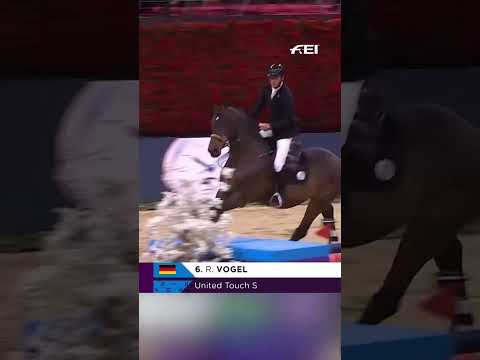
  • United Touch unbeatable in Basel
    Subscribe to our YouTube channel & hit the bell! http://go.fei.org/YouTube?d Exclusive videos on #FEItv: ...
    0 Commenti 0 condivisioni 152 Views
  • THEHORSE.COM
    EHM Case Confirmed in Pennsylvania
    One horse in Bucks County, Pennsylvania, has tested positive for equine herpesvirus myeloencephalopathy (EHM). Two additional horses are suspected to be positive, and 24 horses have been exposed.There is no known epidemiological connection between this EHM case and any other reported cases.EDCC Health Watch is an Equine Network marketing program that utilizes information from the Equine Disease Communication Center (EDCC) to create and disseminate verified equine disease reports. TheEDCCis an independent nonprofit organization that is supported by industry donations in order to provide open access to infectious disease information.EHV 101Herpesvirus is highly contagious among horses and can cause a variety of ailments in equids, including rhinopneumonitis (a respiratory disease usually found in young horses), abortion in broodmares, and EHM.In many horses, the first or only sign of EHV-1 infection is fever, which can go undetected.In addition to fever, other common signs of EHV-1 infection in young horses include cough, decreased appetite, depression, and a nasal discharge. Pregnant mares typically show no signs of infection before they abort, and abortions usually occur late in gestation (around eight months) but can be earlier. Abortions can occur anywhere from two weeks to several months following infection with EHV-1.Horses with EHM usually have a fever at the onset of the disease and might show signs of a respiratory infection. A few days later, neurologic signs such as ataxia (incoordination), weakness or paralysis of the fore- and hind limbs, urine retention and dribbling, loss of tail tone, and recumbency (inability to rise) develop.Herpesvirus is easily spread by nose-to-nose or close contact with an infectious horse; sharing contaminated equipment including bits, buckets, and towels; or clothing, hands, or equipment of people who have recently had contact with an infectious horse.Routine biosecurity measures, including hygiene and basic cleaning and disinfection practices, should be in place at all times to help prevent disease spread.Current EHV-1 vaccines might reduce viral shedding but are not protective against the neurologic form of the disease. Implementing routine biosecurity practices is the best way to minimize viral spread, and the best method of disease control is disease prevention.
    0 Commenti 0 condivisioni 168 Views
  • WWW.CHESTNUTMILL.CO.UK
    How to Stop a Horses Water Freezing: Simple Stable Tips That Work
    Frozen buckets are more than an annoying winter chore. If your horse drinks less because the water is icy (or unavailable), you can quickly end up with a horse that isnt properly hydrated.This guide shares simple, realistic stable tips to help stop water freezing plus what to watch for if you suspect your horse isnt drinking enough.Why winter hydration matters (even when its cold)Horses still need plenty of water in winter. In fact, winter management can increase the risk of dehydration because:Horses often drink less when water is very coldThey may be eating more dry forage (hay)Buckets and troughs can freeze, reducing accessDehydration can contribute to digestive problems. If youre worried about colic or your horse seems unwell, speak to your vet.Quick fixes to stop water freezingYou dont need fancy kit to make a big difference. Start with the easiest wins.Bucket placement and insulation hacksMove buckets away from doors and draughts: wind chill freezes water faster.Keep buckets off cold concrete: if possible, place on rubber matting or a raised stand.Use two buckets: one can be swapped quickly while the other is being refilled.Try a larger bucket/tub: more volume can take longer to freeze.Insulate where safe: some owners use insulating covers or place buckets inside a larger tub.If you use any DIY insulation, make sure it cant be chewed or pulled into the bucket.Refresh schedule (little-and-often)A simple routine often beats any gadget:Top up morning + late afternoon + late evening during cold snapsBreak ice and replace water rather than leaving slushy water your horse wont touchIf you can, offer slightly warmed water (not hot) to encourage drinkingHow much water should a horse drink in winter?Theres no single perfect number because it depends on size, diet, workload, and weather.A good rule is: know whats normal for your horse.If your horse is suddenly drinking noticeably less (or youre emptying far fewer buckets than usual), treat it as a signal to investigate.Signs your horse isnt drinking enoughWatch for:Drier, smaller droppings than usualReduced appetite or leaving forageDullness or seeming offLess urine / darker urineDrinking eagerly when fresh water is offeredIf youre concerned, dont wait call your vet.Supporting hydration: salt/mineral licks and soaked feeds (general)Hydration isnt just about water its also about encouraging normal drinking.Salt/mineral licks can support normal intake for many horses (placement matters)Some horses drink better when water is not ice-coldSoaked feeds (where appropriate) can add extra moisture to the dietAvoid making sudden changes. If youre unsure whats suitable for your horse, speak to a vet or equine nutritionist.Stable checklist for cold snapsWater available at all times (not frozen)Buckets positioned away from draughtsSpare bucket ready to swapSalt/mineral lick accessibleForage topped up (fibre helps keep horses warm)Quick check: droppings, appetite, behaviourFAQsHow do I stop my horses bucket freezing overnight?Move buckets away from draughts, use a larger bucket if possible, and refresh late evening. Some owners use insulated setups just keep everything safe and chew-proof.Do horses drink less in winter?Many do, especially if water is very cold or partially frozen.How can I encourage my horse to drink more?Offer fresh water more often, consider slightly warmed water, and make sure salt/minerals are available (if appropriate).Can dehydration cause colic?Dehydration can contribute to digestive issues. If youre concerned about colic risk, speak to your vet.Is warm water safe for horses?Slightly warmed water is commonly used in winter. Avoid hot water and introduce changes gradually.Should I add salt to my horses feed?Some horses benefit from added salt, but needs vary. If youre unsure, ask your vet or an equine nutritionist.How often should I change water in winter?During cold snaps, little-and-often works well refresh whenever it starts icing over.What if my horse refuses to drink?Treat it seriously. Offer fresh water, check for freezing issues, and contact your vet if intake stays low.Make winter hydration easierIf frozen water is a constant battle, focus on the basics: reliable water access, a simple refresh routine, and supportive stable setup.Horse salt & mineral licks: https://www.chestnutmill.co.uk/collections/new-horse-salt-mineral-licksFeeding equipment (buckets, tubs and more): https://www.chestnutmill.co.uk/collections/new-horse-feeding-equipment
    0 Commenti 0 condivisioni 346 Views
  • THEHORSE.COM
    West Virginia Horse Tests Positive for Strangles
    One horse at a private facility in Jefferson County, West Virginia, has tested positive for strangles. Ten horses have been exposed.EDCC Health Watch is an Equine Network marketing program that utilizes information from the Equine Disease Communication Center (EDCC) to create and disseminate verified equine disease reports. TheEDCCis an independent nonprofit organization that is supported by industry donations in order to provide open access to infectious disease information.About StranglesStranglesin horses is an infection caused byStreptococcus equisubspeciesequiand spread through direct contact with other equids or contaminated surfaces. Horses that arent showing clinical signs can harbor and spread the bacteria, and recovered horses remain contagious for at least six weeks, with the potential to cause outbreaks long-term.Infected horses can exhibit a variety of clinical signs:FeverSwollen and/or abscessed lymph nodesNasal dischargeCoughing or wheezingMuscle swellingDifficulty swallowingVeterinarians diagnose horses using polymerase chain reaction (PCR) testing with either a nasal swab, wash, or an abscess sample, and they treat most cases based on clinical signs, implementing antibiotics for severe cases. Overuse of antibiotics can prevent an infected horse from developing immunity. Most horses make a full recovery in three to four weeks.A vaccine is available but not always effective. Biosecurity measures of quarantining new horses at a facility and maintaining high standards of hygiene and disinfecting surfaces can helplower the risk of outbreakorcontain one when it occurs.
    0 Commenti 0 condivisioni 170 Views
  • Young Riders Academy, supported by Rolex Irish Nominations Now Open
    Horse Sport Ireland is now inviting applications from eligible Irish show jumping athletes seeking nomination to the Young Riders Academy, supported by Rolex, an internationally recognised programme designed to develop the next generation of elite riders through world-class training, education and mentorship.Closing date: 5pm, Monday 19 January 2026Applications will be reviewed and assessed by Jessica Krten, Senior Jumping Manager, and Denis Flannelly, Youth Jumping Manager (Ponies, Children on Horses, Juniors and Young Riders). Shortlisting may apply, and shortlisted athletes may be invited to an online interview with Jessica and Denis.Apply here:https://forms.horsesportireland.ie/260082169904054Final selection decisions rest with the Young Riders Academy.The post Young Riders Academy, supported by Rolex Irish Nominations Now Open appeared first on .
    0 Commenti 0 condivisioni 160 Views