0 Comentários
0 Compartilhamentos
266 Visualizações
Diretório
Conheça novas pessoas, crie conexões e faça novos amigos
-
Faça o login para curtir, compartilhar e comentar!
-
WWW.CHESTNUTMILL.CO.UKAutumn Hoof Care: Essential Tips for Healthy Horse Hooves in Late Summer and AutumnAs late summer gives way to autumn, caring for your horses hooves becomes even more important. Wetter weather, lush grass, and muddy paddocks can all increase the risk of common issues like mud fever and laminitis. With a few simple routines, you can help your horse transition safely into the new season and avoid costly problems.Why Late Summer and Autumn Pose Extra Hoof RisksDuring this seasonal change, the combination of heavy dew, sudden rain, and longer periods of damp create the perfect breeding ground for bacteria and fungal issues. Meanwhile, sugar content in grass can spike after rainfall and cooler nights, raising the risk of laminitisespecially for horses and ponies with metabolic sensitivities or those carrying extra weight.Mud Fever: Prevention and Early ActionWhat is mud fever?Mud fever (pastern dermatitis) is a skin infection affecting the lower legs, caused by bacteria that thrive in wet, muddy conditions. It often starts as small scabs or sores on the heels or pasterns and can quickly become painful.Prevention tips:Daily leg checks:Run your hands down each leg, checking for heat, swelling, or scabs.Keep legs clean and dry:Gently hose off mud after turnout and dry thoroughly.Barrier creams:Apply before turnout if your horse is prone to mud fever.Stable management:Provide a dry standing area or bring your horse in during the wettest parts of the day.Laminitis: Why Its Still a Risk in AutumnWhat is laminitis?Laminitis is a painful inflammation of the sensitive tissues inside the hoof. While often associated with spring, autumn flushes of grass can be just as risky.Watch for:Sudden weight gain or a cresty neckReluctance to walk, stiffness, or shifting weightWarm hooves or a strong digital pulsePrevention tips:Monitor grazing:Limit turnout on lush grass, especially after rain or frosty nights.Balanced diet:Use a low-sugar, high-fibre diet and consider a balancer or supplement for hoof support.Regular exercise:Keeps weight and metabolism in check.Daily Autumn Hoof Care RoutinePick out hooves after every turnoutAutumn mud and stones can pack tightly into hooves, increasing the risk of thrush and bruising. Picking out hooves daily helps spot problems early.Inspect for cracks, heat, or swellingEarly intervention is keylook for anything unusual and act quickly if you notice changes.Keep bedding clean and dryWet bedding can be just as damaging as muddy fields. Regular mucking out helps keep hooves healthy.Book regular farrier visitsEven if your horse isnt in full work, consistent trimming is essential to prevent overgrowth, flaring, and imbalance.Supporting Hoof Health from the InsideNutrition is the foundation of healthy hooves. If your horse is on restricted grazing or a forage-only diet, consider:A quality hoof supplement(look for biotin, methionine, zinc, and copper)A balancerto ensure all essential vitamins and minerals are coveredIf youre unsure which supplement is best, consult your vet or nutritionist.When to Call the Vet or FarrierSeek professional advice if you notice:Persistent lameness or reluctance to moveSudden swelling, heat, or deep cracksBleeding or foul-smelling dischargeSigns of severe laminitis (e.g., lying down, obvious pain)Explore Our Hoof Care RangeFor a full range of tried-and-trusted hoof care products, including supplements, creams, and tools, visit our Hoof Care Collection.0 Comentários 0 Compartilhamentos 589 Visualizações
-
THEHORSE.COMSaskatchewan Horse Tests Positive for EIAOn Aug. 8, the Canadian Food Inspection Agency (CFIA) confirmed that one horse in Meadow Lake No. 588, Saskatchewan, has tested positive for equine infectious anemia (EIA). The horse had been tested at the owners request to fulfill a facility biosecurity requirement. The attending veterinarian did not notice any clinical signs at the time of sampling.The affected horse and any exposed horses have been placed under quarantine. Initial reports indicate there are other equines on the affected premises.EDCC Health Watch is an Equine Network marketing program that utilizes information from the Equine Disease Communication Center (EDCC) to create and disseminate verified equine disease reports. TheEDCCis an independent nonprofit organization that is supported by industry donations in order to provide open access to infectious disease information.About EIAEquine infectious anemiais a viral disease that attacks horses immune systems. The virus is transmitted through the exchange of body fluids from an infected to an uninfected animal, often by blood-feeding insects such as horseflies. It can also be transmitted through the use of blood-contaminated instruments or needles.ACoggins test screens horses blood for antibodiesthat are indicative of the presence of the EIA virus. Most U.S. states require horses to have proof of a negative Coggins test to travel across state lines.Once an animal is infected with EIA, it is infected for life and can be a reservoir for the spread of disease. Not all horses show signs of disease,but those that do can exhibit:Progressive body condition loss;Muscle weakness;Poor stamina;Fever;Depression; andAnemia.EIA has no vaccine and no cure. A horse diagnosed with the disease dies, is euthanized, or must be placed under extremely strict quarantine conditions (at least 200 yards away from unaffected equids) for the rest of his life.0 Comentários 0 Compartilhamentos 266 Visualizações
-
THEHORSE.COMSolving the Equine Asthma RiddleA cough may not always just be a cough. It is important to consult your veterinarian if your horse has a consistent cough. | iStockEquine asthma affects a variety of horses, but with a correct diagnosis horses with asthma can be more easily managed. But what causes equine asthma and what is the best way to treat it? Respiratory issues are second to musculoskeletal complications in horses, says Julia B. Montgomery, Med Vet, PhD, Dipl. ACVIM (LAIM), associate professor in Large Animal Clinical Sciences at the University of Saskatchewans Western College of Veterinary Medicine.Every cough means something, she says. If your horse is occasionally coughing or a bit more sluggish, its important not to ignore it and consider pursuing further diagnostics. Over 70% of horses will have at least one asthma episode in their lifetime; however, not every horse with mild to moderate asthma at one time in their life will develop severe asthma, she adds.The Spectrum of Equine AsthmaEquine asthma includes a broad spectrum of respiratory diseases, explains Melissa Mazan, DVM, Dipl. ACVIM, professor and associate chair of the Department of Clinical Services at the Tufts University Cummings School of Veterinary Medicines Hospital for Large Animals in North Grafton, Massachusetts.In the horse world, we break it up into mild, moderate, and severe asthma, she explains. Severe asthma is what we used to call heaves or recurrent airway obstruction. Its detectable to a veterinarian externally when a horse is in crisis or has recurrent episodes of respiratory embarrassmentmeaning the horse is visibly struggling to breathe.Montgomery suggests the term equine asthma syndrome better differentiates between levels of asthma. Horses with severe asthma have clinical signs at rest, including respiratory difficulty or hypertrophy (enlargement) of abdominal muscles. Other signs include nostril flaring or severe exercise intolerance, she adds.Genetics, respiratory or bacterial infection, seasonal allergies, and environmental factors such as dust, pollen, other airborne particulates, or stall ventilation can offer clues that a horse has asthma, but what if clinical signs arent severe?RELATED CONTENT | Equine Asthma: Causes and ImpactsIn athletes such as racehorses with equine asthma, they might never cough, and have no signs of respiratory disease at rest, Mazan says. However, these horses might be 10th of a second, or even hundredths of a second slower than they used to run. While they wont cough at rest or have nasal discharge, after racing, they have a higher respiratory rate on recovery, which indicates equine asthma syndrome.In these athletes both the horse owner and veterinarian must consider even the slightest clinical signs. Even the most astute veterinarian or owner can miss signs of equine asthma, she adds, especially if the performance demands placed upon a horse are less intense.Viral and bacterial respiratory infections or variations in the horses lung microbiome (the microbial community living there) potentially play a role in equine asthma. Blood testing differentiates equine asthma from infectious respiratory diseases such as pneumonia but, in the absence of clinical signs and conclusive blood results, diagnosing equine asthma might require the veterinarian to dig deeper to find an answer.Advanced Diagnostics for Equine AsthmaUncovering the extent of equine asthma entails identifying the degree of airway inflammation using bronchoalveolar lavage. Montgomery describes the procedure as a lung wash because it coats airways and alveoli with sterile saline. Inserting a tube through a horses nostril, the veterinarian retrieves cell samples from deep inside the lung to pinpoint inflammatory cells.On an inflammatory cell level, there are some distinctions, Montgomery says. Different types of inflammatory cells might be involved or contribute to lung inflammation, which is a very active area of research. The assumption is if there are different types of inflammatory cells, there are probably different signals that ignite the inflammation.Factors that exacerbate equine asthma vary depending on geographical region and time of year. Still, they often involve elements in a horses environment, including moldy hay, dust, poor air quality, or pollen. Seasonal triggers such as pollen often irritate asthmatic horses.Many horses will have asthma exacerbations, worsening their clinical symptoms seasonally, says Montgomery. The assumption is that it has to do with environmental factors like air quality or pollen. We see asthma exacerbations in the spring when the snow melts and in late summer or early fall when there is more harvest activity and dust in the air.Treatments for Helping Horses Breathe BetterEquine asthma can be treated but not cured. Our sources say treatment using a bronchodilator restores a horses ability to breathebut only for a short time. Clenbuterol, an oral bronchodilator, relaxes and opens airways to provide relief within 30 minutes. However, veterinarians view bronchodilators as a rescue treatment.Corticosteroids relieve airway inflammation and can be administered orally, by injection, or as an inhalant. However, systemic corticosteroids can carry risks for horses with equine metabolic syndrome or PPID, so cautious use is advised, notes Montgomery.Medication isnt a silver bullet for tackling equine asthma. None of these treatments will help unless you improve the environment and remove the triggers, says Montgomery. This influences how quickly the horse responds to other treatments but, unfortunately, thats sometimes the hardest thing to do.Environmental triggers remain at the core of respiratory illnesses like equine asthma. Mitigating stimuli in a barn or environmentcontrolling dust, keeping areas ventilated, and using bedding like recycled paper instead of shavings, for exampleis helpful but not a permanent solution. Mazan adds that many barns are designed for people more than horses: The bottom line is that even the best-designed barns are poorly ventilated and have a lot of dust and endotoxins.Myth of the Clearing CoughA cough is not always just a cough, and the notion of the clearing cough is erroneous, Mazan says. A cough clears things like mucus and inflammation, she notes. The normal physiologic response of airways is too narrow to prevent harmful things from entering.Horse owners should invest in proper diagnostics for an accurate equine asthma diagnosis and then chart a course of treatment with their veterinarian. You will save yourself and your horse a lot of grief down the road, Montgomery says.0 Comentários 0 Compartilhamentos 248 Visualizações
-
WWW.YOURHORSE.CO.UKThe benefits of flatwork for every horse, whether you compete or notFlatwork is an essential part of every horses training and should be regularlyincluded in their exerciseroutine. Whether you compete in dressage or prefer to go jumping or love to hack, there are flatwork benefits for every horse and rider.Flatwork will give your horse orpony the foundations to help them bemore obedient, attentive, responsiveand flexible. This will undoubtedlymake your horse much more enjoyableto ride regardless of your ambitions,says List 2a dressage judge and trainerSharon Butterworth.We asked three pro riders about the benefits that flatwork has for every horse and rider, and this is what they said1 It helps your jumpingMany behavioural problems or jumpingissues are caused by insufficient basicflatwork training and can be rectified bybuilding regular schooling work intoyour horses exercise programme.Even the most basic dressageexercises will improve a horsesperformance over fences. Rememberthat 90% of a showjumping competitionis performed on the flat, says Sharon.2 Improves strength and fitnessSchooling your horse regularly allows youto work on their strengths and weaknessesand helps to avoid any imbalances, whichcan lead to stiffness, tension or injury.Ensure that your horse has plenty ofvariety in his workload and is not doingthe same thing every day.Schooling for 20 minutes three times aweek will have a big impact on your horse,and the more he cross-trains the better,advises Sam York FBHS.The more a horse stretches, bends,hacks and jumps, the fitter and more agilehe will be to cope with different terrain orto negotiate a gate. The more ridersincorporate a range of activities into theirexercise routine the healthier they are, andits the same with a horse.3 Teaches good habitsBe systematic with your training,continues Sam. Make sure you are ridingequally on both reins and repeat a simpletask until you have improved it and nexttime try something else.Italian event rider Vittoria Panizzon adds:I believe its important to do the basicsin the correct mode all the time,otherwise you are training the horse touse the wrong muscles and then tryingto retrain them when riding in an arena,which is confusing for the horse.4 Sense of achievementSetting mini goals gives a sense of achievement, even if you dont compete.Making a plan and having mini goals canbe a good way to approach your flatworksessions and helps to avoid riders feelinglost and overwhelmed by being in an arenaon their own.What might be a small goal for someoneelse could be a major goal for you, but itdoesnt matter, says Sharon.Write downyour goal for the month and then keep arecord of what you do after each session soyou can look back on it and see what youhave achieved.5 BondingYoull learn what suits your horse best. All horses are individual and some willperform better if they school for half anhour after a hack, while others will prefer afew days of schooling and then a few daysbreak.Try different approaches and findout what works for your horse it will tell you a lot about them and really help improve your bond.Getting to know your horse and how heis each day really helps you bond and learnabout each other, says international British showjumper Yazmin Pinchen.I enjoydoing flatwork with my horses becauseevery day we can be faced with a newchallenge and we overcome it together.Its very rewarding.6 Improves positionFlatwork is not onlybeneficial for horses, butalso essential for riders asit gives you time toconcentrate on yourposition in the saddle andwork on improving yourbalance, core stability,flexibility and fitness.When you are schooling,check that you are sittingstraight in the saddle, haveyour weight evenly in bothstirrups, and that your armsare relaxed and hands arein the right place, saysVittoria Panizzon.7 Develops a deeper seatRegularly riding without stirrupsis a great way to transform yourriding and develop a deeperseat.It doesnt have to be donewhen you are in the arena;slipping your feet out of thestirrups for a few minutes whenyou are hacking off road workswell too. Be sensible, though,and do this only when it is safeto do so.Taking your stirrups awaywill help your fitness and corestrength. Flatwork can be morephysically demanding thanjumping, so dont be surprisedif you wake up sore and stiff theday after a schooling session,advises Sam York.8 Hones your aidsWorking on the flat gives the rider a chance topractise their aids formovements such asleg-yield or shoulder-in.Flatwork hones how well you use the aids, and how well your horse listens to themIts also an opportunity todevelop the relationshipbetween horse and rider.Flatwork is the essenceof communication and iskey for a good relationshipbetween horse and rider,agrees Sam York.The moretime you spend schoolingthe better you will get toknow your horse andbecome aware of theirstrengths and weaknesses.Set up your phone to videoyou so you can watchyourself back and becomemore self-aware.The post The benefits of flatwork for every horse, whether you compete or not appeared first on Your Horse.0 Comentários 0 Compartilhamentos 232 Visualizações
-
WWW.YOURHORSE.CO.UKScientists insert wireless capsules into horses stomachs to monitor gastric ulcer riskResearchers in Australia have come up with a way for vets to monitor pH in the stomach of horses who are prone to gastric ulcers, one of the leading causes of claims on horse health insurance policies, without the need for scoping and other invasive procedures.They inserted a wireless, pH-testing capsuleinto the stomach of 11 horses and then attached it using hemostasis clips. The capsule was used to obtain continuous wireless pH readings in each horse and more than half remained attached for more than 24hours.Currently vets use a 3m long, narrow and flexible video gastroscope camera to diagnose gastric ulcers in a process commonly known as scoping. The camera is passed up a sedated horses nose and into their stomach via the oesophagus.If ulcers are seen, diagnosis is made and a treatment plan is arranged.But the Australian vets wanted to find out if they could continuously monitor gastric pH to improve research into ulcers and they adapted a technique currently used in human ulcer patients.Eleven healthy adult mares (four Standardbreds and seven Australian Stock Horses) from the University of Queensland Equine Unit, aged 5-26years and weighing 421-515kg, were enrolled in a prospective pilot study.The capsule is shownNovel techniqueUnder sedation a wireless, pH-testing capsulewas inserted down the horses throat and into the stomach then attached to the squamous and glandular gastric mucosa using hemostasis clips.This was used to obtain continuous wireless pH readings in the horse and more than half remained attached for more than 24hours.Lead scientist Stephanie Bond said: This novel technique enabled the continuous wireless measurement of intragastric pH at known locations in the equine stomach under fed and fasted conditions, offering a valuable alternative model for pharmacodynamic [drug testing] studies and potential for clinical use.It has clear advantages compared to nasogastric pH probes and to invasive interventions such as indwelling percutaneous gastrotomy tubes or gastric cannulation.The capsule is attached to the glandular mucosa with hemostasis clipsCommon diseaseEquine gastric ulcer syndrome is the most common disease of the equine stomach, affecting as many as one in three horses.Studies have reported that 37% of leisure horses, 63% of performance horses, 93% of racehorses, 67% of broodmares and nearly 50% of foals are affected by equine gastric ulcer syndrome (EGUS).Horses secrete gastric acid continuously, whether or not they are eating, and gastric ulcers occur when this gastric juice overpowers the stomach linings protective factors, causing lesions in the squamous (upper) or glandular (lower) regions of the horses stomach.Ulcers may develop when horses have prolonged periods without food that would neutralise the acid. Those with diets high in concentrates are also high risk.Read the full study hereMain image Shutterstock. Insets Hodgson et alRelated contentWhy the time you ride and feed affects the risk of gastric ulcersGastric ulcers is the most common cause of horse insurance claims, says brokerDiet advice for a horse with gastric ulcers *Promotion*Why saliva is key to preventing gastric ulcers in your horseThe post Scientists insert wireless capsules into horses stomachs to monitor gastric ulcer risk appeared first on Your Horse.0 Comentários 0 Compartilhamentos 272 Visualizações
-
WWW.YOURHORSE.CO.UKLocals step in with 30k loan to save site of horse rescue charityLocal people have stepped in with an interest-free loan of nearly 30,000 to save the site of a Nottinghamshire horse rescue charity from the bulldozers.The community stepped in after Brinsley Animal Rescue learned that the five acres of land it rented was to be sold at auction and were concerned that this would lead to them losing the field to development.Jon Beresford of the charity said: We were informed that land we rented for our rescue animals was being sold by auction with a very short deadline.In a short space of time, we put a plan into action and to our surprise, we were successful in our bid and soon the land will legally be owned by the charity.We needed funds and quickly, and in just a few days we have secured nearly 30,000 in interest-free loans from our amazing local community of Brinsley. In addition, we have dipped deep into our reserves to fund this purchase.Financial implicationsMr Bereford said the financial impact of the purchase would have implications for the sanctuary, so they have now launched a fundraiser to raise money to pay back their loans and top up the charitys funds again.A group of horse-loving neighbours have saved a field from being developed so that it can continue to be used by rescued animals, he said. Now we need to raise in total 75,000 the costs of buying the land, sales costs and legal fees.So far, the fundraiser has raised nearly 4,000 in just a week.A meeting of the localsThe field at Brinsley Animal Rescue is home to horses Rosie and Dillwin. Neighbour Alison Kirk came up with the idea of helping the charity fund the purchase because she enjoys watching the two horses from her home.She called a meeting of the locals and they hatched the plan to loan the charity the money to buy the land.She told BBC Nottingham: Theyre wonderful horses. The older one is called Rosie. Shes quite feisty but shes quite old, I think. Shes a lovely character.Dillwin is a retired racehorse and I think he didnt win a lot of races, so he couldnt make a lot of money for people, so he was rescued before the inevitable happened. Hes lovely, hes very gentle.The heart-warming thing was that people were genuinely wanting to help and encourage and support.Donate to the fundraiser hereMore from Your HorseEx-racehorses shouldnt carry more than 17% of their bodyweight, says RoREmpty horse feed bags used for artwork at Essex primary SchoolEquine charity forced to cancel open day due to outbreak of Strep ZooMPs support campaign for better protection for horses from loose dogsThe post Locals step in with 30k loan to save site of horse rescue charity appeared first on Your Horse.0 Comentários 0 Compartilhamentos 320 Visualizações
-
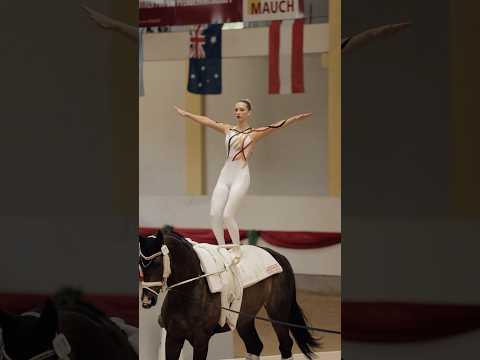
When team work makes the dream work0 Comentários 0 Compartilhamentos 256 Visualizações -
Foal Championships & Loose Jumping: Leg 2Leg 2: Kernans 21st August 2025Foal Championships StartlistLoose Jumping StartlistClick here to apply for another legThe post Foal Championships & Loose Jumping: Leg 2 appeared first on Horse Sport Ireland.0 Comentários 0 Compartilhamentos 238 Visualizações
-
WWW.JUSTHORSERIDERS.CO.UKCrafting the Perfect Indoor Riding Arena Surface: Your Ultimate Guide to Safety, Performance, and MaintenanceSection Description The Importance of the Base Layer Foundational layer with compacted crushed stone/limestone for stability and drainage Choosing the Right Footing Material Use specific sand types suitable for activities like jumping; combine with additives for shock absorption Waxed vs Non-Waxed Surfaces Wax reduces dust/costs more, non-waxed is cheaper but needs more maintenance Key Maintenance Practices Regular activities like harrowing and watering to maintain surface quality Matching Surface with Riding Disciplines Natural preference of surface type based on specific riding activities Factoring in Climate Conditions Impact of climate on surface choice; wetter areas need good drainage, arid areas may choose waxed surfaces Budget and Maintenance Balance Consideration of initial costs vs long-term savings and horse health implications Prioritizing Horse and Rider Safety Focus on minimizing joint concussion and enhancing safety Real-World Case Studies Examples of Olympic arenas using sand and polymers for durability and safety Conclusion and Final Recommendations Blend of stone base, selected footing materials, regular maintenance; consult specialists for guidance The Ultimate Guide to Indoor Riding Arena Surfaces When it comes to indoor riding arenas, the surface is crucial for both horse and rider safety and performance. The best indoor arena footing provides traction, shock absorption, stability, low dust, and consistent performance. This article unpacks the ideal combination of materials and considerations for crafting the perfect indoor arena. 1. The Importance of the Base Layer The foundation of any stellar indoor riding arena is a well-constructed base layer. Experts often recommend a compacted crushed stone or limestone base about 3-4 inches deep. This ensures a firm, level foundation with excellent drainage, crucial for preventing footing from mixing with soil below[2][5]. Why Opt for Crushed Stone Bases? Though some rely on native clay soil if compact and stable, crushed stone bases are generally preferred for longevity and firmness. They prevent mixing that can degrade the footing[5]. Its akin to a jigsaw puzzlewithout a solid backing, the pieces, or in this case, the topping material, just won't fit snugly! 2. Choosing the Right Footing Material At the heart of a good arena is the footing material. The most common is sand, and not just any sand, but the specific type best suited for the arenas needs: Grain sizes between 0.2-1.2mm depending on discipline. A mix of medium to coarse and angular grains for stability and grip. For high-impact activities like jumping, sand combined with geotextile fibers, wax coatings, or engineered polymers offers optimal spring-back and shock absorption[3]. The Magic of Synthetic Additives For disciplines demanding increased slide, such as reining, a firmer base with light sand and clay blending works wonders. These blends provide the slight slide needed for specific movements[3]. 3. Waxed vs Non-Waxed Surfaces The debate between waxed and non-waxed surfaces is heated among equestrians. Wax coatings enhance cohesion, reduce dust, and extend the surface's life, albeit at a higher upfront cost. On the other hand, non-waxed surfaces are cost-effective but demand more frequent maintenance, making them ideal for wetter climates[1]. 4. Key Maintenance Practices Regardless of the material choice, regular maintenance is imperative to sustaining a quality surface. Activities like harrowing and watering help maintain the texture and reduce dust buildup. Think of it like grooming your horseneglect it, and itll show! Impact of Material Choice on Maintenance The selected footing material directly influences dust control, compaction, and horse safety. With proper care, you not only ensure a pleasing riding experience but also extend the life of the arena. [4] 5. Matching Surface with Riding Disciplines Each riding discipline has unique requirements for arena surfaces: Jumping and dressage benefit from surfaces with more bounce and shock absorption. Reining thrives with a slight slide, as provided by clay additives. Tailoring the arena surface to the discipline enhances performance and longevity. 6. Factoring in Climate Conditions Climate plays a pivotal role in selecting the best arena surface. Wetter regions tend to benefit from highly-draining mixes if choosing non-waxed surfaces, whereas arid areas might prefer waxed materials for their dust reduction properties and cohesiveness. 7. Budget and Maintenance Balance Balancing budget against the quality of footing is often a tightrope. Although high-quality engineered surfaces cost more initially, they substantially reduce long-term maintenance, saving money and ensuring horse health. Remember, investing wisely ensures fewer vet bills in the future. 8. Prioritizing Horse and Rider Safety At the end of the day, the aim is to minimize concussion on horses' legs and joints. Proper cushioning significantly reduces injury risks, fostering a safer arena environment for riders as well. Safety, after all, is paramount! 9. Real-World Case Studies Real-world examples confirm these practices' effectiveness. For instance, several Olympic-level arenas use a mix of sand and polymers, touting enhanced durability and safety. These insights offer valuable lessons for any arena construction project. 10. Conclusion and Final Recommendations In summary, a successful indoor riding arena blends a well-compacted crushed stone base with precisely selected footing materials per discipline. Regular maintenance coupled with cutting-edge technology ensures maximal performance and enjoyment. Not sure what to choose? Specialists from sources like Equestrian Surfaces UK and Performance Footing, provide extensive guidance tailored to your specific needs. By prioritizing the right materials and maintaining your arena diligently, you optimize not just horse health and rider confidence, but also the longevity of your indoor riding environment. 11. Exploring Additional Equestrian Equipment and Supplements In addition to your arena, explore our collections to enhance your riding experience. Consider our Jodhpur and Boot Collections, or keep your hands warm with our Horse Riding Gloves. Treat your horse too with our Horse Treats And Gifts. No matter your discipline or climate, with the right surface and gear from Just Horse Riders, you're set for a top-notch riding experience.0 Comentários 0 Compartilhamentos 240 Visualizações