• WWW.JUSTHORSERIDERS.CO.UK
    The Emotional Journey Of Buying The Perfect Horse: Patience, Trust, And Connection
    Section Key Points Finding the Perfect Horse Emotional journey; Requires patience, faith, and connection; Different goals (companionship, competition, breeding). The Search Begins Set realistic expectations; Clarify goals; Time-consuming process to find "the one." The Power of Research and Patience Research breeds, temperaments, conformation; Be informed for smart decisions; Avoid rushing the purchasing process. Evaluating Health and History Request health and veterinary records; Pre-purchase vet exams; Understand medical history thoroughly. The Value of Data and Performance Use data like pedigree, race results for better buying decisions; Compare performance through data. Avoiding Common Pitfalls Beware of "too good to be true" prices; Compare prices regionally; Don't disclose budget early. The Emotional Journey Unique connections may occur; A horse may exceed expectations in non-traditional ways. Real Stories of Connection Unexpected connections with horses; Example of Dakota, an Appaloosa gelding. Putting It All Together Balance patience, faith, and connection; Use expert advice and data; Seek a horse that matches lifestyle. Enhancing Your Horse Riding Experience Equip with quality gear like Jodhpurs, Boots, Gloves, and Socks for a better experience. Finding the Perfect Horse: A Story of Patience, Faith, and ConnectionChoosing the right horse is much more than a transactionit's an emotional journey that tests your patience, your instincts, and ultimately, your willingness to connect. Whether you're looking for a trusty trail companion, a competitive show partner, or a breeding prospect, the process is often filled with anticipation, learning, and sometimes, a leap of faith. In this blog, we'll share the real story of how finding the perfect horse unfolds, blending practical advice with heartfelt experience.The Search Begins: Setting Realistic ExpectationsEmbarking on your horse-buying journey means confronting a world of choices, breeds, and personalities. Start by asking yourself what you want from your horse: companionship, competition, breeding, or simply the joy of riding. Clarifying your goals helps narrow the search and ensures you're looking in the right places. Be preparedfinding the ideal horse can take time. Many experienced horse owners report spending months or even years searching before they find the one. This extended timeline isn't unusual, especially if you're seeking a horse with specific traits or talents.The Power of Research and PatienceBefore you even look at your first horse, research is essential. Study different breeds, temperaments, and conformation that suit your needs. Talk to trainers and brokers, visit auctions and sale barns, and consider both private sellers and public sales. Being informed gives you the confidence to make smart decisions and ask the right questions.Avoiding Hasty DecisionsTake your time. Rushing the purchasing process can lead to costly mistakes or mismatches. By visiting multiple horses and riding a few, you'll get a feel for what you like and what you don't. Listening to expert advice and observing horses in different settings can also guide your decision.Evaluating Health and HistoryA horses health is crucial as its personality or performance potential. Always request complete health and veterinary records before making a purchase. Equestrian supplements can play a role in maintaining a horse's health, but knowing what care has been given is vital. Pre-purchase veterinary exams are standard, but remember, not every issue can be detected by routine diagnostics. Ask your vet to talk directly to the horse's previous owner or barn staff for additional context.Understanding Veterinary RecordsIf the veterinary records only show routine vaccinations and no other treatments, consider asking for more details. Most mature horses will have had some medical care at some point. Engage with your vet to form a clear picture of the horse's medical history.The Value of Data and Performance IndicatorsIn recent years, data-driven horse buying has become more accessible. For racehorses, performance data such as pedigree, race results, and even timed breezes at sales can offer a clearer picture of a horse's potential. Breeze-Up sales, where 2-year-old horses are seen in action at the track, allow buyers to compare run times and observe character and movement firsthand.Using Performance Data WiselyComparing a horses breeze times to those of other horses of the same age and training level gives buyers a much more precise idea of performance potential before making a purchase. Leveraging this data can be the difference between a good and great buy.Avoiding Common PitfallsBeware of prices that seem too good to be true. While a bargain might be genuine, it can also signal underlying health or behavioral issues. Similarly, prices that are much higher than market norms may include extra commissions or inflated expectations. Always compare prices within your region and for the type of horse you're interested in.Being Financially SavvyDon't share your budget with sellers right awaylet the horses value guide your offer, not your perceived ability to pay. This strategy helps in negotiation and assessing the true worth of the horse.The Emotional Journey: Faith and ConnectionSometimes, the perfect horse isn't the one you initially pictured. Many buyers find themselves drawn to a horse they never expectedsimply because of a unique connection or a feeling of trust. As one experienced buyer recounts, after thousands of miles traveled and hundreds of horses met, the right horse stood out not for his looks, but for his gentle nature, easy-going attitude, and willingness to work.Real Stories of ConnectionI met Dakota, a tall Appaloosa gelding. He was not the horse I envisioned when I started my search. Even so, I thought he was right for me. The advertisement that caught my eye said he was quiet, could be ridden alone or in a group, and was easy to shoe and easy to load. In short, he was one of those special horses that do not come along very often.Putting It All TogetherFinding the perfect horse is a blend of: Patience: Take your time, do your research, and don't settle for the first option. Faith: Trust your instincts and be open to a connection that might surprise you. Connection: Look for a horse that matches not just your needs, but your personality and lifestyle.By following these principles and leveraging expert advice and data, you increase your chances of finding a true partnerone that will bring joy, trust, and adventure to your life for years to come.Enhancing Your Horse Riding ExperienceWhile the search for the perfect horse is significant, equipping yourself with quality gear is equally important. Explore our Jodhpur Collection, Horse Riding Boot Collection, and our Horse Riding Gloves Collection to enhance your riding experience. Don't forget the Horse Riding Socks Collection to ensure comfort during long rides.```html```
    0 Commentaires 0 Parts 315 Vue
  • WWW.JUSTHORSERIDERS.CO.UK
    Essential Tips for Ensuring Horse Safety and Comfort During Nighttime Care
    Aspect Best Practices Secure Environment Maintain secure fencing and gates Implement additional security like electric or double fencing Provide shelter availability for protection from weather Optimize Sleeping Conditions Provide a stall of at least 12 x 12 feet with suitable bedding Minimize disturbances and control light pollution Understand Horse Behavior Recognize herd dynamics and social needs Monitor signs of stress or discomfort Manage Nighttime Activities Use familiar routes for nighttime riding or turnout Equip horses with reflective gear for visibility Check weather conditions for safety Health Checks & Hygiene Clean stalls and monitor bedding Observe eating and drinking patterns Managing Horse Care at Night: Best Practices for Equine Safety and ComfortCaring for horses at night is an integral aspect of equine management, requiring a blend of understanding, experience, and diligence. Horses have unique sleep patterns and instinctual behaviors that inform how they need to be cared for after the sun goes down. In this article, we'll explore essential strategies to ensure your horse's safety and well-being at night, from secure environments to tailored health checks.Ensure a Safe and Secure EnvironmentSecure Fencing and PasturesFor many horse owners, nighttime turnout offers numerous benefits, particularly during warmer weather. However, with the cover of darkness comes the increased risk of injury or escapesecure fencing serves as the first line of defense. Maintaining strong gates and implementing additional security measures, such as electric or double fencing, can substantially decrease risks, particularly near road-facing pastures.Shelter AvailabilityWeather is often unpredictable, necessitating access to a shelter where horses can retreat from rain or harsh winds. A suitably maintained run-in shed or stable offers essential refuge, contributing to both comfort and safety (source). Integrating shelter into pasture planning ensures your horse is well protected, regardless of the weather.Optimize Sleeping ConditionsProvide a Safe Stall or Sheltered Resting PlaceA comfortable sleeping environment is vital for a horse to achieve much-needed REM sleep. Horses need a stall where they can lie down freelya space of at least 12 x 12 feet with deep straw or a similar bedding to cushion their bodies from pressure injuries (source). This setup encourages a restful night, supporting their overall well-being.Minimize Disturbances and Light PollutionArtificial lighting can wreak havoc with a horse's natural sleep patterns. Consider using lighting solutions that limit disturbances, such as motion-activated or strategically-placed dim lights that wont shine directly into stalls. Tuning lights off after completing evening chores can help maintain your horse's biological clock.Consider Horse Behavior and Social NeedsUnderstand Herd DynamicsHorses are inherently social and derive comfort from the presence of a familiar herd. This behavior significantly influences how horses rest overnight. Most equines will take turns keeping watch while others sleep, an evolutionary trait that can enhance well-being when in the company of trusted companions (source).Monitor Signs of Stress or DiscomfortKeen observation is crucial, especially for horses newly introduced to nighttime turnout. Watching for signs of anxiety or restlessness can preemptively address issues that might otherwise disrupt their rest or pose a risk to health. Initial signs may include pacing or whinnyingcommon indicators of discomfort.Manage Nighttime Activities ThoughtfullyPlan Familiar Routes for Night Riding or TurnoutFor equestrians engaging in nighttime rides or turnouts, consistency is essential. Use familiar paths or paddocks to minimize unexpected encounters and navigate terrain more safely. Acquainting your horse with the area may prevent accidents and streamline your routine.Equip for Visibility and SafetyProper preparation makes all the difference! Equip both you and your horse with reflective gear, such as tack and headlamps, to enhance visibility. Ensuring that your horse wears the appropriate protective boots will help guard against potential hazards during nightly activities.Check Weather ConditionsWeather plays a pivotal role in planning safe nighttime activities. Avoid areas prone to becoming slippery from dew or rain, as this increases the risk of injury. Always ensure your horse is adequately clad with turnout rugs to shield them from unexpected cold spells.Maintain Routine Health Checks and Stable HygieneClean Stalls and Monitor BeddingMucking and refreshing bedding before nightfall not only keeps the stall clean but also removes potential irritants that could disrupt a horses ability to rest comfortably. This practice can minimize the risks of respiratory irritants, infections, or skin conditions, supporting your horse's long-term health.Observe Eating and Drinking PatternsAt night, horses may follow different eating and drinking routines. Ensuring clean and accessible water sources are crucial alongside careful monitoring of feed intakekey strategies in averting digestive problems. Be mindful of their consumption habits and adjust as required.ConclusionThe foundation of effective nighttime horse care is establishing a routine that combines security, comfort, and attentiveness. By focusing on crucial elements like secure fencing, optimal sleeping arrangements, and attentive observation, horse owners can enhance their equines nighttime experience and overall well-being. For more resources and equestrian equipment, visit Just Horse Riders.Call to action: Explore our collections for all your nighttime riding essentials, from equine supplements to riding socks, ensuring your horse's health and comfort round the clock.```html```
    0 Commentaires 0 Parts 333 Vue
  • LIVE Young Riders Team Competition (2nd Part) - FEI Dressage European Championship Young Riders
    Enjoy now the Young Riders Team Competition part of the FEI Dressage European Championship Young Riders 2025 in ...
    0 Commentaires 0 Parts 330 Vue
  • KNOCKAGHVIEWEC.COM
    Healy's Haylage Accumulator week 1
    Healy's Haylage Accumulator week 1
    0 Commentaires 0 Parts 922 Vue
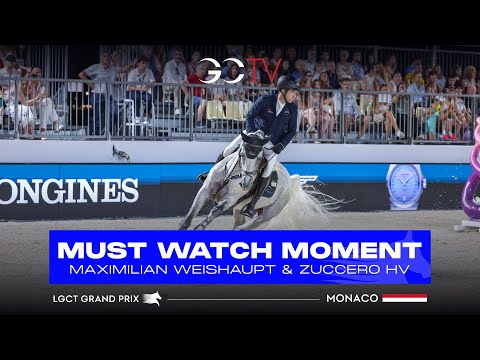
  • Must Watch Moment - Maximilian Weishaupt & Zuccero HV - LGCT Monaco 2025
    Catch up on all LGCT events and access exclusive content on GCTV - https://gctv.gcglobalchampions.com Keep up to date with ...
    0 Commentaires 0 Parts 349 Vue
  • WWW.HORSEILLUSTRATED.COM
    An Overview of Working Equitation
    Table of ContentsToggleWhat is Working Equitation?The Three TrialsDressageEase of HandlingSpeedThe Ideal Horse for Working EquitationWho Can Ride It?Ready to Try Working Equitation?Many equestrian sports trace their origins to horses practical uses. The need for fast horses as transportation led to racing. Ranch work begat rodeo. The multipurpose training of cavalry mounts led to eventing. More recently, the diverse traditional duties of several old European breeds have given rise to a discipline thats garnering a lot of interest. Its called working equitation (WE)and if you think you and your horse would enjoy doing a bit of dressage, jumping, obstacle navigation, and maybe even cattle work all at one show, then read on, because this sport might be for you!What is Working Equitation?WE was developed in Europe in the mid-1990s as a fun pastime as well as a means of preserving the equestrian traditions in Spain, Portugal, Italy, and France, where Iberian horses and other breeds served as hardy, nimble, brave mounts to work cattle. The horses ability to collect also made them natural choices for classical dressage.I describe [WE] as dressage with obstacles, or a trail course with dressage, says Taylor Lindsten, of Taylor Made Sport Horses in Scottsdale, Ariz. Primarily a dressage trainer, Lindsten is a newer WE enthusiastand her success proves that some horses can excel in both sports: A current mount, the Georgian Grande stallion Wallace G, not only notches wins in WE, but also competes at the FEI levels in dressage, earning the Intermediate I Open championship title at the 2023 U.S. Dressage Finals.As Lindsten explains, WE consists of three trials: dressage, ease of handling, and speed, typically ridden all in one day. An optional fourth element, the cattle trial, is mandatory in more advanced competition, and entails working with other horse/rider combinations as a team to cut a designated cow from the herd and move it to a holding pen.A cattle trial is required in more advanced competition, as Taylor Lindsten and Wallace G show here. Photo by Steed & Hound PhotographyThe Three TrialsDressageModeled after the U.S. Equestrian/U.S. Dressage Federations tests and competition structure, WE dressage is ridden in a small dressage arena measuring 2040 meters, the size often used for dressage tests in lower-level eventing (regulation size for dressage and upper-level eventing dressage tests is 2060 meters). The seven tests range in difficulty from Introductory (walk, trot, halt, and rein-back) to Masters (a test executed to music that includes canter work, pirouettes, extended gaits, and flying lead changesall ridden one-handed!). Tests are judged using the established 0-10 scale of marks.Ease of HandlingHorse and rider navigate an obstacle course that combines elements of several disciplines, including crossing a bridge, opening and closing a gate, hopping over a small jump, sidepassing over a pole, bending around poles or barrels, reining back through an L, and others. Elements and required gaits increase in number and difficulty through the levels, and judges want to see competitors negotiate the obstacles in a stylish and organized way, Lindsten says.Ease of Handling may include a small bridge, opening and closing a gate, backing in an L, sidepassing over a pole, and more. Photo by Steed & Hound PhotographySpeedThe clock is the only thing that matters on this final obstacle course. Like jumping faults, riders are penalized for such errors as going off course, refusals, or even switching the hand used to handle an obstacle. In a nod to the sports origins, WE obstacle courses require riders to spear a ring with a long poleshades of the garrocha that vaqueros use to maneuver cattle.In a nod to the sports origins, WE obstacle courses require riders to spear a ring with a long poleshades of the garrocha that vaqueros use to maneuver cattle. Photo courtesy Emily KempThe Ideal Horse for Working EquitationDressage basics underlie WE, but the sport develops a horse that is extremely versatile, says USA Working Equitation (USAWE) Professional Instructor, technical delegate, and L judge Emily Kemp, who operates Kemp Horsemanship in Newton, Wisc.A smaller, handier mount may have an advantage given the speed and agility requirementsKemp successfully showed a 14.2-hand Haflinger, which she calls an ideal sizebut all breeds are welcome. Even gaited horses may participate, substituting their gait for the trot. But a dressage background remains a competitive advantage because balance is huge, she says.The reverse may also hold true: As Lindsten discovered, WE can actually be a boon to dressage training. While teaching Wallace G the flying changes a few years ago, she found that he had a lot more interest in his work when we were working with the obstacles.She rode turns around barrels and poles to help teach him to bend and yield to her leg aids, and the obstacles provided a purpose in what I was asking him to do, and a purpose for the lead changes.Who Can Ride It?In WE, rider backgrounds are similarly varied. Kemps wheelhouses are natural horsemanship, cutting, and reining.Competitors may show in any disciplines tack and apparel: Kemp goes western, while Lindsten enters at A in full dressage garb. (Just dont mix and match, Lindsten says; ride in the apparel that your tack denotes.)English or western riders can compete, as long as your apparel matches your tack of choice. Shown is Ease of Handling phase, which can include a small jump. Photo courtesy Emily KempRiders with physical disabilities may apply for dispensations to compete using adaptive equipment or allowances, as well.Kemp says that most U.S. WE enthusiasts are adults, but USAWE is trying to grow youth participation by reaching out to Pony Club members and other youth-oriented groups. Currently especially popular in California and the Pacific Northwest, the sport is working to expand nationwide, she says.Ambitious competitors may strive to reach the sports international levels. The World Association of Working Equitation (wawe-workingequitation.com), the sports international federation, holds a World Championships every four years. The U.S. hopes to send a team in 2026and Lindsten, for one, hopes to be on it.Ready to Try Working Equitation?Want to learn more about WE? Both Lindsten and Kemp recommend starting out by watching shows or clinics in your area. Find a calendar of events, rules, dressage tests, and a directory of instructors and officials on the USAWEs website (usawe.org).Kemp enthuses about the great show environment at WE competitions. Besides the friendly people, WE has a way of leveling the playing field. You just keep competing until its done. The variety of skills required takes out that super-competitive edge found in some singular disciplines, Kemp adds, and the WE arena is one in which all breeds can compete as equals.This article about working equitation appeared in the July 2024 issue of Horse Illustratedmagazine.Click here to subscribe!The post An Overview of Working Equitation appeared first on Horse Illustrated Magazine.
    0 Commentaires 0 Parts 368 Vue
  • Live Studio - Post-Studio Round 2 - GCL Monaco 2025
    Keep up to date with GCL by following our social media: Instagram: @GCL_official Facebook: @OfficialGCL Twitter: ...
    0 Commentaires 0 Parts 388 Vue
  • Every Champion Starts Here. | FEI European Championships 2025
    Every Champion Starts Here. Where our bond transcends borders. Where we are #UnitedByEquestrian Don't miss a ...
    0 Commentaires 0 Parts 349 Vue
  • Denis Lynch called up for European Championship
    Ireland has made a change in personnel for the FEI Jumping European Championship, with Denis Lynch replacing Cian OConnor in La Coruna, Spain.The Tipperary man has been drafted into the squad with his 12-year-old stallion Vistogrand to replace OConnor for the championship that begins on July 16th.Lynch and Vistogrand have been a regular combination in the Irish senior setup over the past couple of seasons, and were part of Irelands winning team at the Longines League of Nations in Abu Dhabi, UAE, earlier this year.Lynch said: Im excited to be called up for the European Championship and I thank Michael Blake for giving me the opportunity to link up with the squad in La Coruna.To represent your country at a major championship like this is up there with the highest honour and we will be going there to do everything we can to try help the team win a gold medal.The Irish show jumping team for the FEI Jumping European Championship, in alphabetical order, is as follows:Bertram Allen with Qonquest De Rigo, owned by Ballywalter StablesDaniel Coyle with Legacy, owned by Ariel GrangeSeamus Hughes Kennedy with ESI Rocky (ISH), owned by Clare HughesDarragh Kenny with Eddy Blue, owned by Carol SollakDenis Lynch with Vistogrand, owned by Tipperarys FinestBREEDING:ESI Rocky (ISH) 2015 gelding by Stakkato Gold (HANN) out of Clonaslea (BWP) by For Pleasure (HANN) Breeder: Ennisnag Stud owned by Clare Hughes ridden by Seamus Hughes-Kennedy.The post Denis Lynch called up for European Championship appeared first on Horse Sport Ireland.
    0 Commentaires 0 Parts 382 Vue
  • WWW.HORSESPORTIRELAND.IE
    Incredible Ireland win Junior jumping team gold at European Championships
    Irelands Juniors are European champions after a stunning display at the FEI Jumping European Championships in Riesenbeck this afternoon.Denis Flannellys team of Alice Wachman, Tabitha Kyle, Paddy Reape, Jack Kent and Emily Moloney closed out the competition in style at the German venue, taking the gold medal on a final score of 6.99.Ireland proved much too strong for Europes best after three fantastic days of jumping. The team were well placed in fifth position of 22 competing nations after Tuesdays first round.A dominant display yesterday (Wednesday) saw them shoot into a clear lead, and this afternoon was mostly about consolidation as the chasing pack attempted to apply pressure.First to jump was Reape and Mr Rocky Blue, bred in Co. Down by George McCullogh, and they were unfortunate at the wall for four faults. Reape kept his composure under pressure, however, and came home with just that blemish which would keep Ireland in the lead regardless.Next into the arena was Kyle and BP Goodfellas, owned and bred by Ballypatrick, and they did what they have done all week, delivering a flawless round of jumping. It meant that a clear round from Wachman would secure the gold medal for Ireland, with closest pursuers The Netherlands more than a fence behind.Cool as ice, Wachman and Killarney were foot perfect, delivering the all-important clear round to bring home the first gold medal of the week and spark jubilant scenes.Moloney, Irelands anchor, was stress free from a team perspective with gold already in the bag, but she is still very much in contention for individual honours with Temple Alice, bred by Susan McDonald. She put the seal on the victory and kept herself in the silver medal position with yet another clear round.The Netherlands finished in second place on a score of 12.79, with Belgium finishing third on 20.60.Flannelly said: Im absolutely thrilled with the performances of these athletes and their horses this week and delighted that they have won gold. Its not just them Im proud of, though. Im so proud of their coaches, their team around them both here and at home, and the families who support them in every respect on this journey to help them achieve this today.Every one of them has jumped their heart out all week and to bring home a gold medal is testament to work put in by these riders, as well as all of the riders who have jumped on Nations Cups this year and helped push us all to the highest level.Weve had a huge amount of athletes compete for Ireland in 2025, from Sentower, to Compiegne, Zuiwolde and our last Nations Cup show in Hagen. Many of the athletes who competed at those shows will hopefully be the backbone of future teams going forward.I must also thank Liz Brennan for all her hard work in her role as support to me and support to the athletes and their families. I always felt that a selection panel was beneficial to our teams, and Id like to thanks Denis Lynch for his assistance with team selection and Sally Anne Tobin who chairs the selection committee.Thanks also to the team in Horse Sport Ireland who have given me endless support since my appointment too, and our vet here in Riesenbeck, Seamus McSorley from EquiVet, who has ensured that our horses have been feeling their very best here.Of course, also a huge thanks to our incredible sponsors.We cant do this without all of their support and we are very grateful. And also to Cian and Ruth OConnor for facilitating training days in their base at Karlswood in the lead up to this championship.The Irish had gone from the hunters to the hunted after Wednesdays scintillating performance, but it was the position Flannelly had hoped to be in going into the final class.Flannelly added: Things have gone mostly according to the plans we set out from early the guys delivered on Tuesday to put us in position to really make a move yesterday and they showed tremendous character under pressure to get us into first position and give us the opportunity to seal the win this afternoon.We knew today would be all about keeping the rest at bay after giving ourselves that lead going into the final round and Im delighted with how they dealt with it and obviously Im very happy that we sealed the deal.Avalon Everett, Horse Sport Ireland Chief Operations Officer, said: I would like to extend my warmestcongratulationsto Denis, Liz and the athletes, as well as all their families on such a fantastic result. Not only is it an incredible achievement to represent your country at a European Championship, to win gold is phenomenal.Denis had a big vision for the programme with an eye on selecting a team who could challenge for medals and they have delivered that in no uncertain terms. A significant thank you to the selection panel chaired by Sally Anne Tobin and Denis Lynch, their expertise has been invaluable. The athletes have been magnificent ambassadors for their country and we are very proud of them.I must also thank Sport Ireland, who fund the programme alongside Horse Sport Ireland, as well as our brilliant sponsors; Bucas, Equieire, TRM Ireland, Dubarry and Berney Bros their support is hugely appreciated.BREEDING:BP Goodfellas (ISH) 2017 gelding by Stakkato Gold out of Goodwins Loyalty (ISH) by OBOS Quality 004. Breeder: Kevin Babington and GBBS Int. Ltd, Owner: GBBS Int. LtdTemple Alice (ISH) 2012geldingby Foxglen Cruise Control out of Innishannon Shamrock (ISH) (TIH) by Rantis Diamond (ISH). Breeder: Susan McDonald Owner:Eddie Moloney and TSI EquestrianMr Rocky Blue (ISH) 2016 gelding by Chacoon Blue out of Ardeche Z by Artos Z. Breeder: George McCullogh. Owner Jonathan ReapeThe Irish High Performance Show Jumping Programme is exclusively funded by Sport IrelandBucas official supplier to Horse Sport Irelands High Performance programmeThe Horse Sport Ireland Youth High Performance programmes are kindly sponsored by Equieire, TRM Nutrition, Berney Bros and DubarryThe post Incredible Ireland win Junior jumping team gold at European Championships appeared first on Horse Sport Ireland.
    0 Commentaires 0 Parts 391 Vue