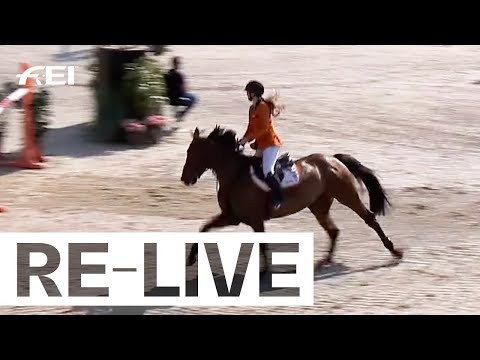
• Winning Round - Laura Kraut & Lady D - LGCT Ramatuelle, St. Tropez 2025
    Catch up on all LGCT events and access exclusive content on GCTV - https://gctv.gcglobalchampions.com Keep up to date with ...
    0 Комментарии 0 Поделились 218 Просмотры
  • THEHORSE.COM
    Equine Innovators: West Nile Virus in HorsesRisks, Signs, and Prevention
    In this episode of TheHorse.coms Equine Innovators, Dr. Sally DeNotta, a clinical associate professor in large animal clinical sciences at the University of Florida, describes West Nile virus in horses, explaining how the disease spreads, what signs to watch for, and why vaccination remains the most effective prevention tool. She also highlights how climate, mosquito control, and One Health surveillance efforts influence riskand why even experienced horse owners must stay vigilant year after year.The Equine Innovators podcast series is brought to you by Zoetis. You can find the Equine Innovators podcast on TheHorse.com, Apple Podcasts, Spotify, and many other podcast apps. Dont miss a single episode! Sign up now to receive email reminders from The Horse.Additional Reading:West Nile Virus in U.S. Horses (interactive feature)Core Vaccination: Protecting Horses From 5 Deadly DiseasesOlder Horses and Stallions at Increased WNV RiskEquine Disease Communication Center (EDCC)Disease Alerts on TheHorse.comAbout the Researcher:SallyAnne L. DeNotta, DVM, PhD, Dipl. ACVIM, is a clinical associate professor in large animal clinical sciences at the University of Floridas College of Veterinary Medicine, in Gainesville. Her clinical and research interests include neonatology, neurology, infectious disease, hemostatic therapies, and colic.
    0 Комментарии 0 Поделились 227 Просмотры
  • LIVE | FEI Jumping Nations Cup Youth 2025 - Juniors (1.40m) Hagen a.T.W. (GER)
    Enjoy now the Juniors (1.40m) class of the FEI Jumping Nations Cup Youth 2025 in Hagen a.T.W. (GER) Subscribe to our ...
    0 Комментарии 0 Поделились 232 Просмотры
  • Passport figures for foals born in 2025 (Horse Source applications) 13th June, 2025
    Horse Sport Ireland (HSI) publishes updated figures every two weeks for applications for 2025 foal passports through the Horse Source online passporting system. For the 2025 breeding season so far, HSI has received 1116 applications and issued 96 completed applications. From these 1116 applications, 1112 are with pedigree, with four non-pedigree applications received. 1071 pedigree applications have had their foal kit sent to the applicant, with the remainder issued imminently. It is important to note that, to date, 693 foal kits have not been yet returned from breeders to HSI for pedigree applications. Of the 378 applications who have returned their foal kits to HSI, 96 have been completed and the passport issued and 23 are currently undergoing quality control checks, while the remaining 259 applications DNA samples are currently with the laboratory for analysis. Of the 119 passport applications, where the DNA samples have been returned to HSI from []
    0 Комментарии 0 Поделились 231 Просмотры
  • Winning Round - Kevin Staut & Vida Loca Z - LGCT Ramatuelle, St Tropez 2025
    Catch up on all LGCT events and access exclusive content on GCTV - https://gctv.gcglobalchampions.com Keep up to date with ...
    0 Комментарии 0 Поделились 214 Просмотры
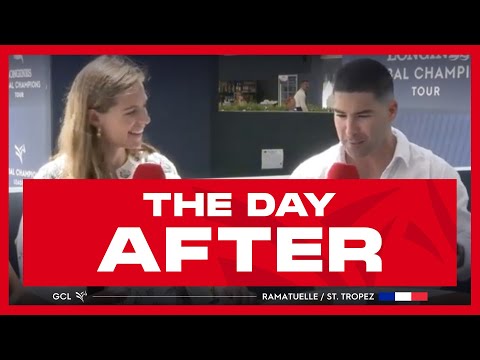
  • The Day After - GCL Ramatuelle, St Tropez 2025
    Keep up to date with GCL by following our social media: Instagram: @GCL_official Facebook: @OfficialGCL Twitter: ...
    0 Комментарии 0 Поделились 227 Просмотры
  • SVF Changeup Shines with Maria Rasmussen in $12,500 Golden Ocala 36-39 Hunter Derby
    Ocala, FL The second Hunter Derby Friday of the 2025 Summer Series at World Equestrian Center Ocala (WEC) welcomed more than 55 stunning hunters to Indoor Arena 1 to compete in three exciting classes: the $12,500 Golden Ocala 36-39 Hunter Derby, the $10,000 UF Veterinary Hospital USHJA National 3 Open Hunter Derby, and the $10,000 USHJA National 3 Jr/Am Hunter Derby. Tucker Williams[...]Read MoreThe post SVF Changeup Shines with Maria Rasmussen in $12,500 Golden Ocala 36-39 Hunter Derby appeared first on World Equestrian Center.
    0 Комментарии 0 Поделились 213 Просмотры
  • WWW.HORSEILLUSTRATED.COM
    How to Bridle a Horse That Evades the Bridle
    Ifyouve been around horses long enough, youve likely come across at least one who actively tries to evade being bridled. Perhaps this horse tries backing away, raising his head far out of reach to avoid the bridle, or clamps his mouth closed, refusing to take the bit.Regardless of the evasion, horses who are difficult to bridle can make the process of tacking up an exercise in frustration. Brittany Malinoski of Brittany Lee Performance Horses in Lebanon, Tenn., offers this advice on how to correct these issues.Photo by Shoshana RudskiHow Horses Become Evasive of the BridleHorses can develop these evasive tactics for any number of reasons.It could be that they never truly learned how to bridle correctly, says Malinoski. Or, it could be that they have had previous dental problems that caused them to lose trust in the bit or the hands of the rider. Finally, it could be the process of how the bridle is removed.Malinoski says that lesson horses, due to inexperienced handlers, are often prone to having their bridles removed too quickly.The students dont slowly drop the bit down out of the horses mouth, she says. Instead, they may pull the bridle over the horses head and the bit gets caught on his teeth. The horse can panic or get scared, losing trust when the bridle is lowered.To help prevent issues with bridling from developing, Malinoski advises correctly training the process from the beginning, promptly addressing any dental troubles, and taking the time to make sure that the process of putting on and taking off the bridle is done slowly and correctly to avoid banging the horse in the mouth.But prevention aside, what can you do if the problem with bridling is already well established?Selecting a LocationBefore beginning, Malinoski advises choosing an environment where you are setting up the training session for success. But the perfect location can vary, depending upon the method the horse uses to evade the bridle.For example, she says that an arena can be ideal for a horse who actively backs away, while other issues, such as a horse who raises his head too high or one that refuses to accept the bit, may be better addressed in a more enclosed area, such as a grooming stall. As for equipment, Malinoski says that a simple rope halter and your horses bridle are all you need.Horses that raise their head, clamp their teeth or back away during bridling most likely had previous negative experiences during bridling or removing the bridle. Photo by Shoshana RudskiSteps to Lower the HeadFor milder cases where the horse may simply be raising his head out of reach or refusing to take the bit, Malinoski begins the retraining process in a grooming stall with the horse wearing nothing more than a rope halter. She then introduces the idea to the horse to lower his head on command.This is accomplished by placing your hand on the horses head and applying pressure to his poll, she says. She describes the process of holding the lead rope in your left hand and standing near and to the left of the horses head, then placing your right hand on the horses poll.When the horse lowers his head, you release the pressure, says Malinoski. She elaborates that after getting the horse comfortable with his face and ears being touched, this process can also be useful when working with horses who are head or ear-shy. Malinoski does not introduce the bridle until the horse has become confirmed in this skill. Depending upon your horse, this may be in the first or later sessions.For milder cases, teach the horse to lower his head using a rope halter and light pressure on the poll from your right hand. Photo by Shoshana RudskiMoving on to the BridleWhen the horse is ready, Malinoski explains that she repeats the process, this time using the bridle.TIP: She says that while it is not necessary to have a certain bit for the retraining process, she advises having a bit that fits the horse properly. However, she says that practicing with a smaller bit, like a snaffle, can help regain trust.After giving the command for the horse to lower his head from the direction of the poll, use your right hand to gently guide the bridle up into position while using your left hand to position the bit into place.While she generally waits for the horse to open his mouth for the bit, if necessary, this can be encouraged by placing your thumb and middle finger on the bars on each side of the horses mouth and softly applying pressure.While its best to wait for the horse to open his mouth on his own, sometimes it may be necessary to apply light pressure to the bars of the mouth as you guide the bit in. Photo by Shoshana RudskiTIP: Malinoski acknowledges that while some trainers use gimmicks such as applying products to the bit to make it taste good or holding a treat for the horse in the same hand as the bit, she is not a fan of these methods. This is mainly because these items may not be accessible when you are at a show or on a trail ride, and you can easily get into trouble if your horse wont bridle without them.With the bit in, the bridle can then be softly pulled up and into place. Once on, she lowers it back off, taking care not to bang the horses teeth with the bit in the process. She tries to do this a few times before ending the session.After bridling successfully during the training process, remove the bridle right away, gently lowering the bit out of the horses mouth. Photo by Shoshana RudskiDue to the extra space, Malinoski prefers the arena for working with horses who back away from the bridle. While she will still start the retraining process by teaching the command to lower the head when it comes time to put on the bridle, she then moves to the arena.If the horse attempts to back away, she simply walks back with him until he stops and lowers his head.When that happens, I release the pressure, she says.Length of RetrainingMalinoski says that while the retraining process can take time, with patience and understanding, progress can happen in a relatively short span.If you work steadily at it, you should be able to make progress in about a week, she says.In about a week of steady training, you should end up with a horse that happily accepts the bridle instead of waging a war each time you tack up. Photo by Shoshana RudskiWhen the bridle goes on smoothly, release the pressure, and the horse has the reward of you taking it off. Malinoski explains that session lengths will vary by horse.This article about bridling a horse that evades the bridle appeared in the May 2024 issue of Horse Illustratedmagazine.Click here to subscribe!The post How to Bridle a Horse That Evades the Bridle appeared first on Horse Illustrated Magazine.
    0 Комментарии 0 Поделились 239 Просмотры
  • WWW.HORSEILLUSTRATED.COM
    Enteroliths in Horses
    Oysters and mollusks form pearls as a protective reaction to irritants, like a parasite or grain of sand invading their shells. A similar concept is at work with enterolith formation in the horse, but instead of a valuable pearl, the end result may lead to colic or surgery.Enteroliths are mineralized intestinal stones that sometimes form within the horses colon. The condition can become serious if a stone gets too large to pass through the digestive tract. When an enterolith causes obstruction, surgical removal is the only solution to avoid a fatal gastrointestinal rupture.It takes at least a yearbut more likely several yearsfor an enterolith to become large enough to form an obstruction.A large enterolith removed during surgery after a blockage was discovered. Photo by Diana Hassel, DVMThe process under which enteroliths gradually form is known as enterolithiasis.Whats Causes Enteroliths in Horses?Like a pearl, an enterolith starts by forming around something. This small, indigestible object could be a pebble, coin, piece of rubber or wire, or even a piece of baling twine, rope, or fabric the horse has swallowed.Mineral salts in the horses intestine or colon sometimes form around the object. These struvite crystals are comprised mainly of magnesium, ammonium and phosphate.To support this struvite mineralization, there must be the correct environment within the colon, which includes a higher pH/more alkaline colonic contents, combined with a rich combination of minerals.Diets high in alfalfa hay are most likely to create this optimal environment for mineralization. Alfalfa is a forage with a relatively high buffering capacity compared with other forages, thus it contributes to the more alkaline colonic environment needed for enterolith formation, says Diana M. Hassel, DVM, Ph.D., Dipl ACVS, a colic surgeon at Colorado State University Veterinary Teaching Hospital and professor in the Department of Clinical Services. The other big contributing factor is likely the mineral content in alfalfa. Magnesium has been implicated, and it is particularly high in alfalfa grown in certain areas versus others.Diets high in alfalfa hay are most likely to cause enterolith formation. Photo by Debra Lawrence/Adobe StockSome studies have recognized higher magnesium and other minerals in the water in regions of the country where enterolithiasis is more common.The enterolith that forms around a hard object like a pebble, coin, or wire can be round, spherical, triangular, or flat in shape. Enteroliths can vary in size from as small as a walnut to larger than a grapefruit. Among the most dangerous are those that are baseball-sized.When the horse swallows a soft foreign body like baling twine, it can become mineralized, resulting in the formation of hundreds of tiny enteroliths along the piece of twine.Risk FactorsRisk factors for enterolith formation include:Geographical regionDiet high in alfalfaStall confinementSibling that developed the conditionCalifornia, Texas, Florida and Arizona are the primary areas for enterolithiasis in the U.S. This may be related to minerals in the soil, and/or the fact that many horses in these states eat a high or all-alfalfa diet.Its not known whether its the water, the soil, the alfalfa itself, or simply the amount of alfalfa owners feed in these regions that makes these areas at higher risk, notes Hassel.Within the state of California, there are areas with very few enterolith cases, even when alfalfa is fed frequently, and other areas where [cases are] commonly found.Hassel points out that stall confinement and diets high in alfalfa are the only repeatably documented risk factors for enterolithiasis, with high alfalfa diets being the most impactful.Alfalfa is higher in protein than most other forages, and this may provide a source of nitrogen for the ammonium content in enterolithsand contribute to the higher pH in the colon, says Hassel.She notes that the roles of phosphorus and other minerals, such as calcium and zinc, are not well established.Studies have shown that Arabians and Morgans are most commonly affected, but Hassel notes that no breeds are immune to developing enteroliths. Any breed may be affected when rich alfalfa hay is fed.Interestingly, the condition is found in mares more often than in male horses.Watch for Signs of Enteroliths in Your HorseClinical signs of enterolithiasis can include:Recurrent bouts of colic/abdominal pain Depression/lethargyLoose stoolChange in behavior/crankinessWeight lossResentment when girth is tightenedReduced performanceReluctance to go downhill or jumpOn occasion, a horse will pass small enteroliths in manure. If you see this happen, its a red flag that should not be ignored. This is an indication there may also be a larger stone that cant pass.Pay attention when cleaning the stall; a small enterolith passed in the manure will be hard as a rock.Any time a horse passes a small enterolith, Hassel strongly recommends making an appointment at a veterinary referral facility to have abdominal radiographs performed.If there are no large enteroliths present (all are smaller), it may be possible to manage these cases long-term without surgery, says Hassel.If larger enteroliths are present, surgical management on an elective basis is a lot less risky and less expensive than an emergency colic surgery.An abdominal radiograph showing the presence of a large enterolith. Photo by Diana Hassel, DVMSurgical ResolutionWhen abdominal radiographs reveal the presence of an enterolith too large to pass through the GI tract, surgery is the only solution.This is not a wait and see situation. Without surgery to remove the obstructing enterolith, the horses intestine can rupture, causing a painful death.Fortunately, when the horse is in good condition and without other issues, surgery for enterolith removal has a high success rate.Reducing Risk of EnterolithsHorse owners can be proactive and lower their horses risk of forming enteroliths.The most critical advice is to reduce the quantity of alfalfa fed to 50 percent or less of the diet, says Hassel. If the horse is at high risk (for example, already had an enterolith removed), I would recommend taking that horse off alfalfa entirely.Keep in mind that if your horse has an enterolith and you change his diet to a different hay, that may contribute to movement of the stone downstream in the gastrointestinal tract, resulting in obstructive colic, she adds.Hassel encourages any owner who suspects their horse has an enterolith to first have abdominal radiographs done before making diet changes.Other preventative management techniques include:Daily access to pasture/turnoutKeeping hay and feed free of foreign objectsFeeding small amounts of grain twice daily with a half-cup of apple cider vinegar (ACV) to attempt to decrease pH level in the gutAlthough ACV has a small but reliable impact on decreasing pH in the gut, it cant dissolve an enterolith that has already formed.Hassel finds that horses who regularly graze on pasture are at lower risk for developing obstructive enteroliths.Grazing is a good preventative measure if your horse has risk factors for enterolith formation. Photo by FastHorsePhotography/Adobe StockIf grazing is not an option, its beneficial to keep hay available throughout the day using a slow feeder so the horse doesnt go for many hours with an empty gut.Encourage water consumption by ensuring clean, cool water is available 24/7. Electrolytes can help promote drinking when horses consume less water during cool weather.Because enteroliths form around small objects the horse has swallowed, keep feed areas free of debris. If you use rubber mats, sweep them daily. Make it a routine to clean hay bunks and feed bins frequently.Careful management, taking proactive measures, and being observant can protect most horses from enterolithiasis. This article about enteroliths in horses appeared in the May 2024 issue of Horse Illustratedmagazine.Click here to subscribe!The post Enteroliths in Horses appeared first on Horse Illustrated Magazine.
    0 Комментарии 0 Поделились 235 Просмотры
  • WWW.HORSEILLUSTRATED.COM
    Boss Mares, Inc.: Empowering Women in the Western World
    Spend time watching any herd of horses, and youll notice theres always one that stands out: the boss mare. Her leadership role is unmistakable, a symbol of determination and resilience.The boss mares independence and leadership are what inspired a team of four powerhouse women in the equine industry to develop the nonprofit organization known as Boss Mares, Inc. The organization assists female entrepreneurs by giving them a leg-up in their careers and businesses.The four women who founded the organization are Anna Morrison, Ph.D., co-founder and president; Kate Bradley Byars, co-founder and secretary; Patti Colbert, co-founder and treasurer; and Ellen Bell, member of board of directors. Each of these women present extensive resumes in the horse industry and connections that run deep. They came together with the same mission and goal of connecting women in agriculture.Boss Mares, Inc. co-founder and secretary Kate Bradley Byars, co-founder and president Anna Morrison, and co-founder and treasurer Patti Colbert (from left to right). Photo by Abigail BoatwrightThe official kick-off of Boss Mares, Inc. took place December 1, 2023, in Weatherford, Texas.Meet Anna MorrisonFounder Anna Morrisons passion for horses developed during her childhood in Wisconsin. Anna pursued an education focused on horses first at Colorado State University (CSU) and later at Texas A&M University (TAMU), earning a Bachelor of Science in equine science and agricultural business, a Master of Arts in extension education, and a Ph.D. in higher education administration.Her career path began in academics, teaching and developing curricula at CSU and TAMU. Later, Morrison served industry member organizations for the American Quarter Horse Association and the National Reined Cow Horse Association. Along the way, she received support and guidance from mentors and industry experts, which furthered her appreciation for just how important it can be to have a leg up.When I was going through a transition in my career, I had this feeling that there was a way we could work together to pay our experience forward to other women in the industry, says Morrison. Every single one of us who has been involved in the industry has had the help of other women, whether through mentorship, encouragement, or investment, and I thought there was a way we could work together to get those same opportunities to other women.Morrison knew who to call when the time came to present a proposal for Boss Mares, Inc. Ellen and Larry Bell have always been a part of charitable organizations, and they have started numerous businesses as well. In South Africa, they are involved with a project that empowers women to live life and provide for their families. Morrison recalls getting through just a few slides in her presentation, and the Bells were ready to kick off the organization.Ellen Bell and her husband, Larry, were excited to help form Boss Mares, Inc., just a few slides into the presentation. The pair have extensive experience with nonprofits and charities. Photo by Abigail BoatwrightThe goal is to help young women everywhere, says Ellen. We were involved in extreme situations in Africa, but to watch women have the opportunity to better themselves and their businesses and careers, and to learn how to do it properly, we were all in immediately.With the Bells experience with nonprofits and charitable organizations, they provided Morrison with the connections to begin forming Boss Mares, Inc.Bringing on Kate Bradley ByarsAs Morrison began thinking about who would make up the co-founders and board of directors, a few people came to mind. When Morrison asked Byars and Colbert if they would be interested in helping, they jumped at the opportunity.Byars has a passion for telling peoples stories and making connections. Writing always came easily to her, and in college at TAMU, Byars pursued a degree in agricultural journalism. She rode through college, competing on the Texas A&M Equestrian Team and on the Quarter Horse circuit. After graduating with a Master of Science in agricultural leadership, education and communications with a focus on photography, Byars joined the Western Horseman magazine staff.Since 2010, shes worked extensively in the western performance horse industry as a writer and photographer. Working for western equine and lifestyle publications is Byars specialty, and she especially enjoys connecting with people in the industry.Boss Mares, Inc. is a passion project, and the mission and focus is something we all can easily get behind [to] help female business owners in the western industry, says Byars.Patti Colberts Extensive ExperiencePatti Colberts resume in the horse industry and connection to the western lifestyle began through watching television. After moving to Texas in the mid-1970s, Colbert worked at horse barns and volunteered as a 4-H leader. She fell in love with the production of equine events. Colbert began at the Texas Quarter Horse Association, managing the Quarter Horse racing and show industry. Her next move was to the AQHA, where she was responsible for raising millions of dollars for the American Quarter Horse Foundations scholarship, equine research, and preservation programs.She then opened her own firm and worked with clients like the American Angus Association, the American Paint Horse Association, TAMU and more. She and her team took on the management of the Mustang Heritage Foundation, and in 2007 created the Extreme Mustang Makeover events, placing thousands of previously wild Bureau of Land Management Mustangs into private care.Colbert received the 2014 American Horse Publications Innovator of the Year Award, the National Cowgirl Hall of Fame Fern Sawyer Award, and was inducted into the Texas Cowboy Hall of Fame. Currently, she is on the National Cowgirl Hall of Fame board of directors and serves as advisory board chair for the Ride on Center for Kids.I know that women are the decision makers in the majority of this industry, says Colbert. I think more than 76 percent of the members of the AQHA are female. The reality of it is that women are the backbone of the industry in the agriculture and western lifestyles, and we need to help one another to continue to grow and be relevant and current.Lead the Herd WorkshopsBoss Mares, Inc. focuses on five pillars: accounting and finance support, continuing education, leadership and career coaching, legal counsel, and marketing expertise. The organization will host Lead the Herd workshops to meet western women where they are already gathering. At these workshops, the keynote speakers are experts in the fields of each pillar.Keynnote speaker Mackenzie Kimbro (left) with Patti Colbert at a learning lunch. Photo by Abigail BoatwrightThe purpose of each workshop is to bring powerful expertise from both inside and outside the western industry in a setting that supports high-impact learning and open dialogue between presenters and attendees.We are here to provide a leg up to cowgirl entrepreneurs in the professional and agriculture industry, says Morrison. We do that by providing access to business resources at our workshops and by providing grants through our grant application process that help women invest in and advance their small businesses or invest in themselves and their career through continuing education.Lead the Herd workshops meet western women where they are already gathering. Keynote speakers present in the fields of five pillars: accounting and finance support, continuing education, leadership and career coaching, legal counsel, and marketing expertise. Photo by Abigail BoatwrightThe first workshop was held at the Art of the Cowgirl in Arizona from January 19-20, 2024. With more workshops in the future of Boss Mares, Inc., the organization offered grants through an application on their website through March 31, 2024, for people in the agriculture industry.I hope that the women who have seen it now and have heard the speakers will want to be a part of it by giving financial aid or by participating in grants, whatever fits with their lifestyle, says Ellen. I hope they will be encouraged and say, You know what, I can do this, this is something Ive wanted to do, and Im not going to let something get in my way because it is available to me. That is whats exciting and what I hope to see in the future for us. This article about Boss Mares, Inc. appeared in the May 2024 issue of Horse Illustratedmagazine.Click here to subscribe!The post Boss Mares, Inc.: Empowering Women in the Western World appeared first on Horse Illustrated Magazine.
    0 Комментарии 0 Поделились 273 Просмотры