• BLOG.CITRUS-LIME.COM
    Gorgeous Greens & Beautiful Browns Eskadrons AW24 Platinum Collection is Here!
    Eskadrons Platinum Edition is a collection that many equestrians eagerly await the launch of year after year. For 2024, this range of equestrian horse wear and accessories is available in a mixture of three classy colours; Teak Brown, Moss Green, and Atlantic Blue. Shop all Platinum Edition Platinum Edition Saddle PadsWhether you are looking for a sumptuous saddlecloth to wear in the show ring, or want to add some colour to your everyday tack, the Platinum Edition has something to suit everyone. All beautifully designed with premium materials, they boast a luxury appearance without compromising on your horses comfort. Take a look at some of this seasons favourites:Big Square BoucleFeaturing voluminous Big Square quilting, a Cool Dry lining, and a textured Boucl upper, this saddle pad is one of the Platinum Editions highlights! On both sides is an eye-catching emblem set in crystals for an extra touch of sparkle.Available in dressage and jump cuts. Shop Here Matt Gloss BowA pretty design featuring a unique quilted pattern teamed with gorgeous velvet tape around the outside. The addition of carefully placed silicone details helps to keep your saddle secure during use, while the mesh channel along the spine maintains airflow.Choose from Atlantic Blue or Moss Green, both available in dressage or jump cuts. Shop Here High Gloss Chain JewelElevate your look this season with this classy saddlecloth, which has a trendy quilted pattern across the top and a luxury crystal and cord binding around the edge. A Cool Dry lining paired with a mesh channel along the spine combine to keep your horses back feeling fresh and comfortable.Pick Teak Brown or Moss Green. Dressage and jump cuts both available. Shop Here Fleece Rugs & AccessoriesLooking to add some extra warmth to your horses wardrobe during the winter? Trying to find your friend the perfect gift for their horse? The Eskadron Platinum Edition has a stunning collection of rugs, headcollars, and other useful items that any horse owner (and their horse!) would love.The Acrylic Fleece Rug in Teak Brown is a cosy choice for using in the stable on crisp mornings or when travelling to shows and events. Inside it is lined with a super soft teddy fleece material, which extends around the neck as a wide collar to give a plush feel.Eskadron Platinum Acrylic Fleece RugFor schooling sessions or when getting ready to compete at shows, choose the Acrylic Fleece Quarter Sheet! Shaped to comfortably sit across your horses hindquarters, it helps to keep your horses muscles warm. The material is breathable and wicking, and the iconic Platinum emblem features on both sides for a quality appearance.Eskadron Platinum Acrylic Fleece Quarter SheetEskadron are renowned for the use of their soft FauxFur, and this season it features on their headcollars. Detachable and easy to care for, the addition of this FauxFur is exceptionally comfortable for your horse, and helps to remove pressure points. A matching lead rope will complete the set.Girth Faux Fur Headcollar Atlantic BlueRegular Swivel Hook Lead Rope Teak/Moss/AtlanticGirth Faux Fur Headcollar Moss GreenExplore the Platinum Edition, plus all Eskadrons other popular collections on our website, in our app, and in-store! Need it in a hurry? Choose Next Day Shipping during the checkout online! Shop all Eskadron The post Gorgeous Greens & Beautiful Browns Eskadrons AW24 Platinum Collection is Here! first appeared on Redpost Equestrian Blog.
    0 Yorumlar 0 hisse senetleri 254 Views
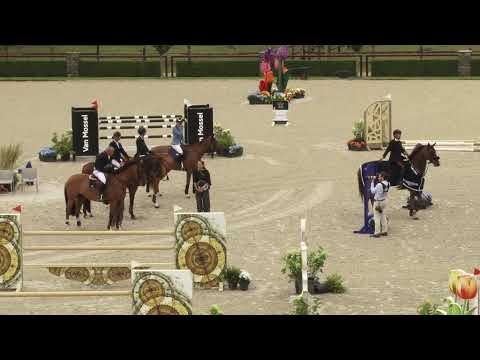
  • Longines Global Champions Tour of Valkenswaard - Sand Arena
    Catch up on all LGCT events and access exclusive content on GCTV - https://gctv.gcglobalchampions.com Keep up to date with ...
    0 Yorumlar 0 hisse senetleri 248 Views
  • WWW.JUSTHORSERIDERS.CO.UK
    Tips to Maximize Young Horse Development: Training and Bonding Benefits During Lockdown
    Section Content Summary Introduction Training and bonding with young horses during lockdown can improve their long-term development. Why Young Horses? Young horses aged 1-3 are in a critical development stage, learning skills such as socialization, trust, and obedience. Benefits of Training and Bonding Early training and socialization reduce behavioral problems and improve emotional intelligence, as shown by various studies. Tips for Training and Bonding Basic Handling: Start with basic skills like leading and grooming. Positive Reinforcement: Use treats, praise, and affection. Engaging Activities: Incorporate games, puzzles, and obstacles. Patience and Consistency: Stick to a routine and realistic goals. Importance of Socialization Virtual Socialization: Use video conferencing for interaction. Indoor Obstacle Courses: Use cones, tunnels, and jumps. Sensory Play: Engage senses with various textures, smells, and sounds. Equipping Yourself for Success Use appropriate gear like jodhpurs, riding boots, and gloves for better training sessions. Maintaining a Healthy Diet Ensure proper nutrition with everyday vitamins and supplements for young horses. Ensuring Comfort and Safety Use stable and turnout rugs to keep horses comfortable and protected during training. Fly Protection During Training Use fly protection solutions to keep horses comfortable during warmer months. Conclusion Training and bonding with young horses during lockdown is essential for their long-term development. Prioritize patience, consistency, and positive reinforcement. Additional Resources AAEP Guidelines Equine Science Horse & Rider How Can Training and Bonding with Young Horses During Lockdown Improve Long-Term Equine Development? As the world grapples with the challenges of lockdown, many horse owners and enthusiasts are left wondering how to keep their equine friends engaged, stimulated, and happy during this extended period of isolation. One often-overlooked solution is to focus on training and bonding with young horses. In this blog, we'll explore the benefits of training and bonding with young horses during lockdown and how it can improve their long-term development. Why Young Horses? Young horses, typically between the ages of 1-3, are in a critical period of development. During this stage, they are learning essential skills, such as socialization, trust, and obedience. By investing time and effort into training and bonding with young horses, you can set them up for a lifetime of success and happiness. The Benefits of Training and Bonding Research has shown that early training and socialization can have a profound impact on a horse's behavior, temperament, and overall well-being. A study published in the Journal of Equine Veterinary Science found that horses that received early socialization and training were less likely to develop behavioral problems later in life. Additionally, a study by the University of California, Davis, discovered that horses that were trained using positive reinforcement methods exhibited improved emotional intelligence and reduced stress levels. How to Train and Bond with Young Horses During Lockdown So, how can you train and bond with young horses during lockdown? Here are a few tips: Start with Basic Handling Begin by teaching your young horse basic handling skills, such as leading, halter breaking, and gentle grooming. This will help establish trust and build a strong bond between you and your horse. Use Positive Reinforcement Reward your horse with treats, praise, and affection when they exhibit desired behaviors. This will help them associate training with positive outcomes and build confidence. Explore our Horse Treats And Gifts collection for ideas on rewards. Keep it Fun and Engaging Make training sessions fun and engaging by incorporating games, puzzles, and obstacles. This will help keep your horse mentally stimulated and prevent boredom. Be Patient and Consistent Training and bonding with young horses requires patience and consistency. Set realistic goals and stick to a routine to help your horse feel secure and confident. The Importance of Socialization Socialization is a critical component of training and bonding with young horses. During lockdown, it may be challenging to find other horses for your young horse to interact with. However, there are still ways to provide socialization: Virtual Socialization Use video conferencing software to connect with other horse owners and their young horses. This can help provide a sense of social interaction and reduce feelings of isolation. Indoor Obstacle Courses Set up indoor obstacle courses using cones, tunnels, and jumps. This will help provide mental and physical stimulation for your young horse. Sensory Play Engage your young horse's senses by providing a variety of textures, smells, and sounds. This can help stimulate their curiosity and keep them engaged. Equipping Yourself for Success To make the most out of your training sessions, ensure you are equipped with the right gear. Check out our collections of jodhpurs, riding boots, and gloves for comfortable and practical options. Maintaining a Healthy Diet Proper nutrition is vital for the overall development of young horses. Browse our Everyday Horse Vitamins & Supplements for ensuring your horse stays healthy and strong. Ensuring Comfort and Safety Ensuring that your horse is comfortable and protected during training is crucial. Explore our range of stable rugs and turnout rugs for high-quality options. Fly Protection During Training During the warmer months, flies can be a nuisance for horses. Check out our Horse Fly Protection for solutions to keep your horse comfortable and focused during training sessions. Conclusion Training and bonding with young horses during lockdown is not only possible but also essential for their long-term development. By investing time and effort into training and socialization, you can set your young horse up for a lifetime of success, happiness, and well-being. Remember to start with basic handling, use positive reinforcement, keep it fun and engaging, and be patient and consistent. With a little creativity and patience, you can provide your young horse with the training and socialization they need to thrive. By following the tips and advice outlined in this blog, you can provide your young horse with the training and socialization they need to thrive during lockdown. Remember to prioritize patience, consistency, and positive reinforcement, and you'll be well on your way to building a strong bond with your young horse. Additional Resources American Association of Equine Practitioners: "Early Socialization and Training of Horses" Equine Science: "The Importance of Socialization in Horses" Horse & Rider: "Training and Bonding with Young Horses During Lockdown"
    0 Yorumlar 0 hisse senetleri 257 Views
  • WWW.YOURHORSE.CO.UK
    Atypical myopathy: important vet advice for every horse owner
    Atypical myopathy is prevalent and therefore a major threat to horse health in spring and autumn in the UK. It is a potentially fatal disease caused by a toxin found in the seeds and seedlings of the common European sycamore, from the Sycamore tree (Acer pseudoplatanus).When a horse eats sycamore seeds or seedlings, the toxin (Hypoglycin A) found in the plant can make its way to the horses muscles. This causes the muscle cells to become inactive and even die.Atypical myopathy is not contagious. It is usually seen in autumn when the sycamore seeds are on the ground, and in spring when the seedlings are growing.Because it is potentially deadly for horses, it is sensible to do all that you can to protect your horse.How atypical myopathy affects horsesSycamore trees in/bordering a field and in the locality are a riskHorses that eat sycamore seedlings or seeds can quickly become affected by the toxin. The disease is fatal in around 70% of affected horses.Atypical myopathy has a sudden onset and the horse is usually found unable to move in the field.Muscle damage commonly affects muscles that are used during standing and breathing, as well as the heart muscle, meaning that a wide range of clinical signs are displayed.When the muscle cells become damaged, they release muscle enzymes that build up in the organs. This causes further damage, sometimes resulting in multiple organ failure.Some horses are more susceptible to the disease than others, with young horses the most commonly affected.Vets are unsure why this is. It could be that some horses have a genetic susceptibility.Signs of atypical myopathyIt is important for all horse owners to be aware of the signs of atypical myopathy in horses, which are:LethargyDepressionA reluctance to moveMuscle tremors (shivering)SweatingDifficulty breathingRed/brown (dark) urine due to the products of muscle breakdown being released in the urine.Diagnosing atypical myopathySymptoms can look similar to tying up or colic in horses. As atypical myopathy can progress rapidly, its important to be able to recognise the signs so that treatment can be started immediately.As soon as you notice these symptoms, call your vet and describe what youve seen.Your vet will examine your horse and a diagnosis may be made based on the history that you provide, the signs that are seen especially the presence of red-brown urine and the environment the horse lives in.Blood and urine samples may be taken. Your horse may need to be referred to a a specialist equine hospital for treatment.How to lower the riskInspect grazing daily and remove fallen sycamore seedsEnsuring that horses dont eat sycamore seeds or seedlings is key to preventing the disease occurring in your horse.The Hypoglycin A toxin is not present in every sycamore tree or seedling.However, it can be found in varying amounts between different seeds and seedlings from the same tree.So even if your horse has lived in a field with sycamore trees before, it is important to be vigilant and take precautions with each tree.Preventative measures include:Being able to recognise and identify a sycamore tree, as well as its seedlings.Fencing off areas around sycamore trees.Moving your horse to a different field during high-risk periods (spring and autumn).Remembering that sycamore seeds can be carried in the wind and travel some distance. So even if there arent any sycamore trees in your horses field, but there are sycamores in the vicinity, you will still need to regularly inspect the field. Remove any seeds that have blown in as soon as you see them.Providing extra forage for your horse so that they arent tempted to eat any sycamore seeds they find.Clearing up sycamore seeds when they have fallen from the tree, and uprooting any seedlings.If there has been a case of atypical myopathy in a horse grazing in your field, its advisable to remove all other horses and have them checked by a vet. They may want to take a blood sample to check the level of muscle enzymes in the blood.In May 2023, the British Equine Veterinary Assocation (BEVA) warned farmers about the grave danger of cutting hay from pastures contaminated with sycamore seedlings and saplings. It said an explosion in the growth of the seedlings in the spring caused a rise in cases of atypical myopathy. Read the full story..Prognosis for a sick horseA sycamore seedling on the groundTo have a chance of recovery from atypical myopathy, an affected horse will need intensive care at an equine hospital.It can take several days to make a diagnosis from a blood sample. As time is of the essence, treatment may be started before the test results come back.Unfortunately, there is no antidote, so treatment consists of supportive care, such as fluid therapy. This helps to protect the kidneys from damage and reverse dehydration.The horse will also be given pain relief. Intravenous fluids means strong pain relief can be administered at a constant rate to ensure the horse remains comfortable.The first 24-48 hours for a horse suffering with atypical myopathy are the most critical.If the horse survives the first few days, it can still take several months of treatment to make a full recovery.Future prospectsIf the horse does recover, they can often go on to live a normal life and return to full time work without any long-term side effects.The key is identifying sycamore trees in and around your horses field, and doing all you can to prevent them accidentally eating seeds in autumn and spring.The golden message is: atypical myopathy is better prevented rather than cured.Images by Your Horse Library/Kelsey Media Ltd/Aimi ClarkRelated contentColic in horses: all you need to know about impactions and gassy colicHow to tell if a horse is lameWhy is my horse coughing?Choke in horses explainedThe post Atypical myopathy: important vet advice for every horse owner appeared first on Your Horse.
    0 Yorumlar 0 hisse senetleri 237 Views
  • WWW.HORSEILLUSTRATED.COM
    Equine Guidance: The Horse as Healer
    Learn about Equine Guidance, a unique equine therapy program that provides a special form of healing.Having several therapists over a 15-year period brought me immense healing from a childhood filled with trauma, but I still felt stuck. I tried energy healing in England and a shaman in Mexico. Nothing seemed to give me the peace I longed for. It felt like trauma was literally trapped in my body, in my cells and nervous system.Equine GuidanceAt the time, I wasnt familiar with the intersection between equine therapy and body-centric healing. I just knew I needed a release from the lingering emotional pain. After months of reading extensively online, I found a therapist with a herd of horses that I felt drawn to: Belle Shook and her horses of Equine Guidance.Ive spent time with horses on and off throughout my life, and theyve fostered a deep emotional connection on my end. I was the young girl who played horse owner by opening pretend paddock gates and filling up real water buckets for my imaginary herd. Every few years an opportunity would come up for me to be in their presence. Horses give me immense joy as much as they offer peace.In contemplating my upcoming session with Belle and the herd, I anticipated this peaceful feeling, but I also felt unease. I dug into the literature confirming what I felt; horses have an effect on our bodies that is measurable by science. I feared what they might sense deep within me. What if the horses discovered that I was irrevocably messed up? What if they rejected me?Meeting the HerdPutting every one of my fears down in my journal, I took a deep breath and drove the seven hours from Los Angeles, Calif., to Verde Valley, Ariz. Belle met me at her property on a warm morning in September. The surrounding Verde Valley, stretching toward Sedona, was the foreground to the stunning Red Rocks range in the distance.Equine Guidance is Belle and a herd of three American Bashkir Curly horses: Salsa, Penny and Mimi. They are as beautiful as they are cute; intense as they are innocent.Belle Shook and her three American Bashkir Curly Horses offer a unique type of equine therapy. Photo courtesy Belle ShookAll three casually looked up when Belle and I settled ourselves into camping chairs in the middle of their open-air stable for the first part of my session. The horses comfortably moved around us while Belle and I talked, licking salt or nimbly plucking leftover breakfast hay from crevices.I felt welcomed as much as I felt insignificant. Both concepts would have an equal place in my experience, as I would come to understand.Admittedly, I became emotional very quickly. It was overwhelming to have Belle and the horses hold such an incredibly safe space for me. Belles voice is incredibly calming.I mentioned perhaps she should take to YouTube with meditation recordings. I think shed have a million followers in no time, but Belles only mission is to bring more people within the healing capabilities of her herd. Her eyes still sparkle in awe of the horses, even after 14 years of witnessing and experiencing their connecting and healing powers.As a clinical therapist and Somatic Experiencing practitioner, Belles engagement with my feelings and thoughts was not only professional, but invoked my own intense curiosity into a deeper part of myself. My sharing flowed easily as realizations continually arose within me. Belle wasnt arbitrarily guiding or leading in any direction, yet our talk therapy was already beginning to regulate my nervous system in a palpable way.Awakening GriefWhen it was time to meet the herd, I followed Belles instructions and chose a wall in one of the stalls to lean against. I waited. The horses were free to do as they wanted, so I wondered if they would voluntarily come to me.First, Salsa came into the stall. He stood to my left facing me, his head very close to the left side of my chest. A strong sense of support emanated from him. Penny came to me next and began breathing rhythmically between the right side of my chest and my stomach.Then Mimi entered. She gently touched my side with her nose. I began to cry, and Belle gently checked in with me. Mimi held her nose there for quite a long time as I settled into unfamiliar sensations.This incredible horse was bringing intense grief to the surface in waves. It felt as if I was feeling the grief of my female ancestors mixed in with my own grief. Salsa held us all in comfort and strength until he eventually turned away first. Then Mimi turned and left the stall, followed by Penny. It was the very moment that I, too, felt ready to finish.Each Horses GiftAfter my time with the herd, Belle suggested I sit and write what I had experienced from each horse individually. I wrote vigorously, as the experience was so intense and tangible.It wasnt until later that evening, reading through the packet that Belle had given me upon my arrival, that the full impact of what had occurred sunk in. I read Belles description of each member of the herd and sat back in disbelief.Mimi had given me an awakening of my grief so deep that it preceded my own birth. I stared down at Belles words that spoke of Mimi having the steadiness ready to face a hurricane of grief. I looked back and forth between my writing and Belles description. She continues about Mimi. She has the stamina to face any heartache with incredible courage.Penny had awakened my breath. It felt as if she wanted me to stay present and convince me that I was ready for this healing. I wrote that Penny instilled trust in my own intuition and instincts. I read Pennys description: Her breath sometimes sounds like a calming purr as she empowers others to be present with their intuition and more profound knowing.From Salsa, I received the wise message that I was part of the whole. For the first time in my life, I felt permission in desiring to be part of the whole. As Salsa stood by my side, I had the sense that our galaxy was made up of parts of a whole and that earth was the womb. I wrote all of this down along with the words, Salsa gave me cosmic ideas.Belles printed words describing Salsas work blurred with my tears: Salsa has a shamanic quality to him where he can see through the worlds, helping the conscious mind experience the compelling depth and create meaningful insight.Feeling GroundedFor me, a wounded human and stubborn skeptic, it was as if linear time ceased to have meaning in my life for that precious hour.I felt grounded for the first time in my life. I felt calm.I carry this feeling with me even now. The healing I received from this herd of natural healers has sustained. This was not an experience that would weaken its healing properties over time. I continue to invoke this graciously gifted calm into my very cells.Tears still occasionally flow, and I think back to the safe space that Belle and the horses provided. Where crying felt neither self-conscious nor awkward. Belle, Salsa, Mimi and Penny had given me the most healing space that I have ever received therapeutically.I felt for the first time in my life that everything is just as it is, which is to say perfectly OKnothing to blunder through or to make complicated. Its a healing like no other.Learn more about Equine Guidance at equineguidance.com.This article about Equine Guidance appeared in the July 2023 issue of Horse Illustratedmagazine.Click here to subscribe!The post Equine Guidance: The Horse as Healer appeared first on Horse Illustrated Magazine.
    0 Yorumlar 0 hisse senetleri 241 Views
  • WWW.YOURHORSE.CO.UK
    Is there such a thing as cheap horse feed?
    In times where every penny counts, you may find yourself asking the question: is there such a thing as cheap horse feed? However, its less about the price tag and more about whats inside the bag and how you feed it that really counts.We all want to do the best for our horses and that means providing them with a correct diet that fulfils all their nutritional needs. It is possible to do this while finding ways to save money on horse feed you just need to know what youre looking for.While a big feed bill has its roots in good intentions, it could be that youre doing neither your wallet nor your horse much goodCheap horse feedI havent got a magic list of cheap horse feed to share. However, the feed industry is a big one. There are numerous companies making chaffs, cubes, mixed feeds and supplements with similar ingredients claiming to achieve the same results.So it pays to shop around. What one manufacturer charges for a chaff with added oil may not be the same as another, and a few pennies saved here and there soon adds up.Dont automatically assume, however, that the feed you have chosen has saved you a few pounds because it is cheap compared to another version that, from a quick perusal of the front of the bag, looks to be the same thing.What quantity does it say you should feed the cheaper of the two in? Is the ingredients list (and volume of each) like for like?It could be that you have to feed more of the cheap horse feed to provide a balanced diet, or it might be missing vital ingredients and so you have to add a balancer or supplement too. Paying less can actually be a false economy.Budget alternativesMost horse feeds from manufacturers contain similar, if not the same, ingredients, confirms Saracen nutritionist Stephanie George BSc (Hons).Its all about how those ingredients are combined and at what inclusion rate thats what gives each feed its individual characteristics.Some chaff-based products are fortified, which can make them more expensive. If youre already feeding a balanced diet and adding chaff as extra, it could be more cost effective to use a non-fortified product.Some feed merchants will have their own brand range, usually made for them by a feed manufacturer to meet certain specifications.But in terms of whether this is value for money or not really depends on what youre wanting to achieve, continues Stephanie.Feeding a cheap alternative, such as a horse feed that is unbranded or not targeted to specific nutritional needs, may fall short of your desired outcome.So in the end, you may find that youre increasing the feeding rates to compensate and therefore need to buy more, so its not actually a cheap horse feed in the long run.Cheap horse feed: shop locallyIf you want to keep the cost as cheap as possible, being savvy about where you buy is as important as choosing a feed that is best suited to your individual horse.Miles travelled to pick up a bag of horse feed adds to the cost, because fuel isnt cheap. Providing you have somewhere dry and safe from mice and rats to store bags of feed, you could buy it in bulk so that you have to drive to the store less frequently.Or pick it up on your way home from work rather than making a special trip.If youre on a livery yard, buddy up with other owners to take it turns buying feed in one shop for all the horses rather than each of you driving to the feed store individually. All of this helps cut costs too.My friend, who had two ponies in light hacking work and fed a mix from Mole Valley Farmers, used to add a few bags to her fathers cattle feed order.Clever, I thought, because ultimately the best way to make horse feed cheap is by not paying for it yourself!Overfeed = overspendYou cant dump a scoop of this and a scoop of that in your horses feed bucket and hope for the best. Its crucial to ensure that your horse is receiving the right type and amount of feed, alongside their daily forage.Guidelines on the backs of feed bags can be quite broad, though, and this often leads to overfeeding. Unfortunately in this situation, this also means overspending. This is not conducive to saving money on horse feed.Feed bags will offer a guide as to how much to feed your horse, but companies keep these guidelines broad to avoid overwhelming owners with information and to ensure they cover all classes of horses that the product could be used for, explains Stephanie.In order to ensure accurate feeding rates for an individual horse, its best to call the manufacturers nutritional helpline.Portion sizeRegular body condition scoring can help you to monitor your horses weight and avoid feeding portions that are too big.Keeping unnecessary weight gain and unwanted fizziness at bay, while making your bags of feed last longer, is a win-win situation and the best way of making horse feed cheap or at least cheaper.Your horses workload should be taken into account too.If your horse is not very active, seek advice from a nutritionist on how to adjust their intake so that you provide a balanced diet, but not too many calories.Bear in mind that if your horse is in hard work but is injured or requires time off for some reason, youll need to adjust whats in their bucket too.This is not only best for their general health, but better for your bank balance too.Dont double up on ingredientsIt might not be necessary to feed a supplement if youre already feeding the recommended amounts of hard feed to your horse. Understanding this is an easy way to save money on horse feed in your quest to making it cheap.Many feeds are already fully fortified. This means that when fed at the recommended intake, they will provide the horse with all the vitamins and minerals they require and feeding additional balancers or supplements wont be necessary, says Stephanie.When doubling up on vitamins and minerals in particular, horses will simply excrete what they dont need, meaning your money is literally being wasted.There are, of course, circumstances when balancers or supplements are advisable, such as for horses on a forage-only diet or those who do not receive the recommended amount of feed because they may be missing out on essential nutrients.Its down to you as the owner to make sure you are aware of your horses special requirements and to feed (and therefore spend) accordingly.Your best bet is to speak to a nutritionist for advice. Every feed company has a number or email address for you to easily make contact. I do this a lot. Theres no obligation to buy their feed either, so dont worry about that.Store feed correctlyMake sure wherever you keep your horses feed is equipped to store it properly.Even if the horse feed was cheap to buy, its a complete waste of money should it get wet or be attacked by vermin, as youll have to throw it away.When youre trying to save money on horse feed, wasting it through poor storage is something you need to avoid.Feed packaging will indicate how an individual project is best stored, so you can reduce wastage by ensuring feed lasts longer, advises Stephanie.Usually, this will mean a cool, dry environment where its protected from contamination by rodents. Transfer feed to a sealed plastic or metal bin rather than leaving it in bags that can be climbed into or bitten through.Buy in bulkBuying and storing feed in bulk can also help to reduce the cost if discounts are available for this. However, storage conditions need to be taken into consideration as well as the use-by date to ensure the vitamins and minerals within the product remain viable, adds Stephanie.Ive kept horse feed in a few places over the years, including iron dustbins with heavy lids and plastic wheelie bins (with something heavy on top to keep the lid weighted down and closed).My best feed bin was a heavy duty large, purpose-made iron bin that would have made me cry (or curse!) should I catch my fingers underneath the lid when closing it (thankfully, I never did).There are plenty on the market, like this one, and its worth investing if you can. They arent cheap, but they do a great job of keeping horse feed safe and secure, even if used outside.If you run out of room in your feed bin, at the very least make sure your bag is stored off the floor. Considering that rats can climb pretty well, though, it wont be safe up there for long.Feeding cubes vs straightsSome owners opt for straights as a cheap alternative to ready-mixed horse feeds. Feeding straights allows you to know exactly whats in your horses bucket, but their use comes with a caution.Straights in themselves are not nutritionally balanced. Therefore, we would not recommend them as the sole concentrate source without also feeding a balancer, consequently upping the feeding cost anyway, warns Stephanie.Complete feeds are fully balanced already and manufacturers have taken into account the ratios of vitamins and minerals required to balance a cereal-based diet. Therefore its simpler and maybe cheaper in the long run to feed a mix or cube instead in order to give your horse a balanced diet.Look for quality ingredientsCheck the contents of the feed youre considering to buy and go for quality ingredients that can be fed in lower volumes.Stephanie says: This is true. For example, fibre ingredients such as alfalfa, soya hulls and beet pulp (super fibre sources) provide a higher energy (calorie) intake when compared to other fibre ingredients such as wheat feed and oat feed.The higher energy intake provided by the super fibres will mean that you can feed less.Slow down speedy eatersIts not just horse feed that is expensive rather than cheap, forage is too and as this must be the core of every horse and ponys diets, you need to feed a lot of it.Double netting will make forage like hay and haylage last longer, because it is harder for your horse to eat and therefore their consumption slows down.This is a good tactic if your horse or pony is a good doer and so you need to make their ration last longer. You want to avoid them standing in their stable with nothing to eat.However, double netting isnt suitable for every horse, particularly one who needs to gain weight or struggles to hold their condition, such as veterans.Feeding forage ad-lib is what a horses digestive system needs to stay healthy, therefore over-feeding of forage isnt an issue unless you have a very good doer thats prone to excess weight gain and its associated health issues, advises Stephanie.Electrolytes or table salt?Adding electrolytes to horse feed is particularly relevant when feeding a horse in the summer, because horses sweat more in hot weather.They are unlikely to be needed all-year round, though, in countries that have hot and cold seasons like the UK. Continuing to feed electrolytes when its cold could mean wasting your money.There are several electrolytes on the market, or some people add table salt to horse feed instead because it is cheap and does the same job.Sweat mainly comprises of sodium and chloride, which is what table salt is made from, confirms Stephanie, who isa nutrition advisor at Saracen Horse Feeds.You only need to feed an electrolyte supplement when a horse is sweating heavily to replenish the potassium, magnesium and calcium that are lost in much smaller quantities.Dont be tempted by other animalsSheep and cattle nuts are cheap certainly when compared to a lot of horse feed anyway. Even though they look the same and come with a tempting lower price tag, never ever give a feed intended for a different animal to your horse.Ultimately this will cost you dearly, and puts your horses life at risk.Horses have complex digestive systems and if you feed something that is not specifically designed to be eaten by them, youre likely to end up with a hefty emergency vet bill for colic.Sheep feed, for example, has been formulated specifically for the needs of sheep and not equines.Sheep are also very sensitive to copper so these feeds contain copper antagonists, which could cause deficiencies in horses, warns Stephanie.Main image: copyright ShutterstockRelated contentHay vs haylage: which is best?Why every horse will benefit from eating a soaked feed15 facts about feeding a balancerColic in horses: prevention tips and symptoms to look forPerfect portions: put your feeding knowledge to the testThe post Is there such a thing as cheap horse feed? appeared first on Your Horse.
    0 Yorumlar 0 hisse senetleri 242 Views
  • Dressage Day 2 CH-EU-J-CCI2*-L I FEI Eventing European Championship for Young Riders and Juniors
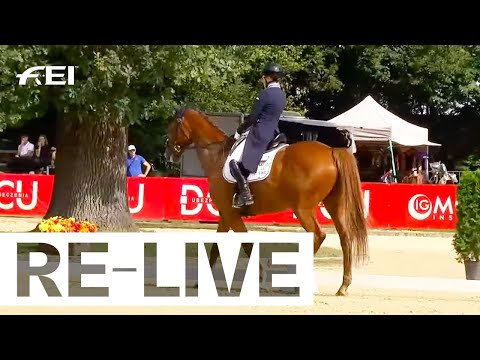
    Enjoy now the Dressage Day 2 CH-EU-J-CCI3*-L competition of the FEI Eventing European Championship for Young Riders and ...
    0 Yorumlar 0 hisse senetleri 259 Views
  • WWW.YOURHORSE.CO.UK
    Lunging exercises to help a horse work correctly
    Theres a lot more to lunging a horse than going round in circles incorporating a few lunging exercises makes it a more effective and interesting session for both of you.Good lunging exercises encourage the horses to use and develop the right muscles, improves suppleness and balance, as well as adding variety to their work schedule.Trotting and cantering around in endless circles is not the goal here; you want your horse to be working forward correctly, learning to carry themselves, engaging the hindleg, fully focused and listening to you, which will be evident in sharp transitions in response to your voice aids.This type of work is quite hard, so keep your lunge sessions short up to 30 minutes is usually plenty and shorter still if the horse is unfit, young or not used to being lunged.Warming upAs with any ridden exercise, your horse must be warmed up (and later warmed down) well at the start (and then finish) of every lunge session, advises Grand Prix dressage rider and trainer Sarah Ridd.Lunging is demanding work, so spend time warming up before asking for more strenuous work. Sarah advises starting with the following exercise:How to do it:Start each lunging session with five minutes of walk and trot without any training aids, like side reins, attached. Remember to do this on both reins.How you position yourself will enable you to give your horse clear aids and direct them. Your horse, lunge rein and whip should form a triangle. The horse is the bottom of the triangle while youre the point at the top of it, and your lunge line and whip form the sides.Take this time to watch your horse. Youre looking to see if they stay out on the circle or perhaps they fall in on one rein. This tells you if theyre struggling with their balance or lack suppleness, and what you need to work on.During this warm up phase, make sure that you work your horse equally on both reins, noting whether they move differently on one rein to the other.Forward transitionsHayley Watson-Greaves, British Dressage supreme national champion in 2017, explains an exercise that teaches a horse to move forwards, helping towards medium trot and medium canter work. It also helps improve balance.How to do it:Transition from trot to walk three times.In trot, ask the horse to transition to a more forward trot by stepping forward with your leg towards the horses shoulder and using your voice in a jolly, upbeat, short-sharp tone. Flick your whip to back up your voice aids if needs be.Aim for five good transitions from trot to forward trot before asking for canter.Repeat on the other rein.Vary moving up and down between the paces as well as asking for more forwardness within a pace, to give your horse a really good work out and keep them listening and focused on you.Your horse will need to push off the ground with their hind leg as you ask for more forwardness. With enough practise, this will help to strengthen their hind legs.CanteringAccording to classical dressage trainer Diane Followell, working your horse in canter on the lunge can really help to develop this pace by improving their balance and engagement.If, for example, your horse tends to rush in canter, improving their balance will make it easier for them to slow down and maintain canter for longer.If theyre a little slow with the inside hind, a balanced canter transition will help engage it.How to do it:Establish a well-balanced trot on a large circle.The place to ask for a canter will depend on your horse. If they tend to hug the wall, then ask on a closed side of the circle.The first few times you ask for canter, you may find that they run on in trot rather than transitioning. Slow the trot down and then repeat your instruction, possibly with a flick of your lunging whip towards the hock. Repeat this until your horse canters.If the horse loses balance and becomes disunited, or if they change lead to the outside leg, come back to trot.Reestablish the trot rhythm and balance and then ask for canter again.The canter may be unbalanced initially and your horse may rush on. If this happens, very gently give and take on the lunge line to help them rebalance and use your voice to maintain the canter rhythm.When the horse returns to trot, they may run on to the forehand. Gently steady them with the lunge line and your voice until they regain balance and natural trot rhythm.Dont expect your horse to canter for a long time. One circle is enough to start with.Avoid asking for a transition up or down in the same place too. Vary where the horse is on the circle so that they dont begin to anticipate the change in pace.Give the horse plenty of breaks. Lunging is demanding both mentally and physically for the horse.StretchingWhat people forget is that the scales of training apply even on the ground. Your horse is still in work, regardless of whether youre sitting on their back or not, so rhythm, contact, suppleness and so on, need to be achieved, states classical dressage trainer and authorClaire Lilley.Your horse needs to be encouraged to lower their head while working on the lunge. This will engage and strengthen the abdominal muscles, and help them work in an outline as they develop a stronger core.Strong, supple horses should be able to stretch in walk, trot and canter with their noses practically on the ground, so use of poles or anything that encourages them to look down may help.How to do it:Encourage your horse to stretch down using poles on the ground. Lunging over ground poles is a great way to strengthen your horses back and build muscle.Move around the arena and change direction regularly. Moving around allows for some straight line work for variety too.Allow freedom of movement and natural rhythm. Moving too fast causes tension in a horse; too slow will not develop their movement.Start by making frequent transitions between walk and trot, and trot and canter, and bear in mind that using plain side reins in other words, non-elasticated ones can help your horse to maintain their balance, especially in canter.Incorporate stretching forwards and downwards over poles without side reins into your lunging sessions. Do this in walk and trot before progressing to canter.Leg yield on a circleBe creative and push the boundaries a bit when youre lunging, says Sarah Ridd who runs Weymarsh Equestrian, as it will help to keep your horse fresh and interested in the work youre asking them to do.How to do it:Start on a large circle and encourage your horse to move forwards in a positive, forward-thinking walk.Mix it up a little and gradually reduce the size of the circle, then push the horse back out again onto a larger one.I like to walk around with my horse while lunging, rather than standing still in the same spot. This allows you to add in some straight lines for a few strides before returning to a circle.Maintain your position and make sure your horse is staying in a good walk rhythm.Now up the pace to trot and repeat the above steps. Remember that the focus is to make sure your horse is working from behind into the contact.Add in some changes of pace, such as transitions between paces or within the pace, to keep your horse listening.Poles on a circleHow to do it:Set four poles at the quarter marks of a circle so that your horse can work around the outside of the poles on a 20m circle, or over them on a 15m circle.Position yourself in the middle of the poles, and start off with your horse in walk before progressing to trot or canter.After three or four circles on each rein, take your horse around the school on straight lines by walking (or running) beside them.This will improvehorses balance and prevent them from motorbiking ie, falling in and taking too much weight on the inside hind and not enough on the outside hind.Look for your horse to be taking weight evenly on all four legs. This is why its important to work a horse on straight lines as well as circles.Leg yield over polesThis exercise will help improve your horses balance and stride length.How to do it:Set out four or five ground poles in a fan shape on a 20m circle. Leave six to eight steps between each pole, depending on your horses stride length.Walk your horse in a circle across the end of the poles nearest you.Ask the horse to spiral out from that circle until they reach the middle of the poles. If you want a slightly bigger stride, aim for the outside of each of the poles.Repeat on the other rein.Your horse should be stretching their neck down as they step over each pole.To vary the exercise:Set four poles at the quarter marks of a circle so that your horse can work around the outside of the poles on a 20m circle, or over them on a 15m circle.Ask them to spiral in and out to vary the size of circle the horse is working on, which will require them to step over different parts of the poles.Turn on the forehandRemember, continues Sarah Ridd, that lunging is hard work for your horse so working them equally on both reins is important.I like to use a turn on the forehand from halt to change the rein with my own horses. The crossing action of the horses hindlegs during this movement will help to improve their suppleness.How to do it:Ask your horse to halt. Walk towards them and position yourself by their head.Ask them to bend their head and neck a little to the inside while you gently tap the whip against their inside hindleg to ask them to step away from you.Allow the horse to move their hindquarters away from you. You may need to repeat the aid so that they keep moving until theyre facing in the opposite direction.Now step backwards away from their head and ask them to walk forwards on the new rein. Now repeat exercise 2 on this rein.Going largeOnce youve established that youre in control on a circle, vary it a little and make full use of your arena, advises Sarah Ridd.How to do it:Ask for a 15m circle in the corner of the school and then continue down the long side.Once straight, ask for some medium trot steps and then go back to working trot.Go onto another 15m circle in the next corner this is great for your fitness too, as youll need to jog with your horse.If your horse is young, inexperienced, or needs time to learn this new exercise, begin in walk and progress to trot when youre both ready.Related contentPessoa lunging system: how to fit and use it correctlyHow to use a lunging whipGroundwork exercises for horses to build trustHow to lunge in a chambonThe post Lunging exercises to help a horse work correctly appeared first on Your Horse.
    0 Yorumlar 0 hisse senetleri 251 Views
  • WWW.YOURHORSE.CO.UK
    Cavesson or bridle? Plus other useful horse lunging equipment
    In order to do it correctly, youll need to have the right kit and equipment for lunging a horse. Basic essentials are a lunge rein thats fit for purpose and long enough to do the job properly.You will also need a lunging cavesson (unless you plan to use a bridle more on this later), roller and many people choose to have a lunging whip, which can be a useful aid that acts as an extension of your arm. There are other optional lunging aids to consider as well.Gloves, a riding hat and a good pair of riding (or yard) boots are also vital for keeping you comfortable and safe.Useful horse lunging equipmentBridle or cavessonLunge reinRoller (or saddle, but make sure the stirrups are removed or secured so that they dont flap around as the horse moves)Lunging whipFor the rider, a hat, gloves and boots are essentialTraining aidsYou can find out more about what each training aid is and how it works by clicking on its name:Pessoa lunging systemDe GogueChambonLungie BungieSide reinsBridle or cavesson?You can choose to lunge from either your horses bridle or a lunge cavesson. The key difference between the two is lunging from a cavesson means you are not controlling your horse via their bit.Lunging from a cavessonA lunge cavesson (see main image, above) is made from webbing or leather and has a number of rings on the front of the noseband for the lunge line to attach to.How to fit itCheck that you can slide one finger between your horses face and the lunge cavesson.The noseband should sit a thumbs width below the bottom of your horses cheekbone.The strap that fastens under the jaw keeps the cavesson stable, so it needs to fit snuggly with room for one finger.If you want to fit a bridle over the top of the cavesson, remove the noseband, reins and browband from the bridle so that it fits as comfortably as possible.Lunging from a bridleLunging from a bridle can offer a little more control, but if youre going to be using a training aid such as side reins as well it can give the horse conflicting messages.This is because side reins attach to the bit and so the horse will constantly feel pressure in their mouth, which they usually associate with slowing down or stoping.Thats why, if you choose to use a lunging aid, its better to use a cavesson rather than a bridle.Attaching a lunge reinA white lunge rein passes through the bit and up over the pollThere are two main ways to attach the lunge line to the bit. Bear in mind that with both of the following options, you will need to change the lunge rein around every time you change the rein.1 Over the horses headRun the lunge line through the inside bit ring, up the side of your horses head and across their poll.Clip it to the outside bit ring (facing outwards, so it doesnt rub their cheek).This means there is pressure over the horses poll rather than just their mouth.2 Under the chinPass the lunge line through the bit ring, under the horses chin and fasten it on the opposite bit ring.Never attach the lunge line to the inside bit ring (ie the one closest to you on the inside of the circle) because there is a risk of the bit being pulled through the horses mouth.They will also feel uneven pressure if you only attach to one side of the bit.Should you use a lunging aid?A lunge line passes through the inside bit ring, under the chin and attaches to the outside bit ringThe use of lunging aids causes great debate amongst horse owners.Personally, I have found my horses lunge well in side reins, providing they are working forward into the contact.Ultimately, a training aid that is fitted correctly, used well and for the right reasons, can be of great help when working a horse on the lunge.The problems start when it doesnt fit properly and so the horse becomes uncomfortable and/or anxious.If the person lunging a horse doesnt really understand how to use the training aid properly, this will also cause the horse discomfort.Choosing a training aidPhysical abilityBefore using any training aid, make sure your horse is physically able to do whats being asked.Using any gadget when they have an underlying problem wont help at all. This could be anything from level of fitness, age and training, through to physical pain in the horses mouth or body.Read the instructionsDo this before using any lunging equipment or aids so that you understand how it works and how to fit it for your horse.If youre unsure, ask for advice from a trainer or someone experienced and trustworthy first.Start with it looseAlways start with the training aid on the loosest setting so your horse gets used to wearing it and is able to stretch and warm up properly first. Adjust it gradually.Dont expect miraclesAny lunging aid will only work if your technique is upto scratch and it is never a quick fix. Keep your horse moving forwards on the lunge and work them evenly on both reins.Less is moreKeep lunging sessions short to avoid injury and gradually increase the length of timeyou use the training aid.Make sure you loosen it (or remove it) and allow the horse to cool down and stretch at the end of every session.Do youreallyneed a lunging aid?Using a lunging aid is personal choice. Using an aid incorrectly can cause a horse discomfort and confusion, so it is better not to use one if you are not sure how to use it properly.If you do decide to use one, follow these five golden rules:Make sure your horse is physically able to do whats being asked of them when youre lunging. Using any gadget when they have an underlying problem will only make it worse.Read the instructions before using the lunging aid so you know how to fit it correctly and understand how it works. If youre unsure, ask for advice from your trainer first.Always start with the aid on the loosest setting so your horse gets used to wearing it. Then adjust it gradually.Dont expect miracles. Horse lunging equipment will only work if your technique is up to scratch. Its important to keep your horse moving forwards on the lunge and to work them evenly on both reins.Keep your lunging sessions short to avoid the risk of injury and gradually increase the length of time.Horse lunging equipment: when less is moreGrand Prix dressage rider and trainer Sarah Ridd likes to keep her lunging equipment really simple.All you need is a roller (or saddle), a lunge cavesson, your horses bridle and I like to use side reins, she says.Sometimes less really is more. Find what lunging equipment works best for you and your horse, and away you go!Images: copyright ShutterstockRelated contentLunging exercises to help your horse work correctlyLong reining a horse: technique explained plus exercises to tryHow to read a horses body languageWhy bad behaviour could be a plea for helpThe post Cavesson or bridle? Plus other useful horse lunging equipment appeared first on Your Horse.
    0 Yorumlar 0 hisse senetleri 346 Views
  • WWW.YOURHORSE.CO.UK
    How to lunge a horse in a chambon
    A chambon is a training aid that can be used when lunging a horse or loose schooling it should not be used for ridden work or jumping.When fitted and used correctly, a chambon encourages the horse to work in a longer, lower outline while using the muscles over their back, quarters and neck.A chambon is effective for horses who go in a hollow outline, with their head up, back dropped and quarters trailing, explains expert instructor and dressage trainer Tara Osborn.By encouraging a longer, lower frame, the horse will learn to use their back muscles and engage the quarters. It must be introduced slowly and the horse must be encouraged forward into the contact to get the best results.What is a chambon?A chambon is made up of two nylon cords that sit on the sides of the horses face and attach to the bit. It also has a leather headpiece and a leather strap that passes between your horses forelegs and loops onto a roller.The cords clip to each bit ring and then pass up the side of the head and through a loop just below the each ear.From here, the cords go down to attach to a single strap that passes between the horses forelegs and loops onto the girth or roller.A chambon can be used when lunging a horse or when loose schooling a horse on the flat. It should not be used for ridden work or jumping.How does a chambon work?The chambon mainly relies on poll pressure. It acts on the poll and, via the bit, on the corners of the horses mouth.When the horse raises their head higher than desired, the bit is raised in the mouth and poll pressure is applied.As soon as the horse lowers their head the pressure is removed. In effect, the horse works the chambon.If your horses topline is undeveloped, they need to be encouraged to take their poll down and forwards when working and the chambon does just this.By encouraging correct stretching of the horses neck, the back muscles, abdominal muscles, topline of the neck and muscles of the haunches all come into play.As the horses back begins to lift they will start to show more engagement by bringing their hindlegs underneath them.This can be tricky to achieve under a saddle, which is why lunging in a correctly fitted chambon can be helpful.What is it good for?Lunging a horse in a chambon can help achieve the following:Developing suppleness of the backEncouraging a longer, lower frameDeveloping muscle over the back and loins particularly good for strengthening the muscles used for jumpingStrengthening the hindquartersDeveloping looseness in the paces through suppleness in the backDeveloping toplineWhen to use a chambonThe chambon is ideal for the early stages of a horses education or in retraining. If a horse has a weak topline, they may be reluctant to stretch through their back.Lunging in a chambon can encourage a horse that has been moving with a hollow back to stretch their frame down and outwards, and swing their hindlegs further under the body for better engagement.Fitting a chambonThe correct fitting of the chambon is key. It is not a tool to force your horse to carry their head in a low position.If a chambon is fitted too tightly, the horse will draw their neck back behind the vertical and become overbent. If the chambon is too loose, the horse will trail their quarters and little muscle development will be achieved. The cords should be attached so that the chambon is just taut when your horse is standing normally.Make sure you dont fit it too tightly.When youre lunging in a chambon,the horse shouldnt be allowed to slop along with no connection to the contact. Any of these mistakes will lead to the horse working on their forehand.Main image of a horse lunging in a chambon: copyright Your Horse Library/Kelsey Media LtdRelated contentPessoa lunging system explainedUseful lunging equipmentLunging exercises to help a horse work correctlyGroundwork exercises for horses to build trustHow to improve a horses poor toplineThe post How to lunge a horse in a chambon appeared first on Your Horse.
    0 Yorumlar 0 hisse senetleri 259 Views