• WWW.HORSEILLUSTRATED.COM
    ASPCA Right Horse Adoptable Horse of the Week: Alma
    Welcome to Horse Illustrateds weekly installment of the Right Horse Adoptable Horse of the Week, offered in partnership with the ASPCAs Right Horse program. This weeks adoptable horse is Alma! Check back weekly for a new featured horse so you can find your Right Horse.Photo courtesy Wild at Heart Horse RescueAdoptable Horse: Alma, a 17-year-old, 15.1hh Kentucky Mountain Horse mareOrganization: Wild at Heart Horse Rescue, Lancaster, Calif.Get to Know Adoptable Horse AlmaMeet Alma, a stunning Kentucky Mountain Horse mare with a story as remarkable as her spirit. Alma came from a wild herd roaming reclaimed Kentucky mine land. When toxic forage threatened the herds survival, the Kentucky Humane Society and ASPCA stepped in to bring them to safetyand thats how Alma found her way to Wild at Heart Horse Rescue.As one of the older mares in her group, Alma carried years of instinctive caution. Helping her learn trust again hasnt been quick or simplebut it has been absolutely worth it. After three patient, dedicated years of gentle handling and relationship-building, Alma has blossomed.Today, Alma is: Under saddle and confidently hitting the trails Standing calmly for the farrier, vet, and routine care Learning that humans can be safe and reliable partnersAlma is still a sensitive mare who will benefit from an adopter with patience, kindness, and a willingness to take things at her pace. But with the right person, she is ready to continue her transformation into a loyal and willing partner.Contact Wild at Heart Horse Rescue today about ASPCA Right Horse Adoptable Horse of the Week, Alma!ASPCA Right HorseASPCA Right Horse is the online adoption platform of The Right Horse Initiative, a collection of equine industry and welfare professionals and advocates working together to improve the lives of horses in transition. A program of the ASPCA, their goal is to massively increase horse adoption in the United States. To find more adoptable horses and foster horses, visit www.myrighthorse.org. To learn more about The Right Horse, a program of the ASPCA, visit www.aspcarighthorse.org.The post ASPCA Right Horse Adoptable Horse of the Week: Alma appeared first on Horse Illustrated Magazine.
    0 Commentaires 0 Parts 151 Vue
  • WWW.BRITISHHORSEFEEDS.COM
    Keeping Your Horse Hydrated in Winter Duplicate [#13518]
    Ulcers Uncovered: How to Prevent Equine Gastric Ulcers with Fibre-First FeedingEquine Gastric Ulcer Syndrome (EGUS) isnt just a performance horse problem it can affect any horse or pony, from top athletes to your favourite hacking buddy. Understanding what causes gastric ulcers in horses, how to spot the signs, and natural feeding strategies like fibre mash feeds is essential for prevention and long term gut-health.What Are Equine Gastric Ulcers (EGUS) and Why Do They Matter?EGUS refers to ulceration within the horses stomach and can impact comfort, behaviour, performance, and overall wellbeing. While many owners are more clued up today, the why, what, and how behind ulcers still needs clear, practical explanationespecially around management, feeding, and exercise.Key takeaways:Ulcers can occur in any horse or pony, not only racehorses or highlevel performance horses.Management factors such as stress, stabling, travel, and highstarch diets increase risk.Prevention focuses on fibre-first feeding, continuous access to forage, and reducing fasting periods.Understanding the Horses Stomach: Acid Zones and Risk AreasTo understand why ulcers happen, you need an understanding of the horses stomach. The horses stomach has two distinct regions, each with different protection levels against acid:The Acid Factory (Lower Glandular Region): Continuously produces strong acid to break down food. It has a protective mucus layer think of it like a non-stick coating.The Danger Zone (Upper Squamous Region): This top section acts like a reservoir, but lacks a protective mucus layer. When acid splashes up here particularly during exercise or when the stomach is empty ulcers may form.Fibre First: Why High-Fibre Diets Protect Against UlcersHorses are designed to graze almost continuously. As hindgut fermenters that thrive on fibre and consistent intake.The buffer effect: Because the stomach is always making acid, a steady supply of forage creates a fibre mat that literally soaks up the acid and acts as a acid buffer.The saliva shield: Chewing fibre stimulates saliva production. Saliva, which is naturally alkaline, helps neutralise stomach acid as the horse swallows.Modern Management vs Natural FeedingOur management of performance horses often creates the perfect storm for ulcers:Stress and routine changes: Travel, competition, and stabling can spike stress hormones and reduce blood flow to the stomach lining, making it more vulnerable to acid.High starch, low fibre diets: Concentrates may be needed for some horses, but excess starch alongside insufficient forage increases EGUS risk.Fasting periods: Long gaps without forage mean acid accumulates without the protective saliva and fibre mat.Its a myth that ulcers only plague racehorses they can affect any horse or pony.More recent research shows*:Racehorses: Up to 93% are affected.Performance/Sport Horses: Around 63% have them.Leisure Horses/Ponies: Up to 60% have been reported to have ulcers.Foals: Even youngsters are susceptible, with rates between 5084%!The Exercise Connection: How Workload Impacts Ulcer RiskDuring intense movement stomach contents are sloshed upward, bathing the vulnerable squamous area in acid for longer. Horses worked most days of the weekespecially at speed or collectionmay show higher ulcer risk. One study even noted that horses exercised for more than five days a week had a 10% higher ulcer rate.Simple fix: Give your horse hay or a fibre feed like Fibre-Beet before grooming or tacking up. This helps form a protective fibre mat that reduces acid splash in the stomach during exercise. Fibre-Beet is a super-fibre conditioning feed that alongside beet pulp includes alfalfa for added quality protein and is formulated to keep the gut healthy.Spotting the signsTheres no single, simple symptom, but keep an eye out for:Girthiness or sensitivity around the bellyWeight loss or poor coatCrankiness or unusual behaviourReduced performance or reluctance to workRecurring mild colicDiagnosis: If you suspect a problem, always call and consult with your vet. The only way to know for sure is a gastroscopy (a camera scope into the stomach), which requires fasting and sedation.Fibre First: Simple management tipsFor long-term protection, remember:Fibre: Your horses diet should be mostly high-fibre, low-starch forage. Only add concentrates when and if you need extra energy for work.Turnout time: Maximise grazing time. This mimics the wild horses continuous eating pattern.Ad-lib forage: If stabled, always provide hay so they can constantly graze and buffer acid.Before work and potentially stressful happenings: Feed fibre (hay or a small fibre mash) before stressful events like a vet visit or travelling to a competition. This acts as a protective barrier against acid splashing.Fibre-Beet from British Horse Feeds Fibre-Beet has been awarded the Gastric Ulcer Feed Assurance Mark by the British Equestrian Trade Association, confirming its a safe choice for horses prone to EGUS as part of a balanced diet.To find more information about Fibre-Beet mash go.The post Keeping Your Horse Hydrated in Winter Duplicate [#13518] appeared first on British Horse Feeds.
    0 Commentaires 0 Parts 371 Vue
  • WWW.OLDMILLSADDLERY.COM
    Gear Up For The New Year
    The turn of the year is a natural moment for reflection. In the saddle, its a chance to look back on what youve achieved, what challenged you...
    0 Commentaires 0 Parts 434 Vue
  • THEHORSE.COM
    Subtle Signs of Equine Gastric Ulcers
    Behavioral signs, such as pinning the ears, can indicate pain from gastric ulcers. | Shelley PaulsonQ: Are there early, subtle signs of gastric ulcers that owners often miss before the classic symptoms appear?A: Historically, we have considered loss of appetite and unexplained weight loss as the most common signs of gastric ulcers, but our understanding of the diseases has changed a lot over the past few years. Loss of appetite can still be important, especially in individuals at high risk of squamous disease (ulcers in the upper part of the stomach), but now we recognize changes in behavior as the main clinical presentation of ulcers, with 85% of horses that present for gastroscopy having a history of undesirable behavior or behavioral change.In considering undesirable behavior or behavioral change, it is important to recognize that such behaviors are not specific to ulcers; they are the horses language of pain. This change in awareness has caused a shift in our approach to these cases away from, The horse must have ulcers, to, The horse has pain: Where does it come from? The differentials for pain include not only ulcers but also a broader range of possible causes such as lameness, back pain, or dental disease. We also increasingly recognize pain as a potential driver of ulcers, reinforcing how important it is to look at the whole horse and not just focus on the stomach (a weird thing for the ulcer guy to say, right?) so, even when we diagnose ulcers, well commonly look at other potential contributors such as concurrent lameness.The Ridden Horse Pain Ethogram is a great resource for understanding the types of behavior associated with pain. These include overt behaviors such as bucking and rearing, along with a range of subtle behaviors including tail flicking, abnormal head carriage, and excessively pinning the ears. From there, no one knows your horse better than you, and the owners first perception of subtle changes in behavior is typically the tipoff for the potential presence of pain. This is a great point to engage with your veterinarian and discuss the best path forward for your horse and your circumstances.Because there are many potential causes of pain, including common ones such as gastric ulcers, low-grade lameness, and poor saddle or bridle fit, it is important to assess the response to treatment before completely attributing the behavior to the gastric ulcer diagnosis. Most horses with behavioral abnormalities will improve with a correct diagnosis and treatment, although some will have residual learned behaviors that require specific intervention. This is especially true of ground-based anticipatory behaviors such as girthiness. If you do not see an improvement in abnormal behavior with treatment, then you might need to reassess the diagnosis and potential causes of pain beyond the stomach with your veterinarian.Take-Home MessageSubtle behavior changes are a common early warning sign of ulcers, along with other potential causes of pain. When we know our own horses typical behaviors and the key signs to look for, we can recognize issues early and intervene for the benefit of our horses well-being. For further reading, the article Can all behavioral problems be blamed on EGUS? is an in-depth discussion on the topic of behavior and ulcers. Do you have a question about equine gastric ulcers? We want to hear from you! Submit your question below. Name(Required) First Last Email(Required) Address(Required) City State / Province / Region Submit your ulcer-related question below!(Required)By clicking submit below, you consent to allow TheHorse.com and Kelato to store your information and use it to communicate with you regarding your question and other services.CAPTCHA Related Content: Equine Gastric UlcersYour Questions AnsweredVIDEO: Understanding Squamous Ulcers vs. Glandular Ulcers in HorsesVIDEO: Signs of Gastric Discomfort in HorsesWhat Horses Are Most Likely to Develop Gastric Ulcers?Diagosing and Treating Gastric Ulcers in Horses
    0 Commentaires 0 Parts 131 Vue
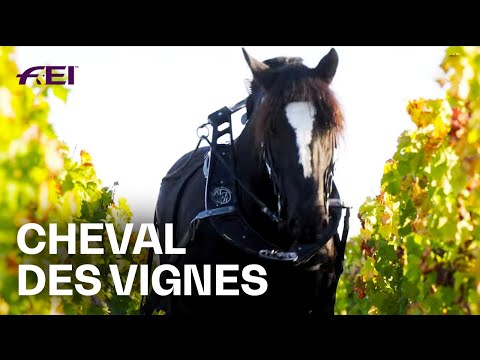
  • Horses and a vineyard? Count us in! | RIDE presented by Longines
    In this episode of RIDE, presented by @longines, we visit Cheval des Vignes, a family run business bringing horses back into the ...
    0 Commentaires 0 Parts 184 Vue
  • WWW.JUSTHORSERIDERS.CO.UK
    Mastering the Art of Stable Management: Essential Tips for a Harmonious Horse-Handler Relationship
    Category Key Points Introduction Stable management is crucial for horse health, behavior, and relationships with handlers. What is Stable Management? A comprehensive care system ensures equine health and facilities smooth operation. Essential Pillars Care and Nutrition: Tailored diets for individual needs. Proper Shelter: Clean, comfortable stalls. Regular Exercise: Consistent activity for fitness and mental stimulation. Health Monitoring: Proactive management to prevent issues. Safety and Security: Injury prevention through design and protocols. Role of Exercise and Turnout Essential for physical and mental health. Lack of turnout leads to frustration and behavioral problems. Stable Vices Stereotypic behaviors from inadequate management; prevention through proper care. Enrichment Edible Enrichment: Extended hay nets and treat balls. Environmental Enrichment: Strategic stable environment changes. Training Connection Effective management influences training success; stress management is key for learning. Comprehensive Plan Includes nutrition, exercise schedules, and ongoing evaluation for improvement. Conclusion Informed management ensures health, trust, and a rewarding horse-handler relationship. Understanding and Managing Stable Possession in Horses: Tips for a Harmonious Relationship Introduction Stable management is far more than simply providing shelter and food for your horse. It encompasses a comprehensive approach to caring for these intelligent, sensitive animals that directly impacts their physical health, mental wellbeing, and behavior. Effective stable management contributes to developing better relationships between handlers and horses, reducing behavioral problems, and enhancing overall health. What is Stable Management? Stable management refers to the complete system of care, housing, and handling that supports a horse's wellbeing within a stabled environment. It's essential for equine health and the smooth operation of equestrian facilities, comprising multiple interconnected components to support optimal equine health and behavior. The Essential Pillars of Stable Management Understanding the core elements of stable management can make a significant difference: Care and Nutrition Each horse requires a specific diet tailored to its unique needs. For instance, a competitive horse might need energy-rich food. Proper Shelter Clean, comfortable stalls are non-negotiable for optimal living conditions. Regular Exercise Horses require consistent physical activity to maintain fitness and mental stimulation. Health Monitoring Proactive health management is crucial to prevent minor issues from escalating. Safety and Security The stable environment must protect from injury through proper design and protocols. The Critical Role of Exercise and Turnout One critical aspect of stable management is providing adequate exercise and turnout time. Horses need regular physical activity to stay fit and mentally stimulated, beyond structured training sessions. Preventing Frustration and Behavioral Problems When horses are confined to stalls without sufficient turnout, they often develop frustration and behavioral problems, such as locomotor stereotypies. These repetitive behaviorssuch as weaving or stall kickingillustrate the horse's attempt to cope with inadequate environments. The quality of exercise is just as important as the quantity, with varied activities maintaining both physical conditioning and psychological health. Turnout rugs can support comfortable, extended time outdoors. Understanding and Preventing Stable Vices "Stable vices," or stereotypic behaviors, are repetitive, seemingly functionless actions horses perform due to inadequate management. They often arise from insufficient social contact or limited turnout. Differentiating Stereotypies These behaviors fall into two categories: Locomotor stereotypiesExpansion of physical restrictions like stall weaving Oral stereotypiesFor example, cribbing and wind sucking, often tied to foraging frustration Prevention is key as stable vices can lead to health issues like hoof damage from stall kicking or tooth erosion from cribbing. Effective Strategies for Prevention The most effective approach to stable vices is through proper management. Address root causes such as improving turnout and adjusting the diet to include more roughage, as seen with horse treats and gifts collections. Providing Essential Enrichment for Stabled Horses When stabling is necessary, enrichment becomes critical for maintaining equine mental health and preventing behavioral problems. Horses have evolved to graze for up to 18 hours a day, a behavior that provides essential forage and mental stimulation. Edible and Activity-Based Enrichment Replicating natural foraging behaviors can be achieved with: Extended hay netsSlowing consumption and extending grazing time Treat ballsRequiring manipulation to access food Introduce toys and activities gradually and observe your horse's reactions carefully, respecting their individual sensitivity levels. Environmental Enrichment The stable environment itself provides valuable enrichment opportunities. Strategies such as repositioning your horse during the day or maintaining a predictable acoustic environment can benefit the mental wellbeing of horses. The Connection Between Stable Management and Training Effective stable management directly influences training success. Training comprises the bigger picture of what a horse experiences. Stress management plays a pivotal role in horse learning capacity, influencing their emotional state and behavior. Stress and Learning Research indicates that horses learn most effectively when motivation is balanced. Too much stress can lead to fear and anxiety, impairing learning abilities. Implementing Training Principles Understanding horse learning through evidence-based principles enhances human-horse relationships. Techniques like habituation, classical conditioning, and operant conditioning support positive behavior reinforcement. Developing a Comprehensive Stable Management Plan Creating a comprehensive stable management plan involves recognizing that everything from stall design to training approaches contributes to health and wellbeing. Involve several elements such as nutrition protocol and exercise schedules. Monitoring and Adjusting Practices Signs like stereotypic behaviors, behavioral changes, or physical decline indicate management requires adjustment. A mindful evaluation of practices can reveal valuable insights for improvement, ensuring overall wellbeing. The Path Forward: Creating Harmony in Stable Management Informed stable management is the foundation of a harmonious relationship, paving the way for a confident horse and a trusting partnership. These efforts ensure robust physical and psychological health, creating a rewarding experience for both horses and handlers.```html```
    0 Commentaires 0 Parts 140 Vue
  • Thank you for flying Glamourdale Airlines
    Glamourdale and Lottie Fry stunned the crowed in London! Subscribe to our YouTube channel & hit the bell!
    0 Commentaires 0 Parts 191 Vue
  • BLOG.CITRUS-LIME.COM
    Perfect Protection and Therapeutic Care: Explore A Range of Stable Boots at Redpost Equestrian
    Finding the Best Boots For Your HorseWhether youre managing an active competition horse or supporting an older equine through the colder months, the right stable boots can make a world of difference to their comfort and performance. At Redpost Equestrian, we stock a wide range of both protective and therapeutic stable boots, designed to ensure comfort, improve recovery and the overall wellbeing of your horse or pony.Whether you are looking to find out more about cooling therapy, magnetic technology or cushioning protection, stable boots can be used effectively as part of your horses daily care routine. In this guide, well walk you through the different types of stable boots, how they work, and help you to make the best choice to meet your horses needs.Therapeutic stable boots can be instrumental in supporting recovery and performance.Equilibrium Magnetic ChapsWhy Stable Boots MatterThe Stable Boot SelectionCold Therapy BootsMagnetic BootsProtective Stable BootsTop Tips for Using Stable Boots SafelyWhich Stable Boots Are Right for Your Horse?Redpost Equestrian: Here to HelpWhy Stable Boots MatterDespite the power we often associate with horses as athletic flight animals, their legs can be surprisingly delicate. Circulation in the lower limb is naturally limited, tendons and ligaments (as connective tissues) are typically slow to heal, and even everyday wear and tear can lead to stiffness, swelling or discomfort.The Stable Boot SelectionCold Therapy BootsHorses and ponies can accumulate heat in their lower legs after exercise. Excess heat can contribute to inflammation, tendon strain and delayed recovery. Cooling and ice boots offer a practical way to cool the legs effectively, reducing instances of injury and discomfort.Cooling Boots can use gel inserts that can be frozen, water activated fabrics designed to slow the evaporation of water and cool the legs or ice pockets for targeted cold therapy.Quick and easy to apply at home or at shows, cooling boots offer a fast and effective cooling option when prolonged cold-hosing is not practical or possible.Horseware Ice-Vibe Leg WrapsWeatherbeeta Therapy-Tec II Gel Ice BootsARMA Cool Hydro Therapy BootsLeMieux Arctic Ice BootsShop All Cooling and Ice Boots HereMagnetic BootsThe gentle, non-invasive nature of magnetic fields makes magnetic boots an excellent option for enhancing general wellbeing and managing stiffness.Strategically placed magnets create magnetic fields around the horses lower limb. These fields are believed to support natural blood flow, reduce stiffness and swelling, and promote overall relaxation.Magnetic boots are quick and easy to use, with no preparation required. They are ideal for older horses, those who need to be stabled for periods of time or those who tend to experience stiffness during the colder months. With veterinary approval, magnetic therapy can also be used as part of a long-term management plan for horses with joint or tendon issues.Veredus Magnetik 4 Hour Boot Front Magnetic TherapyKentucky Magnetic Recuptex Stable BootsARMA Magnetic BootsEquilibrium Magnetic Hind and Hock ChapsShop All Magnetic Boots HereProtective Stable BootsProtective stable boots are designed to protect the legs from scrapes, knocks and rubbing while providing warmth and support during periods of rest. They are typically padded for comfort and specially shaped to fit the lower leg.For many horse owners, protective stable boots can provide a quicker and more convenient alternative to bandaging. When correctly fitted, stable boots are often more secure and can offer more consistent support. They can also be used to aid recovery from strenuous exercise.Weatherbeeta Tough-Tec Stable Wrap BootsHy Equestrian Stable Protection BootsHorseware Show-Ready WrapsEskadron Pro Stable BootsShop All Protective Stable Boots HereTop Tips for Using Stable Boots SafelyEnsure a correct fitboots should be snug but not too tightKeep boots clean and in good repair to prevent irritation and injuryIntroduce therapy gradually if your horse is new to magnetic or heat technologiesCheck for rubsespecially in winter when coats are longerFollow manufacturer instructions carefully to ensure safety and efficacyConsult your vet before using a therapy product if your horse is recovering from injury or has a complex health conditionHorseware Ice Gel Stable BootsHorse Boots and Protective LegwearWhich Stable Boots Are Right for Your Horse?It is important to assess your horses particular circumstances and needs when choosing the best stable boots.For Daily Comfort & Circulation Magnetic boots or therapy boots with infrared technologyFor Post-Exercise Recovery Cooling boots or cold-therapy bootsFor Older Horses or Those with Stiffness Magnetic boots or heat-based therapy bootsFor Preventing Bumps and Knocks Protective stable boots with supportive paddingFor Horses in Hard Work or Regular Competition A combination: cooling boots after exercise and magnetic or therapy boots in the stableMany riders use different boots for different parts of their routine.Redpost Equestrian: Here to HelpAt Redpost Equestrian, we understand that horses are individuals. Choosing the right boots will depend on your horses workload, age, and individual needs. We are proud to offer a superb range of stable and therapy boots from industry-leading brands, with options to suit every need.For further advice, speak to one of our friendly team members by calling 01803 812040 , emailing info@redpostequestrian.co.uk or visiting us at our Devon store. Tried & Tested: Woof Wear Club Brushing BootsTried & Tested: Equilibrium Tri-Zone Brushing BootsTried & Tested: Equilibrium Tri-Zone All Sports Boots ReviewThe post Perfect Protection and Therapeutic Care: Explore A Range of Stable Boots at Redpost Equestrian first appeared on Redpost Equestrian Blog.
    0 Commentaires 0 Parts 462 Vue
  • Episode 4: Timeless Style - Featuring Dani Benus
    Where tradition meets individuality. This portrait of a master tailor explores elegance in every stitch -craftsmanship that endures, ...
    0 Commentaires 0 Parts 256 Vue
  • Building a Healthier Horse, One Month at a Time
    The start of a new year is a great time to reset and make intentional choices about your horses health. Because year-round care can feel like a lot to manage, breaking it down into monthly focus areas can help you stay on track.We know managing your horses health can sometimes feel overwhelming, or people arent sure where to start, says Sarah Reuss, VMD, Dipl. ACVIM, equine technical manager, Boehringer Ingelheim and the 2026 American Association of Equine Practitioners (AAEP) president. Having a month-by-month focus can help make it feel less intimidating, but horse owners should note that this framework is just a guide. If you notice changes in behavior, appetite, or other clinical signs at any time, consult your veterinarian right away.January: Proactively Plan Your YearKick off the year by taking a close look at the show and event calendar and planning which you want to attend. Although plans can change throughout the year, at least you will have an idea of health care needs that may arise based on a tentative schedule. If you work with a trainer, its also a good time to set goals and expectations with them.February: Schedule Spring VaccinationsAs warmer weather approaches, its time to plan for a wellness visit from your veterinarian. Even though you might live in an area where spring vaccinations dont start until later in the year, go ahead and get them on the calendar now. In addition to administering vaccinations, your veterinarian should conduct a complete wellness exam, checking the condition of teeth, establishing an overall body score, conducting a fecal egg count and Coggins test, and evaluating joint health. Be prepared to share your tentative show and event plan for the year so any additional appointments can be scheduled.March: Evaluate the EnvironmentDust in the barn can be a detriment to horses respiratory systems. To help control dust, consider improving overall ventilation. Other management tips include wetting or soaking hay, keeping the barn open, removing cobwebs, and storing hay somewhere other than above stalls. This is also a good time to check that waterers and feeders are clean and functioning properly.April: Focus on NutritionNow is a perfect time to reevaluate your feeding program. Based on your horses body condition and workload, adjust rations as needed. Consider adding a vitamin and mineral supplement if hay quality is variable and always ensure constant access to clean water. Your veterinarian or an equine nutritionist can help with evaluating your feeding program.May: Assess the Condition of TackAs riding season gets into full swing, take some time to evaluate the condition of your tack. Is there anything that needs to be replaced or repaired? You should already be cleaning grooming tools regularly but, if not, deep clean all brushes, buckets, blankets, and any other equipment in the barn and trailer.June: Prioritize Pasture ManagementHealthy pastures mean healthier horses. Rotate grazing areas to prevent overgrazing, drag fields to break up manure piles, and monitor for toxic weeds. Early summer is also a great time to test soil and reseed thin areas for future forage quality. Check fences and gates and perform any necessary repairs.July: Beat the HeatSummer heat brings new challenges. Provide ample shade, fresh water, and electrolytes, particularly for horses with a heavy workload. Check that fly control programs are in place; both mechanical and biological methods can help reduce insect stress.August: Support Digestive HealthA horses stomach produces acid continually, which supports a natural feeding pattern of continuous grazing on forage. Due to the way we manage our horses (stall time vs. continuous turnout) there is a potential for equine stomach ulcers to develop. Use preventive measures such as continuous access to forage via a slow-feed hay net and feeding hay before grain and before exercise. If you feed grain, provide it in small, frequent meals, and ensure access to water at all times.September: Schedule Fall BoostersMake an appointment for fall boosters. Based on the AAEP vaccination guidelines, geographic area, and travel schedule, your veterinarian will recommend which vaccinations need to be boostered. If you have questions, ask. Your veterinarian, who knows your horse and premises, is the best source of information for which vaccines are most appropriate for your horse.October: Prepare for WinterBefore that first freeze, check blanket fit and condition. Ensure any water heaters or insulated buckets are functioning. Stock up on hay, grain, and shavings in the case of inclement weather.November: Revisit Hoof CareWhile farrier visits are routine throughout the year, take the time to evaluate your horses hoof condition and talk with your farrier about potential needs for the winter. Is your horse shod or trimmed to navigate potentially muddy or frozen ground?December: ReflectWhat went well? What did you learn by consciously managing your horses health every month? Close out the year by reviewing your horses health care records, expenses, and achievements. Use what you learned this year to prepare for next year.Small, consistent actions lead to big rewards. By being proactive, youll reduce stress, avoid last-minute scrambles and ensure your horses stay at their best all year long, says Reuss.For more information visitLeadWithCare.com.
    0 Commentaires 0 Parts 154 Vue