


Here on the Legends Page, we pay homage to some of the legends of both Eventing and Showjumping, tracing the origins and evolution of these spectacular equestrian disciplines.
Eventing
Eventing, originating as a military test for cavalry units, evolved to assess the comprehensive abilities of both rider and horse in conditions akin to those on a battlefield. This discipline, which includes dressage, cross-country, and show jumping phases, was formally introduced as a sport in the early 20th century. It made its Olympic debut at the 1912 Stockholm Olympics, reflecting its roots in military traditions and its development into a challenging sport that tests versatility and endurance.
Showjumping
Showjumping, on the other hand, emerged with the specific aim of testing a horse's and rider's skill at navigating a series of obstacles within an arena. The first formal showjumping competition was held in Dublin, Ireland, in 1865. Recognised as an individual discipline by 1907, showjumping also joined the Olympic roster in 1912, highlighting its importance and popularity as a competitive sport. Focused on precision and agility, showjumping has grown into a beloved and visually captivating equestrian sport.
Together, Eventing and Showjumping have rich histories characterised by the incredible achievements of their participants. Here, we celebrate the legendary figures and horses that have defined and continue to elevate these sports, showcasing the deep connection and remarkable teamwork between horse and rider.
Here on the Legends Page, we pay homage to some of the legends of both Eventing and Showjumping, tracing the origins and evolution of these spectacular equestrian disciplines.
Eventing
Eventing, originating as a military test for cavalry units, evolved to assess the comprehensive abilities of both rider and horse in conditions akin to those on a battlefield. This discipline, which includes dressage, cross-country, and show jumping phases, was formally introduced as a sport in the early 20th century. It made its Olympic debut at the 1912 Stockholm Olympics, reflecting its roots in military traditions and its development into a challenging sport that tests versatility and endurance.
Showjumping
Showjumping, on the other hand, emerged with the specific aim of testing a horse's and rider's skill at navigating a series of obstacles within an arena. The first formal showjumping competition was held in Dublin, Ireland, in 1865. Recognized as an individual discipline by 1907, showjumping also joined the Olympic roster in 1912, highlighting its importance and popularity as a competitive sport. Focused on precision and agility, showjumping has grown into a beloved and visually captivating equestrian sport.
Together, Eventing and Showjumping have rich histories characterized by the incredible achievements of their participants. Here, we celebrate the legendary figures and horses that have defined and continue to elevate these sports, showcasing the deep connection and remarkable teamwork between horse and rider.
Here on the Legends Page, we pay homage to some of the legends of both Eventing and Showjumping, tracing the origins and evolution of these spectacular equestrian disciplines.
Eventing
Eventing, originating as a military test for cavalry units, evolved to assess the comprehensive abilities of both rider and horse in conditions akin to those on a battlefield. This discipline, which includes dressage, cross-country, and show jumping phases, was formally introduced as a sport in the early 20th century. It made its Olympic debut at the 1912 Stockholm Olympics, reflecting its roots in military traditions and its development into a challenging sport that tests versatility and endurance.
Showjumping
Showjumping, on the other hand, emerged with the specific aim of testing a horse's and rider's skill at navigating a series of obstacles within an arena. The first formal showjumping competition was held in Dublin, Ireland, in 1865. Recognized as an individual discipline by 1907, showjumping also joined the Olympic roster in 1912, highlighting its importance and popularity as a competitive sport. Focused on precision and agility, showjumping has grown into a beloved and visually captivating equestrian sport.
Together, Eventing and Showjumping have rich histories characterized by the incredible achievements of their participants. Here, we celebrate the legendary figures and horses that have defined and continue to elevate these sports, showcasing the deep connection and remarkable teamwork between horse and rider.
Here on the Legends Page, we pay homage to some of the legends of both Eventing and Showjumping, tracing the origins and evolution of these spectacular equestrian disciplines.
Eventing
Eventing, originating as a military test for cavalry units, evolved to assess the comprehensive abilities of both rider and horse in conditions akin to those on a battlefield. This discipline, which includes dressage, cross-country, and show jumping phases, was formally introduced as a sport in the early 20th century. It made its Olympic debut at the 1912 Stockholm Olympics, reflecting its roots in military traditions and its development into a challenging sport that tests versatility and endurance.
Showjumping
Showjumping, on the other hand, emerged with the specific aim of testing a horse's and rider's skill at navigating a series of obstacles within an arena. The first formal showjumping competition was held in Dublin, Ireland, in 1865. Recognized as an individual discipline by 1907, showjumping also joined the Olympic roster in 1912, highlighting its importance and popularity as a competitive sport. Focused on precision and agility, showjumping has grown into a beloved and visually captivating equestrian sport.
Together, Eventing and Showjumping have rich histories characterized by the incredible achievements of their participants. Here, we celebrate the legendary figures and horses that have defined and continue to elevate these sports, showcasing the deep connection and remarkable teamwork between horse and rider.
Here on the Legends Page, we pay homage to some of the legends of both Eventing and Showjumping, tracing the origins and evolution of these spectacular equestrian disciplines.
Eventing
Eventing, originating as a military test for cavalry units, evolved to assess the comprehensive abilities of both rider and horse in conditions akin to those on a battlefield. This discipline, which includes dressage, cross-country, and show jumping phases, was formally introduced as a sport in the early 20th century. It made its Olympic debut at the 1912 Stockholm Olympics, reflecting its roots in military traditions and its development into a challenging sport that tests versatility and endurance.
Showjumping
Showjumping, on the other hand, emerged with the specific aim of testing a horse's and rider's skill at navigating a series of obstacles within an arena. The first formal showjumping competition was held in Dublin, Ireland, in 1865. Recognized as an individual discipline by 1907, showjumping also joined the Olympic roster in 1912, highlighting its importance and popularity as a competitive sport. Focused on precision and agility, showjumping has grown into a beloved and visually captivating equestrian sport.
Together, Eventing and Showjumping have rich histories characterized by the incredible achievements of their participants. Here, we celebrate the legendary figures and horses that have defined and continue to elevate these sports, showcasing the deep connection and remarkable teamwork between horse and rider.
Eventing
Eventing, originating as a military test for cavalry units, evolved to assess the comprehensive abilities of both rider and horse in conditions akin to those on a battlefield. This discipline, which includes dressage, cross-country, and show jumping phases, was formally introduced as a sport in the early 20th century. It made its Olympic debut at the 1912 Stockholm Olympics, reflecting its roots in military traditions and its development into a challenging sport that tests versatility and endurance.
Showjumping
Showjumping, on the other hand, emerged with the specific aim of testing a horse's and rider's skill at navigating a series of obstacles within an arena. The first formal showjumping competition was held in Dublin, Ireland, in 1865. Recognised as an individual discipline by 1907, showjumping also joined the Olympic roster in 1912, highlighting its importance and popularity as a competitive sport. Focused on precision and agility, showjumping has grown into a beloved and visually captivating equestrian sport.
Together, Eventing and Showjumping have rich histories characterised by the incredible achievements of their participants. Here, we celebrate the legendary figures and horses that have defined and continue to elevate these sports, showcasing the deep connection and remarkable teamwork between horse and rider.
Here on the Legends Page, we pay homage to some of the legends of both Eventing and Showjumping, tracing the origins and evolution of these spectacular equestrian disciplines.
Eventing
Eventing, originating as a military test for cavalry units, evolved to assess the comprehensive abilities of both rider and horse in conditions akin to those on a battlefield. This discipline, which includes dressage, cross-country, and show jumping phases, was formally introduced as a sport in the early 20th century. It made its Olympic debut at the 1912 Stockholm Olympics, reflecting its roots in military traditions and its development into a challenging sport that tests versatility and endurance.
Showjumping
Showjumping, on the other hand, emerged with the specific aim of testing a horse's and rider's skill at navigating a series of obstacles within an arena. The first formal showjumping competition was held in Dublin, Ireland, in 1865. Recognized as an individual discipline by 1907, showjumping also joined the Olympic roster in 1912, highlighting its importance and popularity as a competitive sport. Focused on precision and agility, showjumping has grown into a beloved and visually captivating equestrian sport.
Together, Eventing and Showjumping have rich histories characterized by the incredible achievements of their participants. Here, we celebrate the legendary figures and horses that have defined and continue to elevate these sports, showcasing the deep connection and remarkable teamwork between horse and rider.
Here on the Legends Page, we pay homage to some of the legends of both Eventing and Showjumping, tracing the origins and evolution of these spectacular equestrian disciplines.
Eventing
Eventing, originating as a military test for cavalry units, evolved to assess the comprehensive abilities of both rider and horse in conditions akin to those on a battlefield. This discipline, which includes dressage, cross-country, and show jumping phases, was formally introduced as a sport in the early 20th century. It made its Olympic debut at the 1912 Stockholm Olympics, reflecting its roots in military traditions and its development into a challenging sport that tests versatility and endurance.
Showjumping
Showjumping, on the other hand, emerged with the specific aim of testing a horse's and rider's skill at navigating a series of obstacles within an arena. The first formal showjumping competition was held in Dublin, Ireland, in 1865. Recognized as an individual discipline by 1907, showjumping also joined the Olympic roster in 1912, highlighting its importance and popularity as a competitive sport. Focused on precision and agility, showjumping has grown into a beloved and visually captivating equestrian sport.
Together, Eventing and Showjumping have rich histories characterized by the incredible achievements of their participants. Here, we celebrate the legendary figures and horses that have defined and continue to elevate these sports, showcasing the deep connection and remarkable teamwork between horse and rider.
Here on the Legends Page, we pay homage to some of the legends of both Eventing and Showjumping, tracing the origins and evolution of these spectacular equestrian disciplines.
Eventing
Eventing, originating as a military test for cavalry units, evolved to assess the comprehensive abilities of both rider and horse in conditions akin to those on a battlefield. This discipline, which includes dressage, cross-country, and show jumping phases, was formally introduced as a sport in the early 20th century. It made its Olympic debut at the 1912 Stockholm Olympics, reflecting its roots in military traditions and its development into a challenging sport that tests versatility and endurance.
Showjumping
Showjumping, on the other hand, emerged with the specific aim of testing a horse's and rider's skill at navigating a series of obstacles within an arena. The first formal showjumping competition was held in Dublin, Ireland, in 1865. Recognized as an individual discipline by 1907, showjumping also joined the Olympic roster in 1912, highlighting its importance and popularity as a competitive sport. Focused on precision and agility, showjumping has grown into a beloved and visually captivating equestrian sport.
Together, Eventing and Showjumping have rich histories characterized by the incredible achievements of their participants. Here, we celebrate the legendary figures and horses that have defined and continue to elevate these sports, showcasing the deep connection and remarkable teamwork between horse and rider.
Here on the Legends Page, we pay homage to some of the legends of both Eventing and Showjumping, tracing the origins and evolution of these spectacular equestrian disciplines.
Eventing
Eventing, originating as a military test for cavalry units, evolved to assess the comprehensive abilities of both rider and horse in conditions akin to those on a battlefield. This discipline, which includes dressage, cross-country, and show jumping phases, was formally introduced as a sport in the early 20th century. It made its Olympic debut at the 1912 Stockholm Olympics, reflecting its roots in military traditions and its development into a challenging sport that tests versatility and endurance.
Showjumping
Showjumping, on the other hand, emerged with the specific aim of testing a horse's and rider's skill at navigating a series of obstacles within an arena. The first formal showjumping competition was held in Dublin, Ireland, in 1865. Recognized as an individual discipline by 1907, showjumping also joined the Olympic roster in 1912, highlighting its importance and popularity as a competitive sport. Focused on precision and agility, showjumping has grown into a beloved and visually captivating equestrian sport.
Together, Eventing and Showjumping have rich histories characterized by the incredible achievements of their participants. Here, we celebrate the legendary figures and horses that have defined and continue to elevate these sports, showcasing the deep connection and remarkable teamwork between horse and rider.
-
5 Les gens qui ont lié ça
-
23 Articles
-
24 Photos
-
0 Vidéos
-
0 Aperçu
-
Autre
Rechercher

 English UK
 English US
 Arabic
 Spanish
 Portuguese
 Deutsch
 Turkish
 Dutch
Dutch
 Italiano
 Russian
 Romaian
 Portuguese (Brazil)
 Greek
Greek
Mises à jour récentes
-
Andrew Nicholson, the legendary New Zealand horseman known as “Mr. Stickability,” reached unprecedented heights with Avebury, the grey gelding who helped him secure three consecutive Burghley Horse Trials victories from 2012 to 2014. Their record-breaking hat-trick showcased a synergy rarely seen in eventing, earning the duo international acclaim.
Avebury’s consistency was evident from the outset: a nimble and clever jumper, he excelled on the cross-country phase, a domain where Nicholson’s skill truly shines. Together, they navigated Burghley’s famously demanding track with such ease that their trademark precision and speed seemed almost effortless.
“It’s not just about his athletic ability,” Nicholson once remarked of Avebury. “It’s about his heart and how much he wants to do it.”
Nicholson’s achievements extend well beyond Burghley. A multi-time Olympian, he has represented New Zealand at numerous Games, gaining a reputation for unshakeable composure, particularly in the daunting cross-country phase. His remarkable resilience was put to the test in 2015 when he suffered a serious neck injury; many doubted he could return to the pinnacle of the sport. Yet in 2017, he defied expectations by winning the prestigious Badminton Horse Trials aboard Nereo, his outstanding chestnut gelding and another consistent partner in his storied career.
While Nicholson’s three-peat at the Burghley Horse Trials with Avebury (2012–2014) remains one of his standout achievements, he also collected team medals at the World Equestrian Games and top placings at premier five-star events, such as the Badminton Horse Trials and the Kentucky Three-Day Event. However, he famously regards Nereo—whom he credits for unwavering honesty and work ethic—as his “horse of a lifetime.”
Today, Nicholson continues to develop and mentor the next generation of eventing stars, both human and equine. His impact on the sport transcends competitive achievements. Many upcoming riders regard Nicholson as a role model, citing his calm approach, dedication to horse welfare, and a dogged refusal to give up—even in the face of injury or seemingly impossible odds.
As time goes on, the stories of his three-peat with Avebury and his remarkable comeback to capture Badminton glory with Nereo will continue to inspire athletes around the world. While Andrew Nicholson’s trophy cabinet is undoubtedly filled to the brim, it is his unwavering partnership with each horse he rides—particularly the iconic Avebury and the incomparable Nereo—that has truly carved his name into eventing lore.Andrew Nicholson, the legendary New Zealand horseman known as “Mr. Stickability,” reached unprecedented heights with Avebury, the grey gelding who helped him secure three consecutive Burghley Horse Trials victories from 2012 to 2014. Their record-breaking hat-trick showcased a synergy rarely seen in eventing, earning the duo international acclaim. Avebury’s consistency was evident from the outset: a nimble and clever jumper, he excelled on the cross-country phase, a domain where Nicholson’s skill truly shines. Together, they navigated Burghley’s famously demanding track with such ease that their trademark precision and speed seemed almost effortless. “It’s not just about his athletic ability,” Nicholson once remarked of Avebury. “It’s about his heart and how much he wants to do it.” Nicholson’s achievements extend well beyond Burghley. A multi-time Olympian, he has represented New Zealand at numerous Games, gaining a reputation for unshakeable composure, particularly in the daunting cross-country phase. His remarkable resilience was put to the test in 2015 when he suffered a serious neck injury; many doubted he could return to the pinnacle of the sport. Yet in 2017, he defied expectations by winning the prestigious Badminton Horse Trials aboard Nereo, his outstanding chestnut gelding and another consistent partner in his storied career. While Nicholson’s three-peat at the Burghley Horse Trials with Avebury (2012–2014) remains one of his standout achievements, he also collected team medals at the World Equestrian Games and top placings at premier five-star events, such as the Badminton Horse Trials and the Kentucky Three-Day Event. However, he famously regards Nereo—whom he credits for unwavering honesty and work ethic—as his “horse of a lifetime.” Today, Nicholson continues to develop and mentor the next generation of eventing stars, both human and equine. His impact on the sport transcends competitive achievements. Many upcoming riders regard Nicholson as a role model, citing his calm approach, dedication to horse welfare, and a dogged refusal to give up—even in the face of injury or seemingly impossible odds. As time goes on, the stories of his three-peat with Avebury and his remarkable comeback to capture Badminton glory with Nereo will continue to inspire athletes around the world. While Andrew Nicholson’s trophy cabinet is undoubtedly filled to the brim, it is his unwavering partnership with each horse he rides—particularly the iconic Avebury and the incomparable Nereo—that has truly carved his name into eventing lore.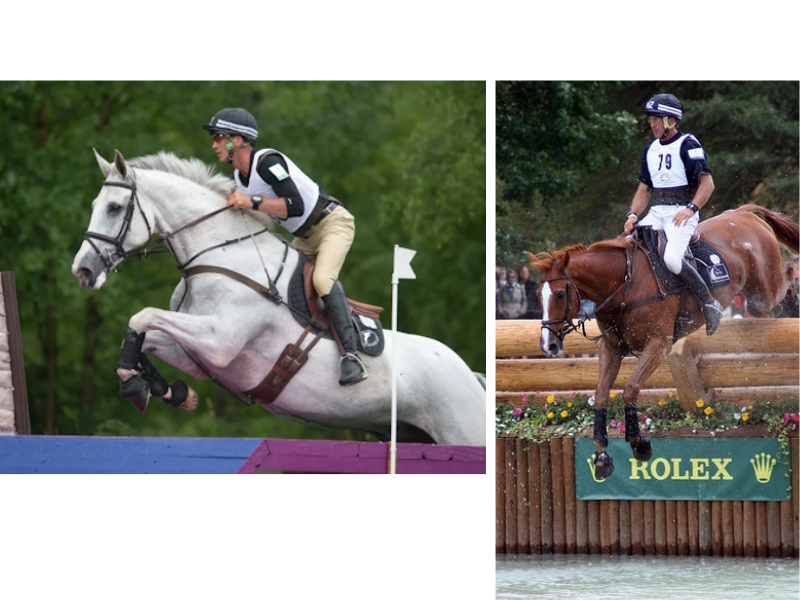 0 Commentaires 0 Parts 3KB Vue
 -
In the world of eventing, few names resonate as profoundly as that of William Fox-Pitt, the British equestrian whose career is decorated with a litany of prestigious wins and heartfelt rides. Among the pantheon of horses that have galloped alongside him, two names stand out for their remarkable contributions to his success: Chilli Morning and Tamarillo.
Chilli Morning: The Champion Stallion
Chilli Morning, a striking stallion, is renowned for his robust build and fiery spirit, characteristics that made him an exceptional competitor in the eventing world. Together, Fox-Pitt and Chilli Morning formed a partnership that not only captured numerous championships but also etched their names in the history books. Their crowning achievement came at the World Equestrian Games in 2010, where they clinched a medal.
Fox-Pitt often expressed a deep admiration for Chilli Morning's unique ability to maintain composure under pressure, a rare trait that set him apart in the competitive field. His versatility across different eventing disciplines—dressage, show jumping, and cross-country—made him a favorite not just among fans but also his rider, who relished the stallion's consistent performance and unyielding courage.
Tamarillo: The Global Success Story
Tamarillo, another of Fox-Pitt's legendary mounts, brought a different flavor to the rider's stable. Known for his agility and the palpable connection he shared with Fox-Pitt, Tamarillo helped the British rider achieve global success. Their journey together was marked by a series of wins that showcased not only Tamarillo's athletic prowess but also his profound bond with Fox-Pitt. They triumphed notably at the Burghley Horse Trials in 2002 and at the Badminton Horse Trials in 2004.
What Fox-Pitt cherished most about Tamarillo was his incredible intellect and emotional depth. This horse seemed to understand his rider's intentions with just a slight cue, creating a seamless flow in their performances that was almost telepathic. The duo’s ability to communicate subtly yet effectively made them a formidable pair in any competition.
As William Fox-Pitt continues to inspire new generations of riders, the legacies of Chilli Morning and Tamarillo stand as towering reminders of what is possible when a rider and his horses resonate in perfect harmony. Their journey together highlights not just the victories and the accolades but the shared moments of joy and understanding between a rider and his remarkable horses.In the world of eventing, few names resonate as profoundly as that of William Fox-Pitt, the British equestrian whose career is decorated with a litany of prestigious wins and heartfelt rides. Among the pantheon of horses that have galloped alongside him, two names stand out for their remarkable contributions to his success: Chilli Morning and Tamarillo. Chilli Morning: The Champion Stallion Chilli Morning, a striking stallion, is renowned for his robust build and fiery spirit, characteristics that made him an exceptional competitor in the eventing world. Together, Fox-Pitt and Chilli Morning formed a partnership that not only captured numerous championships but also etched their names in the history books. Their crowning achievement came at the World Equestrian Games in 2010, where they clinched a medal. Fox-Pitt often expressed a deep admiration for Chilli Morning's unique ability to maintain composure under pressure, a rare trait that set him apart in the competitive field. His versatility across different eventing disciplines—dressage, show jumping, and cross-country—made him a favorite not just among fans but also his rider, who relished the stallion's consistent performance and unyielding courage. Tamarillo: The Global Success Story Tamarillo, another of Fox-Pitt's legendary mounts, brought a different flavor to the rider's stable. Known for his agility and the palpable connection he shared with Fox-Pitt, Tamarillo helped the British rider achieve global success. Their journey together was marked by a series of wins that showcased not only Tamarillo's athletic prowess but also his profound bond with Fox-Pitt. They triumphed notably at the Burghley Horse Trials in 2002 and at the Badminton Horse Trials in 2004. What Fox-Pitt cherished most about Tamarillo was his incredible intellect and emotional depth. This horse seemed to understand his rider's intentions with just a slight cue, creating a seamless flow in their performances that was almost telepathic. The duo’s ability to communicate subtly yet effectively made them a formidable pair in any competition. As William Fox-Pitt continues to inspire new generations of riders, the legacies of Chilli Morning and Tamarillo stand as towering reminders of what is possible when a rider and his horses resonate in perfect harmony. Their journey together highlights not just the victories and the accolades but the shared moments of joy and understanding between a rider and his remarkable horses.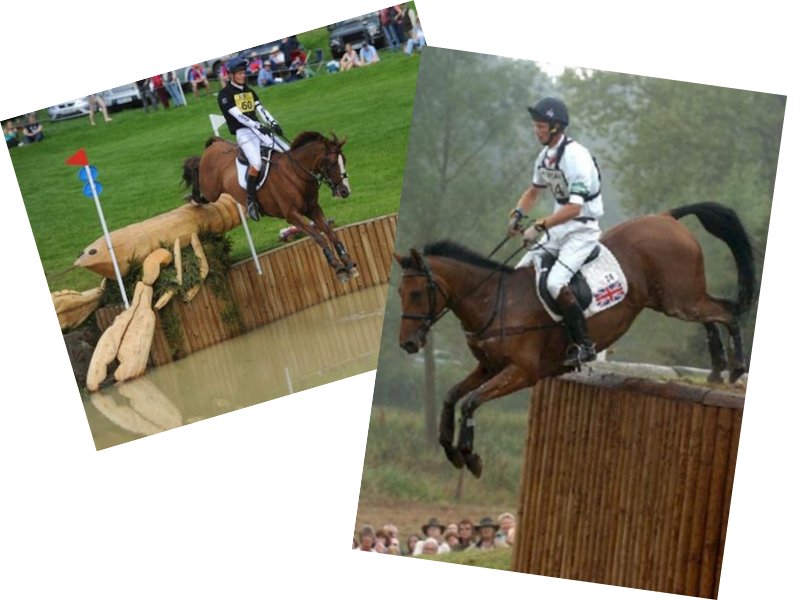 0 Commentaires 0 Parts 6KB Vue
 -
Sir Mark Todd of New Zealand is not just a remarkable equestrian but a living legend in the world of eventing. His career, spanning more than four decades, is studded with Olympic medals, world championships, and countless accolades, making him one of the greatest event riders in history.
Mark Todd first captured international attention at the 1984 Los Angeles Olympics, where he won his first gold medal riding the indomitable Charisma. This was just the beginning of an illustrious Olympic career that would see him returning to the podium in Seoul in 1988 to claim another individual gold, also with Charisma. His Olympic journey continued with team and individual bronze medals in Sydney 2000 aboard Eyespy II, and a team bronze in London 2012 at the remarkable age of 56, competing on Campino.
His success wasn't just limited to the Olympics. Todd also claimed victory at the Badminton Horse Trials on four occasions and the Burghley Horse Trials five times, showcasing his talents on a range of top horses including Face the Music, Bertie Blunt, Broadcast News, and Carousel Quest.
While Todd rode many exceptional horses, none is more significant than Charisma, the gelding with whom he won back-to-back Olympic gold medals in 1984 and 1988. Charisma, a horse of modest size but exceptional heart, is often credited with being the cornerstone of Todd’s international success. Their partnership was one based on mutual trust and profound understanding, allowing them to navigate the most challenging courses with grace and precision.
Beyond his competitive achievements, Mark Todd has been a tireless ambassador for equestrian sports. He has mentored young riders, advocated for horse welfare, and continued to influence the sport even after his retirement. His induction into the FEI Hall of Fame in 2013 was a fitting tribute to his profound impact on the sport of eventing.
Even as he has stepped back from competitive riding, Todd's legacy continues to inspire new generations of equestrians. His books, clinics, and public appearances contribute to his enduring influence in the sport, ensuring that his lessons and experiences will continue to benefit eventing for years to come. As the sport evolves, the stories of Mark Todd and his horses, especially Charisma, will undoubtedly remain integral to its history, celebrated and revered by all who appreciate the art of equestrian eventing.
Sir Mark Todd of New Zealand is not just a remarkable equestrian but a living legend in the world of eventing. His career, spanning more than four decades, is studded with Olympic medals, world championships, and countless accolades, making him one of the greatest event riders in history. Mark Todd first captured international attention at the 1984 Los Angeles Olympics, where he won his first gold medal riding the indomitable Charisma. This was just the beginning of an illustrious Olympic career that would see him returning to the podium in Seoul in 1988 to claim another individual gold, also with Charisma. His Olympic journey continued with team and individual bronze medals in Sydney 2000 aboard Eyespy II, and a team bronze in London 2012 at the remarkable age of 56, competing on Campino. His success wasn't just limited to the Olympics. Todd also claimed victory at the Badminton Horse Trials on four occasions and the Burghley Horse Trials five times, showcasing his talents on a range of top horses including Face the Music, Bertie Blunt, Broadcast News, and Carousel Quest. While Todd rode many exceptional horses, none is more significant than Charisma, the gelding with whom he won back-to-back Olympic gold medals in 1984 and 1988. Charisma, a horse of modest size but exceptional heart, is often credited with being the cornerstone of Todd’s international success. Their partnership was one based on mutual trust and profound understanding, allowing them to navigate the most challenging courses with grace and precision. Beyond his competitive achievements, Mark Todd has been a tireless ambassador for equestrian sports. He has mentored young riders, advocated for horse welfare, and continued to influence the sport even after his retirement. His induction into the FEI Hall of Fame in 2013 was a fitting tribute to his profound impact on the sport of eventing. Even as he has stepped back from competitive riding, Todd's legacy continues to inspire new generations of equestrians. His books, clinics, and public appearances contribute to his enduring influence in the sport, ensuring that his lessons and experiences will continue to benefit eventing for years to come. As the sport evolves, the stories of Mark Todd and his horses, especially Charisma, will undoubtedly remain integral to its history, celebrated and revered by all who appreciate the art of equestrian eventing.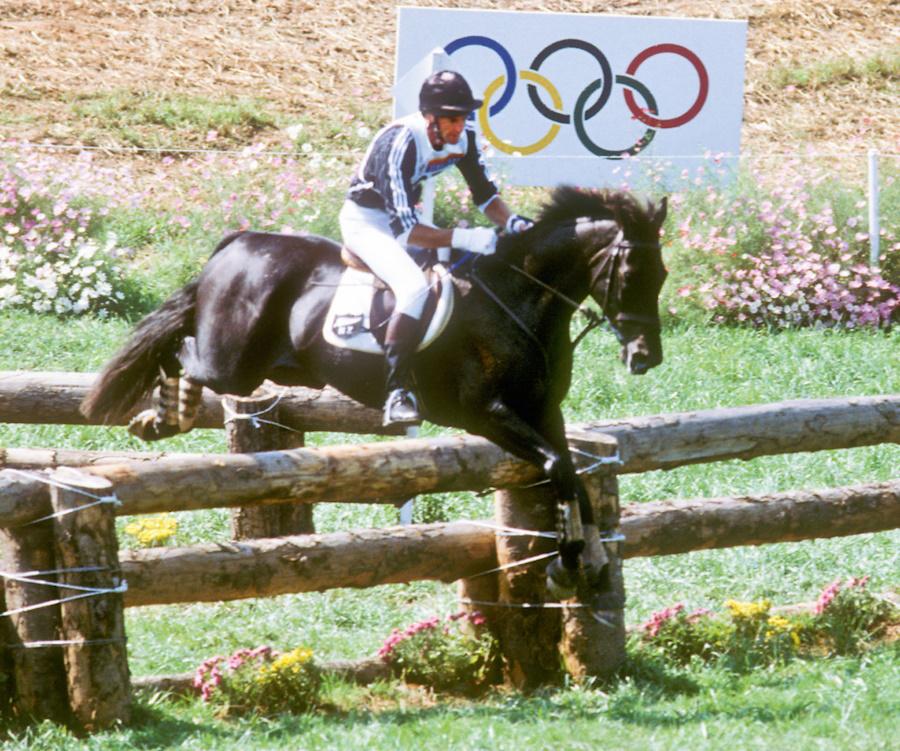 0 Commentaires 0 Parts 5KB Vue1
-
In the annals of equestrian sport, few partnerships have captivated the public and reshaped the landscape of show jumping as profoundly as Marion Mould (Coakes) and her remarkable pony, Stroller. This iconic duo dominated the competitive circuit in the late 1960s, setting unprecedented standards for excellence and determination.
Stroller's story began uniquely; he was sired by a Thoroughbred stallion out of a Connemara mare, a mix that contributed to his smaller stature but incredible agility and stamina. Born in 1950, Stroller spent his early years honing his skills and strength before catching the eye of Marion's father, who recognised his potential and purchased him for Marion.
Marion, who was only 14 when she began competing with Stroller, quickly became a sensation. Stroller, a 14.2 hand pony with an indomitable spirit, was an unlikely candidate for high-level competition, yet his synergy with Marion led to extraordinary achievements. Their crowning moment came in 1968, when they clinched the individual silver medal at the Mexico City Olympics. They made history as Stroller was the only pony ever to compete in show jumping at the Olympics, highlighting their unique and groundbreaking partnership.
The pair's success extended beyond the Olympics. They claimed victory at the prestigious Hickstead Derby in 1967, navigating one of the most challenging courses in the world with a poise and precision that belied Stroller's modest size. Their triumph at Hickstead was not just a win but a testament to their skill and heart, inspiring equestrians around the globe.
Marion and Stroller's partnership was emblematic of a perfect alignment of determination, skill, and mutual trust, making them legends in the equestrian world. Their legacy endures, reminding us that greatness often comes in unexpected forms.In the annals of equestrian sport, few partnerships have captivated the public and reshaped the landscape of show jumping as profoundly as Marion Mould (Coakes) and her remarkable pony, Stroller. This iconic duo dominated the competitive circuit in the late 1960s, setting unprecedented standards for excellence and determination. Stroller's story began uniquely; he was sired by a Thoroughbred stallion out of a Connemara mare, a mix that contributed to his smaller stature but incredible agility and stamina. Born in 1950, Stroller spent his early years honing his skills and strength before catching the eye of Marion's father, who recognised his potential and purchased him for Marion. Marion, who was only 14 when she began competing with Stroller, quickly became a sensation. Stroller, a 14.2 hand pony with an indomitable spirit, was an unlikely candidate for high-level competition, yet his synergy with Marion led to extraordinary achievements. Their crowning moment came in 1968, when they clinched the individual silver medal at the Mexico City Olympics. They made history as Stroller was the only pony ever to compete in show jumping at the Olympics, highlighting their unique and groundbreaking partnership. The pair's success extended beyond the Olympics. They claimed victory at the prestigious Hickstead Derby in 1967, navigating one of the most challenging courses in the world with a poise and precision that belied Stroller's modest size. Their triumph at Hickstead was not just a win but a testament to their skill and heart, inspiring equestrians around the globe. Marion and Stroller's partnership was emblematic of a perfect alignment of determination, skill, and mutual trust, making them legends in the equestrian world. Their legacy endures, reminding us that greatness often comes in unexpected forms.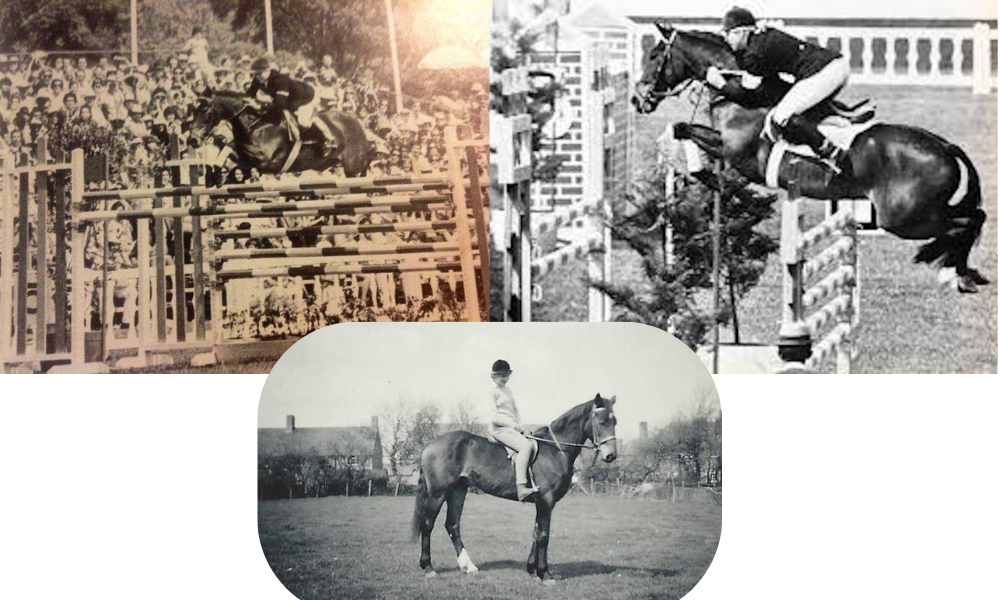 0 Commentaires 0 Parts 5KB Vue
 -
In the world of eventing, few names are as synonymous with excellence and partnership as Mary King. Over her illustrious career, King has had the privilege of competing with several top-tier horses, but among them, King William and Imperial Cavalier stand out as not only crowd favorites but also as a testament to King's skill and dedication to the sport.
King William, affectionately known as "Willy," was one of King's earliest partners, catapulting her into the limelight in the 1990s. With Willy, King achieved numerous victories, including memorable performances at Badminton and Burghley, two of eventing's most prestigious competitions. His bravery and boldness on the cross-country course were matched by his reliability in dressage and show jumping, making him a true all-rounder. "King William had a heart of gold and a real eagerness to please," King recalls. "Riding him was like being in perfect harmony; he always knew what was expected and delivered spectacularly."
Imperial Cavalier, known in the stable as "Archie," represented a different era in King's career. With Archie, King experienced some of her most significant triumphs, including team gold at the 2010 World Equestrian Games and a silver medal at the 2012 London Olympics. "Archie was a powerhouse, full of energy and spirit. His enthusiasm sometimes posed a challenge, but it also made him an exceptional competitor," King shared. "He loved the atmosphere of the big events, and that's where he truly shone."
Both horses, though different in their styles and temperaments, had a profound impact on King's career and her development as a rider. "Each horse taught me something valuable. Willy taught me patience and precision, while Archie taught me about harnessing and channeling raw power," she noted.
Reflecting on her journey with these remarkable equines, Mary King acknowledges the unique relationship she shared with each. "I was incredibly lucky to have such amazing partners. They didn't just carry me through courses; they carried me through a significant part of my life and career. They were more than just horses; they were my teammates."
Today, King continues to inspire young riders, sharing her experiences and the lessons she learned from her legendary partners. As she often says, "It's about more than just riding. It's about building a bond that can face any challenge thrown your way." With a legacy filled with triumphs and a heart full of memories, Mary King's story remains a beacon for aspiring equestrians worldwide.
In the world of eventing, few names are as synonymous with excellence and partnership as Mary King. Over her illustrious career, King has had the privilege of competing with several top-tier horses, but among them, King William and Imperial Cavalier stand out as not only crowd favorites but also as a testament to King's skill and dedication to the sport. King William, affectionately known as "Willy," was one of King's earliest partners, catapulting her into the limelight in the 1990s. With Willy, King achieved numerous victories, including memorable performances at Badminton and Burghley, two of eventing's most prestigious competitions. His bravery and boldness on the cross-country course were matched by his reliability in dressage and show jumping, making him a true all-rounder. "King William had a heart of gold and a real eagerness to please," King recalls. "Riding him was like being in perfect harmony; he always knew what was expected and delivered spectacularly." Imperial Cavalier, known in the stable as "Archie," represented a different era in King's career. With Archie, King experienced some of her most significant triumphs, including team gold at the 2010 World Equestrian Games and a silver medal at the 2012 London Olympics. "Archie was a powerhouse, full of energy and spirit. His enthusiasm sometimes posed a challenge, but it also made him an exceptional competitor," King shared. "He loved the atmosphere of the big events, and that's where he truly shone." Both horses, though different in their styles and temperaments, had a profound impact on King's career and her development as a rider. "Each horse taught me something valuable. Willy taught me patience and precision, while Archie taught me about harnessing and channeling raw power," she noted. Reflecting on her journey with these remarkable equines, Mary King acknowledges the unique relationship she shared with each. "I was incredibly lucky to have such amazing partners. They didn't just carry me through courses; they carried me through a significant part of my life and career. They were more than just horses; they were my teammates." Today, King continues to inspire young riders, sharing her experiences and the lessons she learned from her legendary partners. As she often says, "It's about more than just riding. It's about building a bond that can face any challenge thrown your way." With a legacy filled with triumphs and a heart full of memories, Mary King's story remains a beacon for aspiring equestrians worldwide.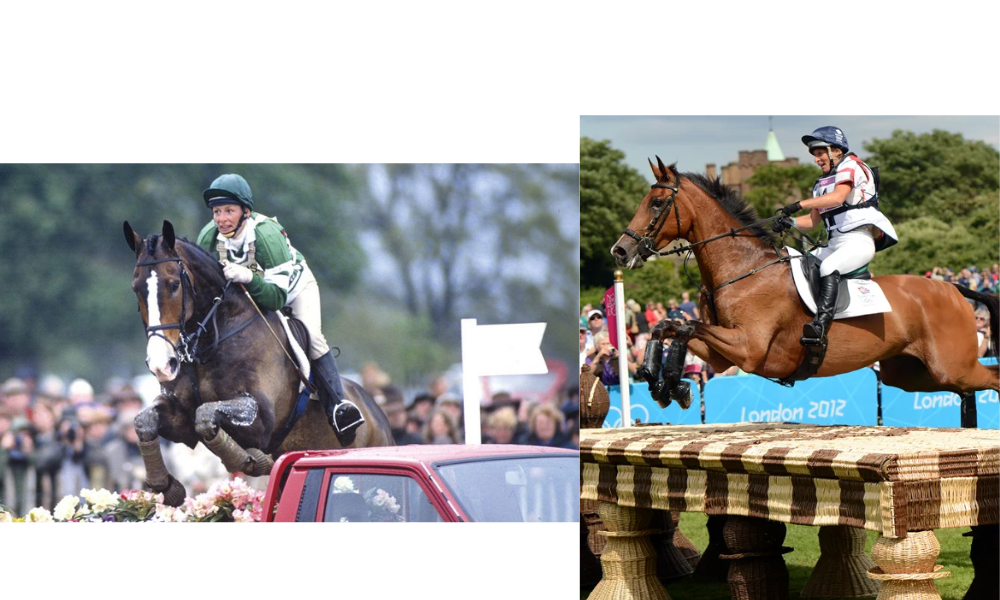 0 Commentaires 0 Parts 6KB Vue
 -
Lucinda Green, a name that resonates through the history of eventing, is celebrated for her unparalleled achievements and the profound connections she forged with her equine partners. Over her distinguished career, Green has piloted numerous horses to victory, but one horse, Village Gossip, held a special place in her heart. Their remarkable partnership flourished during the 1980s, highlighted by their notable success in various international competitions.
Green's career is studded with significant milestones, including an impressive six wins at the Badminton Horse Trials, a feat that remains unmatched to this day. Her victories spanned the 1970s and 1980s, showcasing her skill, bravery, and strategic prowess. Among her string of elite horses were Be Fair, Wide Awake, and Regal Realm, but it was with Village Gossip that Green experienced what she often refers to as a "once-in-a-lifetime" partnership.
Village Gossip, affectionately known as "Gossip," was more than just a mount; he was a partner with whom Green developed a deep and understanding bond. "Gossip had a personality that matched his name; he was curious and always eager, but above all, he trusted me as much as I trusted him," Green reminisced. Together, they tackled some of the most challenging courses in the world, securing wins and inspiring spectators with their synergy.
Initially, Green faced a steep learning curve with Village Gossip. "I couldn't ride one side of him. You couldn't regulate him at all; everything was on his own terms. If you tried to collect him, to jump a coffin or something, he just stopped. I remember being in tears hacking at home, thinking 'I've just been bought this wonderful horse and I can't find the brilliance that was there for all to see last year at Burghley with Katie O'Hara."
Her breakthrough came when she decided to embrace Gossip's bold nature. "I decided that if he wanted to go fast, I'd let him. We won our next event. In that moment I had learnt how to ride him - you had to let him go flat out into everything. He'd go storming into fences, shorten himself up and ping over."
This experience transformed Green's riding philosophy. "I learnt to be 'actively passive'. You didn't just sit there and close your eyes; you used your body in the best way to balance him. You were ready for anything, but you could do nothing. It was a huge lesson because I'd always thought you had to do something."
Beyond her victories at Badminton, Green's record includes a world championship title and participation in the Olympics, underscoring her versatility and competitiveness on the global stage. Her approach to training and competing has influenced generations of riders, and her insights into horse psychology have made her a respected figure in equestrian coaching circles.
"Each horse I've ridden has taught me something unique, but with Gossip, it was about the pure joy of eventing. He was as enthusiastic about the sport as I was, and that made all the difference," Green stated. Her favorite horse, Village Gossip, not only shared in her competitive spirit but also embodied the heart and soul of eventing.
Today, Lucinda Green remains an influential figure in the equestrian world, not only for her historic wins but also for her commitment to educating young riders. She holds clinics worldwide, passing on her knowledge and passion for the sport. "Eventing is about partnership and trust, and I was lucky to have found that with Gossip and all the horses I've been privileged to ride," Green reflects.
As she continues to inspire and teach, Lucinda Green's legacy is a testament to her outstanding career and the deep connections that can exist between a rider and their horse, epitomized by her unforgettable rides with Village Gossip.
Lucinda Green, a name that resonates through the history of eventing, is celebrated for her unparalleled achievements and the profound connections she forged with her equine partners. Over her distinguished career, Green has piloted numerous horses to victory, but one horse, Village Gossip, held a special place in her heart. Their remarkable partnership flourished during the 1980s, highlighted by their notable success in various international competitions. Green's career is studded with significant milestones, including an impressive six wins at the Badminton Horse Trials, a feat that remains unmatched to this day. Her victories spanned the 1970s and 1980s, showcasing her skill, bravery, and strategic prowess. Among her string of elite horses were Be Fair, Wide Awake, and Regal Realm, but it was with Village Gossip that Green experienced what she often refers to as a "once-in-a-lifetime" partnership. Village Gossip, affectionately known as "Gossip," was more than just a mount; he was a partner with whom Green developed a deep and understanding bond. "Gossip had a personality that matched his name; he was curious and always eager, but above all, he trusted me as much as I trusted him," Green reminisced. Together, they tackled some of the most challenging courses in the world, securing wins and inspiring spectators with their synergy. Initially, Green faced a steep learning curve with Village Gossip. "I couldn't ride one side of him. You couldn't regulate him at all; everything was on his own terms. If you tried to collect him, to jump a coffin or something, he just stopped. I remember being in tears hacking at home, thinking 'I've just been bought this wonderful horse and I can't find the brilliance that was there for all to see last year at Burghley with Katie O'Hara." Her breakthrough came when she decided to embrace Gossip's bold nature. "I decided that if he wanted to go fast, I'd let him. We won our next event. In that moment I had learnt how to ride him - you had to let him go flat out into everything. He'd go storming into fences, shorten himself up and ping over." This experience transformed Green's riding philosophy. "I learnt to be 'actively passive'. You didn't just sit there and close your eyes; you used your body in the best way to balance him. You were ready for anything, but you could do nothing. It was a huge lesson because I'd always thought you had to do something." Beyond her victories at Badminton, Green's record includes a world championship title and participation in the Olympics, underscoring her versatility and competitiveness on the global stage. Her approach to training and competing has influenced generations of riders, and her insights into horse psychology have made her a respected figure in equestrian coaching circles. "Each horse I've ridden has taught me something unique, but with Gossip, it was about the pure joy of eventing. He was as enthusiastic about the sport as I was, and that made all the difference," Green stated. Her favorite horse, Village Gossip, not only shared in her competitive spirit but also embodied the heart and soul of eventing. Today, Lucinda Green remains an influential figure in the equestrian world, not only for her historic wins but also for her commitment to educating young riders. She holds clinics worldwide, passing on her knowledge and passion for the sport. "Eventing is about partnership and trust, and I was lucky to have found that with Gossip and all the horses I've been privileged to ride," Green reflects. As she continues to inspire and teach, Lucinda Green's legacy is a testament to her outstanding career and the deep connections that can exist between a rider and their horse, epitomized by her unforgettable rides with Village Gossip.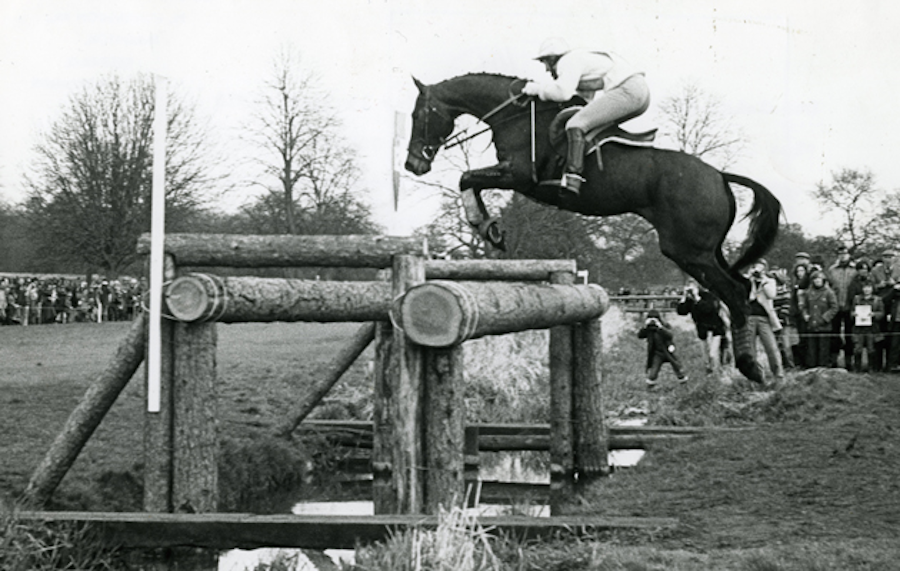 0 Commentaires 0 Parts 4KB Vue
 -
John Ledingham and Kilbaha: A Legacy of Show Jumping Excellence
In the annals of Irish equestrian history, few partnerships have shone as brightly as that of John Ledingham and his remarkable horse, Kilbaha. Throughout the 1980s and early 1990s, this duo became synonymous with success in the demanding world of show jumping.
Ledingham, renowned for his cool demeanor and tactical acumen, found a perfect match in Kilbaha, a horse celebrated for his agility and precise jumping ability. Together, they carved out a name for themselves on the international circuit, particularly in the Nations Cups, where they helped secure multiple victories for Ireland, bolstering the nation’s standing in the sport.
One of their most significant achievements came at the Hickstead Derby, one of the toughest competitions in show jumping. Their victory at this prestigious event is often highlighted as a testament to their exceptional synergy and Kilbaha’s athletic prowess. Beyond the Derby, their consistent performances across various top-level competitions set a high bar for competitors.
The legacy of Ledingham and Kilbaha extends beyond their victories. They are remembered for their influence on Irish show jumping, inspiring a generation of riders with their dedication and sportsmanship. Their time together in the sport, marked by landmark victories and an enduring partnership, remains a golden chapter in the history of equestrian sports.
Capt. John Ledingham (IRL) & Kilbaha (ISH) - win the 1994 Hickstead Derby jump-off
Watch here - https://youtu.be/WfpessxakBcJohn Ledingham and Kilbaha: A Legacy of Show Jumping Excellence In the annals of Irish equestrian history, few partnerships have shone as brightly as that of John Ledingham and his remarkable horse, Kilbaha. Throughout the 1980s and early 1990s, this duo became synonymous with success in the demanding world of show jumping. Ledingham, renowned for his cool demeanor and tactical acumen, found a perfect match in Kilbaha, a horse celebrated for his agility and precise jumping ability. Together, they carved out a name for themselves on the international circuit, particularly in the Nations Cups, where they helped secure multiple victories for Ireland, bolstering the nation’s standing in the sport. One of their most significant achievements came at the Hickstead Derby, one of the toughest competitions in show jumping. Their victory at this prestigious event is often highlighted as a testament to their exceptional synergy and Kilbaha’s athletic prowess. Beyond the Derby, their consistent performances across various top-level competitions set a high bar for competitors. The legacy of Ledingham and Kilbaha extends beyond their victories. They are remembered for their influence on Irish show jumping, inspiring a generation of riders with their dedication and sportsmanship. Their time together in the sport, marked by landmark victories and an enduring partnership, remains a golden chapter in the history of equestrian sports. Capt. John Ledingham (IRL) & Kilbaha (ISH) - win the 1994 Hickstead Derby jump-off Watch here - https://youtu.be/WfpessxakBc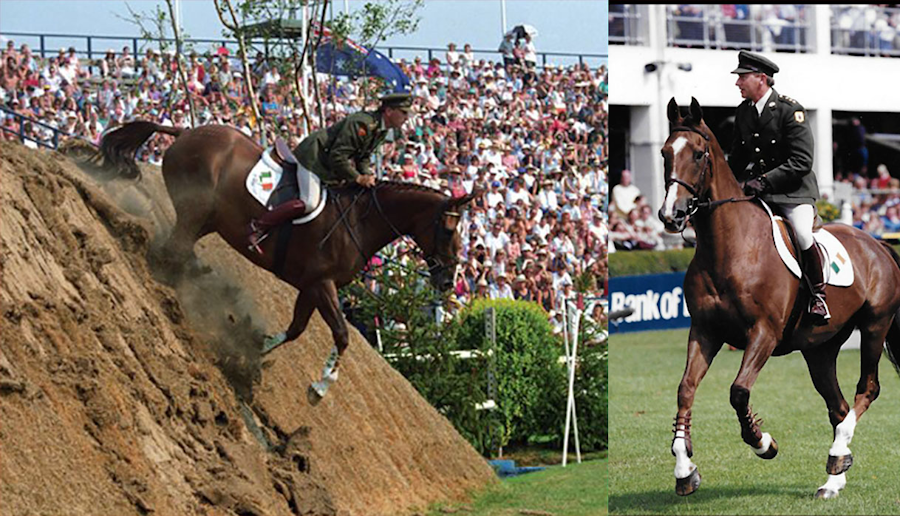 0 Commentaires 0 Parts 5KB Vue
 -
In the world of equestrian eventing, few partnerships have captured the hearts and headlines like that of German rider Michael Jung and his exceptional horse, La Biosthetique-Sam FBW, affectionately known as Sam. Together, they have set a gold standard in the sport, combining skill, spirit, and an extraordinary bond that has led them to numerous victories on the global stage.
Michael Jung, an Olympic, European, and World Champion, found in Sam not just a talented horse, but a true competitor with an indomitable spirit. Their journey together began in the late 2000s, and it wasn’t long before they were making history. Sam, a horse with a remarkable understanding of the sport’s demands, has helped Jung to achieve a record-breaking career, including winning individual gold medals at both the 2010 and 2014 World Equestrian Games, and consecutive Olympic golds in 2012 and 2016.
What sets Sam apart as Jung’s most famous ride is not just his impressive tally of titles but his consistency and reliability under pressure. Sam has been described as having near-perfect technique, incredible stamina, and an almost psychic connection with Jung during competitions. Their performances have often been flawless, showcasing not only physical prowess but a deep, intuitive rapport.
Their success is also marked by a series of firsts: they were the first combination to hold Olympic, World, and European titles simultaneously, a testament to their dominance and versatility across different events and conditions. Sam’s ability to perform at the highest level in dressage, cross-country, and show jumping makes him a standout in a sport that demands excellence in all three disciplines.
Off the course, Jung’s relationship with Sam is built on mutual respect and affection, qualities that shine through in their training sessions and public appearances. Jung has often credited Sam with changing his life, shaping his career, and teaching him invaluable lessons about partnership and perseverance.
As Sam now enjoys retirement, the legacy of this iconic duo continues to influence aspiring riders and captivate fans around the world. Their story is not just one of triumphs but a testament to the power of partnership in the challenging world of eventing. Sam remains in Michael's care, living out his retirement comfortably at Jung's stable, underscoring the deep bond that extends far beyond their competitive years.In the world of equestrian eventing, few partnerships have captured the hearts and headlines like that of German rider Michael Jung and his exceptional horse, La Biosthetique-Sam FBW, affectionately known as Sam. Together, they have set a gold standard in the sport, combining skill, spirit, and an extraordinary bond that has led them to numerous victories on the global stage. Michael Jung, an Olympic, European, and World Champion, found in Sam not just a talented horse, but a true competitor with an indomitable spirit. Their journey together began in the late 2000s, and it wasn’t long before they were making history. Sam, a horse with a remarkable understanding of the sport’s demands, has helped Jung to achieve a record-breaking career, including winning individual gold medals at both the 2010 and 2014 World Equestrian Games, and consecutive Olympic golds in 2012 and 2016. What sets Sam apart as Jung’s most famous ride is not just his impressive tally of titles but his consistency and reliability under pressure. Sam has been described as having near-perfect technique, incredible stamina, and an almost psychic connection with Jung during competitions. Their performances have often been flawless, showcasing not only physical prowess but a deep, intuitive rapport. Their success is also marked by a series of firsts: they were the first combination to hold Olympic, World, and European titles simultaneously, a testament to their dominance and versatility across different events and conditions. Sam’s ability to perform at the highest level in dressage, cross-country, and show jumping makes him a standout in a sport that demands excellence in all three disciplines. Off the course, Jung’s relationship with Sam is built on mutual respect and affection, qualities that shine through in their training sessions and public appearances. Jung has often credited Sam with changing his life, shaping his career, and teaching him invaluable lessons about partnership and perseverance. As Sam now enjoys retirement, the legacy of this iconic duo continues to influence aspiring riders and captivate fans around the world. Their story is not just one of triumphs but a testament to the power of partnership in the challenging world of eventing. Sam remains in Michael's care, living out his retirement comfortably at Jung's stable, underscoring the deep bond that extends far beyond their competitive years.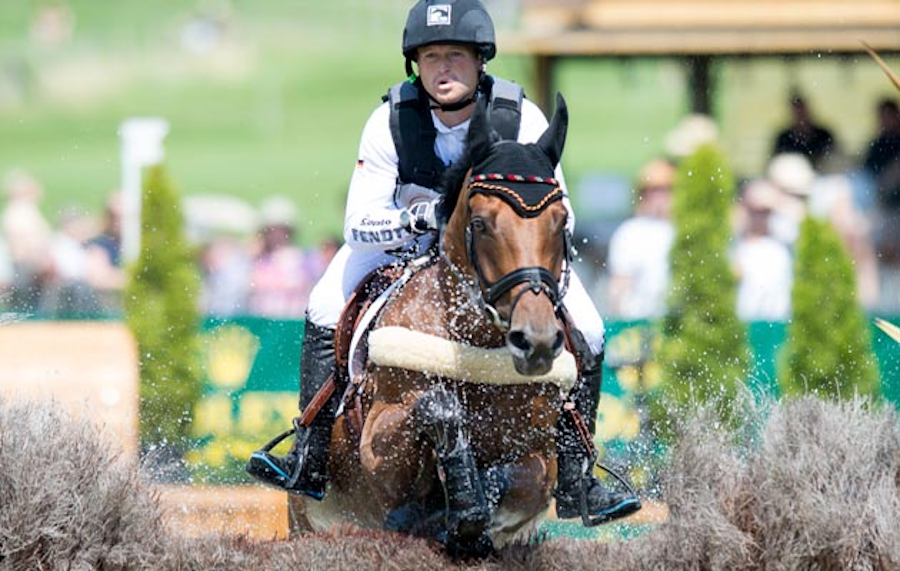 0 Commentaires 0 Parts 6KB Vue
 -
Pippa Funnell, a prominent British equestrian, made history by becoming the first woman to win eventing's Grand Slam. This Grand Slam consists of winning three of the most prestigious competitions in the sport—Kentucky Three-Day Event in the USA, Badminton Horse Trials in the UK, and Burghley Horse Trials in the UK—all within the same calendar year. This feat is incredibly challenging due to the varying courses, the physical demands on both horse and rider, and the level of competition faced at each event. Reflecting on her achievement, Funnell said, "Achieving the Grand Slam with Primmore's Pride was a dream come true. He was simply outstanding. There wasn’t a day when I didn’t feel privileged to ride such a magnificent horse. He gave his heart every single time we went out there."
Funnell achieved this remarkable accomplishment in 2003. She rode Primmore's Pride, a horse that became almost synonymous with her career, to clinch victories at all three events. Primmore's Pride, known for his consistency, bravery, and strong partnership with Funnell, was key to her success during this period. Together, they not only completed the Grand Slam but also contributed significantly to her international success, including team and individual medals at major championships.
Pippa Funnell's achievements with Primmore's Pride helped elevate her status in the sport, showcasing her skill, determination, and the deep bond she formed with her equine partners. This milestone remains a significant highlight in the history of equestrian sports, underscoring the extraordinary accomplishments possible through exceptional human-animal partnerships.Pippa Funnell, a prominent British equestrian, made history by becoming the first woman to win eventing's Grand Slam. This Grand Slam consists of winning three of the most prestigious competitions in the sport—Kentucky Three-Day Event in the USA, Badminton Horse Trials in the UK, and Burghley Horse Trials in the UK—all within the same calendar year. This feat is incredibly challenging due to the varying courses, the physical demands on both horse and rider, and the level of competition faced at each event. Reflecting on her achievement, Funnell said, "Achieving the Grand Slam with Primmore's Pride was a dream come true. He was simply outstanding. There wasn’t a day when I didn’t feel privileged to ride such a magnificent horse. He gave his heart every single time we went out there." Funnell achieved this remarkable accomplishment in 2003. She rode Primmore's Pride, a horse that became almost synonymous with her career, to clinch victories at all three events. Primmore's Pride, known for his consistency, bravery, and strong partnership with Funnell, was key to her success during this period. Together, they not only completed the Grand Slam but also contributed significantly to her international success, including team and individual medals at major championships. Pippa Funnell's achievements with Primmore's Pride helped elevate her status in the sport, showcasing her skill, determination, and the deep bond she formed with her equine partners. This milestone remains a significant highlight in the history of equestrian sports, underscoring the extraordinary accomplishments possible through exceptional human-animal partnerships. 0 Commentaires 0 Parts 4KB Vue
 -
Sapphire, a Belgian Warmblood mare, was one of the most outstanding show jumping horses of her era, ridden by the American equestrian McLain Ward. Born in Belgium in 1995, Sapphire was known affectionately as "Sara" in the barn and gained prominence on the international circuit due to her incredible jumping ability and consistent performances.
McLain Ward and Sapphire formed a partnership in the early 2000s, and together they achieved remarkable success on the global stage. They were a cornerstone of the United States Equestrian Team, contributing significantly to the team's successes. Notably, they won team gold medals at the 2004 Athens Olympics and the 2008 Beijing Olympics, showcasing their synergy and Sapphire's exceptional skills.
Beyond the Olympics, Sapphire and McLain Ward dominated various other prestigious competitions. They won the Grand Prix of Devon twice and were victorious in the CN International at Spruce Meadows. Their ability to perform under pressure was evident in their multiple wins at the American Invitational and successes across the World Cup circuit.
Sapphire retired in 2012 after a storied career, leaving behind a legacy celebrated by fans and equestrians alike. Her partnership with McLain Ward is remembered as one of the most successful in show jumping history, marked by mutual respect and an almost telepathic understanding in the arena. Together, they set a standard for excellence that continues to inspire future generations of riders and horses.
Sapphire, a Belgian Warmblood mare, was one of the most outstanding show jumping horses of her era, ridden by the American equestrian McLain Ward. Born in Belgium in 1995, Sapphire was known affectionately as "Sara" in the barn and gained prominence on the international circuit due to her incredible jumping ability and consistent performances. McLain Ward and Sapphire formed a partnership in the early 2000s, and together they achieved remarkable success on the global stage. They were a cornerstone of the United States Equestrian Team, contributing significantly to the team's successes. Notably, they won team gold medals at the 2004 Athens Olympics and the 2008 Beijing Olympics, showcasing their synergy and Sapphire's exceptional skills. Beyond the Olympics, Sapphire and McLain Ward dominated various other prestigious competitions. They won the Grand Prix of Devon twice and were victorious in the CN International at Spruce Meadows. Their ability to perform under pressure was evident in their multiple wins at the American Invitational and successes across the World Cup circuit. Sapphire retired in 2012 after a storied career, leaving behind a legacy celebrated by fans and equestrians alike. Her partnership with McLain Ward is remembered as one of the most successful in show jumping history, marked by mutual respect and an almost telepathic understanding in the arena. Together, they set a standard for excellence that continues to inspire future generations of riders and horses. 0 Commentaires 0 Parts 5KB Vue
Plus de lecture