• WWW.JUSTHORSERIDERS.CO.UK
    Discover The Benefits Of Oat Straw: A Cost-Effective Hay Alternative For Your Horses
    Subtitle Key Points Understanding Oat Straw - Composed of dried stalks of oat plants. - Coarser texture, less palatable than hay. - High in fiber, low in energy content. Nutritional Profile - Provides ~1.6 Mcal/kg of energy. - Fiber: 79% (NDF), 57% (ADF). - Lower in protein and fat compared to mixed legume/grass hay. Benefits of Using Oat Straw - Lower energy content aids weight management. - Prolonged feeding time reduces boredom. - Cost-effective alternative to hay. - Supports digestive health with essential roughage. How to Introduce Oat Straw - Gradual introduction: start with ~10% mix. - Ensure oat straw is dry and mold-free. - Supplement deficiencies with balanced concentrates. Alternatives to Oat Straw - Barley Straw: similar fiber, softer for dental issues. - Wheat Straw: comparable fiber and energy profiles. Conclusion - Oat straw is a viable hay alternative. - Integrates gradually for stable feeding and digestive health. - Consult with a vet/nutritionist before dietary changes. Utilizing Oat Straw as a Hay Alternative for Your Horses Feeding horses can sometimes become a rather involved task, especially when hay prices skyrocket or availability dries up due to environmental factors like drought. Luckily, alternatives like oat straw can ensure your horse's dietary requirements are met. Follow along as we dig into how to effectively incorporate oat straw into your horse's diet without causing a commotion in your barn. Understanding Oat Straw Oat straw is composed of the dried stalks of oat plants after harvesting the grain. With a coarser texture and less palatability compared to hay, oat straw nevertheless comprises several nutritional benefits, such as being high in fiber while remaining low in energy. Therefore, it's particularly suitable for certain equine dietary needs. Nutritional Profile of Oat Straw Oat straw provides approximately 1.6 Mcal/kg of energy and contains fiber percentages around 79% (NDF) and 57% (ADF). In comparison to mixed legume/grass hay, it has lower protein and fat contents but excels in fiber [Standlee Forage]. Benefits of Using Oat Straw Weight Management Thanks to its lower energy content, oat straw serves as a beneficial component in diets designed for horses that need to shed a few pounds, thus maintaining a healthier body condition [Farmer's Weekly]. Extended Feeding Time The elevated fiber levels in oat straw entail a more drawn-out eating process, mimicking natural grazing behaviors. This helps reduce boredom and prevents stereotypical behaviors often seen in horses [Mad Barn]. Cost-Effectiveness In terms of financial savings, oat straw frequently enjoys a cheaper price tag than hay, presenting a budget-friendly alternative for horse owners looking to cut costs [Mad Barn]. Digestive Health Even though oat straw may not match hay's digestibility, it still offers essential roughage that ensures the digestive health of your horses hindgut Standlee Forage]. How to Introduce Oat Straw into Your Horse's Diet Gradual Introduction A word to the wise: introduce oat straw to your horses diet gradually. Start by mixing a small proportion (about 10%) with their regular hay and then increase it slowly to avoid digestive upsets [Mad Barn]. Quality Control Always ensure your oat straw is dry and free from mold to sidestep any health troubles. A simple check can prevent major issues down the road [Farmer's Weekly]. Balanced Diet It's crucial to provide a balanced diet; hence, consider supplementing oat straws deficiencies with a balanced concentrate or mineral lick to ensure overall nutrition. Alternatives to Oat Straw Barley Straw Similar in fiber content to oat straw, barley straw offers a softer choice for horses with dental issues while maintaining low energy content [AskAnimalweb]. Wheat Straw Though less appealing than oat straw from a taste standpoint, wheat straw provides comparable advantages in its fiber and energy profiles [Mad Barn]. Conclusion In summary, oat straw presents itself as a viable alternative when hay becomes less accessible or more expensive. When integrated thoughtfully and gradually into your horse's diet, it fosters stable feeding practices, supports digestive health, and looks out for your bank account in the process. Before embarking on any significant dietary changes, always consult with a veterinarian or equine nutritionist to tailor the best regimen for your horse's needs. For more on equestrian apparel and products, wander over to our jodhpur collection or delight in other offerings at Just Horse Riders.
    0 Commenti 0 condivisioni 226 Views
  • WWW.HORSEILLUSTRATED.COM
    Vet Adventures: Night of Terror
    Photo by NaletovaAdobe StockI had just flopped onto my couch, remote in hand. Sunny, one of my teenage daughters, breezed through the front door, phone against her ear, and gave the door a careless slam. The windows rattled, and I raised my head.I think one of my teenagers must have just walked in, I said to my daughters back as she disappeared down the hall. The door to her room slammed shut.Hi, Sunny! I said to no one, then started my movie.I was happily munching my popcorn when my daughter reappeared and flopped onto the couch next to me. She was now wearing her favorite huge pajamas and hoodie, and she snatched a handful of my popcorn.Whatcha watching, Mom?InterruptedI started to answer, but my phone rang. It was one of my good friends, but I wanted to watch my movie, and debated letting it go to voicemail. My daughter snatched the phone from my hand and gave me an evil smile.Hey, Annie. Yes, shes right herehold on!I sighed and took the phone, but the panic in my friends voice got me off the couch, fast. I was half dressed before shed finished telling me what was going on, and my daughter watched me run back and forth, grabbing my muck boots, coat, hat, headlamp, and vet bag.Mom, whats going on?Annies watching Libbys horses, and one is down. Ive got to go help her. Libby was also a good friend, and shed given my daughters riding lessons since they were small.To my surprise, Sunny leaped off the couch and pulled on her muck boots and Carhartt coat. Im going with you!This was nice. Sunny didnt come on calls with me very often, and I pointed at her pajamas, bagging over the tops of her boots.You might want your coveralls, kiddo. Sunny shrugged, and followed me out to the truck, and we roared out of the driveway, headlights slicing into the dark night.Down for the CountWe scanned the field as we pulled up to Libbys place, and a dark figure waved a flashlight at us frantically. I parked as close as I could, and we ducked through the wire fence and hurried over to a small group of people huddled around a dark shape on the ground.It was Libbys favorite mare, Annabelle, and her head moved weakly as I approached. Her eyes were wide as she struggled desperately for a minute, then lay still.I rapidly checked her vitals and gum color and listened to her belly, but everything seemed normal. I noticed some bloody tissue under her tail when I took her temperature, and the muddy ground was torn up around her.We were on a gently sloping hill, and Annabelles body lay slightly downhill from her legs. I suspected that she was cast (unable to get to her feet). When a horse is in the same position for too long, the weight of their body can injure muscles and they can become paralyzed in one or more limbs.There was no way to know how long the mare had been stuck like this, but the blood under her tail told me that the magpies had been pecking at her, so it had probably been quite a while. Would we even be able to get her back up?Annie and the others had brought several long ropes, and I tied slip knots around both of the mares down legs. Sunny was darting around us, anxious to help, and she held the light for me as I secured the ropes.Now Sunny, I want you to stay far away from Annabelle when we flip her over! I said sternly. She may thrash and struggle, and I dont want you getting hurt.Sunny nodded and I chuckled at her billowing pajamas and tall boots.You look like a pirate, I told her. She grinned at me and saluted, then ducked out of the way as I called to the others holding the ropes. We stood in a line just downhill of Annabelle. One! Two! And THREE!A Big ScareWe all heaved as hard as we could. Annabelle slowly rocked onto her back, then rolled completely over. We scrambled back as she lunged to her feet, staggered, began to fall, and briefly caught herself, shaking the ropes free.Annabelle rocked violently in place, then tumbled forward, lurching rapidly down a steeper section of the hill. To my dismay, Sunny was directly below her, running for dear life in her flapping pajamas and coat, knees almost to her chest as the mare plunged and scrambled and staggered barely 3 inches behind her. The scene seemed to go on forever. Annie and I watched helplessly as the figures careened wildly down the hill.Sunny finally had the presence of mind to duck behind a thick bush, and mercifully Annabelle came to a stop above her. The mare wobbled in place but stayed on her feet. I made sure Sunny was OK, then haltered the mare and coaxed her up the hill. Annie coaxed a shaken Sunny along behind us.Annabelle and Sunny both recovered quickly, and the mare took some hay from my daughters hands after drinking half a bucket of water. Sunny helped rub Annabelle down with a thick, soft towel.Sweet ReliefOn the drive home, I kept picturing Sunny fleeing through the dark in her huge pajamas with the horse right behind her, and I laughed until my sides cramped.Nice, Mom, Sunny said indignantly. I almost die, and youre laughing about it?I gave her a one-armed hug. Im very glad youre OK, sweetie. Maybe next time, run across the hill, not down it?She glared at me.Maybe next time, tell me that before the horse gets up!This edition of Vet Adventures appeared in the March 2024 issue of Horse Illustratedmagazine.Click here to subscribe!The post Vet Adventures: Night of Terror appeared first on Horse Illustrated Magazine.
    0 Commenti 0 condivisioni 238 Views
  • WWW.JUSTHORSERIDERS.CO.UK
    Top Strategies to Harness Your Horse's Enthusiasm in Cross-Country Competitions
    Key Point Description Understanding Cross-Country Riding Dynamics Utilize techniques to maintain forward momentum and use visual cues to guide the horse over obstacles. Establishing Forward Momentum Practice collecting and lengthening the gait, keeping the horse "in front of your leg" for consistent pace. Visualizing Success Guide the horse using a triangle of eyes, legs, and hands. Train with ground poles to mimic obstacles. Adapting to Varied Obstacles Understand the need for balance at corners and speed at galloping fences. Build confidence with skinnies. Tackling Different Fences Practice jumping from a gallop with control, using legs to maintain momentum when approaching corners. Building Confidence with Skinnies Use poles to guide the horse, gradually removing them to increase precision and focus. Handling Challenging Terrain Ensure balance and control especially at dynamic terrain like banks and mounds by maintaining a collected canter. Keeping Training Engaging and Fun Embrace fun, focus, and footwork to maintain adaptability and introduce novel challenges for skill building. Equipping for Success Proper gear such as jodhpurs and boots contribute to comfort and safety in competitions. Supplements for Optimal Performance Incorporate everyday vitamins and supplements to enhance recovery, endurance, and overall performance. Care and Maintenance Post-competition care is crucial for recovery, ensuring the horse stays comfortable and healthy. How to Channel Your Horse's Enthusiasm for Cross Country Competitions Cross-country competitions present a thrilling challenge for both riders and horses. Harnessing your horse's enthusiasm requires more than just technique; it demands a blend of strategy, understanding, and teamwork. In this article, we explore key strategies to help you and your horse achieve success in these exhilarating events.Understanding Cross-Country Riding Dynamics 1. Establishing Forward Momentum To achieve consistent forward momentum, ensure your horse is always "in front of your leg," meaning they respond promptly to your riding aids and maintain a forward, energetic pace. This balance is essential for navigating different terrain during competitions. To hone this skill, practice collecting and lengthening your horse's gait in an arena. 2. Visualizing Success Visual cues are crucial in guiding your horse towards obstacles confidently. Utilize your eyes, legs, and hands as a guiding triangle to help your horse see the fence and avoid hesitation. Training with ground poles in the arena mimics these scenarios and enhances focus.Adapting to Varied Obstacles 3. Tackling Different Fences The multitude of fences on a cross-country course demands unique strategies. Understand that corners require balance, while galloping fences demand speed retention without disrupting balance. Practice jumping from a gallop with control, using your legs to maintain momentum as you approach corners. 4. Building Confidence with Skinnies Narrow jumps, or "skinnies," test your horse's precision and focus. Start with poles to guide the horse, gradually removing them as confidence grows. Train both left and right-hand corners to present variety and build trust, as these fundamentals are crucial in maintaining forward momentum and avoiding run-outs.Handling Challenging Terrain 5. Maintaining Balance and Control From banks to mounds, cross-country courses challenge a rider's ability to maintain dynamic equilibrium. It's vital when facing down banks to approach in a collected canter, encouraging smooth transitions and refocusing for subsequent obstacles. Keeping a steady practice regimen in varied conditions enhances performance during competition.Keeping Training Engaging and Fun 6. Embracing Flexibility and Fun A successful cross-country course is as much about having fun as it is about precision. Embrace the "three Fs"fun, focus, and footwork. Maintain adaptability by varying exercises to keep training engaging. Tailor each session to introduce novel challenges, building problem-solving skills and a stronger rider-horse partnership.Equipping for Success 7. The Role of Proper Gear Proper equipment can make a significant difference during cross-country performances. Riders often invest in appropriate jodhpurs, boots, and other essential gear. Choosing the right items helps ensure comfort and safety, making every ride as enjoyable as possible.Supplements for Optimal Performance 8. Equestrian Supplements Equestrian supplements play a crucial role in maintaining a horse's health and energy levels. Incorporating everyday vitamins and supplements in their diet enhances recovery, endurance, and overall performance during demanding events.Care and Maintenance 9. After-Competition Care Post-competition care is as important as pre-event prep. Ensuring your horse has access to quality stable and turnout rugs after a vigorous ride helps in their recovery process, ensuring they stay comfortable and healthy off the field.Conclusion: Enhancing Performance and Enjoyment By honing techniques like establishing forward momentum, visualizing success, and adapting to varied obstacles, riders can effectively channel their horse's enthusiasm to perform brilliantly in cross-country competitions. Remember to keep training enjoyable, employ the right gear and supplements, and practice effective care and maintenance techniques. With these practices in hand, you'll create a harmonious and thrilling cross-country experience for both you and your horse.Explore our diverse range of fly protection, gloves, and more at Just Horse Riders. Unleash the best cross-country experience today!```html```
    0 Commenti 0 condivisioni 238 Views
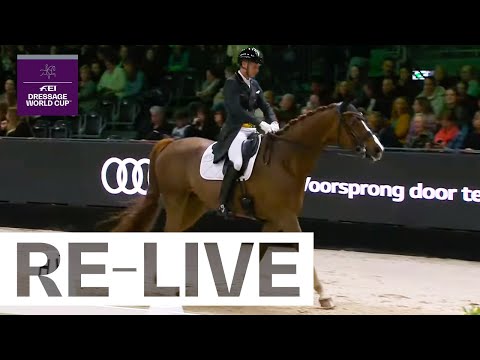
  • LIVE | Grand Prix I FEI Dressage World Cup 2024 - 2025
    It's the last leg of the FEI Dressage World Cup before the FEI World Cup Finals in Basel. Enjoy now live the Grand Prix of ...
    0 Commenti 0 condivisioni 254 Views
  • 30% of T10Ps in first CCIs go to Irish Sport Horses in the USA
    In the UK, horses bred in Ireland take Podium places in 15 of the 20 classes. In the Open Intermediate classes in the UK, with X-Country being tight for time, 44% of the T10Ps taken by Irish bred horses once again proving their dominance. Good luck to the breeders for the crop of 25. Oasby One Day Event (GBR) 6th 7th March 2025 Open Intermediate Sec G 1st MGH Jessica (ISH)[was Cobra Jess] 2014 mare by Cobra (HOLST) out of Miss Too Coole [ISH] by Warrenstown You 2 [ISH]. Breeder: Ronan Tynan (Kilkenny). Rider: Heidi Coy (GBR) 29.8, 0, 4.8 = 34.6 2nd Cooley Park Muze (ISH)[was TJM Reuben] 2016 gelding by Pollux de Muze Z (ZANG) out of TJM L Arc In the Park (ISH) by LArc de Triomphe (OLD). Breeder: John Connolly. Rider: Gemma Stevens (GBR) 26.6, 4, 5.2 = 35.8 3rd Legally Grey []
    0 Commenti 0 condivisioni 224 Views
  • HOOFPICK.LIFE
    Summer skin-care strategies for horses
    Summer in New Zealand often brings intense weather not all of it very summery! However, there will still be stretches of hot, sunny weather to enjoy (while taking care you are protected from the well-known damaging effects of the sun). Our horses need protection from the suns ultraviolet radiation too, and some are more []The post Summer skin-care strategies for horses appeared first on NZ Horse & Pony.
    0 Commenti 0 condivisioni 227 Views
  • THEHORSE.COM
    Can My Horse Eat Hay with Preservatives?
    Proving high-quality hay for your horse year round can be challenging. Some preservatives can help combat this issue. | iStockQ. This year was difficult for harvesting hay, so the only hay I could get for my herd of horses has had preservative sprayed on it to prevent mold growth. Should I be concerned about this? Is it safe for them to consume?A. Harvesting high-quality hay can be challenging for horse owners. To cut and bale premium hay, it must be cut at the right time, dried quickly, and baled at the correct moisture, then moved out of the elements and into storage. Although this sounds straightforward, it can be challenging because it relies heavily on weather conditions. In seasons that have a lot of precipitation, baling adequately dried hay becomes an issue. However, for horse hay, it is crucial that the bales not contain mold and are adequately dried.Farmers monitor moisture content of forage throughout the harvesting processwhen the hay is too wet mold is a concern and those bales could even become a fire hazard, and if the hay is baled too dry, there is significant nutrient loss due to leaf brittleness. Therefore, a happy medium is key.Farmers might invest in inoculants or preservative sprays to reduce the likelihood of losing a crop because they allow the farmer to bale a hay at slightly higher moisture levels. For example, if the hay is not quite dry enough, but there is rain approaching in the forecast, the farmer might invest in a preservative spray for that field to ensure it can be baled prior to the rainfall. These products are most commonly used in wet and cool climates.Manufacturers offer two main types of preservatives: bacterial inoculants and organic acids. Bacterial inoculants are typically characterized by the addition of lactic-acid-forming bacteria such as Lactobacillus, Streptococcus, and Bacillus. These organisms compete with mold-forming organisms in order to maintain forage quality. These products allow farmers to bale the hay at 3 to 5 percent higher moisture.The other common preservative farmers spray on hay is organic acids (e.g., propionic acid). These products produce an acidic environment that is not supportive of mold growth. Again, this allows the hay to be baled slightly wetter so the grower can reduce the amount of time that it is in the field drying with a risk of it being rained on.Farmers only use these products when absolutely required because they are an investment; however, without them, more hay would be lost in wet years, which would create shortages and cause hay prices to skyrocket.Regarding horse health, researchers have shown that horses preferentially eat nontreated hay when given the choice. However, it is safe for them to consume treated hay. In one study looking at feeding hay treated with commercial preservatives to yearlings, scientists found there was no difference in feed consumption or weight gain between the treated and untreated hay groups. When we investigate hay treated with propionic acid, keep in mind that the product is buffered; despite it having a very low pH on its own, it is buffered to be closer to neutral (pH of 7) and will not cause harm to the horse when consumed. Additionally, the horse naturally produces propionic acid in the hindgut when hay is fermented.Although farmers prefer harvesting conditions that allow for the baling of high-quality horse hay without the use of preservatives such as organic acids and bacterial inoculants, these products are a safe and effective way to reduce the risk of mold development in hay. So, from a nutritional standpoint, hay that has been treated with a preservative such as propionic acid is safe for horses.Do you have a horse nutrition question? Do you have an equine nutrition question? The Horses editors want to hear from you! Submit your question via the form below. Name(Required) First Last Email(Required) Submit your equine nutrition below!(Required)CAPTCHA
    0 Commenti 0 condivisioni 224 Views
  • WWW.BRITISHHORSEFEEDS.COM
    BHF Nutrition Cooked Linseed
    What is Cooked Linseed?Linseed has been a favourite among horse owners for a long time. While linseed has long been used as a protein source, its value extends far beyond that. Its unique amino acid profile complements hay and fibre-based diets like Speedi-Beet or Fibre-Beet. Linseed provides essential building blocks for muscle repair and growth, particularly important for active horses and maintaining optimal condition and shine.Why are oil-based calories advantageous?Calories from oil-based ingredients like Cooked Linseed provide a valuable source of energy for horses, thanks to their high content of long-chain fatty acids. These fatty acids are easily absorbed and offer a steady, slow-release energy compared to starches and sugars. The high-calorie density of Cooked Linseed makes it especially beneficial for horses that are poor doers or in heavy work. It can be included in feed in smaller quantities, delivering significant calories without adding excess bulk.As an oil-based ingredient, Linseed is also a great source of omega-3 fatty acids, which are vital for maintaining a healthy Omega-3 and Omega-6 ratio. This balance is crucial for supporting a range of bodily functions, including cardiovascular health, inflammation response, and cognitive function.In addition, Linseed is rich in essential vitamins and minerals, including vitamin E, a powerful antioxidant. It also contains polyphenolsplant compounds with antioxidant propertiesoffering numerous health benefits, particularly in terms of immune function and inflammation regulation.How to feed Cooked Linseed?Traditionally, boiling linseed to prepare it for horses was a lengthy, messy process that also reduced some of its nutritional benefits. Thankfully, modern techniques have allowed us to bring British Horse Feeds Cooked Linseed to the market.Cooked Linseed is very versatile and can be fed in different ways depending on the desired outcome. Listen to Business Development Account Manager Sarah Chantrell explaining more about how to feed itThe post BHF Nutrition Cooked Linseed appeared first on British Horse Feeds.
    0 Commenti 0 condivisioni 663 Views
  • HOOFPICK.LIFE
    15 Tips for Show Jumping Success
    Roses rules: Little and often 1. Be organised. Horse shows are stressful enough without running late! I do my best riding when Im relaxed so it always pays to be nice and organised! If you think youre on time, youre probably late! Its so much easier to be early. 2. Dont rush your warm up. []The post 15 Tips for Show Jumping Success appeared first on NZ Horse & Pony.
    0 Commenti 0 condivisioni 244 Views
  • THEHORSE.COM
    Creating the Right Diet for Your Horse
    Your horses nutritional requirements depend on his life stage and individual needsBase forage selection on the type necessary to meet nutrient requirements. For a mature idle horse, this is typically an early to late-head grass hay. | iStockAll horses need the same essential nutrientswater for cellular, tissue, and organ function, carbohydrates and fats to fuel body functions, protein to build and repair tissues, and certain vitamins and minerals to promote and maintain normal physiological function. Feeding an appropriate diet, however, is not just a matter of tossing them some hay, grain, and supplements. Creating a diet for your horse involves a targeted plan that allows him to use nutrients more efficiently.To figure out what your horse needs, realize that horses are grazers designed to eat little and often, says Amy Parker, MS, equine nutritionist and technical services manager at McCauleys, in Versailles, Kentucky. Their natural diet is mainly grass, which has a high roughage content. So, their diet as domesticated animals should be predominantly fiber-based whether its grass, hay, haylage, a hay replacement, or a combination thereofto mimic their natural feeding pattern.Parker says the right diet for your horse must reflect his individual needs, taking into consideration factors such as age, weight, body type and condition, health, level of work, and physiological state (e.g., growing, pregnant, lactating). Time of year and weather conditions are also important to consider when formulating the appropriate diet. For example, if the horse gets most of his nutrition by grazing good-quality pasture, then he needs alternative feed sources (i.e., hay) when grass isnt available. All of this information provides the foundation to develop the whole dietforage and feed components, says Parker.The National Research CouncilsNutrient Requirements of Horsesis the standard guide for feeding horses. Although this text provides much more information than the average horse owner might need, it also offers basic guidelines for energy, protein, and somemacromineral(i.e., calcium, phosphorus) amounts based on mature horse body weight. Once we have met these needs, then the rest is usually okay, says Shannon Pratt-Phillips, PhD, professor of equine nutrition and physiology at North Carolina State University, in Raleigh.From Foal to JuvenileHorses have different nutritional needs depending on their stage of physical maturity. In general, provided a lactating mare is in goodbody conditionand on a balanced diet, we dont have to worry about feeding the foal because the mares milk includes all the nutrients he needs, says Parker. Rather, we consider and select the proper diet when the foal transitions to a weanling and begins consuming solid feed. Young, growing horses need extra energy, protein, and the correct amount of minerals, such as calcium and phosphorus for proper bone and tissue development.Digestible energy intake greatly influences a young horses growth rate, says Pratt-Phillips. In general, the more energy fed, the faster the growth. She says you can adjust diets to accelerate growth in horses earmarked for sale or competition as well as slow growth rates for horses intended to be marketed at a later stage of maturity.RELATED CONTENT | Feeding Young Horses: Graduating to a Grown-Up DietHorses 4 to 6 months of age are defined asweanlings, whereas those 12 to 18 months of age are considered yearlings. Depending on the average daily weight gain you desire for your growing horse, first choose the appropriate forage type to feed. We know pasture alone typically doesnt meet a growing horses nutrient needs, says Laurie Lawrence, PhD, professor of equine nutrition at the University of Kentucky (UK), in Lexington. Further, season affects a pastures nutrient content. For the growing season of most legume/grass pastures, the energy and protein content is highest in spring and fall and lowest during the summer.Lawrence says choosing a hay to match the horses needs is a good way to ensure adequate nutrition from the forage. Hay has the highest nutrient value (composition) when harvested in its immature state of growth. Legume hay (alfalfaor clover) is higher in digestible energy, protein, and calcium than grass hay (e.g., timothy or orchardgrass). So, if you are selecting hay, look for the stage of maturity to be between pre-bloom and mid-bloom (prior to the plant flowering) for legumes and pre-head (prior to the plant producing a seed head) for grasses.Growing horses hay consumption varies depending on the hay quality (related to the hays maturity at the time of harvest) but usually ranges from 8 to 15 pounds per day for weanlings and 15 to 25 pounds per day for yearlings.Because feeding growing horses is a balancing act where you dont want to provide excess or inadequate dietary energy or protein, Lawrence suggests keeping the diet proportions at 30% forage to 70% concentrate for weanlings and between 55/45 and 50/50 forage to concentrate for yearlings.Average Adult HorsesMature idle horses can do well on good-quality all-forage (pasture or hay) diets with vitamin and mineral support in the form of aration balancer, says Parker.Base forage selection on the type necessary to meet nutrient requirements. For a mature idle horse, this is typically an early to late-head grass hay.Senior ConsiderationsSPECIAL FEATURE | What to Feed Old HorsesAged or senior horses (18+ years) have additional dietary considerations. They are less able to process and absorb nutrients from feed and have a less efficient microbial population in the hindgut, says Pratt-Phillips. These horses need high- quality pasture and hay with at least a 60% legume content. Senior horses might also develop metabolic problems (such aspituitary pars intermedia dysfunction) that require a specialized diet low in soluble carbohydrates, including warm-season hays that are naturally low in insoluble sugars, such as teff or some species of Bermudagrass.Pregnant and Lactating MaresBroodmares digestible energy, protein, and macromineral (primarily calcium and phosphorus) requirements jump during late pregnancy (last trimester) andlactation(foaling to three months). For these horses to maintain a healthy body condition, Parker recommends selecting feed that complements the forage to meet the nutrient requirements. For instance, if you feed your pregnant or lactating mare legume/grass hay, add a concentrate feed with moderate protein (12-14%) that is fortified to meet her vitamin and mineral requirements. If you feed a straight grass hay, youll need to provide a higher-protein feed. Lawrence recommends offering early to mid-bloom stage legume hays and pre-head to early-head stage grass hays. In general, pregnant mares in late gestation and early lactation consume 70-80% and 50-60%, respectively, of their diet in forage.Calculating Correct AmountsFREE TOOL: Adult Horse Weight CalculatorNutritionists generally base their feed recommendations on amounts per kilogram or pound of mature body weight. So your horses weight and body condition are essential pieces of information. A livestock scale will tell you the precise body weight of your horse, allowing you to make better decisions about how much feed to provide. You can also make body weight estimations using a weight tape or the body weight formula:Body weight (lb) = heart girth (in)2x body length (in)/330Parker also recommends using the Henneke body condition scoring system (TheHorse.com/164978) on your horse. This system allows the user to evaluate the amount of fat deposition in various body regions, which can guide how much to feed.Work increases digestible energy needs. The increase ranges from 25 to 50% above maintenance levels with horses in light to moderate work (working five hours or less per week) to 100% above maintenance in horses in heavy work (e.g., upper-level eventing, racing, endurance). Environmental conditions, such as heat and humidity, also affect horses dietary requirements due to replacement losses of minerals in sweat.Choosing Forage TypesYou can add forage besides pasture or baled hay to your horses diet. These include hay cubes, pelleted hay, chopped hay, dehydrated hay, and haylage. Each poses advantages and some disadvantages, says Parker, but all must be fed based on the products weight.A variety of forage mixtures are avail-able as hay cubes, which are usually 2-by- 2 inches, and can be fed as a substitute for long-stem hay. Horses that waste a portion of their long-stem hay might benefit from consuming a cubed hay, says Robert Coleman, PhD, associate professor at UK. Cubed hay is cut uniformly, thus eliminating sorting issues. Another benefit of hay cubes is you can weigh and store them easily. Cubes are usually made from forage that was cut at an early stage of maturity, giving them a guaranteed minimum nutrient content, says Coleman.Hay pellets are typically 3/16 to inch in diameter. They, too, are easily weighed and stored and can be fed as a 100% alternative to long-stem hay with a guaranteed minimum nutrient content. Because hay made into pellets has been ground to smaller particle sizes than hay intended for cubes, horses might consume them faster.Whether you choose to feed hay cubes or hay pellets, Coleman recommends soaking them in water to soften them for senior horses as well asreduce possible incidence of chokefrom eating them in their dried state.Chopped hay is usually chopped to a length of about 1 inch, and you can purchase it bagged. Because of its shorter stem length, this form of hay is easier to chew and might be a good choice for senior horses with poor detention or in a total mixed ration for horses consuming a complete feed.Dehydrated hay is a chopped hay product that is dehydrated and compressed into a block. The advantage dehydrated hay offers over regular sun-cured hay is it retains its maximum nutrient value with storage. As with the cubes and pellets, this product comes with a guaranteed minimum nutrient content.Another excellent forage option for horses is haylage, because it provides a high-quality product that is dust-free. Haylage has a moisture content of 20-30% compared to dry hays approximately 14% moisture content. In Europe, feeding haylage is common practice, says Coleman. It looks like regular long-stem hay and has a sweet smell to it, he says.Because of the fermentation process involved in making haylage (which increases the level of soluble carbohydrates), this type of forage might not be appropriate for horses with metabolic issues or prone to laminitis. Its also at risk ofbotulismcontamination if the packaging is not airtight, so ensure horses eating haylage receive a botulism vaccine.Concentrate DecisionsThe final part of creating a diet for your horse is the concentrate. Concentrate, for all intents and purposes, is the nonforage portion of the ration (grains, protein supplements, oils/fats, molasses). Not all horses need a concentrate in their diets. If the horse is at maintenance, for instance, he likely needs only a vitamin/ mineral supplement (ration balancer), says Parker. A concentrate might be an appropriate addition to the diets of horses that cannot get enough nutritional sup- port to maintain optimum condition from hay alone or cannot consume enough hay to maintain optimum condition (growing horses, mares in late gestation or early lactation, horses in intense work, and aged horses).Parker stresses that the amount of concentrate you feed should be no more than that necessary to provide the horses required energy and other nutrients. If your horse needs a concentrate to stay at a healthy weight and body condition, then each feeding amount should provide no more than 0.5% of his body weight.Final ThoughtsCreating the right diet for your horse involves considering many factors, including the science behind what we feed and how current research and knowledge can help us tailor the horses diet to meet his specific needs. Work with your veterinarian or an equine nutritionist to ensure your horse is getting the right nutrients in the appropriate amounts for his lifestyle.
    0 Commenti 0 condivisioni 217 Views