• WWW.JUSTHORSERIDERS.CO.UK
    Discover Top Horse Nutrition Alternatives to Formula 4 Feet for Optimal Hoof Health
    Section Key Points Introduction - Hoof health is crucial for horse care. - Formula 4 Feet is popular, but alternatives exist. - Focus on benefits, ingredients, and considerations. Understanding Hoof Health - Influenced by nutrition, environment, and management. - Nutrition is key to preventing hoof issues. Key Ingredients for Hoof Health Biotin: Essential for hoof growth, dosage based on body weight. Minerals & Amino Acids: Copper, zinc, selenium are vital but monitor selenium levels. Exploring Alternative Supplements Farriers Formula: Rich in nutrients, though costly, offers long-term benefits. Horseshoers Secret: Promotes growth, ensure adequate zinc and copper. Triple Crown Balancer: Comprehensive nutrients, improves absorption. Customized Supplements: Tailored mixes support specific needs. Natural Alternatives (BOSS): Rich in fats, vitamins, noted hoof benefits. Practical Considerations Cost and Value: Effectiveness can offset costs. Palatability: Better taste leads to compliance. Compliance with Regulations: Avoid banned substances. Conclusion - Consider options and management for hoof health. - Various supplements and natural alternatives are available. Exploring the Best Alternatives to Formula 4 Feet for Horse Nutrition Introduction Maintaining hoof health is a crucial part of horse care, as it impacts a horse's overall well-being and performance. While Formula 4 Feet is a renowned choice for many equestrians, a variety of alternatives can deliver equally impressive results. This article explores these alternatives, focusing on their benefits, key ingredients, and practical considerations. Understanding Hoof Health Hoof health is influenced by several factors, such as nutrition, environment, and management practices. For instance, weather changes can lead to hoof problems like cracks and splits. Nutrition, however, remains a cornerstone in maintaining robust hoof health. Key Ingredients for Hoof Health A thorough understanding of essential nutrients can empower horse owners to select effective supplements for hoof health. Biotin Biotin is paramount for healthy hoof growth. Dosage recommendations suggest 3mg of biotin per 100kg of body weight. Thus, a 500kg horse should intake 15mg daily. Minerals and Amino Acids Essential minerals like copper (Cu), zinc (Zn), and selenium (Se) play critical roles. While copper and zinc are necessary for hoof integrity, selenium should be monitored due to potential toxicity if overdosed. Exploring Alternative Supplements Farriers Formula Farriers Formula is a highly respected supplement offering a nutrient blend rich in biotin, vitamins, and minerals. Though initially costly, long-term benefits often outweigh the price tag. Horseshoers Secret Recommended by veterinarians, Horseshoers Secret focuses on promoting healthy hoof growth with a robust composition of essential nutrients. Ensure it aligns with daily zinc and copper needs. Triple Crown Balancer The Triple Crown Balancer provides a comprehensive mix of nutrients, focusing on balance without added iron, aiding better zinc and copper absorption. Additionally, its pleasant taste enhances integration into regular diets. Customized Supplements For individualized nutrition, firms like Mad Barn offer custom mixes tailored to specific needs based on forage testing. Such personalization ensures optimal hoof and overall health. Natural Alternatives: Black Oil Sunflower Seeds (BOSS) For enthusiasts of natural products, Black Oil Sunflower Seeds offer a potent alternative, rich in fat, vitamins, and amino acids, contributing to robust hoof quality. Typically, feeding 1-2 cups per day yields notable benefits. Practical Considerations Cost and Value Considering cost versus value is crucial. Although some supplements appear costly, their effectiveness in preventing frequent visits to the veterinarian presents them as cost-effective options. Palatability Ensuring the supplement is palatable encourages compliance. For instance, the Triple Crown Balancer's taste often leads to easier dietary incorporation. Compliance with Regulations To avoid issues in competitive environments, double-check that hoof supplements do not contain any banned substances. While rare, it pays to be cautious. Conclusion Weighing supplement options alongside management practices empowers horse owners to ensure long-lasting hoof health. Whether choosing Farriers Formula, Horseshoers Secret, Triple Crown Balancer, or opting for more specialized selections from companies like Mad Barn, options are varied. For those leaning towards a natural route, Black Oil Sunflower Seeds are a compelling pick. Visit our Jodhpur Collection or explore our range of Horse Riding Boots and other Riding Accessories to keep both you and your horse in top condition. ```html```
    0 Σχόλια 0 Μοιράστηκε 258 Views
  • THEHORSE.COM
    Alfalfa or Grass Hay: Which Is Better for Winter Warmth?
    When temperatures drop, feed requirements increase for your horse to consume enough calories to maintain condition. Staying warm requires calories beyond those needed for regular maintenance. | Photo: iStockQ. Ive heard that alfalfa is a good hay choice at night for horses because it helps generate heat and keep them warm. Where I board my horse, the barn managers feed grass hay at night and told me that it keeps horses full longer. So, which is better for winter night feedings: grass or alfalfa hay?Julie, via e-mailA. As we head toward the colder winter months, youre not alone in wanting to make sure your horse stays warm overnight. When temperatures drop, feed requirements increase for your horse to consume enough calories to maintain condition. Staying warm requires calories beyond those needed for regular maintenance. Horses have different ways to regulate their body temperature depending on the ambient temperature, wind chill, and other climatic challenges they face.Thermal neutral zone is the range of temperatures at which metabolic heat production doesnt need to be altered to remain thermally neutral. When temperatures drop significantly, horses cross a boundary known as the lower critical temperature (LCT). Below this temperature, horses need to increase their metabolic heat production to maintain body temperature. Similarly, an upper critical temperature (UCT) exists, above which measures are taken to reduce heat production.At exactly what point horses cross into the LCT varies based on a number of things, such as age, whether their coat is clipped, and the weather conditions theyre used to. Upon reaching LCT, the question becomes what form of extra calories should you provide your horse? It might be tempting to increase horses daily grain intake because its the simplest way to add more calories. However, as you have heard, feeding more hay might offer advantages.Forages such as hay require microbial fermentation in the hindgut to maximize their use in the digestive tract. This isnt a completely efficient process, and fermentation results in energy being lost as heat. This heat acts as an internal central heating system, helping keep your horse warm. Thus, any kind of forage can help keep your horse warm in winter. Less digestible types might result in greater amounts of heat being produced.Because grass hay is a lower-calorie hay, you can feed horses larger rations of it than you can alfalfa hay, especially with easy keepers. Many people do believe alfalfa is the best hay to feed in winter for warmth. I suspect this is due to alfalfas high protein content and the fact that metabolizing protein isnt the most efficient processthus, it generates metabolic heat. Another reason is that people misguidedly believe protein is a good energy source.Horses tend to eat grass hay slower than alfalfa, and so theres the possibility that grass hay will last longer during the night, resulting in a more continuous stream of fuel for the fermentation process. The bottom line is both types of hay will result in microbial fermentation in the hindgut. It comes down to which is the best type of hay for your specific horse. While in some cases I will pick the alfalfa, more often than not I choose to feed more grass hay.
    0 Σχόλια 0 Μοιράστηκε 263 Views
  • Horse Sport Ireland Horse Source/E-Passport Update
    In the 16 weeks, since the new HorseSource E-Passport was launched in mid-July, Horse Sport Ireland (HSI) has received 5,630 online applications for foal passports. This equates to almost 75% of the total number of passports that were issued for the 2023 period. The take up off the new system has far exceeded what had been expected, based on other examples within the industry. The current position in relation to passports* is that 5,630 applications have been received and foal kits have been issued to 95% of all applicants. About 1,485 foal kits are currently with breeders awaiting the return of marking charts and DNA samples, which is equivalent to more than one quarter (26%) of all applications. A total of 1,026 DNA samples are currently in the laboratory for testing. The testing period for each DNA sample is 19 working days, which is almost a full calendar month. Currently, []
    0 Σχόλια 0 Μοιράστηκε 270 Views
  • WWW.JUSTHORSERIDERS.CO.UK
    How To Transport Your Horse Long-Distance: Essential Tips For A Stress-Free Journey
    Section Key Points Ensure Your Horses Health Before Travel Comprehensive health check, monitor for signs of illness, acquire necessary health certificates. Adjust Your Horses Diet Manage digestive stress by reducing grain intake, ensure adequate hydration and electrolytes. Provide a Comfortable Travel Environment Ample space and freedom in a box stall, adequate ventilation, consider fans for airflow. Manage Temperature Extremes Plan travel schedule to avoid temperature extremes, avoid unnecessary clothing on horses. Offer Regular Breaks and Hydration Stop every 4-6 hours, constant access to water, use hydration aids like Horse Quencher. Protect Your Horse from Injuries Consider protective gear like leg wraps or shipping boots, ensure comfort is not compromised. Maintain Respiratory Health Facilitate drainage by allowing horse to lower head, use wet hay to minimize particles. Limit Daily Travel Time Travel time should not exceed 12 hours, plan overnight stops for longer journeys. Post-Travel Care Conduct an arrival check-up, use hand walking for recovery, have first aid kit accessible. Plan Your Route and Schedule Avoid peak travel times and high-traffic areas, plan stops at stables or fairgrounds. Additional Tips Ensure trailer ventilation, carry an emergency kit, prioritize gastrointestinal health with supplements. Transporting your horse over long distances can feel like an epic adventure, albeit a nerve-racking one. Understanding our equine friends are as precious as they are delicate, the journey can certainly be stressful for both you and your horse. But fear not, fellow equestrian! With the right preparations, savvy planning, and a suitcase overflowing with knowledge, we can make this voyage feel as smooth as a canter across a sunlit meadow. This comprehensive guide is for all horse owners or handlers starry-eyed (or perhaps slightly wild-eyed) about the idea of long-distance travel. Whether you're relocating, participating in a competition, or even exploring new trails, heres what you need to know to make the ride an enjoyable trot rather than a hair-raising gallop. Remember to also check out the fabulous Everyday Horse Vitamins & Supplements as preparation aids! Ensure Your Horses Health Before Travel First and foremost, your horse's health should be at the top of your checklist. A healthy horse is a happy horse, and a happy horse travels better! Pre-Travel Health Check Before embarking on your odyssey, a comprehensive health check is paramount. Look out for any signs of illness or discomforta fever or loss of appetite might mean your horse needs to take a rain check on travel plans. Hydration and productivity in your horses digestive department are important too. Health Certificates Sometimes, travelling across state or country borders means tangled bureaucratic webs of regulations and paperworka health certificate often plays a starring role in this red tape drama. Make sure to comply with these regulations to avoid any hoof-stomping setbacks. Adjust Your Horses Diet As they say, the way to a horses happy travel is through the right diet! Consider making adjustments two to three days ahead of the trip. Manage Digestive Stress Reducing grain intake minimizes digestive stress, giving your horse a smoother digestive experience. Grain can be a harder nut to crack for your horse's stomach when under travel stress. Hydration and Electrolytes To keep your equine energized, introduce electrolytes into their diet. These are key for maintaining body system balance, like Gatorade but for four-legged travellers! Provide a Comfortable Travel Environment Just like we enjoy a comfy car seat, horses need space to relax and adjust their balance during travel. Ample Space and Freedom If feasible, let your horse travel untied in a box stall. This freedom helps them shift weight and clear any respiratory nuisances like dust. Ventilation Fresh air enthusiasts, unite! Adequate ventilation in trailers with good airflow can turn any travel into a summer drive feeling. Consider fans for hot weather relief! [Tips for trailering long distances? - Chronicle Forums](https://www.chronicleforums.com/forum/forum/daily-journal/some-discussion/1850-tips-for-trailering-long-distances) Manage Temperature Extremes From icy chills to fiery heat, temperature extremes can be challenging. Not to worry, with some strategy, you and your horse will overcome them! Plan Your Travel Schedule Avoid southern routes during scorching summers, and set off during cooler parts of the day, like a tiny travel Hermione Granger planning every meticulous detail. Clothing Concerns Resist the urge to body-clip your horse if warmer climates are on your horizon. Also, avoid blanketing as it might turn your horse into an oven in a group travel scenario. Offer Regular Breaks and Hydration Just as we need to stretch our legs and grab a snack, our steeds should have the same luxury on the road. Timely Rest Stops Stop every four to six hours to offer respite and refreshments. Think of them as re-energizing pit stopshorses need their coffee breaks too! Hydration Habits Ensuring your horse has constant access to water is crucialbring out the hydration aids to encourage them to sip more! Consider training them with Horse Quencher for beverage fussy types. Protect Your Horse from Injuries Safety first! Injury prevention during travel is as important as never bringing a suitcase thats ready to burst open. Protective Gear Consider using leg wraps or shipping boots for protection. However, avoid causing more stress if your horse isnt comfortable wearing them. Consult with your shipper if need be. Maintain Respiratory Health Stable environments can lead to significant respiratory risks, so due diligence is paramount for a breezy experience. Facilitating Respiratory Drainage Allow your horse to lower its head to help nasal drainage, minimizing infection risk. Maintaining sound respiratory health is more than just avoiding Mr. Tumnus-blowing dusty air! Wet Hay Wet hay can trick those pesky particles that your horse might decide to inhale. Its their sensible version of a dust-free, allergen-reducing air purifier. Limit Daily Travel Time For journey-intensive rides, ensure your travel day doesnt exceed twelve hours to prevent travel fatigue and stress. Importance of Rest Plan for an overnight stop at a horse hotel if the distances are grand, offering your horse some artful rejuvenation, equivalent to having a classy boutique hotel stay. Post-Travel Care No journey ends until your equine steps off the trailer and winnows out with a satisfied exhale. Arrival Check-Up After arriving, perform a body check to monitor any swellings or injuries. Make sure your first aid kit is easily accessibleits crucial for those oops moments. Post-Travel Recovery Allow for hand walking sessions to limber up before asking for any arduous tasks. Remember, rest is a warriors best friend after a hard days march. Plan Your Route and Schedule Consider your travel route carefully, avoiding high-traffic areas and adverse weather conditions to make the journey seamless. Avoiding Road Jams Avoid peak travel times and consider searching for stables or fairgrounds for breaks on Google. Planning a meticulous route rivals any grand European itinerary and wins the key to a stress-free voyage! Additional Tips Heres more insightful advice as you prepare for your long-distance saga. Ventilation and Airflow Ensure lots of airflow through your trailerwere talking big open windows and the breeziest cabs during those scorchers. Emergency Kit Always pack an emergency kit for both horse and vehicle, including water, supplies, and even duct tape! Because you never know when youll face the capricious hands of fate. Gastrointestinal Health Make gastrointestinal health a priority with awesome supplements like UlcerGard/GastroGard or probiotics. They'll help round out the digestive well-being during travel. Conclusion Through thoughtful preparation and horse-minded planning, long-distance transport can be made into a delightful nomadic experience. So buckle up as you embark on memorable adventures with your equine friend! For more detailed advice and a peek into fantastic equestrian equipment, visit Just Horse Riders.
    0 Σχόλια 0 Μοιράστηκε 265 Views
  • THEHORSE.COM
    Polyacrylamide Hydrogel for Preventive Joint Care
    Anne M. Eberhardt/The HorseHistorically, corticosteroids were the mainstay of equine osteoarthritis treatment, but researchers have found that 2.5% polyacrylamide hydrogel (PAAG) might show promise as a new treatment option. Jennifer Feiner Groon, VMD, of The Feiner Equine, in Ringoes, New Jersey, explains what PAAG is and why veterinarians select it to treat horses with joint disease.This podcast is an excerpt of our Ask TheHorse Live Q&A, Preventive Equine Joint Care. Listen to the full recording here.About the ExpertsJennifer Feiner Groon, VMDJennifer Feiner Groon, VMD, is an equine veterinarian with a focus on sports medicine. Graduating from the University of Pennsylvanias School of Veterinary Medicine in 2006, she has since built a successful practice, The Feiner Equine, where she splits her time between Central New Jersey and Wellington, Florida. Groons career has been marked by a diverse range of experiences. Prior to establishing her own practice, she served as a member of the Hagyard Equine Medical group in Lexington, Kentucky, and an ambulatory veterinarian at MidAtlantic Equine Medical Institute in Ringoes, New Jersey. She served as the Head of Quarantine and a USEF/FEI Veterinary Apprentice at the 2007 Beijing Welcome Games Test Event and the 2008 Beijing Olympic Games. She was actively involved with the Area II and Area VIII Eventing Teams during the 2009 FEI Adequan North American Junior and Young Rider Championships. In 2010, she was in charge of the quarantine efforts at the Alltech FEI World Equestrian Games. In her free time, she competes in hunter and jumper disciplines. She loves sharing her passion of everything about animals with her family.
    0 Σχόλια 0 Μοιράστηκε 275 Views
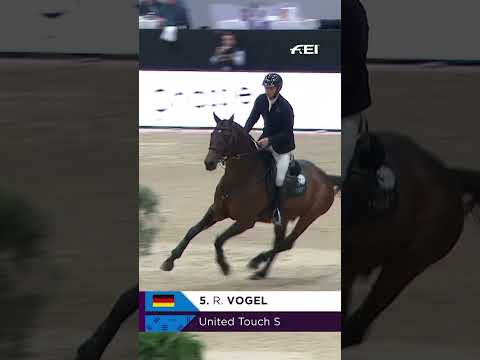
  • Richard Vogel & United Touch S just eating the twists and turns
    These two soard to success during the Longines FEI Jumping World Cup in Lyon! Subscribe to our YouTube channel & hit ...
    0 Σχόλια 0 Μοιράστηκε 265 Views
  • LIVE | Competition No. 3 Int. jumping Competition against the clock (1.55m)
    It's Longines FEI Jumping World Cup in Verona! Enjoy now the Int. jumping Competition against the clock (1.55m) ...
    0 Σχόλια 0 Μοιράστηκε 249 Views
  • WORLDEQUESTRIANCENTER.COM
    Entries, Prize List and Weekly Stall Reservations Now Available for 2025 Winter Spectacular Show Series at World Equestrian Center Ocala
    Ocala, FL Entries, weekly stall reservations, and the prize list are now available for the 2025 Winter Spectacular Show Series at World Equestrian Center Ocala, which boasts over $10 million in prize money. Running from January 1 through March 23, 2025, this highly anticipated circuit features world-class hunter/jumper competition, sanctioned by US Equestrian (USEF) and Fdration Equestre Internationale (FEI). Exhibitors and spectators can[...]Read MoreThe post Entries, Prize List and Weekly Stall Reservations Now Available for 2025 Winter Spectacular Show Series at World Equestrian Center Ocala appeared first on World Equestrian Center.
    0 Σχόλια 0 Μοιράστηκε 295 Views
  • LIVE | Competition 1 - FEI Driving World Cup 2024/25 Maastricht (NED)
    Enjoy now the first competition of the FEI Driving World Cup 2024/25 in Maastricht (NED)! Subscribe to our YouTube channel ...
    0 Σχόλια 0 Μοιράστηκε 270 Views
  • WORLDEQUESTRIANCENTER.COM
    Kelsey Epperson Dominates the $15,000 USHJA National Open Hunter Derby of WEC -Wilmington Midwest Indoors I
    Wilmington, Ohio Despite slight nerves about Joe Carnicoms tracks for the $15,000 USHJA National Open Hunter Derby of WEC Wilmington Midwest Indoors I, Kelsey Epperson proved her excellence once again with her winningest mount, Didgereedoo VDL (Zavall VDL x Pheminka). Epperson left the arena thankful for the eye-catching chestnut gelding, he is the best horse in the world. I owe everything to him![...]Read MoreThe post Kelsey Epperson Dominates the $15,000 USHJA National Open Hunter Derby of WEC -Wilmington Midwest Indoors I appeared first on World Equestrian Center.
    0 Σχόλια 0 Μοιράστηκε 266 Views