• KNOCKAGHVIEWEC.COM
    New Year Dressage Final
    New Year Dressage League FINALStrictly pre-entry before 9pm on the Thursday before each week,times posted by 5pm on the FridayClass 1a - Intro A (2008) AssistedClass 1b - Intro A (2008) JuniorClass 1c...
    0 Commenti 0 condivisioni 605 Views
  • BLOG.CITRUS-LIME.COM
    Redpost Safety Weekend
    Join us on Saturday 20th and Sunday 21st for the Redpost Safety Weekend! Make sure you are set for the competition and summer season with our safety weekend, find the right body protector, hats, and stirrups to suit your discipline and riding level. One of the professional fitters will be on hand to make sure you find the right product to keep you safe whether happy hacking or competing. Shop in our Totnes store and receive Triple Points on every safety item purchased for the entire weekend! Find your chance to win! Get expert help from brand ambassadors from Tech Stirrups, and have a chance to win! We have a quick and easy online booking system for Hat, Boot, and Body Protector fittings at Redpost Equestrian. You can make your booking quickly and easily, at your own convenience, any time of the day or night. You can easily see when our experienced and fully-trained staff are available, and choose a time to suit you. You can also book by phone, by calling our team on 01803 812040. Book A Fitting Now The post Redpost Safety Weekend first appeared on Redpost Equestrian Blog.
    0 Commenti 0 condivisioni 325 Views
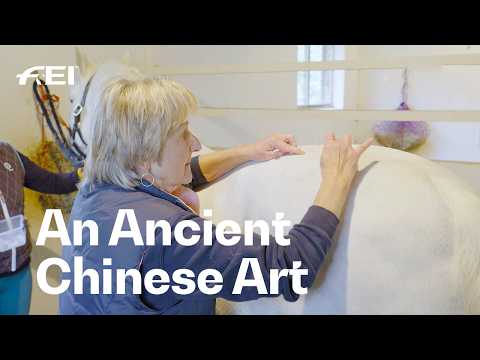
  • Acupuncture for horses: No need to be afraid of needles 🪡👀😁 | RIDE presented by Longines
    I'm a vet who really loves horses; I love being in a position to be able to recognise their pain and to help take that away.” In ...
    0 Commenti 0 condivisioni 275 Views
  • WWW.BADMINTON-HORSE.CO.UK
    ’75 years of history, Badminton Horse Trials’ – a must watch!
    To celebrate our 75th anniversary we are delighted to announce the release of a documentary celebrating the history of our wonderful event. Join Her Royal Highness the Princess Royal, Zara Tindall, Oliver Townend, Andrew Nicholson, Pippa Funnell, Ros Canter and Hugh Thomas as they talk about their favourite Badminton memories, their favourite rounds and openly talk about why Badminton holds a special place in their heart. Equirating’s Diarm Byrne also gives an insight into this years event and who we can expect to see at the top of the leaderboard in 2024. The programme is available to watch from anywhere in the world on Badminton TV. Click here to subscribe and watch.
    0 Commenti 0 condivisioni 282 Views
  • WWW.JUSTHORSERIDERS.CO.UK
    What is DEET in Horse Spray: Unveiling the Science Behind Equine Insect Repellents
    Aspect Details What is DEET? N,N-Diethyl-m-toluamide, developed in 1946, widely used for its insect-repelling properties. How DEET Works Interferes with insect olfactory receptors, making it difficult for them to locate targets. Usage in Horse Sprays Offers protection against mosquitoes, flies, and ticks; safe when used as directed. Safety Profile Evaluated by the EPA as safe for equine use; proper application is essential to minimize risks. Alternatives to DEET Permethrin, picaridin, natural options like citronella and neem oil. Practical Application Follow label directions, apply in open areas, test on a small area, avoid eyes and mouth. Conclusion DEET is highly effective but alternatives exist for those seeking different solutions. Introduction to DEET: A Horse Owner's Ally Against Insects Protecting horses from biting insects is not just about comfort; it’s about health. Among the many solutions available, DEET-based horse sprays stand out for their proven effectiveness. But what exactly is DEET, and why do so many choose it as their go-to defence? Let’s dive into the science behind this powerful ingredient. What Exactly is DEET? DEET (N,N-Diethyl-m-toluamide) is a chemical compound that has become synonymous with strong insect repellent properties. Originally developed in 1946 for the U.S. Army, DEET has been safeguarding both military personnel and civilians from vectors like mosquitoes and ticks for over seven decades. Its ability to repel rather than kill pests makes it a preferred choice for those looking for effective protection without harsh consequences. Why is DEET Used in Horse Sprays? Using DEET in horse sprays ensures that your beloved animals are not just safe from irritation, but also from diseases carried by insects, such as Lyme disease and West Nile Virus. With its wide-ranging protection, DEET provides an invisible shield, allowing horses to enjoy their outdoors time without the constant harassment from flying pests. The Mechanism Behind DEET: How Does it Work? DEET's primary action is not to harm insects but to confuse them. By interfering with the receptors that mosquitoes and other biting insects use to detect carbon dioxide and skin emanations, DEET effectively makes it hard for these pests to locate their target. This 'confusion' doesn't kill but merely keeps the insects at bay, providing a safe space for horses. Comprehensive Protection Studies have shown that DEET can prevent bites from a vast array of pests, making it incredibly versatile. Whether it's a serene evening in the pasture or a competitive day on the track, DEET-based sprays work tirelessly to protect your horses from unwanted guests. Efficiency in Application One major advantage of DEET is its efficiency in application. A little goes a long way, meaning that horse owners can provide protection that lasts several hours with only a small amount of product, making it a cost-effective solution in the long run. Additionally, the formulation of these sprays is designed to adhere well to the horse’s coat, ensuring that the repellent remains effective even with sweat or minor exposure to water. Safety Profile of DEET: What Horse Owners Need to Know Safety is paramount when it comes to products applied on animals. DEET's long history of use offers a reassuring track record. The Environmental Protection Agency (EPA) has extensively evaluated DEET and found it safe for use on horses, as long as it's used according to the product instructions. Understanding Application and Precautions To maximize effectiveness and minimize risks, proper application is crucial. It's advisable to apply DEET-based sprays in a well-ventilated area and avoid over-application. Ensuring that the spray does not get into the horse’s eyes or mucous membranes can prevent irritation. Regular checks for any signs of skin irritation can further enhance safety for your equine friends. Incidence of Adverse Effects While DEET is generally well-tolerated by horses, occasional reports of skin reactions have been noted. Monitoring your horse after application for any unusual symptoms is always a wise precaution. This vigilance helps in identifying any sensitivity early, ensuring that your horse’s exposure to DEET remains within the safe usage parameters. Exploring Alternatives to DEET For those looking for DEET-free options, there are several effective alternatives that can be equally effective, especially for owners who prefer natural solutions. Ingredients like permethrin and picaridin are popular choices, offering long-lasting protection with a lower risk of skin irritation. Natural Repellents Citronella, neem oil, and essential oils such as eucalyptus and lavender have been used with varying degrees of success. These natural options require more frequent reapplication but are preferred by many for their gentler approach and pleasant scents. Effectiveness of Natural vs. Chemical Repellents Natural repellents often need to be applied more frequently than their chemical counterparts, but they provide a safer option for horses with sensitive skin or for owners who are cautious about chemical exposure. Research suggests that while natural repellents may not always match the duration of protection offered by DEET, they can be significantly effective in the right conditions. Practical Advice for Horse Owners: Using DEET Safely Choosing the right insect repellent for your horse involves balancing effectiveness with safety. While DEET is highly effective, understanding its proper use is crucial to ensure your horse's health and comfort. Best Practices for DEET Application Here are some tips to ensure you use DEET safely on your horses: Follow the label directions carefully to avoid overuse. Apply in open areas to prevent inhalation. Test on a small area of the horse’s skin first to check for any adverse reactions. Keep away from the horse's eyes and mouth, and wash your hands after application.   Finding the Right Product It’s essential to choose a product that not only contains DEET but also other skin protectants that minimize irritation and enhance the repellent’s longevity. A variety of DEET formulations are available that are tailored for equine use, ensuring both safety and efficacy. Conclusion: The Balanced Approach to Insect Repellents Choosing an insect repellent is a critical decision for any horse owner. DEET offers a high level of protection and is backed by decades of research and use. However, for those seeking alternatives, natural and other chemical options are available that can provide effective protection with potentially gentler effects. Further Reading and Resources For more information on insect repellents and to explore a range of products, visit Just Horse Riders’ Fly Sprays and Supplements. Equipping yourself with knowledge and the right products can make a significant difference in the quality of life for your horse. Stay Informed and Prepared To ensure the best care for your horse, staying informed about the latest in equine care and insect repellent technology is key. By understanding the pros and cons of each option, including DEET, you can make an informed choice that aligns with your horse care philosophy and the specific needs of your equine companions. Is DEET harmful to horses? DEET is not harmful to horses when used according to the product's directions. It has been evaluated and approved for use on animals by regulatory bodies such as the EPA. However, it's important to avoid overuse and ensure that the spray does not come into contact with the horse's eyes or mucous membranes to prevent irritation. Should you avoid DEET? While DEET is safe when used properly, some horse owners may choose to avoid it due to personal preferences or specific sensitivities their horses might have. In these cases, alternatives like permethrin or natural options can be used effectively. What is diethyltoluamide for horses? Diethyltoluamide, commonly known as DEET, is a chemical compound used extensively as an insect repellent. For horses, it serves as a barrier against biting insects such as mosquitoes, flies, and ticks, protecting them from irritation and disease transmission. Does DEET repel horse flies? Yes, DEET is effective at repelling horse flies along with other pests. It disrupts the olfactory senses of these insects, making it difficult for them to detect and land on their target, which in this case is the horse.
    0 Commenti 0 condivisioni 294 Views
  • WWW.JUSTHORSERIDERS.CO.UK
    Why Are Some Horses Flat-Footed: Unraveling the Mysteries of Equine Hoof Health
    Aspect Key Points Resources and Links Genetics and Conformation Thoroughbreds often have flat soles due to selective breeding for performance traits. The Equine Documentalist Training and Shoeing Frequent shoeing and hard training surfaces can weaken hooves, reducing hoof angle. Retraining of Racehorses: Farriery Environmental Influences Conditions like dampness or poor nutrition can negatively impact hoof health. Holistic Hoof Care Corrective Actions Proper trimming and shoeing can help manage and improve conditions in flat-footed horses. Horse Forum: Flat-footed Questions Management Practices Regular farrier visits and balanced nutrition are crucial for maintaining hoof health. MSD Veterinary Manual Case Studies and Expert Opinions Real-world cases and expert advice underline the importance of tailored hoof care strategies. Scoot Boots Blog Long-Term Implications Proactive management reduces severe complications and improves quality of life. American Farriers Journal Introduction to Flat-Footedness in Horses Horses, like humans, can have a range of foot shapes, and flat-footedness is a condition that affects a notable percentage of the equine population. It's not just a cosmetic concern—it can impact a horse's health and performance. This blog aims to explore the multifaceted reasons behind flat-footedness, using expert insights and scientific studies to provide a comprehensive understanding. Understanding why some horses develop flat feet is crucial for effective management and care. Whether you're a seasoned equestrian or new to the world of horse riding, grasping the basics of this condition is essential for maintaining the health and happiness of these majestic animals. Before diving deeper, let's clear up some common misconceptions: not all flat-footed horses are destined for discomfort or poor performance. With proper management, many horses with this condition lead full and active lives. Ready to trot through the details? Let's get going! The Genetic and Conformational Factors Genetics play a pivotal role in the conformation of a horse's hooves. Specific breeds, particularly Thoroughbreds, are often predisposed to having flat soles and thin walls—traits that can be linked back to selective breeding practices focused on speed and agility rather than hoof soundness. This genetic predisposition means that some horses are simply born with a higher likelihood of developing flat feet. However, it's not just a genetic roll of the dice. Environmental factors and care practices also play significant roles in the development and management of this condition. Impact of Training and Shoeing Training intensity and shoeing practices also contribute significantly to hoof health. In the racing world, horses are often shod frequently to protect their hooves during intense training sessions on hard tracks, which can paradoxically weaken the hoof wall over time. Research suggests that the biomechanical forces exerted during high-speed gallops can lead to changes in hoof structure, particularly a decrease in hoof angle. This insight is crucial for understanding the prevalence of flat feet in retired racehorses. Regular, strategic farrier care can help mitigate these effects, emphasizing the importance of proper hoof maintenance. Environmental Influences on Hoof Health Living conditions and climate significantly affect hoof health. Horses housed in wet, muddy environments often suffer from hoof issues, including flatter feet. This is due to the softening of the hoof material, which allows more spreading upon weight bearing, and potentially, a remodeling of the coffin bone that results in flat soles. Conversely, those kept in dry, arid conditions may develop excessively hard hooves that are also prone to cracking. Proper stable conditions can prevent these extremes and promote healthier hooves. This makes selecting the right stable rugs and turnout rugs critical for maintaining an optimal environment for hoof health. Nutrition's Role in Hoof Health Dietary impact on hoof quality cannot be overstated. Essential nutrients such as biotin, zinc, copper, and amino acids play critical roles in hoof development and strength. A deficiency in any of these can lead to weaker hoof structures and contribute to the occurrence of flat-footedness. A balanced diet supplemented with everyday horse vitamins and supplements is key to promoting hoof health. Studies have shown that supplements rich in biotin can significantly improve hoof hardness and integrity, which may help mitigate some of the structural challenges associated with flat feet. Can Flat-Footedness Be Corrected? While genetics dictate the potential for flat-footedness, environmental and care factors also influence whether this potential is realized. Addressing flat-footedness effectively often requires a combination of approaches, including corrective shoeing and trimming. Corrective farriery can improve hoof angle and support, relieving pressure on the sole and helping to promote a more natural hoof shape. Techniques such as raising the heel can be particularly effective, as detailed in studies covered in the MSD Veterinary Manual. It’s important for horse owners to work closely with a knowledgeable farrier to tailor a hoof care program that addresses their horse’s specific needs. The Role of Proper Management in Preventing Flat-Footedness Regular hoof care is essential for maintaining hoof health and preventing issues such as flat-footedness. This includes routine trimming and shoeing that not only maintain the correct hoof shape but also enhance the overall well-being of the horse. Consistent care can prevent many of the complications associated with flat feet. Regular visits from a qualified farrier and veterinary checks can ensure that any signs of poor hoof health are addressed promptly. Engaging in proactive hoof care can significantly reduce the risk of developing severe flat-footedness. How Horse Owners Can Enhance Hoof Health Education on hoof health is crucial for horse owners. Knowing what to look for and understanding the factors that contribute to hoof problems can empower owners to make better decisions regarding their horse's care. For instance, incorporating horse treats and gifts that support hoof health, such as treats fortified with minerals and vitamins, can be a fun and effective way to contribute to maintaining strong hooves. Furthermore, using Holistic Hoof Care practices can also help in understanding and applying the principles of good hoof care. Conclusion: A Multifaceted Approach to Managing Flat-Footedness Managing flat-footedness in horses requires a multifaceted approach that includes genetic understanding, proper training, nutritional support, and vigilant care. By taking these factors into account, horse owners can greatly enhance the quality of life for their flat-footed horses. Remember, every horse is unique, and what works for one might not work for another. It’s important to consult with equine professionals who can provide tailored advice based on the specific needs of your horse. For more detailed insights on managing flat-footedness, consider visiting resources like EquiMed and American Farriers Journal. Asked by You: Frequently Asked Questions Can a flat-footed horse be corrected? While inherent genetic factors cannot be changed, many aspects of flat-footedness can be effectively managed with proper care. Regular, corrective trimming and shoeing can improve hoof shape and function, and in many cases, alleviate discomfort associated with being flat-footed. Can a flat-footed horse go barefoot? Going barefoot can be a viable option for flat-footed horses, especially if they are not exposed to very hard or rocky surfaces. It requires careful management and transition under the guidance of a knowledgeable farrier or veterinarian to ensure that the horse adapts without discomfort or injury. Why do thoroughbreds have bad feet? Thoroughbreds often have foot issues due to selective breeding practices that have prioritized speed and performance traits over hoof soundness. This has led to common issues such as flat soles, long toes, and thin walls, which can compromise hoof health and function. How do you treat a flat pedal bone in a horse? Treating a flat pedal bone involves corrective shoeing to relieve pressure on the sole and support the hoof structure. This often includes the use of pads or specialized shoes that help redistribute weight and alleviate discomfort. Regular monitoring and adjustments by a skilled farrier are crucial to the treatment process.
    0 Commenti 0 condivisioni 386 Views
  • NARROWWATEREQUESTRIANCENTRE.COM
    Spring Hack
    🐴🌸 🌼 Spring is in full bloom at Narrow Water! 🌼 Join us on May 5th for a stunning Spring hack through our 750 acres of forest and estate. 🌳🐎 Whether you're an experienced rider or Novice, this event is perfect for you. 🤩 Ride through a sea of bluebells and enjoy the peaceful atmosphere as you explore our beautiful trails with your trusted equine companion. 🌷 Don't have your own horse? No problem! We have a limited number of school horses available. Secure your spot now by booking and get ready for an unforgettable day filled with breathtaking views and unforgettable memories. 🌺 See you at Narrow Water! #SpringHack #HorseRiding #NarrowWaterEventCentre
    Love
    1
    0 Commenti 0 condivisioni 590 Views
  • 🔴 LIVE | Children | FEI Jumping Nations Cup™ Youth 2024 Compiègne (FRA)
    Enjoy now the Children's competition of the FEI Jumping Nations Cup™ Youth 2024 in Compiègne (FRA) ▷▷ Subscribe to our ...
    0 Commenti 0 condivisioni 264 Views
  • Peder Fredricson: Sweden's legend who has taken jumping to a new level | EVERY SECOND COUNTS | Ep.5
    Subscribe to our YouTube channel & hit the bell! ▷▷ http://go.fei.org/YouTube?d ▷▷ Exclusive videos on #FEItv: ...
    0 Commenti 0 condivisioni 275 Views
  • WWW.JUSTHORSERIDERS.CO.UK
    What Age Do Horses' Bones Mature? Understanding Equine Skeletal Development
    Aspect of Development Key Points Growth Plate Ossification Cannon bone plates close by 12-18 months. Vertebrae mature at 5-7 years. Factors Influencing Maturity Breed does not affect rate of skeletal maturity. Nutrition and moderate exercise are critical. Training Considerations Training intensity should match the horse's developmental stage to prevent injuries. Equipment Needs Use high-quality, appropriately sized equipment to enhance safety and comfort. Patience in Development Full skeletal maturity may not occur until 6-8 years. Tailor care to individual growth rates. What Age Do Horses' Bones Mature? When it comes to understanding our equine friends, knowing the details of their growth and development isn't just academic—it's essential for ensuring they lead happy, healthy, and productive lives. One key aspect often overlooked is the age at which horses' bones mature, a fact crucial for anyone involved in training, riding, or caring for horses. The Journey to Skeletal Maturity Horses, unlike humans, exhibit a rapid growth rate, reaching near-adult sizes by the tender age of two. But don't let their size fool you! Complete skeletal maturity, where growth plates fully convert to bone, trails behind and can take much longer to achieve. Understanding the ossification of growth plates—the last portions of bones to harden—is crucial. These plates are located at the ends of long bones and are responsible for their lengthening as the horse grows. The full conversion of these plates from cartilage to bone is a process that demands patience and precision in care. Growth Plate Ossification As per insights from scientific research, the growth plates in a horse's cannon bones (metacarpals/metatarsals) typically close between 12 and 18 months. However, it's essential to remember that this is only part of a much larger and complex skeletal system, which includes numerous growth plates all maturing at different rates. Equine Growth Plate Closure Timeline The exact timing can vary, but here's a quick guide: the growth plates of the coffin bone close even before birth, the carpus (knee) bones close at about 1.5 to 2.5 years, and the crucial vertebrae, bearing the brunt of a rider's weight, mature between five and seven years. These varied timelines are vital for determining when a horse can start training and how hard they can work without risk of injury. The Misconception of 'Knees Closed' There's a common myth that once a horse's knees have closed, they're ready for intense training or racing. This is a dangerous oversimplification. The truth is, the skeletal maturity of the entire system, especially the vertebrae, must be considered. These structures do not fully mature until the horse is between five and seven years old, as highlighted by Equine Wellness Magazine. Factors Influencing Skeletal Maturity While the general timeline for a horse's bone maturity is established, several individual factors can significantly influence the rate at which a horse's skeleton develops. Understanding these can help in tailoring care and training programs that are both safe and effective. Breed and Size It's a myth that larger breeds like Warmbloods or Draft horses mature slower than smaller breeds. According to Dr. Deb Bennett's research, all horses mature skeletally at about the same rate, regardless of breed. Full maturity is not achieved until at least the age of six. This fact is crucial when planning the training schedule for young horses to avoid injuries. Nutrition and Health Proper nutrition is essential for healthy bone formation. A diet deficient in necessary nutrients like calcium, phosphorus, and vitamin D can delay the ossification process and lead to developmental disorders. Ensuring a well-balanced diet tailored to the needs of growing horses is fundamental. Explore our Everyday Horse Vitamins & Supplements to support your horse's optimal growth. Exercise Moderate exercise is beneficial for young horses as it promotes healthy bone and joint development. However, the intensity and type of exercise should be carefully matched to the horse's age and stage of skeletal development. Overloading a horse that has not yet reached skeletal maturity can result in serious injuries. For guidelines on appropriate exercises, visit Horses Inside Out. The Final Verdict on Skeletal Maturity Experts agree that horses do not reach full skeletal maturity until at least six years of age, with some not fully maturing until they are eight. This extended timeline is critical for anyone involved in the care, training, or breeding of horses. Making informed decisions based on this knowledge can prevent injuries and ensure a healthy development of the horse. To learn more about how you can support your horse during its growth phases, check out our collection of Stable Rugs and Turnout Rugs, designed to keep them comfortable during rest periods which are essential for recovery and growth. Conclusion: Embracing the Growth Journey of Your Horse Understanding when and how horses reach skeletal maturity is more than just academic knowledge—it's a cornerstone of responsible horse ownership. By aligning our training and care strategies with the natural development of horses, we can ensure they lead long, healthy lives. Training and Development Considerations When it comes to training, the age at which horses' bones mature should dictate the intensity and nature of the exercises they undergo. Starting intense training too early can cause irreversible damage to a young horse's still-developing skeletal system. For a detailed guide on age-appropriate training techniques, check out our blog on horse mental maturity alongside their physical growth. Investing in Quality Equipment As your horse grows, it's also crucial to invest in high-quality riding equipment that adapts to their changing body and needs. Explore our Horse Riding Boot Collection and Jodhpur Collection for options that provide both comfort and durability. Proper gear can prevent injuries and enhance the riding experience for both you and your horse. The Importance of Patience Patience is perhaps the most important virtue when it comes to raising horses. Understanding that full skeletal maturity may not occur until the horse is as old as eight is vital. During this time, providing a supportive and nurturing environment is key. For gifts that celebrate each milestone in your horse's life, visit our Horse Treats And Gifts section. Final Thoughts Every horse is unique, and while the general guidelines provide a framework, each horse may reach maturity at a slightly different pace. Being attentive to your horse's individual needs and consulting with veterinary experts can help tailor a care plan that ensures their optimal health and performance. Let's ensure that our practices align with the science of equine development for the benefit of our beloved equine companions. Remember, the well-being of horses is paramount, and informed decisions based on their growth and development can lead to a more fulfilling and successful partnership between horses and humans. If you're looking for more information or need advice on horse care, don't hesitate to contact us or explore our website for a wide range of products and resources. At what age do horses' bones fully fuse? Horses' bones typically fully fuse by the age of six, though some larger breeds or individuals may take until they are around eight years old. The final bones to mature are often the vertebrae, crucial for supporting the rider's weight. What is the skeletal maturity of a horse? Skeletal maturity in horses refers to the point at which all growth plates have transformed from cartilage to bone, ending the bone growth process. This generally occurs by six to eight years of age, with some variation depending on individual factors. At what age is a horse considered mature? While horses may reach full size by the age of two, they are not considered fully mature until their skeleton has fully developed, usually by the age of six to eight. Full maturity also includes mental and physical development. At what age does a horse's knees close? The growth plates in a horse's knees typically close between 1.5 to 2.5 years of age. However, this does not indicate complete skeletal maturity, as other parts of the skeleton, particularly the spine, take much longer to fully mature.
    0 Commenti 0 condivisioni 467 Views