• WWW.YOURHORSE.CO.UK
    What are the Scales of Training in dressage?
    Six words make up the Scales of Training in dressage and they apply to all horses and ponies, whatever level you ride at. Whether you dream of turning your dressage horse into the next Valegro, or are simply seeking a training guide to teach your steed to move better on the flat and in turn over a jump the foundations are the same.The six elements of the training scale interact with and depend on one another they dont work alone. It helps if you visualise the scale as a pyramid, with each layer representing one scale.Its important to achieve each stage before moving on to the next. You cant, for example, achieve contact without having rhythm and suppleness in place first.However, the six layersshouldnt be treated as a list to work your way through and the lower rungs should be revisited throughout your horses training.The Scales of TrainingThe dressage training scale is:A pyramid represents the Scales of TrainingRhythm (bottom of pyramid)SupplenessContactImpulsionStraightnessCollection (top of pyramid)This linear format should only be used as a guide. In practice, the dressage training scale is more a set of training goals or principles than a scale. The concepts are much more complex than a single list is able to express.Each level is interconnected and you may find that you need to spend longer on one element with certain horses, but not with others. It comes down to the individual horses temperament and natural abilities.How the Scales of Training workThe dressage Scales of Training can be further subdivided into three categories:The first three scales rhythm, suppleness and contact are part of the first familiarisation phase. This is where your horse learns to hold themselves properly when carrying a rider, using their core, being relaxed, and listening to the riders aids while seeking an elastic connection.The second phase involves both impulsion the contained power of the horse and straightness. When a horse is crooked, it will be more difficult for them to stay balanced and develop impulsion. This is why you need to teach them to use their hindquarters effectively.The third phase builds on the second phase, as your horse develops the carrying power of their hindlegs, leading to collection. As they progress in their training and hone the necessary muscles, they will carry more weight on their hindquarters, in turn lightening their forehand, thus giving them more freedom to move their shoulders. This will make the horse an easier and more athletic ride.How dressage judges use the Scales of TrainingThe six scales are not just a guide for how horses should be trained. Judges also use them to determine the quality of a performance during a dressage test.Judges are trained to assess a horses way of going against the level of test they are performing. This is why, although you may score in the high 60s at novice level, when moving up a level your score may go down to the 50s.This is purely because your horses way of going has not yet developed enough to warrant a better mark at that higher level.The first thing a judge will look for is whether a horse is working evenly in each pace and with a constant tempo, both of which come under the first foundation: rhythm. The judge will then move on to suppleness and work their way up the scales pyramid.Achieving rhythmMany riders struggle with achieving rhythm.The word rhythm is derived from the Greek word rhythmos which means measured motion. You could also describe rhythm as the regular occurrence, or timing, of a beat. In equestrian terms it relates to the regularity of footfall in any pace.Measured motion relates to each step being of equal length in every pace. In order to achieve this, the horse needs to be in balance and self-carriage, explains international dressage trainer Ian Woodhead.Horses develop their strength through progressive training and, as they strengthen, they therefore improve in their ability to carry themselves in more complex movements.Scales of Training: supplenessA supple horse turns their head, neck and haunches in either direction with equal freedom and range of motion. This the second scale to achieve in dressage training, and it is only achievable when your horse is working in a regular rhythm.As riders we are often stiff in places we dont even know about and many of us have unconsciously been compensating for years. Horses are just the same, yet we often expect them to be able to work on a 20m circle on either rein and stay balanced and relaxed throughout, says Ian.Suppleness and having equal range of motion down both sides of the body will therefore enable your horse to move with freedom, both in a straight line and in the more complicated school movements. For this reason, achieving a relaxed and supple horse should be a priority for riders in all disciplines.Scales of Training: contactContact is what the rider feels through the reins and should come from the horses hindleg, through to the mouth. The rider must learn to ride the horse in front of the leg to the contact, and learn to regulate the degree of contact they are allowed to have.Although it may seem basic, Ian advises that a good starting point is runningthrough the process of asking for a contact and look at what your horse does to accept it.Begin by riding in walk. Ride between medium and extended walk, using a light and consistent rein, and testing that your horse is attentive to the rein aid before you start work.Your horse will seek a steady, inviting contact, and will engage their hind end and round their back muscles. Once you feel that engagement and acceptance, maintain it for long enough to truly feel it take effect.Contact is about much more than just head and neck position, explains Ian.Once you feel the difference that the whole body connection makes, work your way up to trying circles and transitions while maintaining that elastic and effective contact.When you have a good contact with your horse in front of the leg and in balance, you should be able to give your hand forward for two or three strides (giving and re-taking the rein) without any change to the outline or speed of the pace that your horse is working in, continues Ian.If the outline or speed changes, you have allowed your horse to rely on your hand, which means youre holding the contact rather than creating the contact and this is incorrect. You need to be able to ride your horse in front of the leg to be able to create a good contact.Three types of contactWhen training your horse to understand the contact, there are three types of contact you can work with:1 Perfect contactThis is when the horse is soft and light in the hand.2 Educational contactThe rider takes more weight in the rein than they would ideally want, and they use that weight (through their feel) to manoeuvre the bit in the horses mouth to relax the jaw.It shouldnt be necessary to use this contact for more than two or three strides at a time, but its use can be repeated frequently until the horse understands the softening through the rein.Its important to remember that the horse must be in front of the leg to justify using this aid.3 Reward contactAfter the educational contact has been used, the rider must give the hand forward to reward the horse with a softer feel. If the horse has understood the educational contact, the outline and speed of the pace will remain the same, and the horse will be in self-carriage.Scales of Training: ImpulsionIt can be tricky to explain to someone, especially if they are new to riding, exactly what impulsion is. Experienced riders know what it feels like, and they certainly know what happens when their horse is lacking impulsion.Lazy transitions, poorly balanced circles and a downhill frame are just three issues caused by a lack of impulsion. It affects jumping too; a lack of impulsion can lead to refusals, knocking fences down and even horse and/or rider falls.The dictionary definition of impulsion, besides meaning a strong urge to do something, is the motive or influence behind an action or process, explains Ian.In riding, its all about energy and power, but crucially controlling that energy and power to direct it where we want is, such as a longer stride length (for example, medium or extended trot), or higher, more agile jumping.Impulsion means that you are riding with rhythm and purpose; your horses hindlegs are engaged and their back is relaxed and supple.Horses with a naturally uphill conformation will find it easier to move with engagement and energy, but impulsion is achievable for all horses given the right schooling and exercises.Why does impulsion matter?A horse who is active and moving with energy is more capable of being responsive to your aids. For a leisure rider, this means a more enjoyable time in the saddle, not having to continually nudge, cajole and persuade them with your legs.I predominantly hack my horse, with some light schooling too so that he is responsive to my aids. I like him to be marching on when were out hacking; not like Im having to make him take every step.If youre a competitive rider, impulsion enables your horse to make transitions on exactly the stride you need, to transition up and down the gaits without losing energy and have power to burn without going too quickly, adds Ian.The most important thing to remember is that impulsion is controlled energy in your horses movement. Dont get it confused with speed.If youre struggling to maintain impulsion throughout different gaits, or feel that a willingness to go forward with energy is missing from the partnership you have with your horse, Ian shares the following exercise to help.If your horse isnt in front of the leg and working to a consistent and soft contact, it will be impossible to create or improve the impulsion theyre working with, advises Ian.Impulsion is essential to create self-carriage. Without impulsion, your horse will be unable to hold their own balance, whether in an uphill frame or a lower, rounder frame.Simple exercise to improve impulsionIan suggests starting with direct transitions to help engage your horses hindlegs:When your horse is reacting to your leg they will increase engagement and therefore impulsion.In upward transitions (walk to trot and trot to canter), ensure that your horse moves quickly off your leg when asked, but isnt running away from the leg. The contact must control the forward reaction. For example, in a walk to trot transition, your lower leg asks for the walk to step forward.The hindlegs should move a fraction before the front leg. This results in better engagement and creates impulsion that you can control.Its the same in the downward transitions too. The front end of your horse should transition a fraction of a second before their hindlegs. This encourages them to sit underneath with their hindleg as they come forward to trot or walk.Scales of Training: straightnessA dressage judge will spot whether a horse and rider are straight as soon as the partnership comes down the centre line towards them at the start of a test.A horse is straight when their body is properly aligned from poll to tail, explains dressage rider Melissa Chapman, who runs Team Chapman Equestrian in North Yorkshire.When theyre on a straight line, they should be straight along the length of their body. On straight or curved lines, their hindlegs should step precisely behind the front legs. In lateral work, the horses hindlegs should move in the direction of movement and should not step out from under them.If your horse is straight you will feel an equal contact in both hands and even weight in your stirrups and seat bones. Riding movements will feel easy in both directions and your horses ears will be level without any tilting at their poll, adds Melissa.What happens when a horse isnt straight?Whatever your favoured discipline, straightness is key and not having will affect your horses performance. In eventing, for example, a horse lacking straightness may start to struggle with technical cross-country questions or tight turns in the showjumping ring.If asked for a sharp turn or movement on their weaker side, they could run out or refuse.Out hacking, a horse who isnt straight will be a tricky ride on the road, and will find it difficult to stay close to the hedge line in fields where you are trying to stay off a farmers growing crops.I am from a farming family, so I know from experience how much trouble you will be in if your horse treads on precious crops.In dressage, a horse who isnt straight might seem stiff on one rein and hollow on the other, or they may be unwilling (or unable) to canter smaller circles on a particular rein.They may even start using their hindquarters differently because they struggle to stay balanced over their centre of gravity and so start compensating.A crooked rider can also have a big impact on a horses balance, so its worth observing how the horse moves on long reins as well as under saddle, says Melissa. It could be that the rider needs some physiotherapy and targeted exercises as much as their horse does.Working towards collectionCollection is the pinnacle of the dressage Scales of Training; it can only be achieved when all the other scales beneath it are in place.The level of collection a horse has differs at different stages. For example, in a grand prix dressage test, collection is at such a high level that the horse can trot on the spot in piaffe, or turn around practically on the spot in canter pirouette.For Pony Club and novice tests, there are movements that start to develop collection, although collection itself is not a necessity. These include when the horse comes into a halt, or changes from lengthened strides to a working trot.As the horse stops or shortens their steps, they should step more under their body with the hindlegs and transfer a little more of their weight onto the hindquarters. This is the beginning of collection.No matter what youre aiming to achieve with your horse, whether thats dressage, eventing,hackingor something else, it all starts with correct schooling,and the dressage Scales of Training are an excellent toolkit for encouraging your horse to work correctly so that they are an easier, enjoyable ride.Main image Your Horse Library/Kelsey Media LtdRelated contentWhat is rhythm in dressage? Plus three exercises to achieve itSigns of a lack of suppleness in dressage plus two exercises to improve it8 benefits of flatwork for every horse and rider, whether you compete or notThree simple exercises to work on your horses straightnessThe post What are the Scales of Training in dressage? appeared first on Your Horse.
    0 Kommentare 0 Anteile 187 Ansichten
  • WWW.YOURHORSE.CO.UK
    The Your Horse Live countdown: prizes and offers revealed every day
    The Your Horse Live Countdown Calendar is live from today, Tuesday 15 October 2024, and there are some super prizes up for grabs in the lead up to this years show.To celebrate Your Horse Live kicking off on Friday 8 November, you will be able to open a new window every day between now and then. Behind each window is a new competition to enter or exclusive offer to claim.This years show runs until Sunday 10 November at Stoneleigh Park in Warwickshire. You have to be in it to win it, so have a look and open todays window now!<<CLICK HERE TO VIEW THE CALENDAR>>Your Horse Live CountdownThe Your Horse Live Countdown Calendar has 24 windows. The first one can be opened on Tuesday 15 October. There is then one window to open every day, counting down until Thursday 7 November.Some windows will open to reveal an exclusive prize draw or competition, while others will have vouchers or discounts from a range of our super equine companies.All you have to do is open the window and register your email address to enter. Winners will be drawn at random from the list of entries at the end of the countdown.Some of the brands providing goodies and prizes during the Your Horse Live Countdown are Polyjumps, Red Gorilla, Concorde Equestrian, Le Mieux, Woof Wear, Thunderbrook Equestrian, Dengie Horse Feeds, Harry Hall, Toggi, Charles Owen, Barkers Equestrian, Equine America UK.More to be revealed!More from Your Horse LiveWhats on at Your Horse Live?Latest show newsShopping at the showThe post The Your Horse Live countdown: prizes and offers revealed every day appeared first on Your Horse.
    0 Kommentare 0 Anteile 156 Ansichten
  • WWW.YOURHORSE.CO.UK
    Monart Sale reveals 2024 catalogue
    The Monart Sale, Irelands sole elite horse auction which is run by riders for riders at Monart Equestrian in Enniscorthy, County Wexford, has released its 2024 catalogue of horses.The sale, which will take place on Monday 4 Thursday 7 November, will feature a range of Irelands finest three-year-old event horses. The horses have been selected for the auction based on a number of key attributes which make them highly likely to become 4* and 5* event horses.Looking at the current market and economic climate weve scaled back on the number of horses included in this years sale. Weve always looked for horses with potential to becometop event horsesat all levels, but for this year weve really focused on trying to select those we believe have the potential to reach the 4* and 5* level, said Niall Griffin, sale director.The panel assessing the horses includes five-star event riders Niall Griffin (IRL), Sue Shortt (IRL), Polly Jackson (GBR) and Bill Levett (AUS). All the horses in the sale have been vetted by Irish Olympic team vet Marcus Swail.Weve had over 300 horses to look this year. We also had the pleasure this year of welcoming Sue Shortt back to the ranks as one of our selectors fresh off the back of her coaching the Irish teams to medals at the Young Rider and Junior Europeans.We believe weve selected a group of three-year-olds who all have the movement to becompetitive at the dressage, the jump to get to 4* and 5* level, andall withgood conformation, added Niall.Clearance rates above 65%In previous years, clearance rates at the sale have topped 65% and it is hoped it will be higher this year due to the stricter selection criteria which has been implemented.Buyers will have two days (Monday 4 Tuesday 5 November) to view the horses before the online auction takes place on Wednesday 6 and Thursday 7 November.The Monart Sale has gone from strength to strength since its inception in 2010 with the aim of providing a platform for vendors in Ireland to bring horses and receive a fair and honest price for their horse, and for buyers to have a sale where they felt safe in the knowledge that everything was transparent and of the highest quality.Previous buyers have included Olympic champion Michael Jung, Badminton winner Caroline Powell and Maryland 5* victor Austin OConnor. Monart graduate Hot Bobo competed at the Paris 2024 Olympic Games with Canadian event rider Karl Slezak.The full catalogue can be found atwww.themonartsale.com.Further readingIts HOYS week! Find out whats on and how to watch all the actionGuidelines revealed as industry seeks sustainable parasite controlIts just too dangerous out there: shire horse centre stops carriage rides due to road safety concernsThe post Monart Sale reveals 2024 catalogue appeared first on Your Horse.
    0 Kommentare 0 Anteile 166 Ansichten
  • Irish Sport Horses well represented at Boekelo in various teams
    Big name breeders shine again this week but lesser known names feature with what seems to be a tilt towards more traditional breeding which should give confidence in this route. Boekelo International and Nations Cup (NED) 9th 13th October 2024 CCI 4* Long Nations Cup 4th Global Quest (ISH) 2013 gelding by Metropole (KWPN) out of Broadford Star (ISH)[TIH] by Big Sink Hope (TB). Breeder: John Kelleher (Clare). Rider: Tim Price (NZL) 29.8, 0, 0.8 = 30.6 6th Clever Trick (unk) 2006 gelding OIO. Rider: Susie Berry (IRL) 32.0, 0, 0.0 = 32.0 Other Irish Sport Horses to finish: 13th Blarney Monbeg Pepper (ISH) 2015 mare by Dignified Vant Zorgvliet (BWP) out of Ballyeden Hero (ISH)[TIH] by Cult Hero (TB). Breeder: Marie & Peadar Carter. Rider: Daniel Alderson (GBR) 36.0 17th Very Dignified (ISH) 2015 mare by Dignified Vant Zorgvliet (BWP) out of Kateys Gem []
    0 Kommentare 0 Anteile 196 Ansichten
  • WWW.JUSTHORSERIDERS.CO.UK
    Navigating Horse Removal from Livery Yards: Legalities, Best Practices, and Welfare Prioritization
    Section Key Points The Importance of a Written Livery Agreement A written agreement should cover payment schedules, notice periods, and default protocols. Must be prepared by an equine law solicitor. Notice Periods and Termination Horse owners must adhere to notice periods in the agreement, often around one month, to avoid legal issues. Default on Payments and Abandonment: Communication and Resolution Operators should initially communicate to resolve payment issues before sending formal notice for horse removal. Default on Payments and Abandonment: Legal Actions Options include removal by agreement, hiring a bailiff, using the Control of Horses Act, court proceedings, or selling the horse. Lien Rights Operators can withhold the horse for payment, provided it's stated in the agreement. Welfare of the Horse Operators are responsible for the horse's welfare if abandoned, ensuring compliance with welfare laws. Practical Steps for Livery Yard Operators Send formal notices, contact authorities in cases of neglect, and consult an equine law solicitor for guidance. Best Practices for Horse Owners Understand agreement terms, communicate early regarding financial difficulties, and prioritize horse welfare. Conclusion Importance of a valid livery agreement, effective communication, welfare prioritization, and seeking professional advice. Navigating the Complexities of Removing a Horse From a Livery Yard: Legalities and Best Practices When it comes to removing a horse from a livery yard, the process can be a maze of legal intricacies and practical challenges, whether you're the owner of the horse or the operator of the yard. Here's a detailed guide crafted to help both parties navigate such situations, ensuring that the needs and welfare of the horse remain the main priority while also understanding the rights and obligations involved. The Importance of a Written Livery Agreement Before contemplating the removal of a horse, its essential to emphasize the need for a written livery agreement. Drafted by an equine law solicitor, this document should encompass terms like payment schedules, notice periods, and protocols in cases of default. A thoroughly constructed agreement can circumvent many disputes by clearly defining the responsibilities of both the horse owner and the livery yard operator. Notice Periods and Termination If a horse owner decides to remove their horse, they must observe the notice period as per the livery agreement. Generally, this spans one month, though it can vary. For example, if a 60-day notice is required, written notice must be provided to circumvent potential legal issues, even if the horse is taken away before the term ends. Default on Payments and Abandonment Communication and Resolution If a livery customer defaults on payments, operators have several options. Initially, open communication to hammer out a solution is key. If that fails, a formal notice can demand the customer remove their horse and gear by a specific date. Legal Actions When the notice elapses, and the horse remains, operators can pursue legal actions: Removal by Agreement: Conduct removal in line with the agreement's terms. Horse Bailiff: Enlist a bailiff for horse removal. Control of Horses Act 2015: Detain and dispose of the horse under this act. Court Proceedings: Seek a court injunction for removal. Selling the Horse: Recoup unpaid fees by selling the horse under the Torts (Interference with Goods Act) 1977. Lien Rights An operator may hold a lien over the horse till fees are cleared, but this right should be explicitly stated in the agreement. Welfare of the Horse When a horse is abandoned, the operator assumes responsibility for its welfare to avoid legal complications. Adhering to guidelines, such as those from DEFRA, is crucial for compliance with welfare laws. Practical Steps for Livery Yard Operators Formal Notice Dispatch a formal, certified notice to customers, specifying the time available (as per agreement) to retrieve their horse, including owed amounts and potential consequences of non-fulfillment. Communication with Authorities In cases of neglect or abuse, contacting local animal welfare authorities might be necessary for support. Seeking Legal Advice Consulting with an equine law solicitor will clarify your rights and guide you through the legal maze, ensuring alignment with the law. Best Practices for Horse Owners Understand Your Agreement Comprehend the livery agreement terms before signing, ensuring it specifies notice periods, payment schedules, and anything pertaining to your horse's care. Explore various horse riding gear collections to ensure your horse's comfort and style, such as our Jodhpur Collection. Communicate Early If financial hardships arise or changes are needed in arrangements, initiate early discussion with the operator to prevent disputes and discover mutually agreeable solutions. Prioritize Welfare Always place the welfare of your horse first. Transitioning to a new livery yard? Ensure it caters to your horses needs, covering care and safety aspects. Check out our range of Stable Rugs and Turnout Rugs for added comfort. Conclusion Removing a horse from a livery yard intertwines legal, practical, and ethical dimensions. The process can be streamlined by having an established livery agreement, maintaining effective communication, and comprehending the rights and obligations of both parties. For livery yard operators, it is imperative to act swiftly and legally when handling defaulting clients, prioritizing the horses welfare while pursuing unpaid fees. For horse owners, emphasizing communication and the well-being of their horses can sidestep many of the complications associated with such removals. Abiding by these guidelines and seeking professional counsel when warranted will ensure a fair and orderly outcome for all involved.
    0 Kommentare 0 Anteile 215 Ansichten
  • Legacys brilliance earns breeder top honours at 2024 WBFSH Breeder Awards
    Legacy, one of the standout horses of the Irish Nations Cup and Olympic season, has been honoured at this years WBFSH Breeder Awards. The mount of Daniel Coyle and owned by Ariel Grange, Legacy has enjoyed an exceptional year, which included back-to-back victories at FEI Jumping World Cup events in Leipzig and Amsterdam, a feat that had not been accomplished since 2015. Her breeder, Romain Rotty from Budingen, Belgium, won the Jumping Breeder Award of 2024 for the exceptional Zangersheide mare. Partnered by Derryman Coyle, Legacy has consistently demonstrated her excellence on the international jumping stage. They jumped three clear rounds at the Paris Olympics and helped Ireland to Longines League of Nations success, with series table-topping Ireland ultimately finishing fourth in the inaugural final in Barcelona earlier this month. Her performances in Ocala, Rotterdam and Barcelona earned Grange the Owner of the Best Horse award and also earned Legacy []
    0 Kommentare 0 Anteile 290 Ansichten
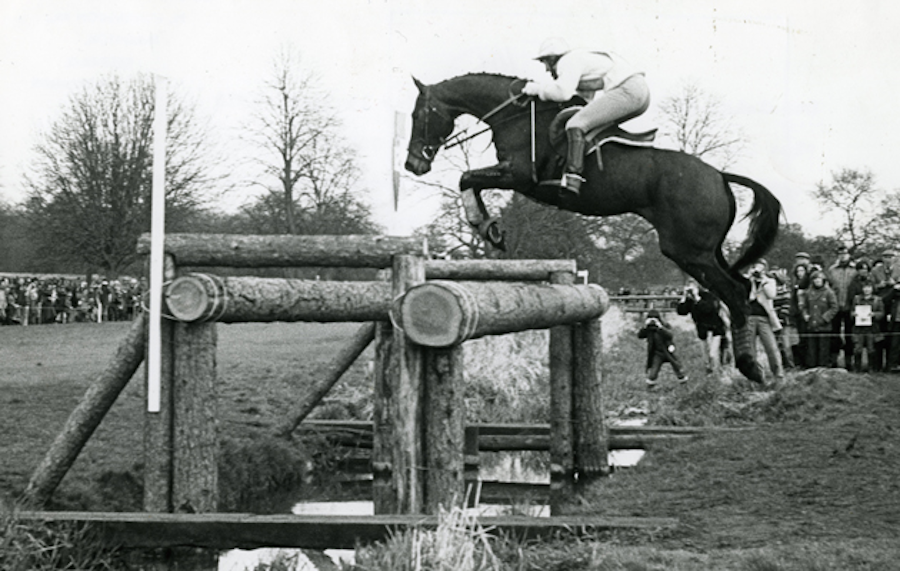
  • Lucinda Green, a name that resonates through the history of eventing, is celebrated for her unparalleled achievements and the profound connections she forged with her equine partners. Over her distinguished career, Green has piloted numerous horses to victory, but one horse, Village Gossip, held a special place in her heart. Their remarkable partnership flourished during the 1980s, highlighted by their notable success in various international competitions.

    Green's career is studded with significant milestones, including an impressive six wins at the Badminton Horse Trials, a feat that remains unmatched to this day. Her victories spanned the 1970s and 1980s, showcasing her skill, bravery, and strategic prowess. Among her string of elite horses were Be Fair, Wide Awake, and Regal Realm, but it was with Village Gossip that Green experienced what she often refers to as a "once-in-a-lifetime" partnership.

    Village Gossip, affectionately known as "Gossip," was more than just a mount; he was a partner with whom Green developed a deep and understanding bond. "Gossip had a personality that matched his name; he was curious and always eager, but above all, he trusted me as much as I trusted him," Green reminisced. Together, they tackled some of the most challenging courses in the world, securing wins and inspiring spectators with their synergy.

    Initially, Green faced a steep learning curve with Village Gossip. "I couldn't ride one side of him. You couldn't regulate him at all; everything was on his own terms. If you tried to collect him, to jump a coffin or something, he just stopped. I remember being in tears hacking at home, thinking 'I've just been bought this wonderful horse and I can't find the brilliance that was there for all to see last year at Burghley with Katie O'Hara."

    Her breakthrough came when she decided to embrace Gossip's bold nature. "I decided that if he wanted to go fast, I'd let him. We won our next event. In that moment I had learnt how to ride him - you had to let him go flat out into everything. He'd go storming into fences, shorten himself up and ping over."

    This experience transformed Green's riding philosophy. "I learnt to be 'actively passive'. You didn't just sit there and close your eyes; you used your body in the best way to balance him. You were ready for anything, but you could do nothing. It was a huge lesson because I'd always thought you had to do something."

    Beyond her victories at Badminton, Green's record includes a world championship title and participation in the Olympics, underscoring her versatility and competitiveness on the global stage. Her approach to training and competing has influenced generations of riders, and her insights into horse psychology have made her a respected figure in equestrian coaching circles.

    "Each horse I've ridden has taught me something unique, but with Gossip, it was about the pure joy of eventing. He was as enthusiastic about the sport as I was, and that made all the difference," Green stated. Her favorite horse, Village Gossip, not only shared in her competitive spirit but also embodied the heart and soul of eventing.

    Today, Lucinda Green remains an influential figure in the equestrian world, not only for her historic wins but also for her commitment to educating young riders. She holds clinics worldwide, passing on her knowledge and passion for the sport. "Eventing is about partnership and trust, and I was lucky to have found that with Gossip and all the horses I've been privileged to ride," Green reflects.

    As she continues to inspire and teach, Lucinda Green's legacy is a testament to her outstanding career and the deep connections that can exist between a rider and their horse, epitomized by her unforgettable rides with Village Gossip.


    Lucinda Green, a name that resonates through the history of eventing, is celebrated for her unparalleled achievements and the profound connections she forged with her equine partners. Over her distinguished career, Green has piloted numerous horses to victory, but one horse, Village Gossip, held a special place in her heart. Their remarkable partnership flourished during the 1980s, highlighted by their notable success in various international competitions. Green's career is studded with significant milestones, including an impressive six wins at the Badminton Horse Trials, a feat that remains unmatched to this day. Her victories spanned the 1970s and 1980s, showcasing her skill, bravery, and strategic prowess. Among her string of elite horses were Be Fair, Wide Awake, and Regal Realm, but it was with Village Gossip that Green experienced what she often refers to as a "once-in-a-lifetime" partnership. Village Gossip, affectionately known as "Gossip," was more than just a mount; he was a partner with whom Green developed a deep and understanding bond. "Gossip had a personality that matched his name; he was curious and always eager, but above all, he trusted me as much as I trusted him," Green reminisced. Together, they tackled some of the most challenging courses in the world, securing wins and inspiring spectators with their synergy. Initially, Green faced a steep learning curve with Village Gossip. "I couldn't ride one side of him. You couldn't regulate him at all; everything was on his own terms. If you tried to collect him, to jump a coffin or something, he just stopped. I remember being in tears hacking at home, thinking 'I've just been bought this wonderful horse and I can't find the brilliance that was there for all to see last year at Burghley with Katie O'Hara." Her breakthrough came when she decided to embrace Gossip's bold nature. "I decided that if he wanted to go fast, I'd let him. We won our next event. In that moment I had learnt how to ride him - you had to let him go flat out into everything. He'd go storming into fences, shorten himself up and ping over." This experience transformed Green's riding philosophy. "I learnt to be 'actively passive'. You didn't just sit there and close your eyes; you used your body in the best way to balance him. You were ready for anything, but you could do nothing. It was a huge lesson because I'd always thought you had to do something." Beyond her victories at Badminton, Green's record includes a world championship title and participation in the Olympics, underscoring her versatility and competitiveness on the global stage. Her approach to training and competing has influenced generations of riders, and her insights into horse psychology have made her a respected figure in equestrian coaching circles. "Each horse I've ridden has taught me something unique, but with Gossip, it was about the pure joy of eventing. He was as enthusiastic about the sport as I was, and that made all the difference," Green stated. Her favorite horse, Village Gossip, not only shared in her competitive spirit but also embodied the heart and soul of eventing. Today, Lucinda Green remains an influential figure in the equestrian world, not only for her historic wins but also for her commitment to educating young riders. She holds clinics worldwide, passing on her knowledge and passion for the sport. "Eventing is about partnership and trust, and I was lucky to have found that with Gossip and all the horses I've been privileged to ride," Green reflects. As she continues to inspire and teach, Lucinda Green's legacy is a testament to her outstanding career and the deep connections that can exist between a rider and their horse, epitomized by her unforgettable rides with Village Gossip.
    0 Kommentare 0 Anteile 4KB Ansichten
  • WWW.HORSEILLUSTRATED.COM
    Meet the Peruvian Horse
    Like many of the great breeds that have come from the Americas, the Peruvian Horse has its roots in Spanish horses brought over centuries ago. Because Peru is so isolated, the horses left by the Spanish were not crossed with a lot of outside blood, resulting in a lovely gaited horse that reflects its deep lineage.Peruvian Horses have two four-beat smooth gaits, the slower paso llano and faster sobreandano. Photo by Red Mane Creative/Kelly PowersThe Peruvian gait is a four-beat lateral movement with a foot sequence of left hind, left fore, right hind, right fore. The slower speed is called the paso llano while the faster gait is called the sobreandando.Table of ContentsTogglePeruvian Horses in North AmericaProud Owners of Peruvian HorsesA Lifetime of Training and ShowingPeruvian Horses in North AmericaCurrently, the North American Peruvian Horse Association (NAPHA) says there are roughly 20,000 Peruvians in North America, with the number holding steady.The isolation of Peru means that the Spanish horses brought over centuries ago had very little outcrossing of bloodlines between then and now. Photo by Red Mane Creative/Kelly PowersIts a very unique breed and a lot of people really dont know anything about it, shares Mark Renn, president of the NAPHA. He got into the breed because of his bad back. Theyre fantastic horses. They are born gaited, so you dont have to worry about screwing up the gait. It feels good knowing the horse has it in them right away, rather than trying to put it in them. And I liked their size.He has a two-month-old colt that can be seen doing the paso llano alongside his mother.The NAPHA celebrates Peruvian Horse owners that get out and enjoy their horses. They have several programs for recreational riders to earn awards for things like trail rides, open shows, and paradesanything that gets the breed out and seen.One free program is their High Hour Rider, awarded to riders hitting hour milestones as well as the rider with the highest number of riding hours in a year.Proud Owners of Peruvian HorsesWith smooth, easy-riding gaits and an enthusiastic but tractable temperament, many riders find the Peruvian an ideal breed for the trails. Photo by Red Mane Creative/Kelly PowersMany people have discovered the joys of trail riding with a gaited horse. Larry Eades from Oregon is one such Peruvian owner. He and his wife, Anne, have been riding them for 12 years.A famous endurance rider, Julie Suhr, once said that as you get older, you need a horse that is smaller, smoother, and safer, Larry says. We found those qualities in our Peruvians. Plus, they are spirited but tractable.They current own three geldings: JSL Pachacamac (Pacha), age 29, who is retired; MLM Magico, age 17, who is very active in shows, parades, and trail; and RSTD Salvador, age 12, who competes in mountain trail challenges and some showing.Larry Eades competing Pacha, who is now retired at age 29. Photo by Hal CookLarry has been competing in International Mountain Trail Challenge Associations trail challenges for a decade with his Peruvians and has enjoyed every ride.The horses seem to like the challenge and accomplishment, he shares. They are very enthusiastic when they conquer difficult obstacles like the suspension bridge, the pond, or the balance beam. It asks the best of them: courage, energy, and focus.Kimberly Schwartz has owned Azteca, a 20-year-old gelding, for nine years. She fell in love the breed at a demo at the Iowa Horse Fair, where she was lucky enough to ride one of Barbara Harris Peruvians.Schwartz mainly trail rides with her Peruvian and finds him to be the best partner.What makes them a wonderful trail horse is I can ride six hours and not be sore when I get back to camp, as they are smooth at each gait, she says. My Peruvians have calm demeanors and big hearts, which is another reason why they make excellent trail partners. It isnt fun riding horses who spook at their own shadow!A Lifetime of Training and ShowingPhoto by Red Mane Creative/Kelly PowersFor Nicole Brass, Peruvians have been a part of her life since she was young girl. Her parents started breeding them in 1972, and she showed them as a young girl.Peruvian Horses have always been my passion, and I am now grateful to train, breed, show and trail ride them, says Brass. I prefer working with them over all other gaited and non-gaited breeds I have worked with for their kind nature, big personalities, willingness to please, their temperamentwhich thrives when bonded with a humanand for their completely natural and smooth gait.Brass has been very successful in the breed show ring, with multiple Champion of Champion titles, Best Gaited Horse of Show, National Champions and several year-end and high point awards.The same horses who have won those titles have carried us countless hours down the trail in the mountains of Idaho, she says. Their natural gait, which is highly regarded as making them the Cadillac of horses; their surefooted nature; and their brio, which is a willingness to please and travel as smoothly, quickly and as long as the rider wishes to; makes them an ideal trail mount and highlights why they are my ride of choice.A hallmark of the breed is brio, which roughly translates to willing energy. It means the animal is forward, smart, eager and responsivewithout being high strung or hot. Photo by Red Mane Creative/Kelly PowersThe best part? I can spend eight hours a day in the saddle and end my day feeling refreshed!This article about the Peruvian Horse appeared in the August 2023 issue of Horse Illustratedmagazine.Click here to subscribe!The post Meet the Peruvian Horse appeared first on Horse Illustrated Magazine.
    0 Kommentare 0 Anteile 311 Ansichten
  • WWW.JUSTHORSERIDERS.CO.UK
    Relocating for Horses: Weighing Dream Home Against Top-Notch Equine Facilities
    Key Factors Details Equine Well-being Ensure adequate housing, pasture, and care facilities for horse health and comfort. New properties may require development. Temporary Housing Solutions Board horses temporarily in the new area while stabling and pasture are established. Enables integration into the local horse community. Transitioning Your Horses Manage moves carefully to reduce stress. Introduce surroundings gradually and, if possible, with companions. Immediate Readiness Ensure equine facilities are ready for use; if not, plan for investment and development. Customization and Development Plan development thoroughly, engaging experts to meet all needs within constraints. Safety and Comfort Prioritize equine safety in temporary solutions; ensure spaces prevent injury. Quality of Life Consider living space quality; a smaller home might be beneficial for horse care focus. Proximity and Convenience Proximity of house to equine facilities is crucial for daily care and family needs. Long-Term Considerations Consider future development or renovations for long-term benefits. Good Planning and Flexibility Essential for successful relocation; anticipate challenges and remain adaptable. Community and Resources Integrate into the new community; boarding horses helps establish a support network. Conclusion Prioritize equine well-being, careful planning, temporary solutions, and balanced needs for successful relocation. When Relocating for Horses: What's More Important - The Dream House or Top-Notch Equine Facilities? When contemplating relocation to accommodate your horses, two pivotal factors often vie for attention: the quality of the dream house and the excellence of equine facilities. Both are essential, yet their significance can vary based on your specific needs, priorities, and the well-being of your horses. Understanding Your Priorities Equine Well-being The health and comfort of your horses should always be the top priority. This includes ensuring they have adequate housing, pasture, and care facilities. While perfect, pristine equine accommodations might be a dream come true, new properties often require significant development to reach that standard. Temporary Housing Solutions If your new property is not immediately ready for your horses, consider temporary solutions. Boarding your horses in the new neighborhood as you establish stabling and pasture allows you to meet their immediate needs while integrating into the local horse community. Transitioning Your Horses Moving horses to a new facility can be stressful for them. Carefully managing this transition is critical. Introducing your horses to their new surroundings gradually can ease the process, and if possible, move them with companions to provide comfort and ease their transition. The Importance of Equine Facilities Immediate Readiness For many horse owners, having top-notch equine facilities that are ready for immediate use is a significant concern. If the new property lacks these, it may entail substantial investment and planning to make it suitable for your horses. Customization and Development Should development be necessary, plan meticulously. Engage a company experienced in building equestrian facilities to ensure all your specific needs are met efficiently, even under constraints like budget and time. Safety and Comfort The safety and comfort of your horses come first. Temporary solutions such as using existing barns can work, but ensure these spaces are safe to prevent injury. The Role of the Dream House Quality of Life While equine facilities are critical, the quality of your living space is not to be dismissed. Sometimes, a smaller home that allows more focus on managing horse care might be ideal. Proximity and Convenience The location and arrangement of your house concerning equine facilities are vital. Living close to your horses offers the convenience of daily care and oversight, while still ensuring family needs are met. Long-Term Considerations Consider long-term implications when choosing between a dream house and equine facilities. A property offering both is rare; hence, compromises might involve planning future developments or renovations. Balancing Your Needs Good Planning and Flexibility Successful relocation hinges on good planning and flexibility. Anticipate unexpected challenges and maintain a sense of humor in the face of them. Adaptability is crucial throughout this journey. Community and Resources Relocating also involves integrating into a new community. Boarding your horses temporarily helps you connect with other horse owners and establish a supportive network. Conclusion Relocating for horses involves complex decisions between a dream house and top-tier equine facilities. Critical prioritization includes: Equine Well-being: Providing essential facilities for horses to thrive. Careful Planning: Addressing the requirements whether on a ready-made facility or one under development. Temporary Solutions: Utilize interim facilities for a seamless transition. Balanced Needs: Ensure overall well-being without compromising horse welfare. By concentrating on these critical elements and adopting a well-planned, flexible approach, you can ensure a rewarding relocation that serves both your needs and those of your horses optimally. ```html```
    0 Kommentare 0 Anteile 163 Ansichten
  • Loose Jumping 3 & 4 YO Filly Competition Results from Warrington Topflight EC
    Horse Sport Ireland held a loose jumping competition for three- and four-year-old fillies in Warrington Equestrian Centre on Monday 14th October. The filly horse competitions are open to any three or four-year-old horse that is studbook registered with a breed recorded (this can include main or supplementary section studbook animals). The top ranked Traditional Irish Horse (TIH) filly will be awarded a prize in the 3- & 4-year-old horse loose jumping sections. The loose jumping competition kicked off at 4pm with judges Andrew Hughes and Brian Flynn. Prizemoney was available from 1stto 6thplace in both the three-year-old category and the four-year-old category. The top two highest scoring fillies from theHORSE3yo and 4yo categories will be selected for the final at each qualifier. The final will be held on Thursday 24th October at Emerald Equestrian Centre. CLICK HEREfor term and conditions. Warrington Topflight Equestrian Centre Results 3-Year-Old Fillies The Winner of []
    0 Kommentare 0 Anteile 205 Ansichten