• WWW.HORSEILLUSTRATED.COM
    A Glossary of Equine Vocalizations
    Table of ContentsToggleEquine Vocalization 1: WhinnyVocalization 2: NickerVocalization 3: SnortEquine Vocalization 4: SquealKey TakeawaysWhile horses rely most on body language to communicate, the noises they make are also meaningful. There are four types of horse vocalizations: whinny, nicker, snort, and squeal. Each equine vocal communication has a precise meaning, and the sounds mean the same thing each time, for every horse.Horses share several different forms of equine vocalizations.Equine Vocalization 1: Whinnywhinny; /(h)win/a loud, high-pitched neigh.What it is: The vocalization of a whinny is a horses social call. In the wild, the whinny is how horses find one another. Each horse has a distinctive unique whinny that you (and other horses) can tell apart. What it Means: This call means, Where are my friends? Or, Who is willing to be my friend? The horse is lonely and looking for a herd he knows or any horse that is willing to be a herd with him. How to Respond: Hes feeling insecure, so dont punish him. Its common for horse handlers to feel embarrassed or frustrated when their horses are whinnying constantly. Resist your frustration and calmly ask the horse to work. Heres how:1. In the moment that your horse is whinnying, put him to work and engage him in an activity, so he has something to focus on. Keep his mind engaged in a positive and effective way. Dont be harsh or rushed, but provide direction.2. Ask your horse to turn right, turn left, back up. Provide kind and constant direction until he focuses his attention on you. Once he relaxes, allow him to rest. If he whinnies again, repeat.3. If you can get your horse to feel the same sense of comfort he feels with the herd, then he wont feel alone anymore. As you build your relationship over time, the horse will feel safe and no longer need to whinny when he is with you.If a foal wanders off, a mare will often nicker to call him back. Photo by Leslie PotterVocalization 2: Nickernicker; /nikr/a soft, low, breathy whinny.What it is: The soft purring sound your horse makes implies Come to me. It can also mean Look at me when a stallion is showing off to a mare. What it Means: Its most purposeful between a mare and foal; if the foal wanders off, the mare will nicker to the youngster to call him back. Its also the sound you hear each day at feeding time which translates to Come bring me the food. How to Respond: When a horse in a wild herd orders around another horse and takes away food, he is the dominant horse. If your horse nickers at you to ask for individual treats, he may think hes dominant, and that can impact all aspects of your relationship. Heres what to do: 1. Dont let the nicker be a signal that you should go give your horse extra food or a treat.2. If the nicker only happens when youre feeding all the horses at a regular feeding time, thats acceptable.3. Dont feed a horse in the moment that he is showing aggressive behavior. Wait for him to calm down and only feed when he is calmeven if its just for a moment.Vocalization 3: Snortsnort; /snrt/an explosive sound made by the sudden forcing of breath through the nose.What it is: A horses snort is an alarm. If a horse does it and holds his head high, he has detected a threat. What it Means: When extremely alarmed, the horse may add a rattling sound to the snort, or he may just blow as a milder warning. The snort may also be used during play; when he wants to practice his flight response, hell often snort first, and then run. You may hear your horse snort on a trail ride if he detects a strange scent. Here, in the Rocky Mountains, the horses will often snort when we approach elk on the trail. How to Respond: If you hear a horse snort, stop and make an assessment. It could be one of two things: 1. Look where the snorting horse is looking. There may be something in the distance that is a legitimate threat, or it could be that the horse is fearful of something benign.2. The horse could be snorting at you if youre doing new groundwork or establishing boundaries with a previously unhandled horse. The horse needs to have some deference for the handler (and he will come to trust you in time). However, remember that a snorting horse is feeling threatened and may be willing to act out.(Editors Note: This abrupt type of alarm snort is different from the relaxed snorting that is associated with horses in a contented state. Read more about the meaning of horse snorts here.)Equine Vocalization 4: Squealsqueal; skwla long, high-pitched cry or noise.What it is: Most often heard from mares, but any horse may squeal. When horses squeal, it is usually a warning of horse-on-horse violence. What it Means: A mare will squeal to repel the advances of a stallion, but it may also indicate two horses meeting for the first time. They will sniff one another, then one will squeal as a threat of aggression. Often one horse will back down after a squeal, but if they both remain engaged, a strike or kick can come next. If a person is in the middle of horses as they become aggressive, it can be very dangerous. How to Respond:1. Make sure to get any people away from horses that are squealing.2. If horses are loose in a field and getting used to one another and you hear squealing, you dont have to break it up, but its a good idea to supervise.3. Evaluate the situation, use your best judgment, and make sure that all horses and people are safe.Key TakeawaysIn this article, youve learned about horse sounds and vocalizations, including whinny, nicker, snort, and squeal, as well as what each sound is, what it means, and how to respond.This article about equine vocalizations originally appeared in the July 2017 issue of Horse Illustrated magazine. Click here to subscribe!The post A Glossary of Equine Vocalizations appeared first on Horse Illustrated Magazine.
    0 Reacties 0 aandelen 303 Views
  • WWW.HORSEILLUSTRATED.COM
    Barn Banter Episode 24: Sponsored by Adequan
    Welcome to Barn Banter, the official podcast of Horse Illustrated. In Barn Banter episode 24, hosts Susan Friedlandand Horse Illustrated Editor In Chief Holly Caccamise talk with Dr. Elizabeth James, the co-founder of the Liberty Festival and CEO of International Liberty Horse Association. To end the episode, they chat with Rachel Navarro, Equine and Farm Animal Intake Coordinator at Nevins Farm, about this months ASPCA Right Horse adoptable ponies,Buggsy andMuffin.Click to listen on mobile.Listen to Barn Banter episode 24 now to learn more about liberty from Dr. James.Title Sponsor of Barn Banter: AdequanBig thanks to our sponsor, Adequan! For over 30 years, Adequan i.m. (polysulfated glycosaminoglycan) has been trusted by veterinarians, trainers and horse owners. Ask your veterinarian if Adequan is right for your horse. Visit Adequan.com to learn more. Adequan. Start with it. Stay with it.Dr. Elizabeth James, CEO of International Liberty Horse AssociationBarn Banter episode 24 guest Dr. Elizabeth JamesDr. Elizabeth James was born and raised in Montana where she grew up riding horses working cattle. Upon graduating high school she set out to turn her passion into a career by earning her BS in Animal Science from the University of Nebraska, a Masters degree in Equine Reproduction specializing in Genetics from the University of California at Davis, and most recently a PhD from the University of Kentucky in Experiential Education.In 2005, Dr. James started her career as an equine instructor at Laramie County Community College in Cheyenne, Wyo. where she taught Colt Starting and various training classes. In 2007 she accepted the position of equine instructor alongside Chris McCarron at the North American Racing Academy. From there she went on to spend more than ten years as a full time professor in the Equine Department at the University of Kentucky. Dr. James has over 15 years of experience helping students achieve their dream careers, coordinating internships, and working closely with the equine industry to develop what they are looking for in a workforce.She left the University of Kentucky in 2018 to launch Equine Career Coach which offers resources, advice, coaching, and career services specifically for the equine industry & Equine Business Solutions which helps entrepreneurs in the equine industry succeed. Together with her husband, Dr. James founded the exciting new International Liberty Horse Association in 2018 which is the first ever association for the liberty discipline and the Liberty Festival in 2022 the first expo dedicated entirely to Liberty horsemanship.Dr. James currently resides in Midway, KY with her husband, Dan; daughter, Isabella and son, Jesse on their farm, the Australian Equine Performance Center.Liberty Horse Association website Liberty Festival website Follow International Liberty Horse Association on Instagram (@libertyhorseassociation)Follow International Libery Horse Association on FacebookBuggsy and Muffin, Adoptable Ponies of the MonthBuggsy and Muffin are best friends seeking a companion-only home together.Muffin (left) and Buggsy (right). Photo courtesy MSPCA at Nevins FarmBuggsyBuggsy is a cute and flashy 21-year-old Paint mare who would make an adorable addition to your barn. She is easy to halter in her stall, lead to her paddock, and catch for turn in. She is an easy keeper (as most ponies are) and seems quite hardy and healthy. Nevins Farm does not have a full picture of her history, but as far as they know, she came from an auction in Oklahoma and hasnt done much ridden work in her life. She would be best suited to just hang out and be your best friend from the ground.Buggsy is patient for vet care and enjoys being groomed and fussed over. She seems to really like her cozy stall in the winter, but could likely handle living out 24/7 with adequate shelter and blanketing in bad weather.Learn more about Buggsy here.MuffinAn 25-year-old pony mare, Muffin was a bit shy and avoidant of touch when Nevins Farm first met her, but she has fallen into a great rhythm with them and is now easy to halter in her stall, lead to her paddock, and catch for turn in. She is an easy keeper and seems quite hardy and healthy. Muffin does well living out 24/7 and stalling overnight with day time turn out; she is super flexible.Nevins wouldnt go so far as to say she is a kid-safe pony yet, but it is possible she could get there with some time and patience. She has been straightforward for them to work with and hasnt offered a bite, kick, or rear. She does require an experienced handler for vet care, but has also improved greatly for this type of handling in the time theyve had her. She stands well for the farrier and tolerates grooming; Nevins Farm thinks shell enjoy it one day when she finds a family who will dote on her.Learn more about Muffin here.In addition to Barn Banter episode 24, you can check out all previous episodes of Horse Illustrateds podcasts.The post Barn Banter Episode 24: Sponsored by Adequan appeared first on Horse Illustrated Magazine.
    0 Reacties 0 aandelen 198 Views
  • WWW.YOURHORSE.CO.UK
    Help for people whose show ticket wasnt attached to their email
    We are aware that people have recently received a ticket email without their Your Horse Live show tickets attached. Unfortunately, there has been an issue with our new ticketing site and we are working to resolve the issue as soon as possible. Please bear with us as we work through the issues. Rest assured, everyone will receive their tickets in plenty of time for the show. We apologise for any inconvenience this has caused. We will update this page with more information as soon as we have it.More from Your Horse LiveWhats on at this years show?Shopping galore: trade stands confirmed so farLatest show newsBuy ticketsThe post Help for people whose show ticket wasnt attached to their email appeared first on Your Horse.
    0 Reacties 0 aandelen 189 Views
  • WORLDEQUESTRIANCENTER.COM
    World Equestrian Center Ocala Announces Fall Open Hunter/Jumper Schooling Weekend in October
    Ocala, FL World Equestrian Center Ocala invites horse-and-rider combinations to take advantage of an open hunter/jumper schooling weekend on Friday and Saturday, October 11-12. Horse-and-rider combinations will have the opportunity to train in our indoor and outdoor arenas ahead of the upcoming fall and winter circuits. Five arenas will be available, with hunter jumps set up in UF Health Indoor Arena 2 and[...]Read MoreThe post World Equestrian Center Ocala Announces Fall Open Hunter/Jumper Schooling Weekend in October appeared first on World Equestrian Center.
    0 Reacties 0 aandelen 173 Views
  • FEI Endurance World Championship for Young Horses and FEI Endurance European Championship for Young Riders & Juniors in Arborea (ITA) results
    FEI Endurance European Championship for Young Riders, Juniors and Young Horses - Arborea (ITA)  ©FEI/Oreste Testa/Sportendurance At the FEI Endurance World Championship for Young Horses and FEI Endurance European Championship for Young Riders & Juniors 2024 held in Arborea (ITA), the UAE took the top spots in the Young Horses Individual and Team competitions, while Spain, France...
    0 Reacties 0 aandelen 3K Views
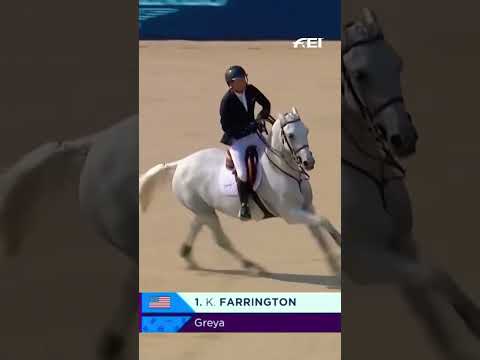
  • When your mare understands the assignment
    Kent Farrington's Greya is such a superstar! Subscribe to our YouTube channel & hit the bell!
    0 Reacties 0 aandelen 176 Views
  • WWW.JUSTHORSERIDERS.CO.UK
    Comprehensive Guide to Managing Hoof Injuries in Senior Horses: Tips, Techniques, and Care Strategies
    Section Key Points Understanding Common Hoof Issues in Senior Horses Laminitis: Inflammation of laminae, strict treatment plan required, cushioned environment. Bruised Soles: Caused by hard objects or poor trimming, restricted movement, and soft surfaces for recovery. Thrush: Bacterial infection in moist environments, maintain cleanliness, and use antibiotics if needed. Sand/Grass Cracks: Caused by poor conformation or farriery, regular farrier visits and dietary supplements beneficial. Environmental Considerations Clean and Dry Living Area: Prevent mud and excess manure, ensure proper drainage. Proper Foot Care: Daily cleaning and regular farrier visits. Dietary Management Balanced Nutrition: Work with a vet or nutritionist, consider biotin supplements for weak hooves. Hydration and Digestive Health: Ensure access to clean water, use digestive support supplements in colder weather. Farrier Visits and Shoeing Minimizing Discomfort: Use NSAIDs before shoeing if appropriate. Frequent Rest Periods: Allow breaks during the shoeing process. Adjusting Techniques: Inform farrier of specific needs, adjust hoof stand angle and height. Additional Care and Management Regular Exercise: Maintain overall health and mobility. Monitoring Weather Changes: Provide longer warm-ups, access to dry areas, anti-inflammatory supplements in cold weather. Hot Tubbing and Poulticing: Used for certain hoof injuries as recommended by a vet. Conclusion Tailor care to the specific needs of your senior horse, working with vets and farriers to ensure comfort and health. How to Handle a Senior Horse's Hoof Injury: Tips and Techniques for Horse Owners Caring for a senior horse presents a unique set of challenges, particularly when it comes to managing hoof health. Hoof injuries in senior horses can be more complicated due to age-related issues such as reduced mobility, arthritis, and metabolic changes. Here are some valuable tips and techniques to help you handle a senior horse's hoof injury effectively. Understanding Common Hoof Issues in Senior Horses Laminitis Laminitis is a painful condition that can be particularly problematic for senior horses. It involves inflammation of the laminae, the tissues that connect the hoof to the bone. To manage laminitis, it is crucial to remove your horse from grass and place them on a deep bed of shavings or another soft material to cushion their feet. Follow a strict treatment plan provided by your veterinarian, which may include a high-fiber diet and regular farrier attention. Bruised Soles Bruised soles can occur due to standing on hard objects or concussion from hard ground, and they can be exacerbated by poor trimming or shoeing. Symptoms include acute lameness, red or bruised areas on the sole, and pain upon pressure. Treating bruised soles involves restricting movement and keeping your horse on a soft surface until they recover. A deep bed in a stable, sand school, or woodchip area is ideal. If your horse is in severe pain, consult your veterinarian for potential anti-inflammatory medication. Thrush Thrush is a bacterial infection that thrives in moist environments. It can be prevented by maintaining good foot hygiene, ensuring your horse's living area is clean and dry, and picking out their feet daily. Treatment involves removing the horse from a wet environment, cleaning the feet daily, and possibly applying an antibiotic solution or spray under the guidance of a veterinarian or farrier. Sand/Grass Cracks These cracks can be caused by poor foot conformation, irregular farrier attention, or injuries. Regular and correct farriery is essential to prevent these cracks. A farrier can treat the crack by marking a groove in the hoof wall above or below the crack or by using clips. Dietary supplements like biotin can also promote good hoof condition and growth. Environmental Considerations Clean and Dry Living Area Ensure your horse has access to a clean, dry area free from mud and excess manure. If your horse is stalled, provide a well-bedded stall. For horses on full turnout, improve drainage around shelter areas to prevent them from standing in wet conditions. This helps in promoting hoof health and preventing issues like thrush and hoof cracks. For high-quality stable rugs, visit our collection. Proper Foot Care Daily hoof care is essential. Picking out and cleaning your horse's feet daily can help spot signs of injury or disease early. Regular farrier visits are also crucial to keep the hooves balanced and healthy. Dietary Management Balanced Nutrition Work with a veterinarian or equine nutritionist to ensure your horses daily ration provides all the necessary nutrients. For horses with brittle or weak hooves, additional biotin supplements can be beneficial. A startup dose of 100 milligrams of biotin per day can be reduced to 50 milligrams once hoof wall quality improves. Explore our range of horse supplements to support hoof health. Hydration and Digestive Health Ensure your senior horse has access to clean water at all times. In colder weather, it is crucial to monitor their hydration levels and consider adding digestive support supplements like pre/probiotics to help manage stress. Farrier Visits and Shoeing Minimizing Discomfort Consider administering an NSAID (such as Bute or Banamine) before trimming or shoeing to reduce pain and stiffness. Consult with your veterinarian to ensure this is safe and appropriate for your horses health conditions. Frequent Rest Periods Break up the shoeing process with frequent rest periods. Allow your horse to walk around or return to their stall for a few minutes between each hoof being trimmed or shod. Using a hoof stand or other props can also help reduce discomfort and make the process easier for both the horse and the farrier. Adjusting Techniques Inform your farrier about your senior horses specific needs and discomforts. They can adjust their technique to make the experience more comfortable, such as adjusting the angle and height of the hoof stand and taking regular breaks. For comfortable and supportive riding boots, check out our collection. Additional Care and Management Regular Exercise Regular exercise, even if it's just walking or working over poles, can help maintain your senior horse's overall health and mobility. This can also help in reducing the risk of laminitis and other hoof-related issues. Monitoring Weather Changes Colder weather can increase joint pain and stiffness in senior horses. Provide longer warm-ups and cool-downs during riding, ensure access to dry living areas, and consider adding anti-inflammatory supplements during colder months. Check out our turnout rugs collection for added protection. Hot Tubbing and Poulticing For certain hoof injuries, hot tubbing or poulticing may be recommended by your veterinarian. Hot tubbing involves soaking the horse's foot in warm water, which can help clean the hoof and soften the area to encourage an abscess to drain. Always follow your veterinarian's advice on how to safely carry out these treatments. Conclusion Managing a senior horse's hoof injury requires careful attention to their environment, diet, and regular care routines. By ensuring a clean and dry living area, providing a balanced diet, and working closely with your farrier and veterinarian, you can significantly improve your horse's comfort and reduce the risk of further injuries. Remember, every senior horse is different, so it's important to tailor your care approach to their specific needs and health conditions. With the right care and management, you can help your senior horse live a more comfortable and healthy life. Check out our collections on Jodhpur, Gloves, and Accessories to enhance your horse riding experience.```html```
    0 Reacties 0 aandelen 378 Views
  • LONDON INTERNATIONAL HORSE SHOW ANNOUNCES LEMIEUX MASTERCLASS FEATURING IRISH SHOW JUMPING LEGEND JOHN LEDINGHAM AND RISING STAR TABITHA KYLE
    The organisers of London International Horse Show are excited to announce the latest addition to its LeMieux Masterclass Series, “Mastering Show Jumping – Achieving Harmony, Communication, and Balance in Every Round”, taking place on Sunday 22 December in the New Horizon Plastics London Arena. The highly anticipated Masterclass will feature 16-year-old Show Jumping prodigy...
    0 Reacties 1 aandelen 4K Views
  • LONDON INTERNATIONAL HORSE SHOW ANNOUNCES LEMIEUX MASTERCLASS FEATURING IRISH SHOW JUMPING LEGEND JOHN LEDINGHAM AND RISING STAR TABITHA KYLE
    The organisers of London International Horse Show are excited to announce the latest addition to its LeMieux Masterclass Series, “Mastering Show Jumping – Achieving Harmony, Communication, and Balance in Every Round”, taking place on Sunday 22 December in the New Horizon Plastics London Arena. The highly anticipated Masterclass will feature 16-year-old Show Jumping prodigy...
    0 Reacties 0 aandelen 992 Views
  • FEI appoints new Director of Eventing
    The FEI is pleased to announce the appointment of Frédérique Reffet Plantier as Director of Eventing. The 39-year-old Reffet Plantier will commence her new duties on 1 January 2025. Reffet Plantier, who holds dual Swiss and French nationality, will assume leadership of the FEI Eventing Department, formerly known as the FEI Eventing and Olympic Department. This transition follows...
    0 Reacties 0 aandelen 3K Views