• WWW.JUSTHORSERIDERS.CO.UK
    Navicular Bone Disease in Horses: Understanding, Managing, and Treating This Equine Condition
    Key PointDescriptionNavicular Bone DiseaseA common yet complex condition affecting the equine hoof, especially in the front legs, leading to chronic forelimb lameness.Signs and SymptomsIntermittent LamenessGait Changes: Shortened stride, toe-first landingHeel Pain: Sensitivity in the heel regionCauses and Risk FactorsPoor Conformation: Long toes, low heelsExcessive Mechanical Stress: Repetitive stress on the navicular boneVascular Compromise: Alterations in blood flowDiagnosisClinical Examination: Assess gait, perform flexion testsNerve Blocks: Palmar digital nerve blocksImaging: Radiographs and MRI scansTreatment OptionsCorrective Shoeing and Trimming: Specialized shoes to reduce stressMedical Management: Anti-inflammatory medications, bisphosphonatesControlled Exercise: Rest followed by controlled exerciseSurgical Interventions: NeurectomyPrevention and ManagementRegular hoof care, proper nutrition, avoiding excessive stress, and early intervention at the first signs of lameness.ConclusionUnderstanding the signs, causes, and treatment options is essential for managing navicular bone disease effectively.Understanding Navicular Bone Disease in HorsesNavicular bone disease, also known as navicular syndrome, is a common yet complex condition affecting the equine hoof, particularly in the front legs. This blog aims to provide a comprehensive overview of navicular bone disease, including its signs, causes, diagnosis, and treatment options. Understanding this condition is crucial for horse owners, veterinarians, and equine enthusiasts to ensure the well-being and performance of their horses.What is Navicular Bone Disease?Navicular bone disease is a degenerative condition that affects the navicular bone and its surrounding structures within the hoof. This small bone, located behind the pedal bone and beneath the deep digital flexor tendon, plays a vital role in the horse's movement by distributing mechanical forces evenly across the hoof. The disease is characterized by chronic forelimb lameness, often leading to significant pain and reduced performance.Signs and SymptomsHorses with navicular bone disease typically exhibit the following signs:Intermittent Lameness: Lameness often appears in both front legs, though one leg may be more affected than the other. The lameness may worsen with hard work and improve with rest.Gait Changes: Affected horses may show a shortened stride, toe-first landing, and reluctance to turn sharply or move on hard surfaces.Heel Pain: Sensitivity and pain in the heel region, often detected using hoof testers.Causes and Risk FactorsThe exact cause of navicular bone disease is multifactorial, involving both genetic and environmental factors. Key contributing factors include:Poor Conformation: Horses with long toes, low heels, or small feet relative to their body size are more susceptible.Excessive Mechanical Stress: Repetitive stress on the navicular bone, often seen in performance horses, can lead to degeneration of the bone and surrounding tissues.Vascular Compromise: Alterations in blood flow to the navicular bone may result in ischemic necrosis and pain.DiagnosisDiagnosing navicular bone disease involves a combination of clinical examination and advanced imaging techniques:Clinical Examination: Veterinarians assess the horse's gait, perform flexion tests, and use hoof testers to localize pain.Nerve Blocks: Palmar digital nerve blocks can help pinpoint the source of lameness by temporarily alleviating pain in the affected area.Imaging: Radiographs and MRI scans are essential for visualizing changes in the navicular bone and surrounding soft tissues. MRI, in particular, provides detailed images that aid in accurate diagnosis and treatment planning.Treatment OptionsWhile navicular bone disease is not curable, various treatment options can manage the condition and improve the horse's quality of life:Corrective Shoeing and Trimming: Proper hoof care is crucial to reduce stress on the navicular region. Farriers may use specialized shoes to support the hoof and alleviate pain.Medical Management: Anti-inflammatory medications, bisphosphonates, and joint supplements can help manage pain and slow disease progression.Controlled Exercise: A regimen of rest followed by controlled exercise can aid in recovery and maintain hoof health.Surgical Interventions: In severe cases, surgical options such as neurectomy (cutting the nerves to the affected area) may be considered to provide pain relief.Prevention and ManagementPreventing navicular bone disease involves regular hoof care, proper nutrition, and avoiding excessive stress on the hooves. Regular veterinary check-ups and early intervention at the first signs of lameness can also help manage the condition effectively.ConclusionNavicular bone disease is a significant concern for horse owners and veterinarians due to its impact on equine performance and well-being. Understanding the signs, causes, and treatment options is essential for managing this condition effectively. With early diagnosis and appropriate care, horses with navicular bone disease can lead comfortable and productive lives.For more detailed information and expert guidance, consider consulting resources from reputable veterinary institutions and equine health specialists.Ensure your horse gets the best care possible with our range of Jodhpur Collection, Horse Riding Boot Collection, and Horse Riding Gloves Collection. Don't forget to check out our Everyday Horse Vitamins & Supplements to support your horse's health.How long can a horse live with navicular?Horses can live many years with navicular disease, especially with proper management and treatment. Quality of life can be maintained through appropriate care, allowing the horse to remain comfortable and active.How do you treat navicular disease in horses?Treatment includes corrective shoeing and trimming, medical management with anti-inflammatory medications, controlled exercise, and in severe cases, surgical interventions like neurectomy. Regular veterinary check-ups are also crucial.Can you ride a horse with navicular disease?Yes, you can ride a horse with navicular disease, but it depends on the severity of the condition and the horse's response to treatment. Consult with a veterinarian to develop a suitable exercise plan that minimizes pain and discomfort.Does navicular in horses get worse?Navicular disease can progress over time if not properly managed. However, with early diagnosis and appropriate treatment, the progression can be slowed, and the horse's quality of life can be significantly improved.
    0 Комментарии 0 Поделились 259 Просмотры
  • FEI announces provisional suspension of Dressage athlete Charlotte Dujardin (GBR)
    The FEI has officially announced the provisional suspension of British Dressage athlete Charlotte Dujardin (FEI ID: 10028440) effective immediately from the date of notification, 23 July 2024. This decision renders her ineligible to participate in the upcoming Paris 2024 Olympic Games or any other events under the jurisdiction of the FEI. During this period of suspension, she is prohibited...
    Sad
    Wow
    3
    0 Комментарии 0 Поделились 3Кб Просмотры
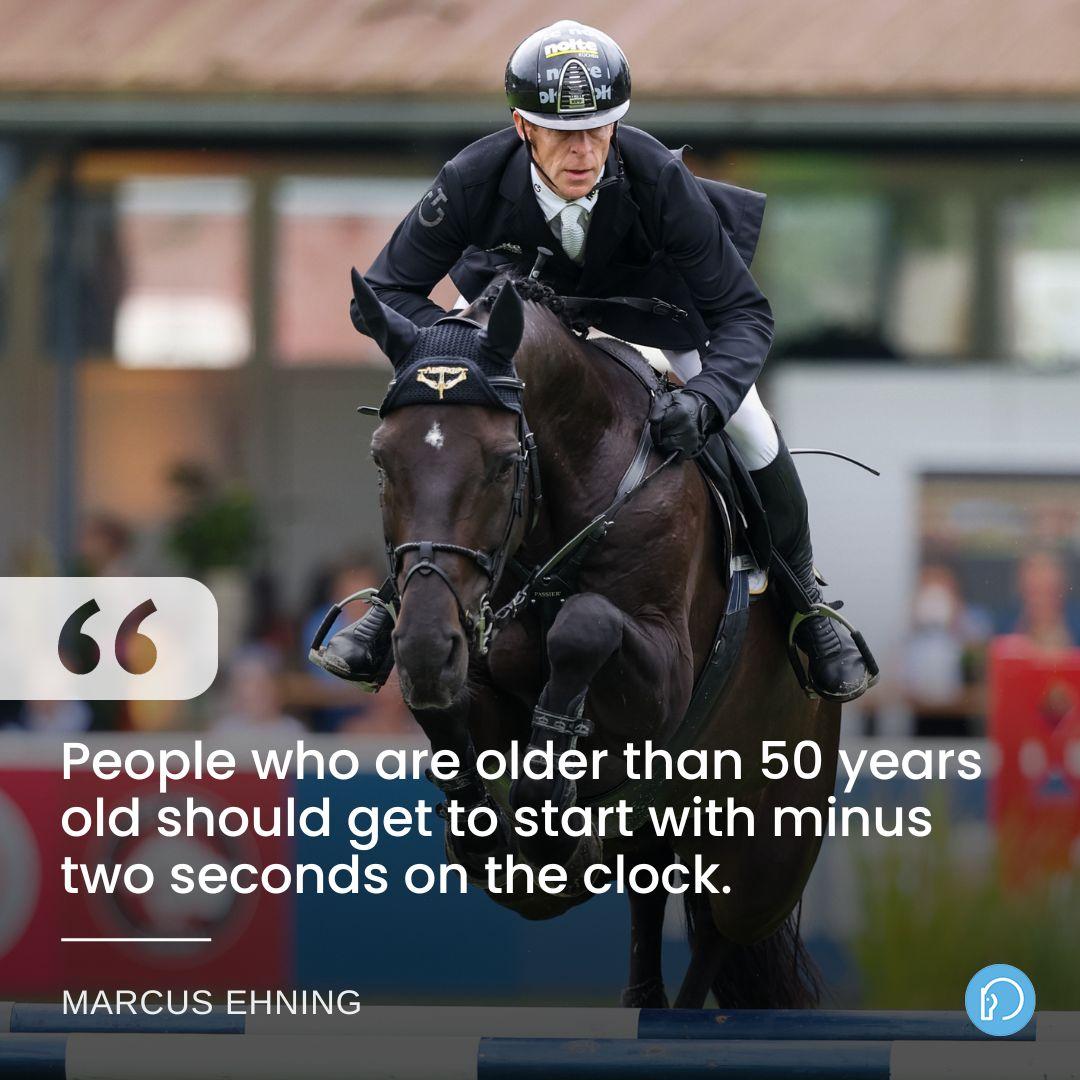
  • Marcus Ehning jokes...

    "Look he is an amazing rider… I just told Thibeau [Spits] that us people who are older than fifty years old should get to start with minus two seconds on the clock, as these young guns need a handicap."
    Marcus Ehning jokes... 😂 "Look he is an amazing rider… I just told Thibeau [Spits] that us people who are older than fifty years old should get to start with minus two seconds on the clock, as these young guns need a handicap."
    Like
    Haha
    3
    0 Комментарии 0 Поделились 255 Просмотры
  • Sensible Recovery Strategies for Equine Athletes
    The steps you take to care for your horse both immediately after a competition and once youre back home are important to his athletic longevity.The post Sensible Recovery Strategies for Equine Athletes appeared first on The Horse.
    0 Комментарии 0 Поделились 126 Просмотры
  • Kenny and VDL Cartello called in after Allen and Pacino Amiro sadly ruled out of Paris Olympics
    Michael Blake has chosen Darragh Kenny (Co. Offaly), with VDL Cartello, to replace Bertram Allen and Pacino Amiro (ISH) as Team Irelands new show jumping P Alternate combination at the Paris Olympics. Allen and Pacino Amiro (ISH) were yesterday unfortunately ruled out of the upcoming Games after the Ballywater Stud-owned Irish Sport Horse suffered a setback in his preparations. He has a small injury which, while not serious, is enough to mean he would not be ready to compete in Paris should he have been required. It is very unfortunate for Allen, the horse, and his owners, particularly given the timing of the injury and its proximity to the Games, with the show jumping team qualifier taking place at the Chteau de Versailles on August 1st. Team Ireland Show Jumping Chef dEquipe Michael Blake said: Its obviously so disappointing for Bertram, Pacino Amiros owners Ballywalter Stud and everyone who looks []
    0 Комментарии 0 Поделились 205 Просмотры
  • THEHORSE.COM
    Gastric Ulcers? Consider Antioxidant Support for Your Horse
    Researchers found horses with EGUS are under greater oxidative stress and concluded they might benefit from additional antioxidant therapy.The post Gastric Ulcers? Consider Antioxidant Support for Your Horse appeared first on The Horse.
    0 Комментарии 0 Поделились 145 Просмотры
  • LIVE | Children Individual - FEI Dressage European Championships Children
    Subscribe to our YouTube channel & hit the bell! http://go.fei.org/YouTube?d Exclusive videos on #FEItv: ...
    0 Комментарии 0 Поделились 146 Просмотры
  • THEHORSE.COM
    Managing Horses With Neck Arthritis
    Drs. Howland Mansfield and Steve Adair explain how owners can keep horses with neck arthritis comfortable in light work.The post Managing Horses With Neck Arthritis appeared first on The Horse.
    0 Комментарии 0 Поделились 133 Просмотры
  • WWW.YOURHORSE.CO.UK
    Which colour high vis is best? Poll reveals most popular among #Hack1000Miles riders
    For most riders, high vis is an essential piece of kit for hacking, but with so many options on the market it can sometimes be tricky to know which is best. We asked #Hack1000Miles challengers which colour they opted for and why, and we received a great response.Hundreds of riders responded to the Your Horse poll and yellow came out as the most popular colour high vis, with 29% of riders choosing this option. It was preferred in winter rather than summer, which could be due to the prevalence of bright yellow rape seed fields during the warmer months making it less striking.Orange high vis closely followed at 27% and then pink at 23%. A less popular choice was red high vis, with just 1% of riders favouring this colour. However,Equisafety recently shared the benefits of wearing red to make you and your horse more visible on the roads, so it could become more popular over time as the market offers more items in this colour.Several riders said they opted for mixing colours (15%) or changing the colour depending on the season (1%).I deliberately wear multiple colours as I know the visibility is variable depending on the background/light, said one respondent. I tend to favor my orange tabard just because its the coolest, often have a yellow exercise sheet, pink ears, and my hat is multiple colours.Another added: I wear a mix of pink and yellow as I know yellow doesnt show up well in the dappled sunlight under trees.Many take the view of the more high vis the better, and they had seen motorists passing with more care thanks to their appearance.Me and my boy are covered in pink and orange: boots, sheet, neck strap, ears, noseband cover, hat band and waistcoat., one rider said. I find yellow clashes with the amount of hedges and green space where I ride. I always get cars stop and say they can see me from miles and how impressed they are by my high vis.Lead image: Copyright Your Horse Library/Charlie Gooders PhotographyFurther readingCould not wearing high vis leave you liable in a road accident?Update your horses wardrobe with our pick of the best high vis gearReport all road incidents to the BHS to make a real difference to horse and rider safety, says Alan HiscoxThe post Which colour high vis is best? Poll reveals most popular among #Hack1000Miles riders appeared first on Your Horse.
    0 Комментарии 0 Поделились 129 Просмотры
  • EVENTINGNATION.COM
    Breaking Down the Olympic Show Jumping for Eventing
    This week, well be bringing you a breakdown of each phase and its Olympic nuance with the help of several experts who were gracious enough to lend us some of their time and knowledge. So far, weve published a breakdown of the unique Olympic dressage test as well as the cross country phase. Now, lets wrap this series up with some thoughts on the show jumping.Traditionally speaking, show jumping culminates the three days of eventing as a final test of endurance and accuracy for both horse and rider. Coming into show jumping, horses and their riders will be feeling the exertion of the past two days, particularly at an intense event like the Olympics.The show jumping is particularly influential at the Olympics for one big reason. Lets dive in.What makes show jumping at the Olympics unique?Julia Krajewski and Amande de BNeville. Photo by Shannon Brinkman Photography.Unlike all other competitions for eventing, the Olympics requires two show jumping rounds to determine medals. The International Olympic Committee does not hand out multiple medals off the results from one event. You can see this mirrored in other events such as gymnastics and swimming. So, the eventing show jumping works as follows:Round 1: All remaining team riders and individuals, including any substitutes, will jump in this round. In the first round, fences can be set up to 4* max height, which is 1.25m. This round will see anywhere from 11-13 numbered fences, with a maximum of 16 jumping efforts.Round 2: The top 25 individual riders, regardless of nation/team, will move forward to the final individual round. Substitute riders cannot go forward to this round. This round can see fences up to 5* height, which is 1.30m. The number of fences decreases for a maximum of 9 fences and 12 jumping efforts.The second round will come after a short break for rearranging the course, meaning there isnt a ton of time in between for recovery.Factors to considerLaura Collett and London 52. Photo by Shannon Brinkman Photography.I sat down with Michel Vaillancourt, whos an Olympic individual medalist in show jumping and a Show Jumping Hall of Fame member, as well as a course designer for major events like Spruce Meadows and the Pan American Games, for some intel on things to consider when looking at show jumping through the eyes of a designer.Adding the two rounds changes the outcome of the competition for the individual riders a lot, he remarked. The second round is a little shorter, which is kind of a blessing, but a lot of the factor for me will come to the fitness level.As the schedule currently stands, there will be about an hour and a half or two hours in between the conclusion of the team round and the start of the individual final. This can be advantageous for some, and challenging for others.It really depends on the horse youre on, Michel said. The break gives the horses a chance to rest, but it also gives them a chance to get a little tighter or to mentally switch off. None of these horses will be anticipating jumping again thats not how it works in eventing as a standard. As a rider, I would prefer to come back an hour later, especially looking at everything you would have done to that point. At the same time, you dont want to break that zone.Boyd Martin and Tsetserleg TSF. Photo by Shannon Brinkman Photography.The designer for Paris will be Spains Santiago Varela, assisted by co-designer Gregory Bodo of France. Santiago is a lifetime student of the sport, earning the title of Local Course Designer at just 15 years of age in Madrid. Hes since gone on to design at World Championships, World Cupand Nations Cup competitions, as well as the last Olympics in Tokyo. There, his jumps received much recognition for their beauty and attention to detail. Hes been teamed up with Gregory since the 2014 World Equestrian Games in Normandy, France.While we certainly see an increasing number of courses designed by designers who spend most of their time in the show jumping space, there is a level of nuance involved with the two different sports.Its very different to design an eventing show jumping, Michel noted. The horses are a little more fatigued on this last day. There has been a lot of rideability that was lost during the cross country phase, so when you come into the show jumping youre not as sharp as you would be if show jumping was first.One thing the designers may do is go with slightly deeper cups or slightly heavier rails [that what you would see in pure show jumping]. I remember very well when we did Kentucky for instance, we weighed all the rails and kept the lighter ones for the show jumpers and the heavier ones for the eventers. But at an event like the Aiken Showcase, I use lighter rails and shallower cups. At the Games, you might just want to give them a bit of a chance or not! It is the Olympics.Speaking to what hes observed of Santiagos design style, Michel says he looks forward to seeing what he lays out for our eventers. I would say hes a very classic course designer, he said. If youve done your homework and are totally prepared, Id say you can do really well. Some course designers might suit certain types of horses and riders and not so much others. I dont think thats really going to be the case with Santiago, I think he will give us a real quality of work.What can we take away from watching?Tom McEwen and Toledo de Kerser. Photo by Shannon Brinkman Photography.Michel will be the first to tell you regardless of what level you compete at that practice in the jumping ring is invaluable. Many eventers now dedicate portions of their competition calendar to some extra time doing jumpers. This will pay off in Paris, he says.I do praise the guys that do it, he said. Show jumping is becoming more and more important in this discipline, and there was a time when the riders werent spending enough time on it. Its different at an event. You have no opportunity to come back in, fix an issue, solve a problem. You go back home and then youre getting ready for your next dressage test or conditioning. I would suggest to at least twice or three times a year to give yourself a block of three weeks where you do show jumping and nothing else. And then you go back to your routine. But really take advantage of the jumping show, and that includes everybody. You can be a Beginner Novice rider and go in the ring and jump four rounds and then come back and do it the next week. In two weeks, youve jumped the equivalent of eight events. It can only help you.And that practice will pay off for many this weekend. In Tokyo, just four pairs came away with two clear show jumping rounds. One pair, Nicolas Touzaint and Absolute Gold HDC, jumped clear in the second round but had one second of time. Seven of the top 25 jumped clear in the first round but had rails down in the second round. 80% of the individual field had at least one rail down. This goes to show just how influential the final phase stands to be (as it should be!), and it will make for some fascinating, nail-biting action.It comes down to slight little mistakes and errors, Michel said. But the top riders will make every technicality look very simple. Many of our eventers now are good enough that they could blend in as show jumpers. There was a time when jumps got demolished in this phase. Not so much anymore. The cream will rise to the top, it always does. There are no lucky winners in the Olympics.With that, our breakdown series concludes and we hope you are feeling prepped and ready for the action to begin in just a couple of days! Well see you very soon. For more from EN on the Olympics, click the banner below.
    0 Комментарии 0 Поделились 265 Просмотры