0 Comentários
0 Compartilhamentos
169 Visualizações
Diretório
Conheça novas pessoas, crie conexões e faça novos amigos
-
Faça Login para curtir, compartilhar e comentar!
-
EVENTINGNATION.COMTuesday News & Notes from Kentucky Performance ProductsView this post on InstagramA post shared by U.S. Eventing Association (@useventing) Now is the time to get a little sappy over some where it all started photos! US Eventing posted the above photos for Throwback Thursday last week, and I bet you can guess each of the US team members on their tiny ponies. As they trot down the center line in Paris this weekend, theyll become (clockwise) a two-time Olympian, first-time Olympian, and four-time Olympian. And dont miss these adorable pony-days photos of Laura Collett who, aboard London 52, will be headed back for their second consecutive Olympic Games and looking to defend their team gold medal. Events Opening Today:Flora Lea Fall H.T., USEA MDHT YEH/NEH Qualifier, Five Points H.T., CDCTA Fall H.T., Events Closing Today:GMHA Festival of Eventing August H.T., Fair Hill International Recognized H.T., WindRidge Farm Summer H.T., Masterson Equestrian Trust YEH/NEH Qualifier, Otter Creek Summer H.T., Woodside Summer H.T.Tuesday News & Notes from Around the World:In general Olympic news: LeBron James has been selected as one of the flag bearers for the US in the opening ceremony. A female flag bearer will be announced sometime today. Also, Snoop Dogg got his official Team USA headshots taken. Were still awaiting word on whether hell get to meet the Rave Horse. Beloved New England event rider and coach Anna Welch is in the ICU. Anna suffered severe injuries last week when a clients horse landed on top of her and has since undergone surgery. Though her surgeons are happy with out the procedures went, its unclear how long Annas recovery will be and as a rider and coach how much income she will lose. Heres how you can help her out. Just a few years ago the USEF eventing program was completely restructured. As part of that restructuring, Bobby Costello was pinged to apply for the chef dequipe/technical advisor position. Bobby had once thought hed never, ever want to do that job and yet here he is, leading a very strong US team to Paris this weekend. Get to know Bobby, his background, and his current duties as chef in this excellent COTH article. Take your pick of Paris podcasts theres plenty of time to listen before the Games begin! The most recent Heels Down Happy Hour covers tips for learning from the watching the livestream, what its like to actually be an Olympic team, and more. And then theres the EquiRatings podcast, theyve got two Paris Preview Shows out right now: one for the teams and one for the individuals.Dream job alert! Into academics and the equestrian industry? Mount Holyoke College in South Hadley, Massachusetts is hiring a new Director of Equestrian center, after their previous director of 20 years is stepping down. More details here.Sponsor Corner: What is the best way to store your supplements in this heat and humidity? Will they lose their effectiveness? Powders and pellets tend to be more stable and can withstand environmental extremes better than pastes and liquids. Heres how to store all of your supplements to maintain their efficacy. View this post on InstagramA post shared by KPPusa (@kentuckyperformanceproducts) Watch This: How to embarrass an event rider 101. View this post on InstagramA post shared by Rebecca Farm (@rebeccafarm)0 Comentários 0 Compartilhamentos 174 Visualizações
-
WWW.YOURHORSE.CO.UKIts vital we build our evidence-base: New study to investigate colitis in horsesA new research project aims to shed more light on colitis in horses. The team of researchers, led by Tim Mair, CVS Equine Veterinary Director and Specialist at Bell Equine Veterinary Clinic, aim to investigate and document the features, treatments and outcomes of the condition, providing greater insight into horse care for UK equines.There is very little published data on the underlying causes and outcomes of colitis in adult horses in the UK, and most studies originate from North America. It is recognised that the causes of colitis vary in different geographical locations, and some of the diseases causing colitis in North America are not present in the UK.Colitis inflammation of the large colon is a serious and life-threatening disease in horses. Affected animals present with diarrhoea and can rapidly become dehydrated and toxic, resulting in severe shock, multi-organ failure and death. Reports from North America suggest that about 50% of affected horses will die of the disease, despite attempted treatments.There are many potential causes, including a variety of different bacterial and viral infections, parasites and toxicities. Unfortunately, the clinical signs of colitis are often similar regardless of the cause.Diagnosis of the cause depends on lab testing, but in many cases, no precise cause will be established. This limits the ability to provide specific treatment. In addition, the cost of testing prevents many owners from undertaking the full range of diagnostic tests.The new study will review 100 cases of colitis in adult horses and 100 controls referred to seven equine veterinary hospitals in the UK; five CVS equine veterinary hospitals as well as Rossdales Equine Hospital and University of Liverpools equine hospital.A set of diagnostic tests on blood and droppings will be performed in these horses and the clinical features, laboratory results, treatments and outcomes will be recorded.Acute colitis accounts for around 5% of admissions to referral hospitals, said Tim Mair. And of those who are referred with it, half will not survive but there is very limited evidence available. So its vital that we build our evidence-base of this life-threatening condition. We hope that the outcomes of our new study will lead to a greater understanding of the causes and better inform veterinary treatment of colitis in UK adult horses.The Colitis in Adult Horses study is supported by a research grant from CVS, and funding for the small redworm ELISA will be given from Austin Davis Biologics. The study started at the beginning of this year and the first horses have been taken on board. The results of the study are expected to be published in 2025.Further readingHorse health insurance and vet fees cover: essential guide5 things your horses vet really wishes you wouldnt doCommon causes of diarrhoea in horses and how to prevent itThe post Its vital we build our evidence-base: New study to investigate colitis in horses appeared first on Your Horse.0 Comentários 0 Compartilhamentos 131 Visualizações
-
Clash of the champions in Hickstead's Eventers’ ChallengeFred Scala won the 2023 Ashby Underwriting Eventers’ Challenge (c) Boots and Hooves Photography It will be the clash of the two most recent champions – Ireland’s Fred Scala versus Britain’s Gemma Stevens – in this year’s Ashby Underwriting Eventers’ Challenge, the feature class on Thursday of the Agria Royal International Horse Show (24-28 July)....0 Comentários 0 Compartilhamentos 3K Visualizações2
-
0 Comentários 0 Compartilhamentos 250 Visualizações1
-
0 Comentários 0 Compartilhamentos 218 Visualizações1
-
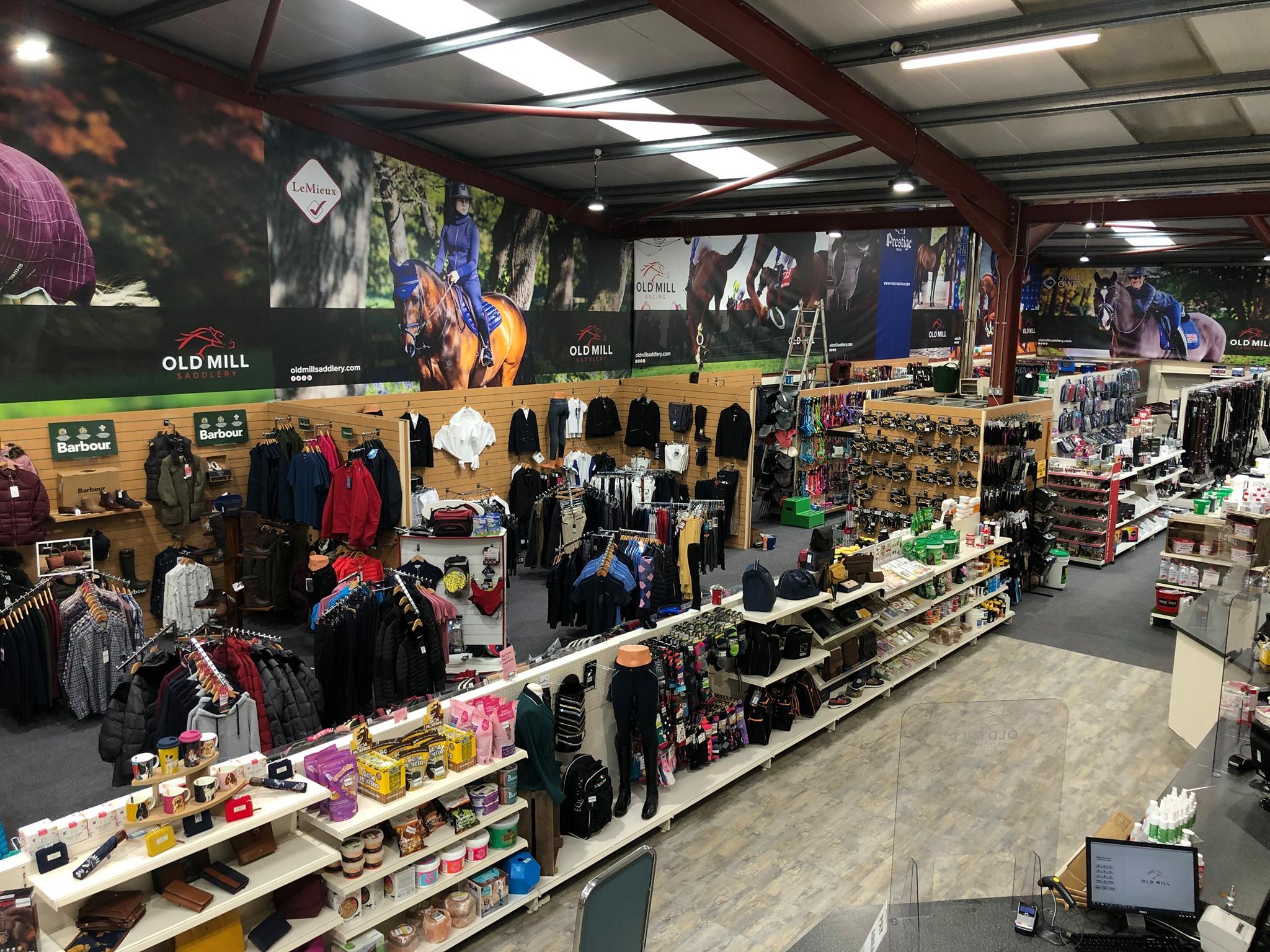
WWW.OLDMILLSADDLERY.COMSummer Ruggin’Our bite sized guide to our best selling Summer rugs.0 Comentários 0 Compartilhamentos 153 Visualizações1
-
We LOVE seeing our customers in action! We received this video along with a review of the Acavallo Arena Aluplus Aluminium Stirrups
⭐️⭐️⭐️⭐️⭐️
"Absolutely love these Stirrups - I've had a few pairs of safety ones and these are the most comfortable and don't pop open unless needed!"We LOVE seeing our customers in action! We received this video along with a review of the Acavallo Arena Aluplus Aluminium Stirrups 👇 ⭐️⭐️⭐️⭐️⭐️ "Absolutely love these Stirrups - I've had a few pairs of safety ones and these are the most comfortable and don't pop open unless needed!"0 Comentários 0 Compartilhamentos 244 Visualizações 31
-
WWW.JUSTHORSERIDERS.CO.UKFetlock Injuries in Horses: Understanding and Preventing Common Joint IssuesSectionKey PointsUnderstanding the Fetlock JointThe fetlock joint acts as a shock absorber and allows for fluid movement. It consists of the cannon bone, proximal sesamoid bones, and the long pastern bone, along with various ligaments and tendons.Prevalence and Types of Fetlock InjuriesCommon in racing horses.Includes fractures of the proximal sesamoid bones, suspensory ligament damage, villonodular synovitis, osteoarthritis, and chip fractures.Diagnosis of Fetlock InjuriesDiagnostic tools include physical examination, X-rays, ultrasound, MRI, and arthroscopy.Treatment OptionsConservative Management: Rest, cold therapy, and anti-inflammatory medications.Intra-articular Injections: Corticosteroids or hyaluronic acid.Regenerative Therapies: Platelet-rich plasma (PRP) or stem cell treatments.Surgical Intervention: Fetlock arthrodesis for severe cases.Fetlock ArthrodesisFetlock arthrodesis, or joint fusion, has a high success rate and allows horses to bear weight almost immediately after surgery. It can save lives but ends racing careers, often transitioning horses to breeding careers.Prevention StrategiesProper Training: Gradual increase in exercise intensity and duration.Regular Veterinary Check-ups: Early detection of potential issues.Appropriate Shoeing: Ensuring proper hoof balance and support.Surface Consideration: Training and competing on suitable surfaces.Nutritional Support: Providing a balanced diet with appropriate supplements for joint health.ConclusionAdvancements in diagnostic techniques and treatment options offer hope for improved outcomes. Understanding fetlock injuries and implementing preventive strategies can reduce their incidence and severity.Fetlock injuries are a significant concern in equine health, particularly for athletic and racing horses. These injuries can range from mild strains to severe fractures, potentially ending a horse's career or even leading to euthanasia in severe cases. This blog will explore the nature of fetlock injuries, their prevalence, diagnosis, treatment options, and prevention strategies.Understanding the Fetlock JointThe fetlock, also known as the metacarpophalangeal joint in the front legs and metatarsophalangeal joint in the hind legs, is a complex structure that acts as a shock absorber and allows for fluid movement. It consists of the cannon bone, proximal sesamoid bones, and the long pastern bone, along with various ligaments and tendons.Prevalence and Types of Fetlock InjuriesFetlock injuries are alarmingly common, especially in racing horses. A 2013 study reported at the American Association of Equine Practitioners found that fetlock injuries accounted for more than half of the catastrophic injuries to California racehorses. Similarly, a review of postmortem examinations by the New York State Gaming Commission and Cornell University revealed that nearly 45% of horses that died while racing experienced fatal musculoskeletal injuries of the fetlock joint.Common Fetlock InjuriesCommon fetlock injuries include:Fractures of the proximal sesamoid bonesSuspensory ligament damageVillonodular synovitisOsteoarthritisChip fracturesDiagnosis of Fetlock InjuriesAccurate diagnosis is crucial for effective treatment. Veterinarians employ various diagnostic tools, including:Physical examinationX-raysUltrasoundMRI (Magnetic Resonance Imaging)ArthroscopyThese methods help determine the exact nature and severity of the injury, guiding the treatment approach.Treatment OptionsTreatment for fetlock injuries varies depending on the type and severity of the injury. Options may include:Conservative ManagementRest, cold therapy, and anti-inflammatory medications for mild strains.Intra-articular InjectionsCorticosteroids or hyaluronic acid to reduce inflammation and provide pain relief.Regenerative TherapiesPlatelet-rich plasma (PRP) or stem cell treatments to promote healing.Surgical InterventionFor more severe cases, such as fractures or severe ligament damage. One notable surgical option is fetlock arthrodesis.Fetlock Arthrodesis: A Promising SolutionFetlock arthrodesis, or joint fusion, has shown remarkable success in treating severe fetlock injuries. Dr. Larry Bramlage, a renowned equine surgeon, reports a success rate of nearly 70% for primary treatment, with rates as high as 80% for certain types of injuries like degenerative arthritis.This procedure involves fusing the fetlock joint, which eliminates pain and allows the horse to bear weight on the limb almost immediately after surgery. While it ends a horse's racing career, it can save lives and allow horses to live comfortably, often transitioning to breeding careers.Prevention StrategiesPreventing fetlock injuries is crucial for maintaining equine health and performance. Some preventive measures include:Proper TrainingGradual increase in exercise intensity and duration to build strength and endurance.Regular Veterinary Check-upsEarly detection of potential issues through routine examinations.Appropriate ShoeingEnsuring proper hoof balance and support.Surface ConsiderationTraining and competing on suitable surfaces to reduce stress on the joints.Nutritional SupportProviding a balanced diet with appropriate supplements for joint health.ConclusionFetlock injuries remain a significant challenge in equine health, particularly in the racing industry. However, advancements in diagnostic techniques and treatment options, such as fetlock arthrodesis, offer hope for improved outcomes. By understanding these injuries and implementing preventive strategies, we can work towards reducing their incidence and severity, ensuring better health and longevity for our equine athletes.As research continues and treatment methods evolve, the prognosis for horses with fetlock injuries is likely to improve further. It's crucial for horse owners, trainers, and veterinarians to stay informed about the latest developments in this field to provide the best possible care for these magnificent animals.Asked by YouHow serious is a fetlock injury?Fetlock injuries can be very serious, ranging from mild strains to severe fractures that may end a horse's career or require euthanasia. The severity depends on the type of injury and the promptness of treatment.Can a horse recover from a fractured fetlock?Yes, a horse can recover from a fractured fetlock, especially with proper treatment such as surgery (e.g., fetlock arthrodesis), rest, and rehabilitation. The prognosis varies based on the injury's severity and the horse's overall health.What are the symptoms of a horse with a fetlock joint injury?Symptoms of a fetlock joint injury in horses include swelling, heat, pain upon palpation, lameness, and reluctance to bear weight on the affected limb. In severe cases, the horse may show signs of distress or unwillingness to move.How long does it take for a horse to recover from a sprained fetlock joint?Recovery time for a sprained fetlock joint can vary, but it generally takes several weeks to a few months. Conservative management, including rest, anti-inflammatory medications, and gradual return to activity, is essential for proper healing.0 Comentários 0 Compartilhamentos 234 Visualizações
-
WWW.HORSEILLUSTRATED.COMRiding Through SicilyGo horseback riding through the Italian island of Sicily, spanning six days with lots of long canters, wine tastings and delicious food.The group took lots of lovely long canters along the dirt roads. Photo by Shawn HamiltonThe Unicorn Trails Coast to Coast ride takes you into the heart of the Italian island of Sicily, from the northern town of Cefal to the ancient ruins of Agrigento in the south. On our excursion, we begin by meeting our guide Luciano and his wrangler Paola in Cefal, where they take us on a walking tour of the quaint village perched on an oceanside cliff.We dip our toes into the water of the medieval wash house, tour the Duomo di Cefal (Cefal Cathedral), peruse the artisan shops, and cool down with a gelato cone.Next, we drive what seems uphill the whole way to Luogo Marchese, where Lucianos 26 horses reside. A multiple-course meal is followed by a quick swim in the pool before retiring for the night.Day OneThe valley below the 80-hectare (almost 200-acre) ranch illuminates with the rising sun. Lucianos small stable, nestled on the side of a mountain, boasts an ocean view. The herd is primarily Sicilian horses, once a mix of African and Asian breeds, now more refined with Andalusian and Thoroughbred bloodlines.Luciano chooses Aron, a mid-sized Sicilian gelding for me, and a tall, long-legged Andalusian mix named Romeo for my travel mate, Anne.As we descend into the countryside, the blue sea gradually disappears behind us. Apricots and figs are easily picked from trees that border the olive and grape farms. Sheep and cattle bells rhythmically chime from pastures as we climb to a large stone water basin where the horses drink.A forest of 80-year-old cork trees leads us to the village of Castelbuono, where Lucianos assistant, Gimmy, has our picnic lunch waiting. A two-hour break allows the hottest part of the day to pass before we continue through the village, where a lively soccer game is taking place.At Casale Villa Rain, a family-run 1830s restored stone villa near the town of Gangi, we enjoy a multi-course meal and a swim in the pool under the stars.Day TwoWe awake to spectacular panoramic views of Mount Etna and the Madonie Mountains from our balcony.As we ride toward the town of Gangi, hailed as the most beautiful village in Italy, we pass family gardens of tomatoes, eggplant, peppers and squash, while snacking on ripe almonds, blackberries and crab apples hanging from reachable branches.A gray mare gallops towards us for a visit. Luciano quickly dismounts to catch the horse for her 70-year-old owner, who is walking toward us with two canes.He still rides the mare on his small cow farm, Luciano tells us.Large trees at an ancient stone monastery overlooking Gangi provide shade for our picnic lunch. Grain for the horses is supplied in sacks that hang over their heads, like muzzles.Luciano feeds the horses lunch at the Monestary in sacks that hang over their heads. Photo by Shawn HamiltonThe route includes a brief ride on a busy road, but the horses remain calm as tour buses, trucks and tractors pass. A massive highway bridge towers above us as we follow the Imera River Valley to a dirt road where we enjoy a wonderfully long canter through a forest of eucalyptus trees.Riders follow the Imera River Valley under massive highway bridges. Photo by Shawn HamiltonArriving at Feudo Tudia Villa, a formerly abandoned, now-restored farmhouse in the sparsely populated village of Resuttano, we dismount and leave our horses in Gimmys care. He joins us later for a home cooked, multi-course meal.The group enjoys a home-cooked, multi-course dinner at Feudo Tudia Villa. Photo by Shawn HamiltonDay ThreeAs we leave the village of Resuttanno the next day, a small lake in a valley spotted with olive trees looks like an Italian painting as we clip clop over stone Roman roads and bridges.The horses are unflappable on roads as the riders cross bridges and cars pass by. Photo by Shawn HamiltonWe picnic and nap in the shade of the Marianopoli train station before heading out in the afternoon. A colorful sunset leads us to Mappa, a delightful villa in Mussomeli, where I join others for a glass of wine overlooking the pool and valley below.Were the only ones in the villa, making us feel like the royalty that once stayed here. Fall is the down time for tourism on the island, and Luciano tells me that he created his progressive rides to keep the horses busy in the off season and help out the family-owned villas in the rural areas.Day FourThe fields are brown and dry due to a recent drought, and crossing a large, mud-cracked field feels like riding on the moon.The ancient city of Sutera at the base of Monte San Paolinoa giant monolithic rockcomes into view. An elevator to the monastery was once built to attract tourists to the area, but unfortunately never opened. Its a hot day, and as we lunch just outside the village, Luciano sprays us with small water pistols.The Monte Conca nature reserve provides shady forests and picturesque river crossings before we arrive at the lovely family-run, 8-hectare (20-acre) Villa Casale Leto.Shawns travel mate, Anne, rides Romeo through the Monte Conca Nature Reserve. Photo by Shawn HamiltonThe Leto family purchased the property in 1990, and after years of renovations and vine planting, opened to the public in 2008. We taste their Nero DAvola and Chardonnay wines with a delicious home-cooked meal.The group enjoyed a number of great swims and sunsets, including the one at Villa Casale Leto. Photo by Shawn HamiltonDay FiveThe sunrise reflects on the pool, and we enjoy a morning swim before breakfast.There are threats of rain on our second-to-last day in the saddle, but it holds out, allowing for lovely long canters on dirt roads. All nine of us are extremely happy with our mounts, who have carried us approximately 35 km (22 miles) each day.Views of endless hills, harvested wheat fields, and valleys of olive and grape orchards take us to the Tower of Anjou, an ancient aristocratic mansion from the 13th century. We arrive early to our villa in Aragona, allowing time for a swim. The panoramic views of the countryside from our terrace are spectacular.Day SixOur last day brings us to the ancient city of Agrigento, founded in 581 B.C. by Greek colonists, as we clip clop through the narrow passageways on the cobblestone streets.Residents stand in their doorways and lean out their windows to wave at us. We feel the breeze of the south coastal waters as we ride past the Valley of the Temples.Local residents stand in their doorways to wave to the riders as they pass through the village. Photo by Shawn HamiltonArriving at Amici del Cavallo, a small farm that takes tourists on a ride to the ancient ruins, we dismount and are welcomed with a barbecue lunch.The trailers soon arrive, and with heavy hearts, we say goodbye to our horses. The setting sun lights up the ancient ruins as we tour the ruins in the Valley of the Temples.The breeze of the south coastal waters signals the end of the trip as the group rides past the Valley of the Temples. Photo by Shawn HamiltonIt was a trip like no other, and after an exquisite meal in a local seafood restaurant in Agrigento with Luciano and Paola, we say our goodbyes to each other, but know that we will ride together again.Were thankful for Luciano, Paola and Gimmys endless hospitality, the families who welcomed us into their villas, and the wonderful Sicilian horses who made this trip unforgettable.This article about riding horseback through Sicily appeared in the June 2023 issue of Horse Illustratedmagazine.Click here to subscribe!The post Riding Through Sicily appeared first on Horse Illustrated Magazine.0 Comentários 0 Compartilhamentos 223 Visualizações