• Unified to Perfection! | Pas-De-Deux Freestyle | FEI Vaulting World Cup Final 2026
    Romy Schiess and Cline Wilde impress with Royal Lotti, claiming the Pas-de-Deux FEI Vaulting World Cup title. The Score of ...
    0 Reacties 0 aandelen 331 Views
  • Every riders story begins somewhere. | presented by @PivoEquestrian
    It's in the quiet moments with your horse, the lessons learnt along the way and the shared passion of those around us that shapes ...
    0 Reacties 0 aandelen 328 Views
  • THEHORSE.COM
    EHV-1 Case Confirmed in Palm Beach County, Florida
    According to the Florida Department of Agriculture, one horse at a boarding facility in Palm Beach County was recently euthanized after contracting equine herpesvirus-1 (EHV-1). Eighteen horses have been exposed, and all trace premises have been contacted.EDCC Health Watch is an Equine Network marketing program that utilizes information from the Equine Disease Communication Center (EDCC) to create and disseminate verified equine disease reports. TheEDCCis an independent nonprofit organization that is supported by industry donations in order to provide open access to infectious disease information.EHV 101Herpesvirus is highly contagious among horses and can cause a variety of ailments in equids, including rhinopneumonitis (a respiratory disease usually found in young horses), abortion in broodmares, and EHM.In many horses, the first or only sign of EHV-1 infection is fever, which can go undetected.In addition to fever, other common signs of EHV-1 infection in young horses include cough, decreased appetite, depression, and a nasal discharge. Pregnant mares typically show no signs of infection before they abort, and abortions usually occur late in gestation (around eight months) but can be earlier. Abortions can occur anywhere from two weeks to several months following infection with EHV-1.Horses with EHM usually have a fever at the onset of the disease and might show signs of a respiratory infection. A few days later, neurologic signs such as ataxia (incoordination), weakness or paralysis of the fore- and hind limbs, urine retention and dribbling, loss of tail tone, and recumbency (inability to rise) develop.Herpesvirus is easily spread by nose-to-nose or close contact with an infectious horse; sharing contaminated equipment including bits, buckets, and towels; or clothing, hands, or equipment of people who have recently had contact with an infectious horse.Routine biosecurity measures, including hygiene and basic cleaning and disinfection practices, should be in place at all times to help prevent disease spread.Current EHV-1 vaccines might reduce viral shedding but are not protective against the neurologic form of the disease. Implementing routine biosecurity practices is the best way to minimize viral spread, and the best method of disease control is disease prevention.
    0 Reacties 0 aandelen 261 Views
  • THEHORSE.COM
    Combating the Equine Welfare Consequences of Isolation
    Horses, by nature, are intensely social. | iStockGive horses the seemingly safest, most luxurious box stalls in the world, with clean, deep bedding and big windows, and theyll still be dissatisfied.Horses, by nature, dont want to be alone. Even when they appear comfortable with isolation, their welfare can be compromised by prolonged separation from other horses. Thats because horses are intensely social, says Andrew McLean, PhD, BSc, Dipl. Ed., founder of the Australian Equine Behaviour Centre, in Victoria.They need to not just see each other but actually touch each other and engage in social grooming, he says. That really makes a big difference.Roly Owers, MRCVS, CEO of World Horse Welfare, in Norfolk, U.K., agrees. Fifty-five million years of evolution have created an animal with a fundamental need for what we call the three Fs: friends, freedom, and forage, he says. We only domesticated horses a few thousand years ago, and they are still hardwired to need those three Fs.Despite the effort, expense, and sometimes necessity of individual housing, even the most elaborate stall setup cannot fully meet a horses social needs. Researchers have long linked long-term social isolation to changes in behavior, stress responses, and physical health.Acute Stress Response to Equine IsolationWhen we separate horses from other horses, the autonomic nervous system shifts toward a stress response, says Kelly Yarnell, PhD, principal lecturer in equine health and welfare at Nottingham Trent University, in the U.K. She has documented increases in cortisol (the stress hormone) along with notable behavioral changes in isolated horses.Their heart rates tend to rise, and normal heart rhythm patterns can become disrupted, says Iwona Janczarek, PhD, of the University of Life Sciences, in Lublin, Poland. Behaviorally, isolated horses often become highly active and pace, whinny, and defecate more frequently.Horses also display recognizable facial indicators of stress, including increased visibility of the whites of the eyes, dilated nostrils, forward-facing ears (as opposed to relaxed ears), and frequent blinking. Together, these signs suggest a high-arousal, negative emotional state, says Johan Lundblad, DVM, a PhD candidate at the Swedish University of Agricultural Sciences, in Uppsala.Chronic Stress Buildup in HorsesWhen social isolation continues for months, the effects can become chronic, says Jssica Carvalho Seabra, PhD, of the Federal University of Paran, in Curitiba, Brazil, and Colorado State University, in Fort Collins.In her study of sport horses housed in individual box stalls and exercised daily, Seabra documented stereotypies (repetitive behaviors that appear to have no purpose) such as cribbing, weaving, and stall-walking. She also observed excessive licking, eating bedding and manure, chewing wood, pawing, kicking, headshaking, and other abnormal behaviors. On average, the horses spent nearly four hours each day performing stereotypies or other abnormal behaviors.Long-term isolation can also increase aggression toward both humans and horses, says Alice Ruet, PhD, of the National Institute for Agricultural Research (INRA) in Nouilly, France. She suggests this aggression could be an outlet for frustration stemming from social deprivation.Over time, some horses become increasingly withdrawn and unresponsive to their surroundings, entering what researchers describe as a depressionlike state.The horsewhich has lived in open spaces for the last several millennia with unrestricted access to forage and especially while establishing strong and complex social relationships with other horsesjust isnt made for living alone, isolated in a box, regardless of how well-set-up it is, says Ruets INRA colleague, La Lansade, PhD.McLean adds that this mental withdrawal aligns with what we know about social species. Human psychology research shows that isolation is one of the most important factors in mental disorders, he says. I think we should recognize that its possibly the same thing for a horse.Chronic stress can also affect physical health. Persistently elevated cortisol levels might suppress immune function, Yarnell explains. If very high levels of cortisol are present chronically or on a highly repetitive basis, then this can be detrimental for our horses health, she says.Seabras research supports that concern. Her team identified low white blood cell counts and altered leukocyte profiles in some horses that had been housed individually for at least six months.Improved Sport Horse Welfare OpportunitiesSport horses are often housed separately due to practicality, tradition, and concerns about injury. Even so, our sources emphasize the importance of meeting these horses social needs.In addition to regular contact with other horses, Ruet recommends providing opportunities for free exercise outdoors. To preserve their welfare, it seems necessary, she says.Owers says these practices are entirely compatible with modern equestrian sport. Through its long-standing partnership with the Fdration Equestre Internationale (FEI), World Horse Welfare has seen growing adoption of more horse-centered management practices. Were in a transition in the sport world, he says. And I think people just need more confidence to be able to make that change.At the same time, he notes that horses should be given choices. Some will want to retreat from the othersand we need to give them that agency to do so, he explains.While not every facility can immediately accommodate social turnout, Owers says making even small changes can improve welfare. For example, using an empty arena for group turnout, lowering partitions between stalls, or creating opportunities for horses to interact more freely can all increase social contact.Youve got to think about it over a whole day, over a whole year, over the whole of the horses life, he says. If you can make a little change during that horses other 23 hours, you can make a massive impact that builds up over seven days, and 365 days. People get this idea that its a binary choice, but its absolutely not.Those changes could potentially benefit performance as well. We have growing anecdotal evidence that providing horses with social interactions has a positive impact on their performanceand especially from a sports perspective, if we can build that evidence base, that points to a wonderful win-win situation, Owers adds.Take-Home MessageSocial isolation can affect nearly every aspect of a horses health and well-being. While some periods of separation might be unavoidable, prolonged isolation does not have to be the normeven for performance horses. Thoughtful management can provide opportunities for social interaction while still meeting training and performance goals.
    0 Reacties 0 aandelen 267 Views
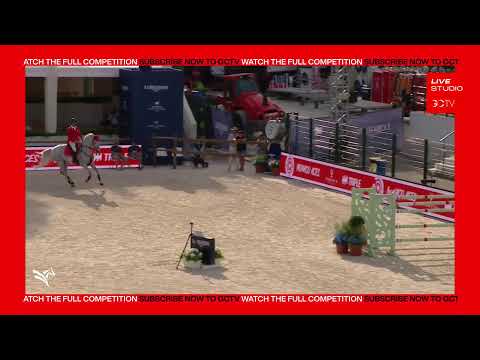
  • LIVE STUDIO - GCL of Cannes - Pre-Show Round 1
    Longines Global Champions Tour.
    0 Reacties 0 aandelen 295 Views
  • LIVE STUDIO - GCL of Cannes - Pre-Show Round 1
    Tune in now: https://gctv.gcglobalchampions.com.
    0 Reacties 0 aandelen 282 Views
  • Horse Sport Ireland Statement on IEVA Correspondence
    Horse Sport Ireland acknowledges receipt of correspondence from the Irish Equine Veterinary Association (IEVA) dated 3 June 2026, indicating its decision to withdraw its current representation.Horse Sport Ireland operates in full compliance with recognised governance standards, including the Sport Ireland Governance Code and, where applicable, the Code of Practice for the Governance of State Bodies. The organisation remains committed to maintaining the highest standards of transparency, accountability, and good governance across all its activities.Horse Sport Ireland has made contact as of Wednesday 4thJune with the IEVA to seek a better understanding of the basis for this decision. The organisation remains open to constructive dialogue and is available to meet with the IEVA at any time to discuss any concerns and to support a positive and collaborative way forward.Horse Sport Ireland greatly values the role of veterinary expertise within the sector and remains committed to working with all stakeholders in the best interests of the Irish sport horse industry.The post Horse Sport Ireland Statement on IEVA Correspondence appeared first on .
    0 Reacties 0 aandelen 367 Views
  • THEHORSE.COM
    New WorldScrewworm Case Confirmedinthe U.S.
    New Worldscrewworm affectswarm-blooded animals. | USDAOn June 3, 2026, the U.S. Department of Agriculture (USDA) confirmedNewWorld screwworm (NWS)in a 3-week-old calf in Zavala County, Texas. While noadditionalcases have beenidentified, the detection marks the pests expansion into theU.S.and prompted an immediate response from federal and state animal health officials. Because screwworm larvae can infest horses,humans,andotheranimals,veterinarians and horse owners should be familiar with the risks and signs of infestation.NewWorldscrewwormaffectswarm-blooded animals, including horses, cattle, wildlife, pets, and humans. Unlike many fly larvae thatfeed ondead tissue, screwworm larvae feed on living flesh. Adult flies lay eggs in open wounds or body openings, and the emerging maggots burrow into tissue.Infestations cause severe pain, extensive tissue damage, and foul-smelling wounds that attract more flies,andwoundsoftencontainlarvae atdifferent stages.Early detectionremainscriticalfor horse owners. Without treatment, infestations can worsen quickly andattractadditionalfliesto lay eggs. Larvaethat dropfrom woundscanpupatein the environmentanddevelop into adult flies,contributing to thepestsspread.USDA and Texas officials have begun containment and eradication efforts in the affected area. Their response includesestablishinga 20-kilometer infested zone around the detection site, implementing quarantines and movement controls, increasing surveillance, and expanding sterile fly releases(biological control).Protecting Your HorseFromNew World ScrewwormHorse owners can help protect their animals by inspecting them daily for cuts, wounds, drainageandfoul odorsfrom those lesions, orreduced appetite and weight loss, which can be a result of discomfort caused by infection.Veterinarians and researchersrecommend cleaning and protecting even minor wounds promptly because screwworm flies seek out areas where they can deposit eggs. Consistent fly control and good stable hygiene canalsoreduce risk.Owners, especially those along the U.S. southern border,should contact their veterinarianimmediatelyif a wound deteriorates rapidly, develops a foul odor, orcontainsmaggots.The USDAalso encourages livestock and pet owners in affected areas tomonitorbody openings, including theears, nose, genitalia,and(in newborn animals)navels, for signs of infestation.Take-Home MessageThe USDA confirmed a case of NWS in a Texas calf on June 3, 2026, prompting immediate containment and eradication efforts. Because screwworm larvae can infest horses and other warm-blooded animals through wounds and body openings, horse owners should practice diligent wound care,maintaineffective fly control, and contact their veterinarianimmediatelyif they notice foul-smelling wounds or maggots.
    0 Reacties 0 aandelen 302 Views
  • 0 Reacties 0 aandelen 284 Views
  • Winners interview New York Empire - GCL Cannes 2026
    Stay connected with the Global Champions League and never miss a moment of the action Follow us on social media for ...
    0 Reacties 0 aandelen 295 Views