• WWW.JUSTHORSERIDERS.CO.UK
    BETA 2018 Level 3: 2024 Rules For BE, BRC & Pony Club
    8 min read Last updated: January 2026 Heading to BE, BRC or Pony Club this season and unsure if your body protector will pass the tack check? This guide explains the 1 January 2024 switch to BETA 2018 Level 3, how to spot the blue label, nail the fit and plan timely replacements, so you stay safe, compliant and confidently waved through the gate. Quick Summary Short on time? Here are the key takeaways. Area: 2024 Upgrade Requirement What To Do: Upgrade to a BETA 2018 Level 3 body protector (blue/turquoise label) before competing with BE, BRC or Pony Club. Retire any BETA 2009-labelled protectors. Why It Matters: Its the only accepted standard from 1 Jan 2024 and offers top protection with ongoing re-testing. Common Mistake: Turning up with a purple BETA 2009 Level 3 and being refused entry. Area: Check Your Label What To Do: Flip the protector inside out and find the sewn-in BETA label; confirm it says BETA 2018 Level 3 and is blue/turquoise. Discard if its purple 2009 or older. Why It Matters: Confirms compliance and current safety performance. Common Mistake: Assuming "Level 3" alone is enough without checking the year/version. Area: Timely Replacement What To Do: Replace every 35 years or sooner if damaged; check foam feel, stitching and fastenings regularly. Retire after any significant fall or compression. Why It Matters: Ageing foams lose impact absorption, reducing protection. Common Mistake: Keeping a 2009-labelled vest because it looks fine. Area: Correct Fit & Sizing What To Do: Measure chest, waist and back length; try on in riding position to ensure snug coverage without riding up or pinching. Follow the brands size chart and minimise panel gaps; closures must sit centred and secure. Why It Matters: Proper fit maximises protection and mobility. Common Mistake: Choosing a size that sits on the saddle or gapes at the sides. Area: Know Event Rules What To Do: Check the latest rulebook before competing; wear BETA 2018 Level 3 for BE/BRC/PC and consider it for BD/BS even if optional. Be ready to show your blue label to stewards. Why It Matters: Prevents elimination and ensures consistent safety at events. Common Mistake: Assuming last seasons rules still apply. Area: Pair With Air Vest What To Do: Wear your Level 3 protector under an air vest for cross-country or high-risk rides. Always combine with a certified helmet and use hi-vis when hacking. Why It Matters: Layering boosts impact protection and road visibility. Common Mistake: Using an air vest alone and skipping the foam protector. Area: Store & Care Properly What To Do: Store flat or gently hung in a cool, dry place away from heat and sun; dry after wet rides and avoid heavy compression. Inspect regularly for cracks, stiff/crumbly foam, or failing zips/Velcro. Why It Matters: Good care slows foam degradation and preserves performance. Common Mistake: Leaving it on radiators, in hot cars, or under tack piles. Area: Childrens Specific Sizes What To Do: Choose child-specific BETA 2018 Level 3 sizes for juniors and re-check fit as they grow. Replace promptly if coverage or closures no longer sit correctly. Why It Matters: Correct panel coverage protects ribs and spine as intended. Common Mistake: Using an oversized adult protector to grow into. In This Guide What changed in 2024? How do you check your body protector is compliant? When should you replace your body protector? What does BETA 2018 Level 3 actually protect you from? How should a Level 3 body protector fit? What do UK governing bodies require now? What should you pair with your body protector? Turn up to a British Eventing or Pony Club gate in 2024 with a purple BETA 2009 label and youll be turned away. The rules have changed and your safety (and eligibility) now depends on one small blue label.Key takeaway: From 1 January 2024, you need a BETA 2018 Level 3 (blue/turquoise label) body protector for British Eventing, British Riding Clubs and Pony Club. Replace older protectors every 35 years as the foam degrades.What changed in 2024?From 1 January 2024, British Eventing (BE), British Riding Clubs (BRC) and the Pony Club only accept body protectors certified to BETA 2018 Level 3 (blue/turquoise label); BETA 2009 labels (including purple Level 3) are no longer permitted.This update aligns with the current EN13158:2018 European requirement and ensures riders compete in garments that undergo ongoing quality checks. As Horse & Hound states:As of 1 January 2024, major governing bodies only accept body protectors that meet the latest BETA level 3 (2018) version of the standard... The BETA level 3 (2018) standard offers the highest level of protection.BETA 2018 includes annual re-testing of approved garments for materials and manufacturing consistency, improving trust in real-world performance at British competitions (BETA official standard).How do you check your body protector is compliant?Look for a turquoise/blue BETA 2018 Level 3 label; any purple BETA 2009 (even Level 3) or older label is now obsolete at BE, BRC and Pony Club events.Flip your body protector inside out and find the sewn-in BETA label. Colours and levels youll see on current/older garments include:Level 3 (blue/turquoise) highest protection for normal riding, competitions and working with horses. Required for BE, BRC, Pony Club from 2024 (BETA 2018).Level 2 (orange) for low-risk situations; not sufficient for eventing (BETA 2018).Level 1 (green) minimal protection for licensed jockeys under weight restrictions (Charles Owen).Discard or replace if you see purple (BETA 2009 Level 3), orange/black (older Level 2), green/black (older Level 1), or anything pre-2009. These are no longer accepted by the main UK governing bodies and, crucially, their foam will be beyond its recommended service life.When should you replace your body protector?Replace every 35 years, even if it looks fine; by 2024, all BETA 2009 protectors were 514 years old and no longer guaranteed to perform as intended.BETA and leading manufacturers advise a 35 year replacement cycle because the impact-absorbing foams harden or crumble with time, sweat, weather and use. As Racesafe summarises, any 2009-labelled body protector is now outside that safe window. Signs its past its best include:Foam feels stiff, brittle, lumpy or crumblyCracked panels, loose stitching or distorted shapeZips, fastenings or Velcro no longer hold securelyIts been in a significant fall or compression (e.g., under a heavy object)Quick tip: store your vest flat or gently hung in a cool, dry place away from radiators or direct sunlight. Heat accelerates foam degradation especially after wet winter rides and muddy yard days typical of the UK.What does BETA 2018 Level 3 actually protect you from?Level 3 is the highest level available to the public and is designed to prevent minor bruising causing stiffness/pain, reduce soft tissue injuries, and prevent a limited number of rib fractures.Level 3 body protectors should prevent minor bruising that would have produced stiffness and pain, reduce soft tissue injuries and prevent a limited number of rib fractures. BETA 2018 Official StandardThe BETA 2018 standard aligns with EN13158:2018 and requires annual re-testing of approved garments for material quality and manufacturing consistency. This means the blue label doesnt just reflect a one-time lab test it signals ongoing compliance with a robust, current safety benchmark suitable for general riding, competitions and handling horses on the ground.For UK riders schooling cross-country, hacking on narrow lanes, or handling sharp horses on windy days, Level 3 offers the coverage and impact attenuation you need as your baseline protection.How should a Level 3 body protector fit?A correct fit covers your torso with minimal panel gaps, allows full shoulder/hip movement, and matches your chest, waist and back length measurements.Follow the manufacturers sizing chart and measure over a base layer:Chest: measure the fullest part of your chestWaist: measure your natural waistBack length: from the base of your neck (C7) to the just above the saddle when seatedWhen trying on, adopt your riding position: reach forward, twist at the waist, and simulate jumping. The protector should sit snugly without riding up under your chin or pinching your shoulders. There should be minimal gaps between panels, and hinged sections (if included) should move with you.Pro tip: check the front zip and side closures are centred and securely fastened with the garment lying flat against your ribcage no bulging over the abdomen or gaping at the sides. If you wear an inflatable air vest for cross-country, your Level 3 protector goes underneath.For children, choose child-specific BETA 2018 Level 3 sizes to ensure correct coverage and panel distribution; adult sizes are not an acceptable substitute for growing riders (Charles Owen).What do UK governing bodies require now?For British Eventing, British Riding Clubs and the Pony Club, BETA 2018 Level 3 is mandatory from January 2024; British Dressage and British Showjumping make body protectors optional, but Level 3 is strongly recommended for safety.At affiliated events, your collecting ring steward will check the BETA 2018 Level 3 blue label. If you compete or train cross-country, this is non-negotiable. For BD and BS where body protectors are optional, consider wearing Level 3 for warm-up, young horses, or any ride where falls are more likely.Always verify the latest rulebook or contact your organisation before a show especially early season to avoid last-minute problems. You can find detailed explanations in Horse & Hounds guidance and the BETA 2018 standard.UK-specific note: with our wet winters and warm competition days, choose breathable Level 3 designs with vented foams or articulated panels for comfort during long schooling sessions and summer events. Store vests carefully over winter to preserve foam integrity between seasons.What should you pair with your body protector?Wear your Level 3 under an air vest for cross-country and pair it with a certified helmet and hi-vis for roadwork to maximise protection.At Just Horse Riders, we recommend building a complete safety kit that matches your riding:Helmet: Always combine your protector with a certified hat for falls involving head impact. Explore our range of riding helmets and hats.Air vest: For XC or high-risk training, wear the air vest over your Level 3. The passive protection of foam plus the active cushioning of air gives you the best of both.Hi-vis for hacking: Be seen on country lanes and bridleways in low winter sun or drizzle with rider hi-vis.Breeches and jodhpurs: A close, comfortable lower-half fit helps your protector sit correctly. See our womens jodhpurs and breeches and childrens jodhpurs and breeches.Competition wear: Make sure your cross-country and show kit complies and lets your protector sit flat underneath. Browse womens competition clothing.Protect your horse, too: For XC and fast work, supportive leg protection matters check our horse boots and bandages.On a budget? Upgrade smartly via our clearance in the Secret Tack Room.Quick tip: if you regularly hack after work in winter, keep your protector, hat and hi-vis stored together in the tack room so nothing gets missed during dark, rainy evenings.Bottom line: check your label today. If it isnt BETA 2018 Level 3 (blue/turquoise), plan your upgrade now especially if you compete or have juniors in Pony Club. At Just Horse Riders, our team can talk you through sizing, fit checks and kit pairing so youre comfortable, compliant and confident on every ride.FAQsCan I still use my BETA 2009 Level 3 body protector for hacking at home?Yes, you can use it for leisure or unaffiliated riding, but it will be 514 years old by 2024 and the foam may have degraded. Replace every 35 years for safety, and remember its not allowed at BE, BRC or Pony Club events after 31 December 2023 (Horse & Hound).Whats the difference between BETA 2018 Level 2 and Level 3?Level 2 (orange) is for low-risk situations; Level 3 (blue) is the highest public protection level suitable for normal riding, competitions and working with horses, and is required by BE, BRC and Pony Club (BETA 2018).Do I need to upgrade if my body protector is less than five years old but still marked BETA 2009?Yes, if you ride at British Eventing, British Riding Clubs or Pony Club, because only BETA 2018 Level 3 is accepted from January 2024. Even for non-affiliated riding, consider upgrading due to foam ageing (Racesafe).Is there a newer standard coming soon after BETA 2018?No next update has been announced as of 2024. BETA 2018 includes annual re-testing of approved garments, so upgrading now meets current rules and ongoing quality checks (BETA 2018).How should I store my protector to extend its life?Keep it flat or gently hung in a cool, dry place away from direct heat and sunlight. Avoid compressing it under heavy items, especially after wet winter rides when foam is more vulnerable.Can children wear adult Level 3 protectors?No. Children should wear child-specific BETA 2018 Level 3 sizes to ensure correct coverage and fit across the ribs and spine (Charles Owen).Can I wear my air vest without a foam body protector?For cross-country and high-risk riding, wear your Level 3 body protector under the air vest. The air vest is an additional layer, not a replacement for the baseline foam protection recommended by BETA and required by many organisers. Shop the Essentials Everything mentioned in this guide, ready to browse. Shop Riding HelmetsShop Hi-Vis GearShop Competition WearShop Jodhpurs & BreechesShop Clearance Deals
    0 Kommentare 0 Anteile 318 Ansichten
  • Irish Bred takes a Podium Place at Badminton
    It is the time of year when many new names start to appear in the Top 10 Places in the Novice classes hence the later posting of results. There are still many claiming Irishness incorrectly which takes time to confirm one way or another.Irish influence at Badminton was huge a credit to the breeders.See below the up-to-date results for this week unverified results will be added to next weeks results.Mars Badminton International (GBR) 6th 10th May 2026CCI 5*3rd Annaghmore Valoner [ISH] 2012 mare by Coroner (TB) out of Annaghmore Lady Valier [ISH] by Black Walter [ISH]. Breeder: Sinead Healion (Offaly). Rider: Sam Griffiths (AUS) 30.3, 4.8, 0.0 = 35.1.Other Irish Bred Finishers:13th Deerpairc Revelry (ISH)[was DPS Revelry] 2014 gelding by Hermes De Reve (SF) out of Celerina (AEAS) by Cento (HOLST). Breeder: Dara OMalley (Galway). Rider: Max Warburton (GBR) 45.418th Lady Ophelia (unk) 2012 mare sire unknown out of Legal Lady (TB) by Over the River (TB). Breeder: Denis Hickey (Wexford). Rider: Padraig McCarthy (IRL) 47.420th Ballyneety Rocketman (ISH)[TIH][was Haw Rocket & Ballyneety No Rocket] 2014 gelding by Diamond Discovery (TB) out of Ballyneety Macrocket (ISH)[TIH] by Errigal Flight (ISH)[TIH]. Breeder: James Hickey. Rider: Sam Watson (IRL) 48.421st Royal Encounter (ISH) 2015 gelding by Lancelot (KWPN) out of Cavalier Lassie (ISH) by Cavalier Royale (HOLST). Breeder: Perter Rice (Monaghan). Rider: Marcio Carvalho Jorge (BRA) 48.425th Midnight Rollercoaster (ISH) 2010 gelding by Diamond Roller [ISH] out of Whos Diaz (ISH) by Osilvis (KWPN). Breeder: John Kearney (Louth). Rider: David Doel (GBR) 55.027th Ballyneety Silver Service (ISH)[TIH] 2015 gelding by Butlers Cravat (ISH)[TIH]out of Great Island Lady (TB)[IRL] by Great Palm (TB). Breeder: Fiona Hickey (Limerick). Rider: Holly Richardson (GBR) 62.828th Monbeg Darwin (ISH)[TIH] 2015 gelding by Kiltealy Silver (ID) out of Porter Sky (ISH)[TIH] by Porter Rhodes (TB). Breeder: Philip Bowe (Wexford). Rider: Michael Owen (GBR) 65.930th Cooley Lafitte (ISH)[was Kilcorig Je Taime] 2012 gelding by Je Taime Flamenco (BWP) out of Graf Shenanigans (ISH) by Scirocco DElle (ENCI). Breeder: Nigel Jackson (Antrim). Rider: Jesse Campbell (NZL) 69.631st Hawk Eye (ISH) 2012 gelding by Beach Ball (ISH)[TIH] out of Summerholiday (ISH). Breeder: RJ Smyth (Tyrone). Rider: Tom Jackson (GBR) 71.532nd Creevagh Silver de Haar (ISH) 2008 gelding by Camiro de Haar Z (ZANG) out of Vanir Silver River [ISH] by Golden River (ISH)[TIH]. Breeder: Kathryn Jackson (Monaghan). Rider: Fiona Kashel (GBR) 71.733rd Sixmilewater (ISH) [was Sixmilewater Quality] 2014 gelding by OBOS Quality 004 (OLD) out of Kelseys Kingdom (ISH)[TIH] by Buster King (TB). Breeder: Denis ORiordan (Cork). Rider: Austin OConnor (IRL) 78.038th Keep It Cooley (ISH) 2015 gelding by Ramirio B (BWP) out of Rathlin Imp (ISH)[TIH] by Master Imp (TB). Breeder: Georgina Plilips (Wicklow). Rider: Wills Oakden (GBR) 97.6Moreton Morrell One Day Event (GBR) 9th 10th May 2026Intermediate Novice Sec P3rd Killycloghan Mr Moonshine (ISH)[TIH] 2019 gelding by Primary (TB) out of Umgola Lady Isla (ID) by Crevagh Grey Rebel (ID). Breeder: William & Alison Roundtree. Rider: Charlotte Billson (GBR) 34.8, 4, 5.2 = 44.04th Happy Chirpy Charlie (ISH) 2018 gelding by Tolan R (KWPN) out of Athas Amach (ISH)[TIH] by Master Imp (TB). Breeder: Anthea Rainsbury. Rider: Steven Smith (IRL) 32.3, 8, 4.0 = 44.38th Feeling Fantastic (ISH) 2014 gelding by Olympic Lux (KWPN) out of Cruisings Pearl (ISH)[TIH] by Mountain Pearl (ID). Breeder: T J Phelan (Laois). Rider: Abigail Burbidge (GBR) 29.8, 8, 26.8 = 64.610th Dreamaway II (ISH)[was Fernhill Dreamway] 2011 gelding by Verdi (KWPN) out of Roadstown Cruise (ISH)[TIH] by Cruising (ISH)[TIH]. Breeder: Mattie Brennan (Sligo). Rider: Joanna Gillingham (GBR) 32.3, 12, 32.4 = 76.7.Open Novice Sec O1st CMS Google (SIES) 2010 mare by Baltimore (BWP) out of Shalom Internet (ISH) by Cavalier Royale (HOLST). Breeder: Ray OReilly (Cavan). Rider: Kristina Hall-Jackson (GBR) 29.0, 0, 0.0 = 29.0.Novice Sec M1st Garryduff Heart of Bay (ISH) 2018 gelding by Garryduff Jar of Hearts out of Garryduff Beauty. Breeder: John Joyce. Rider: Emilly du Luart (GBR) 31.8, 0, 0.0 = 31.82nd Fairwood Pearlova (ISH) 2018 mare by Romanov (KWPN)out of Boleybawn Peral (ISH) by Dignified Vant Zorgvliet (BWP). Breeder: Joan Rothwell. Rider: Emily Plant (GBR) 33.3, 0, 0.0 = 33.36th King Kongka (ISH)[TIH] 2019 gelding by Near Dock (TB) out of Castlemeadow Mildred (ISH)[TIH] by Power Blade (TB). Breeder: Martin Murphy. Rider: Caroline Day (GBR) 37.0, 0, 0.8 = 37.89th Elusive Lion (ISH) 2015 gelding by Elusive Emir (TB) out of Cloonmeen Coco (ISH) by Couirage II (HOLST). Breeder: Adrian Burke. Rider: Cariad Miles-Taylor (GBR) 36.0, 4, 2.8 = 42.8.Novice Sec N1st CSF Gemini (ISH) 2018 mare by KEC Maximum Joe (WPN) out of CSF Alina (OLD) by Argentinus (HANN). Breeder: Shane Connolly. Rider: Heidi Coy (GBR) 30.0, 0, 0.0 = 30.03rd Cloud Dancer IV (ISH) 2019 gelding by Phil VD Wezelse Heioeve (BWP) out of Honey Freather (TB) by Intikhab (TB) . Breeder: Victoria Foster. Rider: Anya Strilkowski (GBR) 31.5, 0, 0.8 = 32.38th Merlins Rebel (ISH) 2014 gelding by OBOS Quality 004 (OLD) out of Merlins Castaway (ISH)[TIH] by Rich Rebel (TB). Breeder: Willie Fahy. Rider: Terry Walsh (GBR) 35.8, 0, 0.0 = 35.89th Blackfort Ginger (ISH) 2014 mare by Mermus R (KWPN) out of Killenure Lass (ISH) by Ricardo Z (ZANG). Breeder: Winifred Noone. Rider: Gregor Montgomery (GBR) 35.8, 0, 0.8 = 36.610th Fairwood Max (ISH) 2013 gelding by Mermus R (KWPN) out of Victory De Baugy (BWP) by Shevenne De Baugy (BWP). Breeder: Joan Rithwell (Wicklow). Rider: Kelly Salisbury (GBR) 32.0, 4, 3.2 = 39.2.Tryon International (USA) 7th 10th May 2026CCI 4* Long3rd Cooley Baltic Sea (ISH)[was Annaghmore Baltic Sea] 2014 gelding by baltic VDL (KWPN) out of HHS Cheerio (ISH) by Harlequin du Carel (SF). Breeder: Judy Tobin & Aoife Healion. Rider: Arielle Aharoni (USA) 34.3, 0, 16.8 = 51.14th Ratheoin Quality Imp (ISH) 2017 gelding by OBOS Quality 004 (OLD) out of Coonogues Dawn (ISH) by Master Imp (TB). Breeder: Sean Barron. Rider: Lisa Marie Fergusson (CAN) 37.4, 4.4, 18.0 = 59.85th Shanaclough Quality Clover (ISH) 2014 gelding by OBOS Quality 004 (OLD) out of Shanaclough Clovertone (ISH) by Clover Clon VII (WNTR). Breeder: John Glynn. Rider: Moriah Orms (USA) 40.6, 6.8, 12.8 = 60.26th Jewelent (ISH) 2012 gelding by Valent (KWPN) out of Bellaney Jewel (TB)[IRL] by Roselier (TB). Breeder: J.W. Rosbotham. Rider: Olivia Dutton (USA) 33.1, 0.8, 30.0 = 63.9.CCI 4* Short2nd Off the Record (ISH)[was Cooley Stateside] 2009 gelding by VDL Arkansas (KWPN) out of Drumagoland Bay (ISH) by Ard Ohio (KWPN). Breeder: Peter G Brady (Cavan). Rider: William Coleman (USA) 27.1, 0, 3.2 = 30.33rd Shanroe Cooley (ISH)[was Shanroe Italk] 2015 gelding by Dallas VDL (BWP) out of Shanroe Saphire (ISH) by Condios (HOLST). Breeder: Anthony Smyth (Down). Rider: Boyd Martin (USA) 30.2, 0, 5.6 = 35.86th Kokoleka (ISH)[was Belline Castle Pacino Candy] 2018 mare by Sligo Candy Boy (ISH) out of Castle Pacino (ISH) by Pacino (BWP). Breeder: Noel Ruane. Rider: Kate Brown (USA) 37.5, 0, 12.8 = 50.310th Carlingfords Hes A Clover (ISH)[was Hes a Clover] 2012 gelding by Polanski (SWB) out of Fourleaf Clover (ISH)[TIH] by Clover Hill (ID). Breeder: Thomas Keenan (Louth). Rider: Molly Duda (USA) 32.1, 8, 22.4 = 62.4.CCI 3* Long1st HSH Talbots Hill (ISH)[was Cool Macallan] 2018 gelding by Coolkeeran (HOLST) out of Sisceal (TB) by Dalakhani (TB). Breeder: Pat Hutchinson. Rider: Caroline Pamukcu (USA) 29.0, 1.2, 0.0 = 30.22nd Calling Cooley (ISH)(was BSI D Man) 2016 gelding by Tallmann TN (BWP) out of Ballyhane Ellie (ISH) by Luidam (KWPN). Breeder: Michael Buckley. Rider: Kaylawna Smith-Cook (USA) 27.8, 0, 2.4 = 30.210th HSH Sebastian (ISH)[was MBF Silver Bridge] 2017 gelding by Silvano (KWPN) out of My Rochestown Lady (TB) by Beneficial (TB). Breeder: John P Murphy. Rider: Caroline Pamukcu (USA) 32.2, 4, 0.4 = 36.6.CCI 3* Short8th Romans Code Red (ISH)[was PNP Heart Throb] 2015 gelding by Womanizer (KWPN) out of Scoole Hill Clover (ISH) by Farney Clover (ISH)[TIH]. Breeder: Noelle McGuane. Rider: Katie Lichten (USA) 37.5, 0, 4.8 = 42.39th ESI Nixon (ISH) 2017 gelding by Dakar VDL (KWPN) out of ESI Sofia (ISH) by Simba (KWPN). Breeder: Ennisnag Stud. Rider: Jessica Phoenix (CAN) 35.9, 0, 6.8 = 42.7.CCI 2* Long4th HSH Talk of the Town (ISH)(was BGS Gamble) 2017 gelding by Capri van Oveis Z (ZANG) out of Wesley (KWPN) by Hors la Loi II (KWPN). Breeder: F de Loyer. Rider: Kelley Hutchinson (IRL) 31.5, 0, 0.4 = 31.9.CCI 2* Short1st Fernhill Cool Confection (ISH)(was Fernhill Cool Connection) 2017 gelding by Sligo Candy Boy (ISH) out of Princess Cool Diamond (ISH)[TIH] by Coolcorron Cool Diamond (ISH). Breeder: John McManus. Rider: Madison Temkin (USA) 29.2, 0, 0.0 = 29.22nd MS Spirit (ISH) 2017 gelding by Emerald Vant Ruytershof (BWP) out of Monastery Stud Symphony (HOLST) by Corrado I (HOLST). Breeder: Glen Leddy. Rider: Emeline Gilbert (USA) 30.8, 0, 0.0 = 30.85th Belline Foodys Out of the Blue (ISH) 2018 gelding by Sligo Candy Boy (ISH) out of Foodys Two an Two (ISH)[TIH] by Gentle Diamond (ID). Breeder: Frances Foody. Rider: Elisa Wallace (USA) 29.7, 0, 4.4 = 34.16th Sir Pollux Z (ISH)[was Cushlas Gino] 2015 gelding by Pollux de Muze Z (ZANG) out of Cushlas Benejalux (ISH) by Lux Z (HANN). Breeder: J P Finlay. Rider: Samuel Moreland (USA) 35.1, 0, 0.0 = 35.1.CCI 1* Short6th Monbeg DOS Mas (ISH)[was DOS Dorisberg] 2017 mare by Ringwood Cassero (HOLST) out of The Precious (ISH) by Cavalier Royale (HOLST). Breeder: Michelle OSullivan. Rider: Hannah Hawkins (USA) 32.0, 0, 0.8 = 32.87th Slieve Callan Gael (ISH) 2017 gelding by Tyson (KWPN) out of GI Miz Minx (ISH) by Courage II (HOLST). Breeder: Niamh Tottenham. Rider: Lindsey Lanier (USA) 34.9, 0, 0.8 = 35.710th Ariana (ISH) 2018 mare by Sligo Candy Boy (ISH) out of Mosstown Sally (ISH) by HHS BR Charlton (ISH). Breeder: Richard Thomas Balfour. Rider: Sophia Middlebrook (USA) 33.1, 0, 3.6 = 36.7.Galway Downs Spring Horse Trials 9th 10th May 2026Intermediate Challenge2nd Rosco (ISH)[was Rosco Black Beauty] 2019 gelding by Tyson (KWPN) out of Kah Lasina (HOLST) by Contender (HOLST). Breeder: Joe Connaughton. Rider: Sophie Stocks (USA) 31.9, 8, 8.8 = 48.7Only 2 ran.Intermediate1st EPA Mo Chara (ISH)[was Grangemill Dreams] 2017 gelding by Dignified Vant Zorgvliet (BWP) out of Aughmore Irokos Dream (ISH) by Iroko (WESTF). Breeder: Liam Duffin. Rider: Lauren Bebb (USA) 30.0, 4.4, 25.6 = 60.0.Preliminary3rd Ringwood Sullivan (unk) 2017 gelding by an un-recorded sire out of Miss Filice (ISH) by Filice de Champeix (AA). Breeder: Eileen OSullivan. Rider: Teresa Korol (USA) 35.5, 5.2, 22.4 = 63.1.Only 3 finished.Preliminary Rider1st Kilkeany Eclipse (ISH)[TIH] 2017 mare by Chinook Eclipse (TB) out of Kilkeany Coolone (ISH)[TIH] by Coolcorron Cool Diamond (ISH). Breeder: Margaret Walsh. Rider: Stella Wright (USA) 38.0, 8, 12.0 = 58.0Only 1 ran.Modified Challenge3rd Ballyneety Soldier (ISH)[TIH][was Heavy Inputs] 2017 gelding by Crafty Call (ISH)[TIH] out of Salt Lake City (ISH)[TIH] by Yeats (ISH)[TIH]. Breeder: James Hickey. Rider: Alegria Dorigo (USA) 33.7, 4, 0.0 = 37.7Open Modified2nd Whats that Sportsfield. (ISH) 2007 gelding by Greenacres King (ISH) out of Miss Bobsleigh. (P)(ISH)(TIH) by Chair Lift (TB). Breeder: Karen & Oliver Callery (Cavan). Rider: Valerie Ferraro (USA) 25.7, 0, 10.8 = 36.5.Only 3 finished.Plantation Field Horse Trials (USA) 9th 10th May 2026.4th Sportsfield Johnny Logan (ISH) 2018 gelding by Lagans OBOS Quality (ISH) out of Beauty Ruby (ISH) by Sunny Boy (KWPN). Breeder: Martin Kennedy. Rider: Hayley Frielick (NZL) 33.6, 0, 12.8 = 46.46th Newmarket Jack (ISH) 2009 gelding by Newmarket Jewel (WESTF) out of Newmarket Chantepie (ISH) by Newmarket Venture (HANN). Breeder: Billy Daly (Cork). Rider: Alexandra MacLeod (USA) 33.0, 4, 11.2 = 48.27th Devil In Prada (ISH) 2018 mare by Hiello (KWPN) out of Carmenflag (ISH)[TIH] by Flagmount King (ID). Breeder: John Rooney. Rider: Charlotte Bacon (GBR) 40.2, 4, 17.2 = 61.4.Open Preliminary7th Independent Article (ISH) 2018 gelding by Tyson (KWPN) out of Sassy Cassie (ISH) by Cascaletto St. Ghyvan Z (ZANG). Breeder: Margaret Kinsella. Rider: Jill Smith (USA) 36.8, 4, 20.4 = 61.28th Quantum Cooley (ISH)[was Its Quantum Cooley] 2018 gelding by Dakar VDL (KWPN) out of Ming Dynasty (ISH) by Luidam (KWPN). Breeder: Diana Warrington. Rider: Fylicia Barr (USA) 32.0, 10.8, 23.6 = 66.49th Dunedin LB Muze (ISH) 2020 gelding by Im Special de Muze (BEP) out of Arkette (ISH) by Arko (OLD). Breeder: Una Flynn. Rider: Hayley Frielick (NZL) 34.3, 4, 29.2 = 67.4.Pratoni del Vivaro International (ITA) 30th April 3rd May 2026CCI 4* Short4th Cecelia Lad (ISH) 2015 gelding by Tolan R (KWPN) out of Renkum Lass (ISH) by Renkum Englishman (KWPN). Breeder: James Rogan (Dublin). Rider: Andrea Cincinnati (ITA) 34.5, 13.6, 38.4 = 86.5.CCI 3* Short5th Cooley King of Rock (ISH) 2017 gelding by Elvis Ter Putte (BWP) out of Brook Flight (ISH). Breeder: Marie Moloney. Rider: Mattia Luciani (ITA) 36.6, 4, 2.0 = 42.6.CCI Y3* Short1st Islandwood Candy Man (ISH) 2018 gelding by Sligo Candy Boy out of Suir Touch by Touchdown. Breeder: Gerard OConnor. Breeder: Gerard OConnor. Rider: Anastasia Chechi (ITA) 36.3, 0, 0.0 = 36.3.CCI 2* long5th Indictable Only (ISH)[was Greenhill Trevor] 2014 gelding by Harlequin du Carel (SF) out of Lady Loughehoe (ISH) by Loughehoe Guy (ISH)[TIH]. Breeder: Derry Rothwell. Rider: Eveline Bertoli (ITA) 34.6, 4, 37.2 = 75.8.CCI J2* Short1st Blarney Acacia (ISH)[TIH] 2013 mare by Loughehoe Guy (ISH)[TIH] out of Moyglass Colleen (ID) by Coille Mor Hill (ID). Breeder: Caroline Colthurst. Rider: Matilde Gianello (ITA) 33.5, 0, 0.0 = 33.54th Quality Cruiser (ISH) 2009 gelding by OBOS Quality 004 (OLD) out of Miss Clover Cruise (ISH)[TIH] by Cruising (ISH)[TIH]. Breeder: Ivor Kearney (Wicklow) Rider: Lavinia Vasini (ITA) 33.9, 0.8, 4.4 = 39.18th Wheres Romeo (ISH) 2016 gelding by Silvano (KWPN) out of Wheres Juliette (ISH) by Lucky Valier (ISH). Breeder: Olivia Forrestal. Rider: Alessandro Massimo Bertoni (ITA) 39.8, 8, 2.8 = 50.69th Nazalier (ISH) 2015 gelding by Nazar (TB)[IRL] out of Royalbrook Ruby Royale (ISH) by Cavalier Royale (HOLST). Breeder: Sean Delaney. Rider: Agnese Bottos (ITA) 34.8, 8, 8.0 = 50.8.CCIP 2* Short1st Fairyhouse In A Pickle (ISH)[TIH] 2018 mare by Gwennic de Goariva (CP) out of Supreme Honey (TB) by Supreme Leader (TB). Breeder David J Byrne. Rider: Cloe Panuccio (ITA) 32.6, 0, 1.6 = 34.2CCIP 1* Short2nd Lucas Little Melody (CP) 2019 msre by I Love You Melody (CP) out of Spring Lass (CP) by Kingstown Boy (CP). Breeder: Dermot Evans. Rider: Noemi Favretto (ITA) 40.0, 4, 0.0 = 44.03rd SNS Apollo (ISH) 2019 gelding by Amigo (KWPN) out of Parkroe Lucky Lass (ISH) by Tynagh Miller (CP). Breeder: Thomas McMahon. Rider: Stella Giovannoni (ITA) 38.0, 4, 2.0 = 44.04th Summerhill Mia (ISP) 2017 mare by Steady Cruise (ISH)[TIH]. Rider: Ludovica Spampinato (ITA) 36.1, 8, 2.0 = 46.18th Carnabay Lady (CP) 2014 mare by Steamstown Mickey out of Charry Mill Eile by Carnaby Mirah. Breeder: Padraic & Mary Cloherty. Rider: Sofia Fondi (ITA) 44.0, 4, 0.0 = 55.6.St. Margarethen International (ITA) 30th April 3rd May 2026CCI 2* Short1st Kimblewick Arya (ISH) 2017 mare by Chillout (ISH) out of Kimblewick Aurora (ISH) by Cavalier Royale (HOLST). Breeder: Noelle Yorke. Rider: Lucia Gast (GER) 33.9, 8, 0.0 = 41.96th Spirit 73 (ISH)[TIH] 2015 gelding by Emperor Augustus out of Forest Clover by Clover Hill (ID). Breeder: Jim Kavanagh. Rider: Claudia Hartl (AUT) 41.9, 8, 12.0 = 61.98th Freddie C (ISH) 2011 gelding by Camiro De Haarz (ZANG) out of Clovers Pal (ISH)[TIH] by Clover Hill (ID). Breeder: Siobhan Dunne (Louth). Rider: Carolina Brambilla (ITA) 34.1, 0, 32.8 = 66.9.CCI 3* Short4th Rockalong (ISH) 2017 gelding by Imperial Heights (ISH)[TIH] out of Hill View Beauty (ISH) by French Buffet (TB). Breeder: Malcolm Jennings. Rider: Amelia Reisacher (GER) 37.3, 8, 5.6 = 50.9.Munster International (GER) 2nd 3rd May 2026CCI 3*6th Ginger Gold (ISH)[was Hilton Paloma) 2011 mare by Pacino (BWP) out of Hilton Goldtouch (ISH) by Touchdown (ISH). Breeder: Maureen McMahon (Monaghan). Rider: Julika Schenkmann (GER) 38.1, 0, 6.4 = 44.510th Gortglass Diamonds in the Sky (ISH) -2015 gelding by Jack of Diamonds (SWB out of Gortglass Shye (ISH)[TIH] by Master Imp (TB). Breeder: Sian Carson Ball. Rider: Robert Sirch (GER) 34.1, 4, 10.4 = 48.5.CCI 2* Short7th Power Supreme (ISH)[TIH] 2013 mare by Superior Premium (TB) out of Bing Power (ISH) by Tomgar Power Crest (ISH)[TIH]. Breeder: Bryan Maguire. Rider: Lena Reinstorf (GER) 34.1, 0, 0.0 = 34.1.Compilers NoteI offer an apology to Heather Bush for missing her 5th place at Stable View last week. A failing on my part.5th in the Open IntermediateGoldenEye 007 (ISH)[was Rosco Ranger] 2018 gelding by Goodluck VDL (KWPN) out of Cuffesgrange Sensation (ISH) by OBOS Quality 004 (OLD). Breeder: Joe Connaughton. Rider: Heather Bush (USA)These results have been provided to Horse Sport Ireland by Charlie Ripman.These results are funded by Horse Sport Ireland.The post Irish Bred takes a Podium Place at Badminton appeared first on .
    0 Kommentare 0 Anteile 281 Ansichten
  • New Guidelines for the Jumping World Breeding Championships for Young Horses
    The World Breeding Federation for Sport Horses (WBFSH), together with the Fdration questre Internationale (FEI), have announced significant updates to the regulations governing the Jumping World Breeding Championships for Young Horses.These changes are the result of ongoing discussions among key stakeholders within the sport, prompted by growing attention to age-appropriate competition demands, equine welfare, and the importance of creating greater transparency and consistency within young horse development pathways.Introduction of Minimum Eligibility Requirements (MERs)For the first time, Minimum Eligibility Requirements (MERs) will be implemented for participation in the Championships. Similar MER systems are already in place for the Dressage and Eventing World Breeding Championships.The purpose of these MERs are to: Ensure horses arrive at the Championships with a suitable level of preparation, Promote a clear, consistent and transparent qualification process, and Support the long-term development and welfare of young jumping horses.The MER criteria can be found here.As is currently the case, the responsibility for horse selection will remain with each NF, working in close collaboration with the WBFSH member studbook(s) in their respective country.Adjustment to Competition Format 5-Year-Old HorsesAt the Championships, 5-year-old classes will now be judged against an optimum time rather than against the clock. This adjustment is intended to:Place greater emphasis on correct and educational riding,Reduce time pressure in competition, andBetter support the developmental stage of younger horses.The full guidelines, including details of the MERs, will be published on the FEI and WBFSH websites. The updated Championship schedule will follow later this year, ahead of the opening of entries. The selection criteria including expression of interest form for the championships will be published shortly.We encourage riders, owners, breeders and studbooks to familiarise themselves with these updates in preparation for the upcoming edition of the Jumping World Breeding Championships.The post New Guidelines for the Jumping World Breeding Championships for Young Horses appeared first on .
    0 Kommentare 0 Anteile 323 Ansichten
  • THEHORSE.COM
    5 Secrets to Stronger Hooves
    Regular farrier visits are essential to maintaining a horses hoof quality. | Getty ImagesIts true that much of a horses hoof quality is determined by geneticstheres no substitute for good feet on a sire and dam. But that doesnt mean a horse with naturally weaker hooves is out of luck. In fact, theres plenty that can be done to improve a horses hooves throughdiet and management. Here are five secrets to encouraging stronger hooves in any horse.1. Optimize nutritionFeeding for healthy hooves doesnt have to be complicated. Most commercial feed products provide the necessary nutrition for average horses and those at specific life stages or activity levels. Choose one that is formulated for your horses situation, and youll be feeding all of him, including his hooves, well. If your horse is on a primarily forage-based diet, buy the best quality hay you can find to replace the nutrition lost when grazing is no longer available. If you are unable to consistently secure good hay, talk to your veterinarian about using a ration balancer pellet that can provide needed nutrition without unneeded calories.2. Stick to a consistent shoeing scheduleRegularfarrier visitsare essential to maintaining a horses hoof quality. Hooves that are allowed to grow too long are more likely to chip and crack, defects which can weaken the entire foot. Having professional eyes on your horses hooves regularly can also catch situations brewing before they become full-blown problems. Get your horse on a six-week shoeing schedule with a reliable farrier and then keep those appointments faithfully.3. Maximize opportunities for exerciseMovement increases blood flow, encouraging growth and providing feedback needed for the horn to grow strong. If you ride less often at certain times of year, remember turnout is just as beneficial for hooves. Consider 24-hour turnout if at all possible. With proper blankets and shelter, even a clipped horse can stay warm enough for turnout in frigid weather, and with substantial shade, access to water, and a comprehensive fly-control program in place, horses can comfortably spend their summer months outdoors as well.4. Consider a hoof supplementSeveral feed supplements formulated to improve hoof health are available. One key ingredient is biotin, a B vitamin that supports the production of keratin, a protein that provides the structural basis for hair and hooves. Researchers have shown that biotin can encourage hoof growth and improve horn quality. When shopping for a supplement, look for one with a comprehensive ingredient label and contact information for the manufacturer in case you have questions or concerns.5. Stay vigilant against thrushA bacterial infection of the underside of a horses hooves, thrush isnt typically debilitating. But it is smelly sign that all is not well with your horses feet. Thrush isnt always the result of neglect or dirty beddinginactivity or hoof imbalances can contribute, and some horses are just prone to the condition. Pick out your horses hooves daily, looking for signs of thrush. If you suspect its developing, there are a number of commercial products available that are safer than homemade concoctions. Just follow the instructions on the label and consult your farrier or veterinarian if you are concerned.
    0 Kommentare 0 Anteile 284 Ansichten
  • WWW.JUSTHORSERIDERS.CO.UK
    Positive Reinforcement For Horses: Faster UK Yard Success
    11 min read Last updated: January 2026 Battling wet British winters, hectic yards and a sensitive horse that turns training into a tug-of-war? Learn how positive reinforcement can deliver 3050% faster learning and 25% fewer incidents, with simple 10-minute sessions that build calmer manners, safer loading and smoother rugging across UK conditions. Quick Summary Short on time? Here are the key takeaways. Area: Timing & Delivery What To Do: Click the instant the desired behaviour happens and deliver a pea-sized reward within 3 seconds, with the head down and slightly away. Keep sessions to 510 minutes to protect focus. Why It Matters: Accurate timing and clean mechanics build the right behaviour quickly and reduce frustration. Common Mistake: Clicking late or feeding high/crooked, which reinforces mugging or tension. Area: Kit & Safety What To Do: Use a weatherproof clicker, belt-worn pouch, small high-value rewards, a target/mat, and wear grippy yard boots and a fitted helmet for lively horses. Why It Matters: The right kit keeps sessions smooth and safe in busy, wet UK yards. Common Mistake: Fishing in pockets or using large treats that cause crowding and poor manners. Area: Targeting Start What To Do: Present a target or fist a few centimetres from the muzzle; when the nose touches, click and feed within 3 seconds; repeat 810 reps and end while keen. Why It Matters: Targeting creates a clear communication channel you can generalise to many tasks. Common Mistake: Pushing the target into the horse or luring, which blurs the behaviour youre reinforcing. Area: Stationing on Mat What To Do: Introduce a stable mat; click/treat for stepping on, then build calm duration in small steps (5s, 10s, 30s). Why It Matters: Stationing builds focus and cooperative care for farrier and vet handling. Common Mistake: Raising duration and distance together or training in a chaotic area too soon. Area: Back-Up Manners What To Do: Ask for a light step back from a hand signal or light cue; click the first step and feed low from the pouch; reinforce stillness and head-away often. Why It Matters: A reliable back-up prevents mugging and maintains safe space around food. Common Mistake: Paying after pushiness or with the head high, which rewards the very behaviour you want to reduce. Area: Ridden R+ Blend What To Do: Under saddle, ask lightly; the moment you feel a soft response, click, release pressure immediately, then deliver a tiny treat from a saddlebag; reinforce a few quality transitions. Why It Matters: Blending R+ with ethical pressure-release clarifies cues without coercion. Common Mistake: Holding pressure after the click or over-treating so rhythm and attention break down. Area: Trailer Loading What To Do: Practise under cover; shape tiny stepsface the ramp, one hoof, two hooves, pause, then inclick/treat each win and keep sessions short and calm. Why It Matters: Gradual R+ loading improves confidence and reduces slips and refusals in wet months. Common Mistake: Rushing criteria or only training on travel days, causing setbacks and stress. Area: Seasonal Plan What To Do: In winter, run 510 minute indoor sessions on stationing, rugging and loading; in summer, add liberty, hacking manners and longer daylight tasks; keep a brief training diary. Why It Matters: Adapting to weather and daylight maintains consistency and steady progress year-round. Common Mistake: Pushing long sessions on poor footing or skipping training when conditions change. In This Guide What is positive reinforcement training for horses? Does positive reinforcement work better than traditional methods? What kit do you need to start R+ today? How do you start: first three sessions? How do you avoid common R+ mistakes? Can you combine R+ with ridden work and pressure-release? What does a UK seasonal plan look like? When should you call a professional and what does it cost? Wet British winters, busy livery yards and sensitive horses can make training feel like a battle. Positive reinforcement turns it into a partnership: clear communication, calm sessions, and measurable progress you can see in days, not months.Key takeaway: Positive reinforcement (R+) is faster, kinder and highly effective in UK conditions with studies showing 3050% quicker learning and 25% fewer yard incidents and you can start in 10 minutes a day with a clicker, treats and a mat.What is positive reinforcement training for horses?Positive reinforcement (R+) means you reward the exact behaviour you want usually with a marker click and a small food treat delivered within 3 seconds so your horse chooses to repeat it. This approach is endorsed in UK welfare guidance and reduces stress by replacing fear-based responses with confident, voluntary behaviour.The British Horse Society (BHS) explains that reinforcing desired behaviour increases its frequency, and their 2024 Equine Behaviour Guidelines report faster learning and lower stress in horses trained with R+ compared to pressure-only methods (BHS behaviour). The Blue Cross training guide also aligns with UKCC standards: your reward window is 3 seconds for effective conditioning (Blue Cross horse training).Positive reinforcement empowers horses with choice, reducing fear responses and building long-term trust essential for UK riders facing wet winters where stress exacerbates rug-off behaviours. Trudi Dempsey, BHS Accredited Equine Behaviourist (Understand Horses)Does positive reinforcement work better than traditional methods?Yes: UK data show 3050% faster learning for novel tasks using R+, with yards reporting 25% fewer behavioural incidents when they adopt it. In wet autumns, R+ improves trailer-loading success to around 90% versus 60% with traditional methods.The BHS 2024 update cites the 3050% learning-rate gain with R+ (BHS behaviour), and a University of Aberystwyth report recorded a 25% drop in incidents like trailer refusal across 150 Powys and Shropshire yards using R+ techniques (Aberystwyth R+ study). Adoption is rising too: 68% of UK owners now use some R+ (treats or praise) alongside traditional aids, per Horse & Hounds 2023 welfare survey (H&H welfare survey).Trailer loading is the poster child: BHS data indicate R+ achieves about 90% success against roughly 60% for pressure-based approaches in damp, muddy months reducing slips, refusals and time pressure at shows.What kit do you need to start R+ today?You need a clicker or marker signal, a pouch of small food rewards, and a safe, non-slip area with a mat or target. For ridden work, carry rewards securely and keep sessions short.Practical starter list for UK yards:Marker/clicker: Any durable, weatherproof model (515).High-value rewards: Use small pieces to avoid overfeeding; see our training treats and reward options.Treat pouch: Worn on your belt, positioned below your waist to prevent head-lifting and mugging.Target object or mat: A stable mat or designated station improves focus in busy yards.Weatherproof saddlebag for ridden sessions to deliver rewards safely.Personal safety: Wear supportive yard-safe riding boots and a fitted riding helmet for groundwork near energetic horses.Quick tip: Keep rewards pea-sized hay cubes or carrot coins and pre-portion roughly a handful per 510 minute session to maintain focus without overfilling your horse.How do you start: first three sessions?Begin with nose targeting, then stationing on a mat, and teach a polite back-up early to create safety and prevent mugging. Keep sessions to 510 minutes, 12 times per day.Session 1: TargetingHold a target or your fist a few centimetres from your horses muzzle.The instant their nose touches, click, then deliver the treat within 3 seconds (Blue Cross).Repeat 10 times; end while your horse is still keen. Use hay cubes (510/bag) or carrot pieces from your pouch.Session 2: StationingIntroduce a mat; when your horse steps on and stands, click/treat.Shape duration in small steps: 5s, 10s, then 30s of calm standing.Stationing is ideal for the farrier and vet handling, aligning with Farriers Registration Act expectations for safe, cooperative horses.Session 3: Back-up (anti-mugging)Present your hand signal or light chest cue; the instant your horse steps back, click/treat with the head low.Deliver every reward from a pouch positioned below waist height to discourage head-raising.Ignore mugging and only reinforce the moments of stillness or polite backing; expect an extinction burst (a brief increase in unwanted behaviour) for 35 days as old habits fade.At Just Horse Riders, we recommend starting all R+ programmes with these three behaviours they create safety, focus and a reliable communication system you can build on. Stock up on small, consistent rewards from our treats range to keep timing sharp and sessions smooth.How do you avoid common R+ mistakes?Use precise timing, deliver rewards low and straight, and reinforce back up and head away from the pouch to prevent mugging. Keep sessions short, criteria clear and the environment calm.Most early hiccups come down to timing and mechanics. Click the instant the behaviour happens and get the reward to your horse within 3 seconds to strengthen the right neural pathway (Blue Cross). Always feed with the head down and slightly away from your body. If your horse dives for pockets, pause, ask for a step back, then click/treat for the polite position.Structure helps too:One criterion at a time: e.g., either duration on the mat or distance to the trailer, not both at once.510 minute blocks: quit while youre ahead to keep dopamine high and frustration low.Ignore mugging; reinforce alternatives: stationing, head straight, or backing off the hand.Set the scene: choose a quiet corner before moving to the busy yard gateway.Pro tip: Groundwork safety first. Wear grippy, protective horse riding boots and consider a helmet for in-hand sessions with fresh or high-energy cobs. Good personal kit supports calm, consistent handling.Can you combine R+ with ridden work and pressure-release?Yes click at the exact moment your horse softens to a light aid, release pressure immediately, then treat to teach ridden cues without coercion. This blend respects welfare standards while giving crystal-clear feedback.Veterinary guidance supports an ethical mix of negative reinforcement (pressure-release) with R+. As BEVA council member Dr Debbie Crack notes, Combine R+ with negative reinforcement ethically: release pressure immediately after a click, then treat, to teach ridden aids without coercion (BEVA welfare blog).In practice:In walk or trot, ask for a soft feel; the moment you feel lighter contact or a stretch to the bit, click, release, then deliver a small treat from a weatherproof saddlebag.Reinforce transitions: for example, a prompt, relaxed halt from a light seat/voice cue. Five quality reps per 20-minute session is enough to re-shape expectations.On hacks, click for ears on you or steady rhythm; keep crumbs tiny to maintain motivation without stopping constantly.Groundwork to saddle pipeline: Targeting and stationing generalise to mounting blocks, trailer ramps and arena entries, improving day-to-day yard life. On the roads and bridleways, stay visible with high-vis rider gear when daylight is short.What does a UK seasonal plan look like?In winter (05C), keep R+ sessions to 510 minutes in an indoor or well-lit arena; in summer, expand to liberty and hacking tasks with longer daylight, adjusting for ground conditions. Use R+ to troubleshoot wet-weather flashpoints like trailer loading and rugging.Shropshire and Powys bring rain, wind and mud in autumn-winter. Thats the perfect window to:Polish stationing for farrier and vet days.Rehearse calm rugging: click for head-down and stillness as you lift and fasten.Build trailer-loading confidence under cover R+ achieves about 90% loading success in tricky, slippery months compared with 60% using traditional pressure alone (BHS data).Rug choices support comfort and cooperation. For turnouts below 5C, many horses need a medium-weight; see our curated winter turnout rugs for reliable coverage in driving rain. For nights on the yard, browse stable rugs that stay put through stationing sessions. Prefer a proven brand? Explore Weatherbeeta rugs and accessories trusted by UK riders.Summer is your time for enrichment and liberty: target to field gates, practise calm catching, and reward polite manners at the hose or fly-spray. If your vet recommends nutritional support during management changes, our supplements range includes options to support overall wellbeing alongside good training and turnout.Quick tip: Keep a simple training diary to track what you clicked, how quickly your horse progressed and where to pick up next time consistency wins across Britains variable weather.When should you call a professional and what does it cost?Call a BHS-accredited or UKCC Level 2+ trainer if you feel unsafe, see escalating behaviour, or stall on a problem like trailer loading; budget 4070 per hour or 300500 for a six-week programme in Wales/Shropshire. Many riders book a 50 intro to set up timing and mechanics correctly from day one.The British Equestrian Federation directory lists R+ providers across the UK with typical prices of 4060 per one-hour session and 300500 for six weeks (BEF Training Directory). In Powys and Shropshire, online coaching with specialists such as BHS-accredited behaviourist Trudi Dempsey starts around 49 per session (Understand Horses). Local RDA groups sometimes offer subsidised sessions (2030) for eligible riders.Use the BHS instructor directory and verify UKCC Level 2+ plus R+ experience, then agree a short, targeted plan: e.g., stationing for vet work, a safe mounting routine, or loading to 90% reliability. The Blue Cross suggests DIY for calm basics and calling in a pro when fear or pain may be involved (e.g., rug aversion in a cold snap) (Blue Cross advice).At Just Horse Riders, we find riders who invest in one or two setup sessions progress faster and avoid common timing errors. If you like tracking progress, browse our seasonal picks and thoughtful training gifts in the run-up to winter to stay motivated.Is R+ acceptable under UK welfare and competition rules?Yes R+ aligns with the Animal Welfare (Sentience) Act 2022 and DEFRA equine welfare codes by reducing fear and pain, and its permitted under British Equestrian rules in warm-ups provided you use no banned aids. BHS coaching Stages 13 now include R+ principles for ethical handling.R+ directly supports the freedom from fear and distress required by UK welfare codes, improves farrier and vet safety via cooperative care behaviours, and fits BEVAs welfare-first stance on training. For competition, R+ complements not replaces traditional aids: use it in schooling and warm-up to reinforce softness, rhythm and focus without contravening rules (British Equestrian rules). As always, follow venue policies on food in warm-up areas and keep rewards discreet and tidy.In Powys variable terrain, start R+ with ground manners like trailer loading; food rewards motivate better than whips in rainy conditions. Hannah Weston, Connection Training (Natural Answer workshop report)FAQsIs positive reinforcement suitable for all horses, including high-energy cobs common in Shropshire?Yes. R+ is adaptable for any breed or temperament; start with very high-value rewards (carrot chunks, fibre cubes) and short, focused sessions. The BHS notes its suitability across types (BHS behaviour).How do I avoid a pushy horse when using treats?Teach nose targeting first, then a clear back up cue, and always deliver treats from a pouch below your waist. Ignore mugging and reinforce stillness the brief extinction burst usually fades in 35 days (Horse & Hound expert thread). Keep treats small and consistent.Can R+ replace traditional riding aids in UK showing or affiliated competitions?No it enhances them. Use R+ in schooling and warm-ups to reinforce desired responses; ensure you meet discipline rules and avoid banned aids (British Equestrian).What does a typical beginner session look like?Five to ten minutes of targeting and stationing: click the instant your horse touches the target or stands on the mat, then deliver a pea-sized reward within 3 seconds. Finish with a couple of reps of back up to reset manners before you end.What equipment do I need to start?A simple clicker, a belt-worn pouch and small rewards are enough. For safety and comfort in all weathers, add supportive yard boots, a helmet for in-hand work if needed, and reflective hi-vis for winter schooling outside.How much does R+ coaching cost in Wales/Shropshire?Expect 4070 per hour locally, with six-week programmes typically 300500. Many riders trial a 50 intro; online sessions from specialists start around 49 (BEF directory; Understand Horses).What seasonal tweaks should I plan for?Winter: 510 minute indoor sessions, focus on stationing, rugging and loading. Summer: liberty, hacking manners, and longer sessions as daylight allows. For comfort in changeable weather, choose reliable turnout rugs and cosy stable rugs from trusted brands like Weatherbeeta.Final thought: Start small, click early and reward often. With consistent 510 minute sessions and the right kit from a simple clicker to pocketable rewards youll see calmer, quicker learning and safer yard life, whatever the UK weather throws at you. Shop the Essentials Everything mentioned in this guide, ready to browse. Shop Horse TreatsShop Riding BootsShop Riding HelmetsShop Turnout RugsShop Hi-Vis Gear
    0 Kommentare 0 Anteile 327 Ansichten
  • THEHORSE.COM
    Vesicular Stomatitis Outbreak Update: First Affected Premises Confirmed in Colorado
    According to the USDAs Animal and Plant Health Inspection Service, one new vesicular stomatitis (VSV)-positive equine premises has been identified inMontezuma County, Colorado.Since October 2025, VSV has been identified at 15 equine premises in Arizona. This is the first premises that has been identified outside of Arizona. All confirmed caseshave been vesicular stomatitis New Jersey virus (VSNJV) serotype.The last outbreak of VSV in the U.S. occurred from May 2023 through January 2024, affecting 319 premises across California, Nevada, and Texas. VSV circulates annually between livestock and insect vectors in southern Mexico and only occasionally results in incursion to the U.S.EDCC Health Watch is an Equine Network marketing program that utilizes information from the Equine Disease Communication Center (EDCC) to create and disseminate verified equine disease reports. TheEDCCis an independent nonprofit organization that is supported by industry donations in order to provide open access to infectious disease information.About Vesicular StomatitisVesicular stomatitis is a viral disease of horses, donkeys, mules, cattle, swine and New World camelids that occurs in the Western Hemisphere. It is named for the characteristic vesicular lesions it causes in the form of blisters, crusts and ulceration of the lips, muzzle, nose, tongue, ears, sheath, teats and/or coronary band. The virus is transmitted by biting midges and therefore is seasonal.Clinical Signs for vesicular stomatitis include:Vesicle formation leading to ulcerative lesions on the lips, muzzle, nostrils and tongue. The tongue is often the most severely affected area.Ulceration of the inner surface of the lips.Crusting of the muzzle, nostrils, and/or inside the ears.Excessive salivation secondary to the oral lesions.Difficulty picking up and chewing feed.Lameness due to painful erosions on the coronary band.Lesions can occur on the udder, sheath and inside of the ear.Lesions can develop secondary infections resulting in slow-to-heal wounds.Animals on pastures are at increased risk of vesicular stomatitis.Initial diagnosis is based on recognition of characteristic vesicular lesions. Infection is confirmed via laboratory testing for serum antibodies and/or virus identification in fluid samples from active lesions. Veterinarians are required to report suspected cases to state/federal animal health officials who will direct sample submission to an approved regulatory laboratory for diagnostic testing.There is no specific treatment for vesicular stomatitis. Best practices include implementing good biosecurity and treating affected horses with pain relievers, anti-inflammatories and supportive care as recommended by a veterinarian.Isolating all affected animals and placing the premise on immediate quarantine is required until all horses have fully recovered and no active lesions are present. The State Veterinarian will work with the local veterinarian to determine and implement necessary quarantine procedures.
    0 Kommentare 0 Anteile 291 Ansichten
  • HOOFPICK.LIFE
    What Kind of Horse Person Are You And What Does That Mean for Your Horse?
    Ask a farrier what's wrong with your horse and the answer starts in the feet. Ask a nutritionist and it starts in the feed bucket. It's funny because it's true and it's true because it's biology. This article explores how your experience and expertise shape what you detect in your horse, what you miss, and why a whole-horse welfare assessment process changes everything.The post What Kind of Horse Person Are You And What Does That Mean for Your Horse? appeared first on Horses and People.
    0 Kommentare 0 Anteile 369 Ansichten
  • This moment
    Stay up to date with all things GCL Follow us on social media: Instagram: @GCL_official TikTok: @GCL_official ...
    0 Kommentare 0 Anteile 206 Ansichten
  • WWW.JUSTHORSERIDERS.CO.UK
    UK Horse Market 202526: Smarter Pricing, Private Sales
    10 min read Last updated: January 2026 Struggling to sell, buy, or breed in a cooled UK market while livery sits at 250-1,000+ and hay is 7/bale? This guide shows how to price to todays reality, prioritise private sales, and time listings for spring-summer, including 10-20% reduction triggers after 4-6 weeks, to secure faster, fairer deals as participation reaches 3.2 million. Quick Summary Short on time? Here are the key takeaways. Area: Realistic Pricing What To Do: Benchmark like-for-like ads and set a competitive price from day one. If no solid enquiries in 46 weeks, cut 1020% immediately. Why It Matters: Aligning to todays cooled market speeds enquiries and avoids stale listings. Common Mistake: Holding out for yesterdays prices despite zero traction. Area: Private Sales Focus What To Do: Prioritise private listings and direct networks; offer controlled viewings, full histories and clear terms. Use auctions only if pricing and reserves reflect weaker spend. Why It Matters: Buyer spend has shifted from public auctions to private deals, improving control and net proceeds. Common Mistake: Sending mid-tier horses to auctions with unrealistic reserves. Area: Standout Presentation What To Do: Professionally groom, clip, and shoe; deep-clean tack, fit kit that photographs well, and produce clear riding and handling videos. Publish monthly running costs and feed routines in the advert. Why It Matters: Polished, transparent ads de-risk the purchase for cautious buyers and convert faster. Common Mistake: Posting dim, scruffy photos and vague descriptions without costs. Area: Cost-Smart Care What To Do: Rug to conditions and rotate durable turnout/stable rugs; maximise fibre with slow-feed nets and balance vitamins/minerals. Check routinely for rubs, rain scald and thrush. Why It Matters: Efficient management offsets 2501,000+ livery and 7/bale hay while protecting welfare. Common Mistake: Over-rugging and over-feeding that waste money and invite health issues. Area: Optimal Timing What To Do: List and trial in spring/summer with fresh photos, show results and daylight viewings; avoid flooded mid-winter unless pricing is keen. Schedule vettings when ground allows proper assessment. Why It Matters: Better weather and calendars lift buyer motivation and sale success rates. Common Mistake: Launching premium listings in mid-winter mud with poor footage. Area: Breeding Scale-Back What To Do: Pause or reduce coverings unless your youngstock reliably clear todays higher stud, feed and labour costs. Focus on fewer, higher-quality foals and build private buyer pipelines. Why It Matters: Auction aggregates are ~30% down and GB foal numbers are falling, so cash flow risk is elevated. Common Mistake: Breeding on spec without proven margins or an exit route. Area: GB-EU Compliance What To Do: Book your Official Vet early for the Export Health Certificate and tests; align transport and border appointments, and share full medical histories with buyers. Add time and cost into contracts. Why It Matters: Tight paperwork prevents delays, extra lorry fees and failed exports post-Brexit. Common Mistake: Leaving EHC and transporter scheduling to the last minute. Area: Welfare Transparency What To Do: Document BHS-aligned routinesturnout, farrier/dentist dates, worm counts and saddle fitsand show short clips of loading, feet, traffic and mounting. Keep kit fit-for-purpose and consistent. Why It Matters: Proven welfare reduces buyer risk perception and justifies fair pricing. Common Mistake: Claiming well managed without dated records or evidence. In This Guide Whats changed in the UK horse market for 202526? Pricing and sales: should you adjust strategy now? Livery and forage: how costs are reshaping ownership Breeding viability: should you scale back? Timing the market: when to list or buy? GBEU sales: what paperwork is required? Welfare standards: how to stand out to cautious buyers Smart kit upgrades that deliver value Participation is up, costs are up, and the market is cooling. If you own, buy, sell or breed horses in the UK, 202526 demands sharper pricing, smarter timing, and rock-solid welfare standards to stand out.Key takeaway: Demand for riding is rising to 3.2 million participants, but higher livery (2501,000+/month) and forage costs are slowing sales and squeezing margins price realistically, prioritise private sales, and upgrade the essentials that cut running costs.Whats changed in the UK horse market for 202526?Riding participation has risen to 3.2 million while costs have surged, so horses are taking longer to sell, public auction spend is down ~30%, and UK foal numbers fell 4% year-on-year. In short: demand to ride is healthy, but affordability is biting across ownership, sales and breeding.The step-change is clear. More people are riding 3.2 million in the last 12 months driving interest in equestrian properties as livery costs climb (The Buying Solution). Yet DIY livery has jumped from about 150/month to 250300/month, and full livery in the South East now often tops 1,000/month, with hay at roughly 7/bale or 350/tonne (Whickr UK Horse Market Report 2025). Buyers are more cautious, horses are sitting on the market longer, and price reductions are commonplace.Public auction spend has dropped sharply: aggregate sales down 32% at Tattersalls Cheltenham, 34% at Goffs Aintree, and 29% at Punchestown (202324 vs 202223), with activity shifting to private deals instead (Racing Post). Meanwhile the GB foal crop fell another 4% in 2025, continuing a long-term decline that industry analysts warn could reduce race numbers and prestige for British-breds (ICAEW equine industry profile).As the cost of livery has risen sharply so, too, has the demand for equestrian properties and I expect to see that continue throughout 2026. Katherine Watters, Equestrian Specialist & Partner, Southern Home Counties, The Buying SolutionDespite the squeeze, the sector still contributes about 5bn a year to the UK economy and supports over 250,000 jobs pressure points are real, but the market remains substantial (Channel Consultancy). Gear demand is also resilient, with UK horse riding equipment imports up 9.52% year-on-year (CAGR 7.35% since 2020), driven by riders seeking better, longer-lasting kit (6W Research).Pricing and sales: should you adjust strategy now?Yes price to todays market and prioritise private sales; reduce by 1020% if youve had no movement after 46 weeks and emphasise welfare standards to win cautious buyers.In a cooled market with fewer enquiries and longer listing times, realistic pricing is essential. Compare like-for-like on established platforms and act decisively if youre getting only tyre-kickers after a month. Auctions are attracting less spend, and prominent owners are leaning into private purchases (Racing Post). That aligns with sellers seeking controlled viewings, transparent histories, and lower fees.Boost presentation with professional-level prep: a tidy clip, immaculate feet, and a polished outline. At Just Horse Riders, we recommend setting aside a weekend to fully refresh tack and turnout. A well-groomed coat and clean limbs not only look the part but shout well managed. Our customers often start with a deep clean kit and fresh bandages browse grooming essentials and supportive horse boots & bandages to finish the picture. For saddle pads and show-smart accessories, consider quality brands and fabrics that photograph well.Quick tip: List clear monthly running costs and feeding routines in your advert. Buyers facing 2501,000+ livery and 7/bale hay appreciate transparency before viewing.Livery and forage: how costs are reshaping ownershipLivery now ranges from about 250300/month (DIY) to 1,000+/month (full) in the South East, while hay has risen to roughly 7/bale; these costs are driving DIY solutions, different turnout strategies, and interest in equestrian properties.Those higher costs reflect forage shortages and tighter margins at yards. Owners are tightening management to stretch feed and safeguard horse comfort in soggy winters and variable springs. Rugging correctly and feeding efficiently are your two biggest levers:Rug for the weather and the individual horse. For wet, windy spells and muddy gateways, durable, breathable turnout is non-negotiable explore our winter-ready turnout rugs and reliable stable rugs for a cost-saving rotation as conditions change.Feed for fibre first and support the gut. With hay pricey, make every strand count with slow-feed routines and balanced vitamin/mineral support see our targeted supplements range, including options from NAF.Manage mud and wet. Regular checks for rubs, rain scald and thrush prevent small issues becoming vet bills. Consistency beats heroics.On property demand, the logic is simple: livery inflation encourages owners to trade monthly fees for capital investment in stables and grazing (The Buying Solution). If youre considering a move, cost out drainage, access, hay storage and winter turnout plans this winters high water tables flooded many paddocks, clogging the youngstock market and complicating daily management.Breeding viability: should you scale back?Yes, unless your mid-tier youngstock reliably sell at prices that clear higher stud, feed and labour; UK foal numbers are falling and public auction aggregates are ~30% down, so many breeders are prudently reducing numbers.Breeding through a downturn is a test of cash flow and discipline. As one UK breeder put it in 2025: stud fees, feed and labour are all higher, but mid-tier sale prices rarely bridge the gap (Whickr). Public auction spend is weaker, and top buyers are increasingly transacting privately (Racing Post).Weve made a conscious decision to scale down... Stud fees, feed, and labour are all higher than before, but the sale prices of mid-tier youngstock rarely make up the difference. UK Breeder (2025), WhickrThe British Equestrian Federation has warned that a shrinking breeding base erodes the UKs prestige across disciplines; the Great British Bonus continues to support British-bred fillies. Still, viability comes down to your own spreadsheet. If margins dont stack up, pause or reduce coverings, focus on quality over quantity, and lean into private networks for sales. If you sell into the EU, remember post-Brexit logistics (see below) some breeders now base mares in Ireland or France to streamline access.Pro tip: If you keep breeding, document welfare and handling from day one. Buyers are risk-averse right now; detailed histories and calm, well-handled youngsters de-risk the purchase.Timing the market: when to list or buy?List and shop in spring and summer when ground, daylight and buyer enthusiasm peak; avoid flooded mid-winter months when land is waterlogged and the youngstock market is glutted.The winter just gone left high water tables and muddy paddocks, slowing sales and over-supplying youngsters. As the weather improves, so does motivation, trialling conditions and competition calendars all good for conversions. Use this window to refresh photos and videos, update schooling clips, and book show outings. For seller and rider polish alike, consider confidence-boosting kit: smart, breathable competition clothing for the ring, correctly fitted riding helmets for safe viewings, and hi-vis for hacking trials.For buyers, spring often brings more choice and better weather for vettings and turnout checks. But keep an eye out for realistic, fairly priced horses year-round quality, well-presented adverts still stand out in any month.GBEU sales: what paperwork is required?You need an Official Vet-signed Export Health Certificate and the required disease testing to sell GB-to-EU; allow extra time and cost, or consider staging from Ireland/France for simpler EU access.Post-Brexit, you cant wing it. Plan your timeline from deposit to departure, co-ordinate with your vet early, and keep buyers informed to avoid last-minute hiccups and lorry re-bookings. Core steps include:Book your vet for the Export Health Certificate (EHC) and any mandated tests.Confirm the EU entry requirements for your horses status (e.g., registered/unregistered, competition vs breeding).Co-ordinate transporters with your EHC schedule and border appointment.Prepare a full medical and management history to reassure EU buyers through the wait.These frictions are one reason some UK breeders run mares from Ireland or France for EU buyers. If you stay GB-based, just build the admin into your sales plan organised sellers still complete smooth, timely exports.Welfare standards: how to stand out to cautious buyersSpell out your welfare credentials BHS-aligned care, turnout schedules, dentist/farriery routines and fit-for-purpose kit because buyers facing higher running costs want proof a horse has been managed correctly.In todays market, a transparent welfare story sells. Detail dentist dates, worm counts, saddle fitting, turnout, forage type and workload. Include short clips of handling: loading, feet, mounting, and traffic. Reference recognised UK standards (e.g., BHS good practice) to frame your routine. Support your case with thoughtful equipment: protective boots and bandages for schooling, consistent grooming for skin and coat health, and balanced supplements where appropriate.For safe test rides on yards or lanes, well-treaded horse riding boots and sensible hi-vis help everyone relax and focus on the horse. Buyers are not just purchasing potential theyre buying into your management.Smart kit upgrades that deliver valueInvest in durable, season-proof essentials that lower running costs and improve presentation; they pay for themselves in comfort, condition and saleability.At Just Horse Riders, we favour kit that works hard across UK seasons and showcases horses at their best:Weather-ready rugs: Rotate waterproof, breathable turnout rugs with cosy stable rugs to keep coats consistent and vet bills down.Summer protection: Stop midges and sun-bleaching with light, airy fly rugs so your horse stays comfortable and photo-ready.Rider polish: Well-fitted womens jodhpurs & breeches and a smart jacket lift your presentation on viewings and at shows.Safety first: Modern, certified riding helmets reassure buyers during trials and vettings.Condition cues: Thoughtful grooming tools and targeted supplements support topline and coat bloom that photos cant miss.Value hunting: Stretch your budget in our Secret Tack Room clearance ideal for kitting out youngsters or a sales yard sensibly.Prefer trusted labels? Our rug wall features proven designs and fabrics from rider-favourite brands, making it easier to buy once and buy well.ConclusionRiding is booming, but the cost base has shifted. If you want results in 202526, price realistically, list in fair weather, lean into private sales, and make your welfare story impossible to ignore. Equip smartly to reduce running costs and raise presentation from fit-for-purpose rugs and fly sheets to rider kit that inspires confidence. If you need help choosing, our team is here to match you with the right gear for your horse, yard and budget.FAQsWhy are horses taking longer to sell?Because affordability is tight: DIY livery is now about 250300/month and full livery in the South East tops 1,000/month, with hay around 7/bale. Buyers are cautious, enquiries are thinner, and price cuts are more common (Whickr UK Horse Market Report 2025).Is the youngstock market oversupplied?Yes. High water tables and flooded land this winter constrained turnout and flooded the market with youngsters, slowing sales alongside tighter budgets (discussion reflected on the Horse & Hound forum).Are auction prices still high?No. Aggregate spend fell ~2934% at major sales like Tattersalls Cheltenham and Goffs Aintree in 202324 vs 202223, with more activity shifting to private deals (Racing Post).Whats happening to UK breeding?The GB foal crop for 2025 is down 4% on 2024, extending a long-term decline that risks fewer races and reduced prestige for British-breds, according to ICAEW. Many breeders are scaling down as rising costs outpace mid-tier sale prices.Should I lower my horses price now?Yes if a sensibly presented horse hasnt sold within 46 weeks, reduce by 1020% to align with the cooled market and buyer affordability. Quality, well-priced horses still move.Is participation dropping and hurting demand?No participation has risen to about 3.2 million riders in the last 12 months. The demand to ride is strong; its running costs that are moderating ownership and sale speeds (The Buying Solution).What GBEU paperwork do I need to sell a horse?An Official Vet-signed Export Health Certificate with required testing and correct transport/border bookings. Build time and cost into your plan, or consider staging from Ireland/France to simplify EU access post-Brexit. Shop the Essentials Everything mentioned in this guide, ready to browse. Shop Turnout RugsShop Stable RugsShop SupplementsShop Grooming KitShop Boots & Bandages
    0 Kommentare 0 Anteile 336 Ansichten
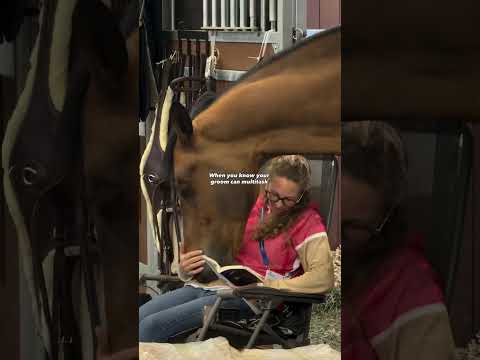
  • I know you can do both
    Stay up to date with the Longines Global Champions Tour across all our social channels for the latest highlights, ...
    0 Kommentare 0 Anteile 195 Ansichten