• WWW.JUSTHORSERIDERS.CO.UK
    Storm Darragh: Stable Early, Secure Yards, Postpone Travel
    9 min read Last updated: January 2026 Unsure how to protect your horses as Storm Darraghstyle 70mph gusts, saturated fields, and bridge closures turn turnout and travel risky? This warm, nopanic guide shows when to stable early, secure shelters and fencing 2448 hours ahead of Amber/Yellow peaks, and postpone transportso your horses stay safe and your yard bounces back quickly. Quick Summary Short on time? Here are the key takeaways. Area: Storm Turnout Decisions What To Do: Stable horses during Amber/Yellow wind warnings and any forecast gusts near 70mph; provide forage, water, and calm routines. Why It Matters: It reduces risk from flying debris, fence failures, and slips on saturated ground. Common Mistake: Turning out for a leg stretch when fencing, footing, and trees are unsafe. Area: Shelter & Fencing Anchors What To Do: Groundanchor freestanding shelters, tighten fixings, face openings leeward, and clear loose items; keep an electricfence repair kit ready. Why It Matters: Proper anchoring prevents projectiles and keeps boundaries stockproof. Common Mistake: Relying on shelter weight alone or checking anchors only after damage. Area: Amber/Yellow Prep What To Do: Act 2448 hours aheadsecure structures, elevate feed/bedding, clear drains/gutters, and set a staffing buddy system. Why It Matters: Early action avoids access issues, outages, and lastminute risks. Common Mistake: Waiting for the warning to upgrade before starting preparations. Area: Power & Supplies Readiness What To Do: Fuel the generator, charge power banks, stage torches and headcollars by each box, and prefill extra haynets and water. Why It Matters: It minimises time outdoors during peak winds and keeps essentials running in outages. Common Mistake: Hunting for kit in the dark or relying on a flat torch/empty jerry can. Area: Safe Transport Choices What To Do: Postpone travel when winds are high or bridges close; if caught out, exit early to a leeward safe area, park nosetowind, handbrake on, wheels chocked. Why It Matters: Crosswinds can destabilise horseboxes and trailers, endangering horses and drivers. Common Mistake: Pressing on to meet appointments despite closures or insurer limits. Area: Cleanup PPE & Process What To Do: Pause nonessential riding; wear hivis, helmets, sturdy boots, gloves, and eye/ear protection; start from the yard outward and cordon hazards. Why It Matters: Windblown timber and sheet metal can injure unprotected teams. Common Mistake: Cutting or moving timber under tension without training or PPE. Area: Boundary & Damage Checks What To Do: Walk all boundaries once winds drop, photograph damage for insurance, then make safe with temporary fencing and clear signage. Why It Matters: Documented, rapid fixes prevent escapes and speed claims. Common Mistake: Moving debris before taking photos or leaving gaps unfenced. Area: Poststorm Horse Care What To Do: Check horses nosetotail, pick out feet, dry legs, groom out grit, and reintroduce turnout gradually once fencing and footing are safe. Why It Matters: Early detection of knocks and strains prevents complications and stress. Common Mistake: Turning out immediately on soft, debrisstrewn ground. In This Guide What Storm Darragh taught UK horse owners Should you turn out in 70mph winds? How to storm-proof field shelters and fencing What to do when the Met Office issues Amber or Yellow warnings Keeping riders and yard teams safe during the clearup Managing transport and livery movements in storms Poststorm health checks and recovery Storm Darragh hit the UK with gusts up to 70mph, closing major bridges, abandoning racing at Aintree and Chepstow, and leaving yards and sanctuaries counting the cost. It was a wake-up call: in hours, saturated fields, flying debris, and power outages can turn routine turnout and travel into a serious risk.Key takeaway: In UK storms like Darragh, stable horses early, secure shelters and fencing before the wind peaks, postpone transport, and plan a structured, safe cleanup once warnings ease.What Storm Darragh taught UK horse ownersStorm Darragh proved that 70mph gusts, waterlogged ground, and debris can shut down turnout and travel overnight, so yards must act ahead of the peak to protect horses and people. The storm, named by the Met Office on 5 December 2024, brought widespread disruption, including abandoned fixtures at Aintree and Chepstow and closures of the Severn crossings, with equine charities and farms reporting significant damage.The Mare and Foal Sanctuary reported 10,000 in damage across four sites after shelters were uprooted and blown over fences, and trees blocked essential access routes. Their experience underlines how quickly a loose structure can become a projectile when gusts hit 6070mph. In Wales, windblow was described as a oncein20to30year event, flattening trees across some 340 hectares in Carmarthenshire alone (around 480 football pitches) and up to 900 hectares on the Welsh Government Woodland Estate, closing bridleways and delaying boundary repairs. Racing abandoned at Aintree and Chepstow shows how even elite venues pause activity when crosswinds and surface conditions are unsafe.Equine welfare isnt just about cuddling ponies; its about preparing for natures curveballs. As the climate crisis brews fiercer storms, sanctuaries face increased vulnerability. Mare and Foal Sanctuary (source)Should you turn out in 70mph winds?Nokeep horses in during Amber/Yellow wind warnings and any forecast gusts approaching 70mph, especially on saturated ground. Turnout becomes unsafe when fences may fail, debris is airborne, trees or branches can fall, and underfoot conditions increase the chance of slips and softtissue injuries.Experienced owners across the UK locked down yards during Darragh for exactly these reasons: sodden fields, unstable fencing, and debris in the wind. One owner summarised it perfectly:Storm Darragh will be hitting much of the UK We have had heavy rain and high winds since yesterday and are expected to have gales nearing 70mph on Saturday I will be closing the horses on the yard tomorrow for their safety. The fields are saturated, so they're not inclined to go out anyway. Miss_Millie (Horse & Hound forum)Bring horses into secure stables or a sheltered yard, provide constant forage and water, and keep routines calm and predictable. If the temperature dips with the windchill, fit appropriately weighted, breathable rugsmany yards rely on warm, breathable stable rugs when horses are in for 2448 hours.Quick tip: Fill extra haynets and water buckets before the worst of the weather to minimise time outdoors when the gusts peak.How to storm-proof field shelters and fencingAnchor freestanding shelters to the ground and check every fixing, bolt, and bracket before storms; after the wind drops, walk every boundary and repair or isolate damage immediately. In Darragh, shelters were literally lifted and blown over fencesproof that even heavy timber builds need proper anchoring.Before high winds:Fit ground anchors and tiedowns rated for galeforce winds; inspect skids and anchoring plates for rot, rust, or loose bolts.Orient openings away from the prevailing wind and remove or secure doors, gutters, and loose roof sheets that can catch gusts.Clear the fetch into the windmove jumps, bins, barrels, and empty water troughs that can scoot across fields.Check electric fencing strainer posts, insulators, and energiser earths; keep a repair kit (tape, connectors, reels, spare posts) ready and isolate power before working.After the storm, prioritise boundary lines and any areas where trees or limbs have come down. In forestedged or rural Welsh areas, clearance may be delayed until professionals can safely process windblown timber; keep temporary pens or internal tape lanes handy and signpost hazards.Pro tip: Photograph damage for insurance before moving anything, then make safe with visible temporary fencing and hazard tape until permanent repairs are possible.What to do when the Met Office issues Amber or Yellow warningsAct 2448 hours ahead: secure structures, move feed and bedding off the floor, reorganise turnout and staffing, and postpone nonessential travel before the peak gusts arrive. NFU Mutual urged farmers and livestock owners to prepare early for Darraghs Amber and Yellow warnings covering wind, rain, and snow, which is exactly the window to get ahead of outages and access issues.When warnings are issued (NFU Mutual via Farmers Guardian):Elevate hay, feed, and bedding above possible flood level; cover with tarps and secure ties.Check drains, gutters, and water collection points so runoff clears before heavy rain arrives.Fuel the generator, charge power banks, and position torches and headcollars by each stable door.Assign a buddy system for muckingout and checks so no one works alone in peak winds.Confirm your stabling plan, including a box for any medically vulnerable horse; stock firstaid supplies and spare headcollars/lead ropes.Decide on rug weights early; for wet, windy snaps following rain, many horses are most comfortable in winter turnout rugs that combine waterproofing with breathable insulation.Quick tip: Put emergency contacts (vet, farrier, local authority highways/forestry) on a laminated card at the yard entrance; when signal drops, youll still have numbers to hand.Keeping riders and yard teams safe during the clearupPause nonessential riding and insist on PPEhivis, helmets, sturdy bootswhen assessing damage, because hidden tensions in windblown trees and corrugated sheets can be lethal. If elite meetings like Aintree and Chepstow are abandoned for safety, our leisure rides and lessons can wait too.Use the racing precedent as your yard rule: when crosswinds and underfoot conditions are unsafe, activity stops. Expect bridleway closures where windblow has compromised trails; never cut or move timber under tension without professional training. Mark hazards visibly, cordon off compromised areas, and report issues on public rights of way to your local council or Natural Resources Wales if youre in affected regions.For the clearup, kit up your team properly. Highvisibility outerwear keeps you seen by vehicles and plant on lanes and in yardsour hivis for riders pairs well with certified riding helmets and supportive, grippy riding boots for slick conditions. Gloves, safety glasses, and hearing protection are essential if using power tools (by trained users only). Keep horses away from the work area and confine dogs.Pro tip: Start cleanup from the yard outward so emergency access stays clear; stack debris leeward and strap loads so nothing lifts back into the wind.Managing transport and livery movements in stormsCancel or postpone horse transport when high winds close bridges or exceed your vehicle, trailer, or insurers limits, and only rebook once warnings lift. Darragh shut the Severn crossings, and crosswinds on elevated routes can destabilise even wellloaded trailers and boxes.Check live updates for strategic roads and bridges well before loading. If youre midjourney as warnings upgrade, take the earliest safe exit and shelter in a leeward, offroad area. Park facing into the wind, apply the handbrake, chock wheels, and keep horses onboard only as long as its safer than unloading; then secure to a sheltered building and wait it out.For planned moves, choose routes with fewer exposed spans, add time for debris checks, and ensure partitions, breast bars, and rubber matting are in top condition. Keep passports and a stocked transport kit readybut be prepared not to travel. Communicate early with venues, vets, and liveries so everyone can reschedule safely.Poststorm health checks and recoveryAfter the storm passes, check every horse nosetotail, pick out feet, and monitor closely for cuts, strains, and stress while you repair facilities and plan for any longerterm clearance. High winds push grit and twigs into coats and tails, and wetthencold swings can leave feet soft and bruiseprone.Work methodically:Inspect limbs, eyes, and muzzles for abrasions or embedded debris; coldhose minor knocks and monitor swelling.Pick out hooves and check frogs and soles for bruises; dry legs thoroughly before fitting protection such as horse boots and bandages.Groom to lift grit and shed loose hair; a set of grooming essentials near the stable block speeds recovery and skin health.Reintroduce turnout gradually once fencing is secure and surfaces have drained; start with small, supervised pens if needed.Walk all fields and tracks for nails, glass, wire, and unstable branches; fence off any undermined gateways or ditches.Expect forestry and bridleway clearance to take months in heavily hit areas; in parts of Wales, largescale windblow can take up to three years to fully process, so build alternative routes into your hacking plans.Quick tip: Keep a simple diary of any poststorm stiffness or behaviour changes; patterns help your vet or physio spot issues early if something lingers.At Just Horse Riders, we recommend keeping a small storm kit by the tack room doorheadcollars, lead ropes, torch, power bank, basic first aid, spare rug linersso you never hunt for essentials when the wind is howling.FAQsThe short answers below reflect best practice from Darraghs impact across the UK.What damage did Storm Darragh cause to UK horse facilities?It caused 10,000 in damages at the Mare and Foal Sanctuary (uprooted field shelters, fallen trees) and widespread yard disruption from blown debris and failed fencing, with major travel and bridleway closures.Should I turn out horses during UK storms like Darragh?No. With 70mph gusts, saturated fields, and debris risk, keep horses stabled or in a secure yard until warnings lift and youve checked fences and footing.How do I prepare fields and shelters for high winds?Anchor shelters to the ground, check all fixings and roof sheets, clear loose items, and stock electric fencing repair kits. After the storm, walk boundaries and make safe before turnout.What Met Office warnings were issued for Darragh, and what should I do?Amber and Yellow warnings for wind, rain, and snow were issued. Act early: elevate feed, secure structures, adjust rugging, and postpone transport before the peak.Are bridleways safe after storms in Wales/UK?Often not immediately. Largescale windblow closed many routes; check local authority or NRW notices and avoid trails with unstable timber until professionals declare them safe.How long will storm recovery take for yards and forests?Yard cleanups can take days to weeks, but in heavily affected Welsh forestry, full clearance of windblown areas may take up to three years, so plan hacking and access accordingly.What PPE should I use for storm cleanup?Wear hivis, a certified helmet, sturdy boots with grip, gloves, and eye protection. Only trained users should operate chainsaws or heavy tools; keep horses and pets away from the work zone.Finally, remember the example set by professional sport: when safety is in doubt, press pause. Secure the yard, keep horses calm and warm with the right rugs, protect your team with visible, protective kit, and return to normal only when wind and footing say its safe. Our team is here to help you choose the right gearfrom winter turnout rugs and stable rugs to hivis, helmets, boots, leg protection, and grooming essentialsso youre ready before the next weather warning lands. Shop the Essentials Everything mentioned in this guide, ready to browse. Shop Turnout RugsShop Stable RugsShop Hi-Vis GearShop Riding HelmetsShop Riding Boots
    0 Reacties 0 aandelen 162 Views
  • THEHORSE.COM
    When We Cant Cure Equine Gastric Ulcers
    Even with the best veterinary care, some horsesdontfully respond to standard ulcer treatments. In these cases, veterinarians might focus onmanaging the horses comfort and quality of life. In this video, Dr. Ben Sykes, a leading authority in equine gastric ulcer syndrome, explains how veterinarians work with horse owners to managethesechallenging cases.Sponsored by Kelato.Related Content:Equine Gastric UlcersYour Questions AnsweredUnderstanding Squamous Ulcers vs. Glandular Ulcers in HorsesSigns of Gastric Discomfort in HorsesPreventing Glandular Gastric Disease in HorsesDiagnosing and Treating Gastric Ulcers in Horses
    0 Reacties 0 aandelen 162 Views
  • Shanghai Swans - GCL Mexico City Winners 2025
    Throwback to GCL Day of Mexico 2025, where team Shanghai Swans topped the podium.
    0 Reacties 0 aandelen 173 Views
  • WWW.JUSTHORSERIDERS.CO.UK
    UK Horse Stable Size: BHS Minimums, Bedding & Ventilation
    11 min read Last updated: January 2026 Struggling to choose a UK stable size that lets your horse turn, lie out, and breathe wellespecially through wet winters? This guide gives clear BHS minimums, bedding layouts and ventilation tips, including why 12ft x 12ft suits horses up to 17hh, so you can set a safe, welfare-first box that cuts stress and coughs. Quick Summary Short on time? Here are the key takeaways. Area: Stable Size Minimums What To Do: Use 12x12ft (up to 17hh), 12x14ft (17hh+), 10x12ft (large ponies), 10x10ft (ponies). Mark out the footprint and check your horse can turn, lie out and rise freely. Why It Matters: Meets BHS/DEFRA welfare standards and prevents stress and injury. Common Mistake: Housing a big horse in a belowminimum box or treating minima as optional. Area: Upsize Triggers What To Do: Go bigger for 17hh+, fulltime stabling, box rest, or shared barns (aim for double area per horse). Size up if you see scuffing, banks dragged in, or tight turns. Why It Matters: Extra space lowers stiffness, stocking up and stress behaviours. Common Mistake: Waiting for stereotypies to appear before increasing space. Area: Headroom & Ventilation What To Do: Maintain 6090cm clear above ears; use top doors/grilles for airflow without draughts; check ammonia by smell daily. Why It Matters: Protects respiratory health in damp UK winters. Common Mistake: Shutting stables tight in cold weather, causing stale, irritant air. Area: Bedding Layout What To Do: Use deep, dustextracted bedding with Lshaped or corner banks; keep the centre clear; add rubber mats; remove wet and droppings daily. Why It Matters: Enables safe lying/rising and preserves turning space. Common Mistake: Overbanking so the usable centre falls below minimums. Area: Flooring & Drainage What To Do: Provide a nonslip surface with a 1:80 fall to drain; fit rubber mats and keep drainage channels clear. Why It Matters: Reduces slips, bedding use and ammonia buildup. Common Mistake: Flat, slippery floors that trap urine and make turns unsafe. Area: Doors & Passageways What To Do: Fit outwardopening doors with rounded fixtures; keep aisles wide and uncluttered; add safe topdoor mesh where space is tight. Why It Matters: Improves handling safety and supports airflow. Common Mistake: Cluttering aisles with storage and blocking air inlets. Area: Behaviour Red Flags What To Do: Watch for pacing, weaving, wall scrapes, awkward lying/rolling or door resentment; increase space, add social contact, and improve air/bedding layout. Why It Matters: Early fixes prevent entrenched stereotypies and welfare breaches. Common Mistake: Labeling stress behaviours as naughtiness instead of changing the setup. Area: Winter Management What To Do: Choose largerthanminimum boxes, keep top doors/grilles open when safe, use deep lowdust bedding, and prioritise turnout or inhand exercise. Why It Matters: Offsets reduced turnout and keeps horses comfortable and mobile. Common Mistake: Overrugging or cutting exercise instead of improving air and movement. In This Guide What size stable does a horse need in the UK? When should you go bigger than the minimum? Stalls vs full boxes: what is acceptable on UK livery yards? How to lay out bedding in a small stable Ventilation, doors and passageways: the nonnegotiables Spot the red flags: signs your stable is too small Winter in the UK: managing horses on more stable time Make your existing stable work: a quick checklist Your horse spends a big part of life in the stable especially through a wet UK winter so the size, layout and air quality directly affect welfare, behaviour and health. Get the dimensions right, then finetune bedding and ventilation to give your horse space to turn, lie down, and breathe easy.Key takeaway: In the UK, a 12ft x 12ft (3.65m x 3.65m) box is the British Horse Society (BHS) minimum for horses up to 17hh. Go bigger for 17hh+, fulltime stabling, box rest, or shared barns, and always maintain 6090cm (23ft) of head clearance for ventilation.What size stable does a horse need in the UK?The UK minimum for horses up to 17hh is 12ft x 12ft (3.65m x 3.65m), set by the British Horse Society to allow turning, lying down and getting up comfortably. Larger horses (17hh+) need at least 12ft x 14ft (3.65m x 4.25m); large ponies (13.2hh+) need 10ft x 12ft (3.05m x 3.65m); and ponies need 10ft x 10ft (3.05m x 3.05m).These are welfare baselines, not nice to haves. Under the Animal Welfare Act 2006 and DEFRA licensing guidance, boxes below the BHS minima can breach welfare standards. A 9ft x 10ft box, for example, is below minimum for a 16.2hh and risks enforcement action at a livery yard.As a minimum, stables must be big enough to allow your horse to turn around and lie down and get up comfortably. All passageways should provide sufficient room to enable horses to be led safely past others. British Horse Society (BHS)Stable height matters too. UK guidance recommends 6090cm (23ft) of clear space above the horses ears in a normal standing position. That headroom is essential for ventilation and comfort, especially for larger horses and those who like to stretch to look over the door.DEFRAs licensing guidance adds a practical test thats easy to apply:In stables, each horse must have enough room to lie down in a normal resting posture, stand with the head fully raised, walk forward and turn around with ease. UK Government/DEFRA guidanceQuick tip: Mark out 3.65m x 3.65m on your yard with poles or tape, walk your horse through a turn on a circle inside it, then simulate lying down/rolling space with your bedding banks. If youre tight on any of these movements, size up or rearrange.When should you go bigger than the minimum?Go larger than the BHS minimum for 17hh+ horses, fulltime stabling in winter, box rest, or shared barns where two times the single-box area is recommended per horse. More space reduces stiffness, stocking up, and stress behaviours.UK data show stereotypies like weaving and cribbiting occur in up to 32.5% of stabled horses strongly associated with restricted movement and isolation. Just 3% of UK horses have no visual or physical contact with others, but theyre at higher risk of stress behaviours. If turnout is limited by rain and short days, extra floor space helps horses change posture, lie out fully, and turn without scraping banks.In shared American-style barns, double the area per horse helps movement and reduces bullying. If you must stable for prolonged periods (e.g., winter box rest), choose larger-than-minimum boxes and monitor closely for pacing, door resentment, awkward lying or rolling, and displaced bedding banks.Pro tip: If your horse fills a 12x12 visually and you see scuff marks around the walls, its a welfare clue. Size up to 12x14 (or more) and add social contact (grilles or a window) to lower stress.Stalls vs full boxes: what is acceptable on UK livery yards?Stalls (three-sided bays) must allow the horse to lie down but not turn; full boxes must allow turning as well as lying, standing with head raised, and walking forward. Both must meet DEFRA ventilation and bedding standards to be licensed.Traditional stalls can work for brief periods, but they demand careful management. Horses must be able to back out with ease and have secure, nonslip footing. Full boxes remain the standard for welfare they offer turning, better rest, and safer handling for most horses. If a yard proposes stalls, ask how they meet ventilation, bedding depth, and supervised exercise/turnout requirements to offset movement restriction.How to lay out bedding in a small stableUse deep, dustextracted bedding with Lshaped or corner banks to protect hips and leave a clear central area for turning and lying straight. Support underfoot with nonslip rubber matting and a floor that drains at a 1:80 fall.An Lshaped or corner bed keeps the centre open, reducing scraping and making mucking out quicker. Banks should be high and firm enough to prevent casting against walls but not so bulky that they shrink the usable centre below BHS minima. Bedding must be lowdust and deep enough to encourage horses to lie down and get up without slipping.Your bedding choice must provide support for your horses hooves while standing and for the whole body when lying down and allows the horse to lie down and get up safely without slipping. British Horse SocietyShavings are typically more absorbent for smaller spaces; straw encourages longer liedowns but some horses overeat it and it can be dustier. Whatever you choose, extract dust and manage ammonia with daily wet removal. A wellsealed, grippy floor plus rubber mats reduces bedding volumes and injuries on tight turns.Quick tip: If your horse drags banks into the middle overnight, the centre is too tight. Increase the footprint, trim banks slightly, or resite feed/water to widen the turning arc.Ventilation, doors and passageways: the nonnegotiablesProvide 6090cm (23ft) of clear headroom above ears, top doors or grilles for airflow without direct draughts, and outwardopening doors with safe, wide passageways. Check ventilation and bedding daily to keep ammonia low.UK winters are damp and still the perfect recipe for coughs if you close stables up tight. The goal is fresh air movement at eaves level, not cold draughts on the horses back. Fit top doors or stable grilles to increase air exchange, keep gutters clear, and avoid blocking inlets with hay storage. Passageways must be wide enough to lead past others safely, and all doors should open outwards with rounded fixtures to prevent knocks.At Just Horse Riders, we recommend pairing airflow improvements with lowdust bedding and consistent mucking out to control ammonia, which irritates airways. Daily remove droppings, lift wet, and rotate banks to dry; in cold snaps, open top doors during daytime and close at night if needed to avoid direct draughts.Horses and ponies who are stabled should have plenty of space to move around comfortably; plus, they should be able to lie down and turn without brushing against stable walls. Animal FriendsHelpful additions include antiweave grilles or stable mirrors to reduce fretfulness, and safe topdoor mesh to improve airflow without inviting a head over the door on narrow aisles.Spot the red flags: signs your stable is too smallPacing, weaving, awkward lying or rolling, scraping walls, displaced bedding banks, or resentment at the door are clear signs the box is undersized or underenriched. Act promptly to protect welfare under the Animal Welfare Act 2006.Stereotypies like weaving and cribbiting are strongly linked to restricted movement and social isolation. If you see repeated marks at hock or hip height, manure splatter showing interrupted rolling, or banks kicked into the centre, your horse is telling you space or layout needs attention. Increase stable size, add visual contact via grilles, improve air quality and bedding support, and maximise turnout and handwalking where possible.Supportive addons can help while you change the setup. For horses that stock up on longer stable time, consider gentle movement and leg protection during exercise with support boots and stable bandages. For anxious types, review routine and forage first, then consider targeted calming and joint supplements as part of a wider welfare plan.Winter in the UK: managing horses on more stable timeIn wet UK winters, choose larger boxes than the minimum, use deep, absorbent, dustextracted bedding, and prioritise ventilation and regular turnout or exercise to mimic natural movement. Protect warmth with rugs suited to conditions, not stable size.Winter brings rain, mud and short daylight, often cutting turnout. Counter this by maximising instable comfort: deep corner banks, rubber matting, and clean air. Keep horses moving with inhand walks, ridden hacks in daylight, or arena sessions. For outdoor sessions, stay safe and visible with hivis for dark evenings and a wellfitted riding helmet.Match rugs to weather and metabolism, not the size of the box. For field time in cold, wet spells, browse our winter turnout rugs; for stabled hours, switch to breathable stable rugs that avoid overheating while keeping muscles warm. Many of our customers trust WeatherBeeta rugs for reliable insulation through changeable weather.Quick tip: A daily fiveminute leg check and a brisk brush with a good daily grooming kit helps you spot stocking up, rubs or damp patches early common side effects of more stable time.Make your existing stable work: a quick checklistHit the BHS size minima, ensure 1:80 floor drainage and nonslip footing, use deep dustextracted bedding with clear central space, and maintain draughtfree ventilation with 6090cm headroom. Then finetune based on your horses behaviour.Space and height: 12x12ft for horses up to 17hh; 12x14ft for 17hh+; 10x12ft for large ponies; 10x10ft for ponies. Keep 6090cm above ears for airflow.Flooring: Nonslip surface with a 1:80 drainage fall; rubber mats reduce slips and bedding use.Bedding layout: Lshaped/corner banks for hip protection; deep, lowdust material; remove droppings and wet daily to limit ammonia.Ventilation: Top doors/grilles open when safe; no direct draughts on the back; clean gutters and air inlets.Doors and aisles: Outwardopening doors, rounded fixtures; passageways wide enough to lead past other horses safely.Behaviour watchlist: Pacing, weaving, awkward lying/rolling, scraped walls, or bank displacement upgrade space or layout immediately.Routine: Maximise turnout/exercise; use visible, safe gear for hacks (hivis clothing) and keep horses comfortable with the right stable rugs or turnout rugs.Extras: For those prone to filling or knocks, fit appropriate boots and bandages; check ranges from brands like Shires for reliable yard staples.Pro tip: If your horse is on box rest, set a timer to assess air quality twice daily. If ammonia stings the nose or your eyes water when you enter, the ventilation and mucking-out schedule need upgrading immediately.Conclusion: make space your welfare foundationStable size isnt a luxury its the foundation for comfort, behaviour and respiratory health. Start with the BHS minimums, then choose bigger for larger horses or longer stabling, lay bedding to keep the centre clear, and keep air fresh without chilling. If your horse tells you the box isnt working by pacing, scraping or struggling to lie out act fast. Our team is here to help you match stable management with the right gear, from turnout rugs and stable rugs to grooming essentials and support boots and bandages.FAQsIs a small corner bed enough space for my horse in a 12x12ft?Yes if the central area still allows your horse to turn freely, lie down fully, and stand with the head raised, as required by BHS and DEFRA guidance. If you see weaving, resentment at the door, or banks dragged into the centre, the layout or box size needs upgrading. For UK horses on more winter stable time, largerthanminimum boxes are kinder.What are the signs my stable is too small for welfare?Red flags include pacing, weaving, awkward or reluctant lying/rolling, scuff marks and scrapes on walls, and bedding banks displaced into the centre. These behaviours align with research linking restricted movement to stereotypies in up to 32.5% of stabled horses. Increase space, improve social contact and airflow, and maximise turnout.Can I use stalls instead of full boxes at a UK livery yard?Stalls must allow the horse to lie down but not turn; full boxes must allow turning, lying, standing with head raised, and walking forward. Licensed premises must meet DEFRA requirements for ventilation and bedding depth. Full boxes are generally preferred for welfare and handling safety.What is the minimum height clearance in UK stables?Provide 6090cm (23ft) of clear space above your horses ears in a normal standing position. This headroom improves ventilation and comfort, especially for larger horses and those who raise the head to look out.How does winter stabling affect horses in the UK?More stable time in wet, dark months increases risks of stiffness, stocking up and stress behaviours. Use deep, lowdust bedding, keep air moving without draughts, and prioritise turnout or handwalking. For outdoor exercise, add hivis gear and a safe riding helmet.Does bedding type change how much space my horse has?Indirectly, yes. Bulky banks can eat into the turning area if the box is marginal. Shavings absorb better in small boxes, while straw can encourage longer lying but may be dustier and tempting to eat. Whatever you choose, keep the centre clear and deep enough for safe lying and rising, and remove wet daily to control ammonia.What floor and drainage spec should I aim for?A nonslip surface with a 1:80 fall to drain, ideally topped with rubber mats and deep, dustextracted bedding. This combination reduces slips, bedding use and ammonia, and helps keep the central area stable and dry for lying out. Shop the Essentials Everything mentioned in this guide, ready to browse. Shop Turnout RugsShop Stable RugsShop Boots & BandagesShop Grooming KitShop Supplements
    0 Reacties 0 aandelen 166 Views
  • Equine Care Group and Salado Equine Medical Center Join Forces, Marking ECGs Expansion Into the U.S.
    Equine Care Group (ECG) and Salado Equine Medical Center (SEMC) are proud to announce a long-term strategic partnership, marking ECGs expansion into the U.S. and an important milestone in its international growth.This partnership brings together leading equine teams, united by a shared ambition to advance equine healthcare and continuously raise the standards of veterinary medicine worldwide. By combining complementary expertise across continents, ECG and SEMC create a powerful transatlantic platform that accelerates the exchange of knowledge, innovation, and advanced clinical practices.Together, they aim to unite top equine professionals, strengthen collaboration, and drive meaningful impact across the equine healthcare industry. Guided by science, driven by excellence, and led by veterinarians, this partnership will contribute to scientific progress and further improve equine welfare on a global scale.Dr. Tom Marin, cofounder and CEO of Equine Care Group: We are incredibly proud to welcome Dr. Whitaker and Dr. Janicek as our first partners in the United States. This marks a defining milestone for Equine Care Group and an important step in our long-term vision to build a truly global, veterinarian-led network. We strongly believe the U.S. market is ready for a model that prioritizes collaboration, reinforces medical leadership, and keeps veterinarians at the center. This approach can elevate the profession, enhance quality of care, and drive meaningful progress across the equine healthcare sector. This first partnership is therefore particularly meaningful. Salado Equine Medical Center will always hold a special place within our Group as the starting point of our journey in the United States.Dr. Beau Whitaker & Dr. John Janicek, Salado Equine Medical Center: From the very first discussions, it was clear that Equine Care Group shares our values and our vision for the future of equine medicine.This partnership creates a unique opportunity to combine strong local excellence with global collaboration. It will not change who we areit will strengthen what we have built, while giving us access to a broader international network of expertise, innovation, and shared knowledge. Importantly, it is built on a long-term partnership model that preserves our identity and clinical autonomy.Equine Care Group brings together like-minded veterinarians who are committed to continuous learning and advancing the profession. That alignment made this a natural fit.By joining ECG, we will further enhance our ability to manage complex cases, expand international knowledge exchange, and continue pushing the boundaries of equine healthcare.Most importantly, our commitment remains unchangedto our clients, our referring veterinarians, our team, and the next generation of equine veterinarians. We will continue to operate with the same values, culture, and dedication, now strengthened by a global community of leading professionals.A VETERINARIAN-LED MODEL: A DIFFERENT APPROACH FOR THE U.S. MARKETEquine Care Group is built on a fundamentally different philosophy: a veterinarian-led model, created by veterinarians, for veterinarians.In a landscape where parts of the veterinary sector have become increasingly corporate-driven often prioritising financial performance and operational standardisation ECG represents an alternative approach. One where medical leadership remains in the hands of clinicians, and where decisions are guided first and foremost by quality of care, long-term vision, and professional integrity.Equine care groups model is different: it is built on partnership, not acquisition. On collaboration, not control. On strengthening existing teams, not replacing them.For Salado Equine Medical Center, this means gaining access to a global network of expertise, innovation, and shared knowledge while fully preserving its identity, culture, and clinical autonomy.For the broader U.S. market, it introduces a model that reinforces the role of veterinarians, supports the next generation, and creates an environment where excellence is driven from within the profession itself.This is not a consolidation strategy.It is a long-term commitment to the future of equine medicine.
    0 Reacties 0 aandelen 161 Views
  • THEHORSE.COM
    Strangles Case Confirmed at Private Wisconsin Facility
    On April 10, one horse at a private facility in Dane County, Wisconsin, tested positive for strangles. The horse is quarantined.EDCC Health Watch is an Equine Network marketing program that utilizes information from the Equine Disease Communication Center (EDCC) to create and disseminate verified equine disease reports. TheEDCCis an independent nonprofit organization that is supported by industry donations in order to provide open access to infectious disease information.About StranglesStranglesin horses is an infection caused byStreptococcus equisubspeciesequiand spread through direct contact with other equids or contaminated surfaces. Horses that arent showing clinical signs can harbor and spread the bacteria, and recovered horses remain contagious for at least six weeks, with the potential to cause outbreaks long-term.Infected horses can exhibit a variety of clinical signs:FeverSwollen and/or abscessed lymph nodesNasal dischargeCoughing or wheezingMuscle swellingDifficulty swallowingVeterinarians diagnose horses using polymerase chain reaction (PCR) testing with either a nasal swab, wash, or an abscess sample, and they treat most cases based on clinical signs, implementing antibiotics for severe cases. Overuse of antibiotics can prevent an infected horse from developing immunity. Most horses make a full recovery in three to four weeks.A vaccine is available but not always effective. Biosecurity measures of quarantining new horses at a facility and maintaining high standards of hygiene and disinfecting surfaces can helplower the risk of outbreakorcontain one when it occurs.
    0 Reacties 0 aandelen 162 Views
  • Katrin Eckermann WINS
    Katrin Eckermann takes her LGCT Grand Prix win at Miami Beach Catch up on all LGCT events and access exclusive content ...
    0 Reacties 0 aandelen 178 Views
  • WWW.HORSEILLUSTRATED.COM
    A Recap of Equine Affaire Ohio 2026
    Every year, horse enthusiasts flock to Columbus, Ohio, to get fully immersed in the magic of Equine Affaire a name synonymous with community, education, and celebration. Horse Illustrated had a wonderful time in Ohio getting to attend the event, so let me take you through our experience!First, let me introduce myself. My name is Liz Galletta, and Ive been a member of the Horse Illustrated team since 2024. This is my second time attending Equine Affaire and every year it seems to get better! I want to take you with as I experience the event this year.Our western brand, Western Life Today, is the sponsor of Cowtown in Cooper, so our booth was the highlight of the Western Life Today Alleyway. We had seven wonderful booth sponsors, including PetKORE, Stud Muffins, AnimaSol, Chewy Equine, Boomerang Rubber, Sentinel, and Parelli Natural Horsemanship.Our booth at Equine Affaire Ohio 2026. Photo by Madison Wintrich/MW Creative & PhotographyParelli set up at one end of our booth, and we were so thrilled to have them with us this year. 2026 was the start of a new partnership with Parelli, in which Pat and his team write a training column in each Horse Illustrated issue and select Young Rider issues. Not only were the Parelli team members so amazing to hang out with, but the energy and excitement that Pat Parelli brings wherever he goes is unlike anything Ive ever seen before. He draws crowds and captivates his audience so effortlessly its no wonder how hes developed such a large fanbase. He did daily giveaways at 4 p.m. at our booth, and every single day he drew a large crowd.Equine Affaire Ohio 2026: Day 1Day 1 of Equine Affaire was filled with the excitement and anticipation of what was to come. We saw hundreds of people come through our booth in the Bricker Building, and we had the chance to see seminars and demos from some of our favorites, including Pat Parelli and Sam and Kellie Rettinger of Whispery Pines Percherons. I also got talked into riding a mechanical bull check out how that went below!Equine Affaire Ohio 2026: Day 2Friday was the first day Cooper in Cowtown was open, so we got to watch things get western during clinics by Mike Bednarek, Zoe Woodland, and Joe Sansone. My favorite part, of course, was the adorable young cows being used in these clinics. We also got to see additional clinics in other rings by Horse Illustrated Webinar guests Dan James, Jason Irwin, and of course our friend Pat Parelli. Friday also brought about the Versatile Horse & Rider Competition, which is the ultimate test of horsemanship and training. Riders and their horses must race through a timed obstacle course, created to test horsemanship skills and athleticism. Though, timing is not the only criteria, and points are awarded for a positive horse attitude, overall performance, and more. After a close competition, Brenda Hanson and Ace reigned victorious and took home the first-place prize.I also had the privilege of being able to Drive A Draft with Kellie Rettinger, which was an incredible experience that I am sure to never forget. Check out that experience below.Equine Affaire Ohio 2026: Day 3Day 3 was an incredibly busy day all around, but we made sure to watch some clinics as well as swing by some of our partners booths, including Equi-Analytical, KENT, Wild Animal Sanctuary, Farriers Magic, GG Equine, Tyler Shupe Leather, and the ASPCA Right Horse Adoption barn (spoiler alert by Sunday evening, all but two horses had been adopted!)After watching more presenters (including our friends Bronwyn Irwin and Reese Koffler-Stanfield), we got to watch the hilarious Cowboy Challenge, emceed by the one and only Hayden Kristal. This on-foot challenge had competitors complete a series of farm-related tasks, including moving hay, setting up jumps, and scooping grain, to see who would be crowned the ultimate cowboy. This was insanely entertaining and, in our eyes, everyone was a winner for being brave enough to tackle those tasks in front of an audience.Saturday was also the biggest day for Parellis giveaway, and we easily had over 100 people flooding our booth to get a chance to win big!Equine Affaire Ohio 2026: Day 4Sunday was a bittersweet ending to a wonderful weekend. My favorite part of the day was taking advantage of the sales the shopping booths were putting on the whole Horse Illustrated crew brought home solid clothing hauls for an incredible deal.Another touching outcome of this weekend came from Boomerang Rubber they graciously provided the flooring for our booth (which saved our backs from hours of standing on straight concrete) and at the end of the weekend, donated the mats to two different ASPCA Right Horse partners. We could not be more thankful for Bobby and his team, andwereglad they could make a difference in the lives of adoptable horses through their donation.Over the course of Equine Affaire, we got to meet thousands of amazing people, introduce dozens of new readers to Horse Illustrated, and celebrate our 50thAnniversary with readers who have been with us for years.If you attended Equine Affaire this year, wewereso glad to get tomeetyou and get to know you.If you didnt attend, I hope you consider stopping by next year so you can experience the magic of this event.This article about Equine Affaire Ohio 2026 is a web exclusive Horse Illustratedmagazine.Click here to subscribe!The post A Recap of Equine Affaire Ohio 2026 appeared first on Horse Illustrated Magazine.
    0 Reacties 0 aandelen 191 Views
  • Sophie Hinners Winning at Miami Beach
    Sophie and Iron Dames Combella win at Miami Beach 2026 Catch up on all LGCT events and access exclusive content on ...
    0 Reacties 0 aandelen 211 Views
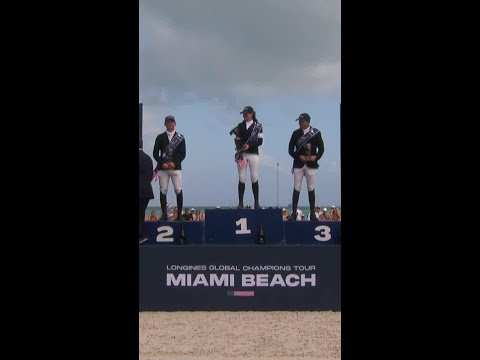
  • LGCT Miami Beach Grand Prix - Podium
    1st - Katrin Eckermann 2nd - Jack Whitaker 3rd - Piergiorgio Bucci Catch up on all LGCT events and access exclusive content on ...
    0 Reacties 0 aandelen 192 Views