• WWW.JUSTHORSERIDERS.CO.UK
    Harnessing Passion for Safe Riding: Blending Nostalgia with Modern Safety Practices for an Enriching Riding Experience
    Key Points Details Introduction Horse riding provides a memorable experience, driving passion and a safety-first mindset. The article blends nostalgic rides with insights for safe future rides. Passion for Riding Initial experiences create emotional bonds, forming an identity of a rider. Role Models & Social Context Role models introduce riding, teaching techniques and safety practices. Milestone Achievements Riding milestones promote a sense of accomplishment and dedication. Growth of Riding Riding popularity grows; 8.6 million registered motorcycles in the U.S. by 2021. Motorcyclists overrepresented in fatalities underscoring the need for safety training. Consequences of Riding Recorded 6,335 motorcycle fatalities in 2023 highlight the need for modern safety methods. Understanding Historical Patterns Increased registrations don't reduce risk - helmet laws, education, and infrastructure are crucial. Using Nostalgia Productively Use memories strategically to set current riding goals; enhance skills with training. Safety Insights and Actions Wearing protective gear is crucial; focus on vigilance, especially in urban areas during daytime. Understanding Age Patterns Average age for fatal crashes was 43 in 2021; continuous training manages evolving risks. Actionable Safety Steps Enroll in training, wear certified gear, adopt defensive driving, perform routine maintenance. Role of Community and Identity Community and clubs share stories that foster culture and promote safety. Intergenerational Transmission Teaching younger generations fuels enthusiasm and safety practices. Conclusion Combine memories with pragmatic practices for a safe riding experience; engage with community and mentor new riders. Introduction The first joy of horse riding often sticks with us as an unforgettable memorythe feel of the wind, the freedom, and the sheer adventure. These experiences not only ignite our passion but also guide our choices and shape our safety-first mindset. This article blends those nostalgic rides with data-driven insights to ensure your future rides remain as joyful and safe as your first. Why We Fall In Love With Riding Passion for riding often starts with an initial, sensory-rich experience, forming an emotional bond. For many, those first rides are described not just in terms of speed or skill, but in personal feelings like freedom and mastery. According to research in habit formation, these sensory and emotional connections help form strong bonding memories, promoting identitythat of a rider. Role Models and Social Context Many riders attribute their introduction to riding to role modelsparents, friends, or local riding communities. These influencers help instill riding techniques and safety practices that are retained over time. Unlocking Milestone Achievements Riding milestones, such as learning balance or conquering challenging routes, instill a sense of accomplishment in riders, reinforcing continued enthusiasm and dedication. The Growth of Riding The popularity of riding continues to grow dramatically. By 2021, the number of registered motorcycles in the U.S. ballooned to about 8.6 million, nearly double since 2002. Unfortunately, motorcyclists remain overrepresented in fatality statistics, accounting for 15.5% of traffic fatalities despite making up only about 3% of registered vehicles. This highlights the critical need for ongoing safety training and awareness. Insights from the National Safety Council reveal the importance of pairing our passion with safe riding practices. The Consequences of Riding Motorcycle fatalities have been rising, with 6,335 recorded instances in 2023 alone. These worrying trends emphasize the importance of pairing nostalgia with up-to-date safety methods, including helmet use and defensive driving tactics. For more details, consider checking the IIHS study. Understanding Historical Patterns Registrations rose sharply from 1997 to 2006, yet fatalities climbed more dramatically. This underscores that increased numbers alone don't mitigate risksefficacious helmet laws, comprehensive rider education, and optimal infrastructure are crucial components in reducing risk. Using Nostalgia Productively Memories fuel our enthusiasm but can be used strategically to set current riding goals. Consider the attributes you loved mostbe it speed, freedom, or learningand shape them into modern aspirations. Translating Emotion Into Goals If your initial joy was in freedom, seek unhurried scenic rides. If mastery intrigued you, target skills improvementscornering drills or advanced courses are wonderful participations. For guidance, consult resources such as the American Motorcyclist Association. Pair Nostalgia with Learning Enhance your skills with educational courses. Formal training substantially reduces crash risks and elevates confidence. Prominent riding organizations like the NHTSA are excellent sources of certified training resources. Safety Insights and Actions Wearing adequate protective gear like certified helmets can make all the difference. Despite its importance, helmet usage remains varied, emphasizing the need for reliable, DOT-certified options. A large proportion of crashes occur in urban areas during daytime in clear weather, underscoring the need for constant vigilance under these conditions. Understanding Age Patterns The average age for fatality-ridden crashes was 43 in 2021, demonstrating how risk transcends age. Continuous rider training at all ages helps manage evolving risk profiles, thus reinforcing that learning never stops. Actionable Safety Steps Enlist in professional training and advanced skills courses. Always wear a certified helmet and complete protective outfit. Adopt defensive driving, especially in urban streets and intersections. Execute a routine maintenance checklist to minimize mechanical failures. The Role of Community and Identity Riding clubs, online collectives, and group rides openly share stories that foster culture and guidance. From everyday riders to enthusiasts, these communities continue giving valuable recommendations and promoting safe riding norms. Intergenerational Transmission Teaching younger generations or participating in family rides carries special significance. These events ignite a multigenerational enthusiasm that sustains the sport and its vital safety practices. Conclusion Its time to merge fond memories with pragmatic riding practices for an enriched and safer riding experience. Engage with the community, and perhaps, give back by mentoring new riders. Rekindle that original joy safely and purposefully by following modern safety trends and narratives. Ready to reconnect with the thrill of riding? Share your first-ride memory with uslet's explore this spirited journey together. You can share your experience in comment sections or online groups, tagging the person who introduced you to riding. Relive your cherished ride, but always with safety at the forefront.```html```
    0 Σχόλια 0 Μοιράστηκε 235 Views
  • WWW.YOURHORSE.CO.UK
    Vote now: finalists announced for RoR Awards
    Retraining of Racehorses (RoR) has announced the finalists for The Jockey Club RoR Awards 2026 and are asking the public to vote for their favourites to help decide the winners.The My Pension Expert RoR Horse of the Year Award and the Sir Peter OSullevan Charitable Trust RoR Partnership of the Year Awardare both decided by a public vote through an online voting system.The awards celebrate the exceptional versatility of former racehorses and highlight the remarkable partnerships they have formed in their second careers.A judging panel made up of industry experts whittled down the nominations, which came in from members of the racing and equestrian communities, to three finalists for each award.My Pension Expert RoR Horse of the Year AwardThe finalists for the My Pension Expert RoR Horse of the Year Award, which recognises former racehorses who have demonstrated outstanding versatility in their second careers, are:Sir Peter OSullevan Charitable Trust RoR Partnership of the Year AwardThe Sir Peter OSullevan Charitable Trust RoR Partnership of the Year Award which celebrates the exceptional bond between former racehorses and their riders or owners, and focuses on connection rather than competition, are:How to voteWere thrilled to open public voting for these prestigious awards, said David Catlow, managing director of RoR. With so many remarkable nominations, choosing the finalists was no easy task for our judges. Each story highlights not only the incredible versatility of former racehorses in their new careers but also the strong, inspiring bonds they form with their owners.Voting is open until 5pm on Thursday 9 January and the winners will be announced during a ceremony on Festival Trials Day at Cheltenham Racecourse on Saturday 24 January.To vote, click here.Main picture: stock image of ex-racehorse Mr Buckle by Aimi Clark.Further readingFun ground pole exercises that make clever, confident horsesPiggy March training: jump out of trot to test rider balance and build trust in your horseThe truth about buying cheap horse feed when money is tightThe post Vote now: finalists announced for RoR Awards appeared first on Your Horse.
    0 Σχόλια 0 Μοιράστηκε 180 Views
  • WWW.JUSTHORSERIDERS.CO.UK
    Start Your Equine Rug Washing Business: A Step-by-Step Guide to Success and Profitability
    Section Key Points Business Opportunity Equine rug washing is a niche market with potential annual revenues of $50,000 to $200,000+. Hygiene is crucial for preventing infectious diseases among horses. Demand Drivers High demand for local services with collection/drop-off options. Startup costs range from $20,000 to $25,000. Business Plan Essentials Define business structure, target market, services, pricing, and marketing strategy. Focus on cleaning, repairs, and disinfection. Legal and Operational Basics Secure necessary licenses, insurance, and funding. Ensure facilities are ventilated and equipped for large-scale operations. Essential Equipment Invest in commercial washing machines, rug dusters/beaters, extraction machines, and drying equipment. Initial investments may total $20,000 or more. Training and Certification Training on handling different rug materials is crucial to stand out as a professional service provider. Marketing and Growth Highlight unique services, maintain a digital presence, and consider expanding into related services. Challenges and Solutions Address high startup costs by starting small, manage seasonal demand through partnerships, and control diseases with ozone systems. Launching an Equine Rug Washing Business: Key Considerations and Equipment Tips Starting an equine rug washing business is a fantastic opportunity to tap into a niche market with a growing demand. Horse owners, stables, and equestrian centers require clean and durable rugs to keep their equine companions healthy and comfortable. With thorough planning and investment in the right equipment, you can establish a **profitable business venture**. Reports indicate that successful rug cleaning services earn annual revenues ranging from $50,000 to $200,000+[2]. Why Now? The Demand for Equine Rug Cleaning Services Rug hygiene is essential due to the fast accumulation of dirt from mud, sweat, and stable activities. If not cleaned regularly, these rugs can lead to hygiene issues and facilitate the spread of infectious diseases like strangles. Professional cleaning becomes critical[5]. Many horse owners are interested in local service providers, especially those offering collection and drop-off options[4]. Businesses providing rug washing services alongside repairs are highly sought after, especially at stables and racecourses[7]. With startup costs ranging from $20,000 to $25,000, entrepreneurs can expect quick returns through repeat clients, such as stables with ongoing laundry needs[3]. Step 1: Craft a Solid Business Plan To succeed, crafting a solid business plan is crucial. It keeps you focused and appealing to potential investors. Essential elements include: Business Structure: Decide between sole proprietor, partnership, or LLC depending on your scale and liability preferences[1]. Target Market: Focus on stables, private horse owners, or showgrounds. Services may include cleaning blankets, boots, and saddle pads[5][7]. Services Offered: Consider washing, repairs, disinfection, and restoration. Cater to both regular and delicate rugs[1]. Pricing Strategy: Research competitors and charge based on factors such as rug size and materials. Formulate financial projections including startup costs, monthly expenses, and revenue forecasts[2][3]. Marketing and Sales: Utilize online ads and social media. Develop partnerships with tack shops and emphasize equine-specific cycles[1][7]. Conduct a comprehensive market analysis to identify local competitors, trends, and customer preferences[3]. Step 2: Handle Legal and Operational Basics Secure licenses, insurance, and necessary funding. Consider insurance coverage for equipment, transport, and liability, especially when handling valuable rugs[2]. Facilities should be ventilatedlike a barn or leased property with strong electricity for machinesallowing for both large-scale cleaning and business growth[3]. Include pickup/delivery services, washing, drying, and rigorous quality checks as part of your operations[7]. Step 3: Essential Equipment for Professional Results Investing in high-quality equipment is vital. Heavy, wet horse rugs necessitate the use of commercial-grade washersdomestic models simply won't suffice[5]. Heres a list of essential equipment: Equipment Purpose Key Tips Commercial Washing Machine Deep cleans rugs, blankets, and gear Opt for programmable models like MAG Primer. Slower spin speeds protect fabrics Rug Duster/Beater and Grid Removes loose dirt pre-wash Essential first step Rug Cleaning/Extraction Machine Extracts dirt and water Portable or truck-mounted for flexibility Drying Equipment Prevents mold Include drying room with dehumidifiers Initial investments of $20,000+ should encompass high-quality equipment designed for longevity and customer satisfaction[3]. Additionally, consider adding a wash tub to expedite prewashing processes[9]. Step 4: Build Skills Through Training and Certification Equine rugs vary significantly in materials and require gentle handling. Training on rug materials, delicate care, and disinfection techniques is imperative. This expertise will help differentiate your business, as clients appreciate skilled professionals who can safely handle pet odors and antiques[3]. Step 5: Marketing and Growth Strategies Focus on strategies that highlight your business's unique value proposition: Unique Value Proposition: Stress services like disinfection, repairs, and convenience[2][5]. Digital Presence: Maintain an informative website detailing pricing, testimonials, and booking options. Incorporate AI tools for improved efficiency[2]. Scale Up: Consider expanding into other cleaning services, such as rider clothing. Track the competitive market as part of your growth strategy[2]. Crescent Horse Rug Cleaning has praised MAG machines for their reliability, leading to repeat purchases and satisfied clients[7]. Potential Challenges and Solutions Though starting an equine rug washing business is promising, it's not without its challenges: High Startup Costs: Start small using a home barn and gradually expand your operations[3]. Seasonal Demand: Forge partnerships with stables that operate year-round[7]. Disease Control: Employ ozone systems to ensure safe washes using cool water[5]. With a well-prepared approach, your business will flourish by producing clean, healthy rugs that help horses perform at their best. Concentrate on high-quality service, and positive word-of-mouth in the equestrian community will naturally follow.```html```
    0 Σχόλια 0 Μοιράστηκε 227 Views
  • WWW.HORSEILLUSTRATED.COM
    Exercises for Riders with Back Pain
    Table of ContentsToggleThe Importance of the BackBack Pain in RidersExercises for Riders with Back Pain1. Childs Pose2. Mid-Back Rotation3. Thread the NeedleThe Importance of a Healthy BackAs equestrians, we understand that our body is our most valuable tool when communicating with our equine partners under saddle. We use a lot of muscles, but the back plays a pivotal role to ensure a balanced, strong, and effective seat. Back pain is an issue no rider wants to face, but with these exercises, you can strengthen and supple your back to help prevent discomfort and pain.As a rider, your back is part of every move you make in the saddle. Photo by Amanda/Adobe StockThe Importance of the BackThe back comprises three major regions: the cervical, thoracic, and lumbar. Each of these regions has a specific function that contributes to improved rider stability, flexibility, and strength. However, maintaining a healthy back can often be a challenge, especially with the repetitive movements and demands on horseback.Without strength in the core, back, and pelvic areas, our ability to communicate effectively with our partners diminishes, leading to discomfort and, even worse, potential chronic pain.A strong and supple back allows you to maintain proper posture for longer without fatigue, absorb your horses movements, and provide clear and consistent aids. Photo by Terri Cage/Adobe StockBack Pain in RidersIn the fast-paced, go-go-go world of equestrian sport and culture, we consistently push our bodies to the limit. Riders frequently suffer from back pain due to the rigorous physical demands of riding, which includes the need for dynamic balance and control.This pain routinely hinders the ability to perform at your best, both in training and competition. It also directly affects your horse, as he can sense your discomfort and tension and compensates in his body as a result.Exercises for Riders with Back PainAdding regular mobility exercises into your exercise routine ensures that your back muscles remain supple, strong, and pain-free.Try this quick and effective mobility sequence targeting the back, helping you move more freely in all directions. Regularly practicing these few exercises, you can expect to improve your flexibility and strength, ultimately leading to a stronger and more supple back in the saddle.Lets explore these exercises in detail.1. Childs PoseThe author demonstrates childs pose, which helps lengthen the spine, relieve tension in the lower back, and open the hipscommon and critical areas that often become tight and restricted during riding. Photo by Jamie Isaacs PhotographyStart by kneeling on the ground with your knees and feet hip-width apart. As you push your hips back, allow the backs of your thighs to rest on your calves, and reach your hands forward as far as you comfortably can. This is known as the childs pose, a staple in yoga thats fantastic for stretching the spine, hips, and shoulders. For riders, the childs pose helps lengthen the spine, relieve tension in the lower back, and open the hipscommon and critical areas that often become tight and restricted during riding. Hold this position for two to five deep breaths, allowing your body to relax deeper into the stretch with each exhale.The childs pose is not only beneficial for the back, but also for mental relaxation. The deep breathing associated with this pose can help calm your mind, reducing stress and anxiety. This is particularly useful for riders, as a calm and focused mind is essential for clear communication with your horse.By incorporating the childs pose into your routine, you can improve both your physical and mental well-being, leading to better performance in the saddle.2. Mid-Back RotationThe mid-back rotation enhances mobility of the thoracic spine, the area of the back that often becomes stiff due to long hours at the barn and time spent in the saddle. Photo by Jamie Isaacs PhotographyOnce youve completed the childs pose, move into the mid-back rotation. Get on all fours, ensuring that your wrists are directly below your shoulders and your knees under your hips. Inhale deeply as you reach one arm up towards the ceiling, allowing your eyes to follow your hand.This movement stretches your chest, shoulders, and upper back, promoting independence between your hips and upper body. Hold the stretch for one deep breath, then switch sides.The mid-back rotation is particularly important for riders because it enhances the mobility of the thoracic spine, the area of the back that often becomes stiff due to longhours at the barn and time spent in the saddle. Improving the flexibility of this region, you can achieve better posture and more independence between upper and lower regions of your body.Additionally, this exercise helps to balance and stretch the muscles on both sides of your spine, reducing asymmetries that can lead to discomfort, pain and even horse imbalances.3. Thread the NeedleThreading the needle is a powerful stretch for riders because it targets the upper back and shoulders, areas that are prone to tension and tightness due to the various postures and positions used while riding. Photo by Jamie Isaacs PhotographyReturn to your starting position on all fours for the thread the needle stretch. Push your hips back slightly, and then thread one arm under the opposite armpit, reaching as far through as you can. Allow your eyes to follow your hand as you lower your shoulder and rest your upper body on the floor. Hold this position for one or two deep breaths before repeating on the other side. This exercise is excellent for stretching your upper back, shoulders, and neck. Once youve completed the stretch on both sides, return to the childs pose for a final relaxation.Threading the needle is a powerful stretch for riders because it targets your upper back and shoulders, areas that are prone to tension and tightness due to the various postures and positions developed while riding.By regularly practicing this stretch, you will improve your range of motion, leading to a more balanced and effective seat. This also enhances better alignment of your spine, reducing the likelihood of chronic pain.You can repeat this entire cycle from movements 1 through 3 a few times a week for optimal results.The Importance of a Healthy BackRiding requires a harmonious relationship between you and your horse, and a healthy back is crucial to this connection. A strong and supple back allows you to maintain proper posture for longer without fatigue, absorb your horses movements, and provide clear and consistent aids.When your back is tight or weak, it adds stiffness in your seat, causing discomfort for both you and your horse. Discomfortleads to compensatory movements that place undue stress on other parts of your body, such as your hips, knees, and ankles, further increasing the likelihood of bad habits and issues.By incorporating regular stretching and mobility exercises into your routine, you can ensure that you remain flexible and pain-free for years to come.Learn more about rider fitness at ifafit.com.This article about rider back pain appeared in the January/February 2025 issue of Horse Illustratedmagazine.Click here to subscribe!The post Exercises for Riders with Back Pain appeared first on Horse Illustrated Magazine.
    0 Σχόλια 0 Μοιράστηκε 222 Views
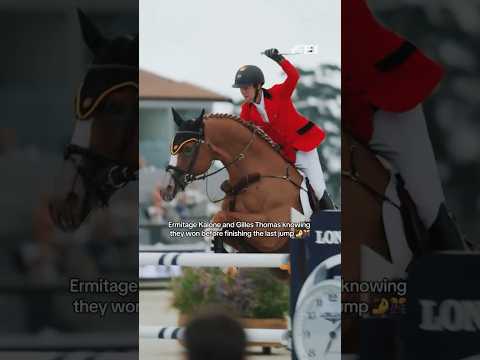
  • Gilles Thomas & Ermitage Kalone nailing it at the Jumping Europeans 2025
    One of our favorite moments this year!
    0 Σχόλια 0 Μοιράστηκε 230 Views
  • WWW.JUSTHORSERIDERS.CO.UK
    Navigating the Emotional Journey of Euthanizing a Beloved Horse: A Guide to Coping and Healing
    Section Details Emotional Struggles of Euthanizing a Horse Deciding to euthanize a beloved horse involves grief, guilt, and isolation. Emotional support and practical steps can help honor your horses memory. The Weight of the Decision Emotional denial and attachment complicate acknowledging a horse's suffering. Euthanasia is common but often delayed due to emotional ties. Quality-of-Life Assessments Tools like QOL assessments or owner diaries help objectively understand a horses condition, easing decision-making burdens. Grief Post-Euthanasia Grief includes guilt and anger. Veterinary support is crucial, yet many professionals feel underprepared for emotional discussions. Healing Toolkit Journals and memory boxes affirm your bond with your horse, helping process grief. Veterinary Perspectives Empathy fatigue and burnout among vets are common. Finding compassionate vets skilled with QOL tools is vital. Practical Steps to Cope Preparation, communication with vets, and post-loss support are key. Self-care and counseling are effective in managing grief. Long-Term Healing Grief can turn into advocacy and support for others. Euthanasia is an act of love, ending suffering and honoring the bond with your horse. ```htmlCoping with the Heartache: Understanding the Emotional Struggles of Euthanizing a Beloved HorseDeciding to euthanize a beloved horse is a profound and emotionally taxing choice that many horse owners face. The experience can leave behind a whirlwind of emotions such as grief, guilt, and isolation. This comprehensive guide delves into the common emotional challenges backed by veterinary research and provides practical steps to ease the heartache while honoring your cherished companions memory.The Weight of the Decision: Why It Feels So ImpossibleFor horse owners, the bond with their animal can resemble that of a family member rather than a mere pet. This attachment makes acknowledging the suffering of the horse challenging, as owners may subconsciously deny their horse's pain. In a study involving equine veterinary professionals, it was found that while horse welfare is a priority for owners, barriers such as emotional denial often complicate treatment or end-of-life choices (source).A staggering 89% of horse deaths in a practitioner dataset involved euthanasia, compared to just 29% from unexpected causes, highlighting the prevalence of this heart-wrenching decision (source). Yet, many owners delay this decision due to emotional ties, prolonging the horses suffering (source).The Role of Quality-of-Life AssessmentsVeterinarians often recommend formal tools such as quality-of-life (QOL) assessments or owner diaries that track pain levels through videos to help owners objectively understand their horses condition. This approach can significantly reduce the emotional burden and uncertainty associated with end-of-life decisions (source).The Grief That Follows: Normalizing Your FeelingsThe grief experienced post-euthanasia parallels that of losing a human loved one but often carries distinctive elements such as guilt over having to make the choice, anger towards the illness, or relief tangled with shame. Veterinary support throughout the process is crucial for mitigating these negative emotions. However, many vets feel underprepared for these discussions, potentially risking their own mental health in the process (source).According to studies, owners often suffer intense emotional impacts such as prolonged sadness and isolation, emphasizing the necessity for tailored support systems during such times (source). Clear and empathetic communication from veterinarians can significantly aid owners in processing their loss (source).Your Healing ToolkitEmbrace the waves of grief as they come. Create a journal celebrating your horses finest moments or a memory box with photos and tack items to affirm your bond with your horse without denial.Veterinary Perspectives: They're Hurting TooVeterinary professionals often grapple with empathy fatigue from dealing with euthanasia cases, facing distressed owners while concealing their burden. A cross-national study indicated that performing euthanasia ranked low on the emotional burden scale for vets, with differences noted across countries. Yet, the profession remains stressful, as evidenced by the significantly higher suicide rates among vets compared to the general population (source).Finding Empathetic SupportCompassion is abundant amongst veterinarians, but burnout may limit their availability for support. Its essential to find a vet employing QOL tools or a cooperative decision-making approach that resonates with your needs.Practical Steps to Cope and HealHealing commences with preparation and community engagement. Here's a step-by-step guide based on research: Assess welfare objectively: Document symptoms daily using a diary or videos; employ vet-advised QOL scales for chronic issues (source). Involve your vet early: Encourage open discussions about optionsproactive communication lessens grief intensity (source). Plan the euthanasia: Choose a peaceful location, invite supportive friends, and contemplate aftercare options such as burial or cremation for closure. Seek support post-loss: Join forums or charities like Poppy Ridge that facilitate equine end-of-life processing (source). Practice self-care basics: Engage in activities like walks, therapy, or creating memorials. Grief counseling tailored to pet loss is proven effective. In equine practices, behavior or untreated issues often expedite decisions, but early intervention can preserve welfare and ease owner regret (source).Long-Term Healing: Turning Pain into PurposeOver time, many horse owners channel their grief into advocacy, supporting welfare research or mentoring others in similar situations (source). Remember that choosing euthanasia is an act of loveending your horses suffering honors the special bond you shared. If guilt lingers, revisit QOL evidence to reaffirm your compassionate decisions.By understanding these struggles through veterinary studies, you're reassured that you are not alone. Your horse felt your love, and now its time to extend that same kindness to yourself.Exploring Our CollectionsFor those continuing horseback riding or looking to share their passion with others, explore Just Horse Riders Jodhpur Collection, Horse Riding Boot Collection, and Horse Riding Gloves Collection for all your equestrian needs. If you're nurturing a new horse, explore our Everyday Horse Vitamins & Supplements.Our journey through horse care doesnt end with loss; it transforms and continues to enrich our lives and those of others in the equine world.``````html```
    0 Σχόλια 0 Μοιράστηκε 204 Views
  • THEHORSE.COM
    Slowing the Progression of Equine Osteoarthritis
    Adobe stockDegenerative joint disease, or osteoarthritis (OA), in horses is a common but complicated condition. While OA has no cure, working with your veterinarian to correctly diagnose OA, slow its progression, and manage existing joint disease can help maintain your horses soundness in the long-term. In this Ask TheHorse Live excerpt, James D. Conway III, DVM, director of veterinary professional services with Contura Vet, describes how veterinarians can slow the progression of joint disease in horses.This podcast is an excerpt of ourAsk TheHorse Live Q&A, Performance Horse Lameness Problems Listen to the full recording here.About the Expert: James D. Conway III, DVMJames D. Conway III, DVM, is the Director of Veterinary Professional Services with Contura Vet. Conway has been an industry veterinarian for the past eight years. Prior to his role in industry, he served as an associate veterinarian at a large regional referral lameness and rehab facility in north Texas. Conway is a 2012 graduate of Colorado State University Veterinary School, in Fort Collins, where he was heavily involved with equine stifle and condylar fracture research. Conway completed an internship at Equine Sports Medicine and Surgery in 2013 and upon completion started his own lameness and sports medicine practice in the panhandle of Texas and Oklahoma. Conway has been invited to speak at numerous universities in the U.S. and Canada and at the ACVS and AAEP national conferences. His publications over bisphosphonates, the equine stifle ethesis, and medial condylar fractures can be found in the Equine Veterinary Journal and Equine Veterinary Education.
    0 Σχόλια 0 Μοιράστηκε 221 Views
  • THEHORSE.COM
    Delayed-Onset Muscle Soreness in Horses
    This condition does not damage muscles but indicates tissue microdamage has occurredand thats not necessarily a bad thingIn training DOMS often happens during early conditioning phases, following a layup, or after introducing a new workload. | Adobe stockMost equestrians have experienced, at some point, the unmistakable aching and soreness that seeps into their muscles the day after getting back in the saddle for the first time in a long time, or following a particularly long, tough ride. Delayed-onset muscle soreness (DOMS) is a well-characterized phenomenon in human sports medicine yet remains relatively underexplored in the context of equine physiology.Recognizing DOMS in horses matters because of its often-subtle presentation, and it could be misinterpreted as behavioral resistance, lameness, or other more serious conditions, such as rhabdomyolysis (tying up). So, what exactly causes DOMS, what does its occurrence tell us about our horses fitness levels, and how can we best manage it? Weve turned to experts in the field and emerging research for answers.Defining DOMS in the HorseResearchers describe DOMS in horses as muscular discomfort and stiff ness that generally emerges 24 to 72 hours after undergoing unusual exercise to which the body isnt accustomed1. DOMS typically occurs in muscles used more intensely or for a longer duration than normal, and this increased activity results in some muscle (micro) damage, explains Michael Lindinger, PhD, editor-in-chief of the European Journal of Applied Physiology and president of the Nutraceutical Alliance, in Guelph, Ontario, Canada. The amount and duration of soreness are generally proportional to the amount of muscle damage.In humans, scientists have established this soreness results from microscopic damage to muscle fibers, particularly following eccentric muscle contractionsmovements in which muscles lengthen while load bearing2. In horses, this type of movement happens in every gallop stride, which produces a mixture of eccentric and concentric muscle contractions, says Catherine McGowan, BVSc, MANZCVSC, Dipl. ECEIM, CertVBM, PhD, FHEA, FRCVS, specialist and emeritus professor of equine internal medicine in the Department of Equine Clinical Science at the University of Liverpool, in England.The current research suggests the muscle microtrauma seen in DOMS initiates a cascade of inflammatory responses that stimulate tissue repair and adaptation. More specifically, the mechanical stress of eccentric contractions results in microdamage to the sarcomeresthe contractile units of muscle fibers2,3. The subsequent inflammatory response results in soreness, stiffness, and a temporary reduction in strength or flexibility.In equine athletes specifically, clinical signs of DOMS can include a shortened stride or reduced impulsion, resistance to forward movement, back or hindquarter soreness on palpation, and pain-associated behavioral changes. Lindinger covers the process in detail below. Timeline and Sequence of Physiological Events in a Horse Experiencing DOMSMichael Lindinger, PhD, editor-in-chief of the European Journal of Applied Physiology and president of the Nutraceutical Alliance, in Guelph, Ontario, Canada, describes how signs of DOMS appear in a horse:Excessive contraction intensity (force, speed) or duration of exerciseespecially with downhill activitiescan trigger muscle damage.An increase in reactive oxygen species (ROS) within muscles results in oxidative damage of lipids in muscle membranes, causing them to leak. There might also be contractile apparatus damage through disruptions in interactions between the muscle filament proteins actin and myosin.During the 24-48 hours after the unaccustomed activity, muscles continue to break down and leak, and an increase in pain-inducing metabolites (chemical compounds) occurs at pain-sensitive nerve endings. This increase in molecules in damaged muscles is what causes the pain.Dissipation of metabolites over a few days eventually results in the resolution of pain sensation.Muscle repair starts occurring within 48 hours of damage and could take up to three weeks to fully repair and recover. Avoid excessive physical activities during this period.DOMS as a Fitness BenchmarkBeyond the aches and pains, what can post-exercise muscle soreness tell us about the health and fitness of our equine athletes? DOMS itself does not cause tissue damage but, rather, is an indicator that tissue (micro) damage has already occurred, Lindinger says. Training programs for horses that have been sedentary need to keep in mind that increased activity may result in tissue damage and, therefore, DOMS.In equine training DOMS often occurs during early conditioning phases, following periods of layup, or after introducing a new workload, he adds. It is most frequently observed in horses returning to work after a period of rest, progressing to more intensive work, or in young horses as they develop strength and stamina. Scientists have suggested DOMS might also occur in horses starting a new exercise or activity or exercising while compensating for lameness, he notes, citing McGowans research1.Researchers suggest DOMS-related soreness in equine athletes reflects muscles responding to new or increased demands by initiating repair and growth4. Small amounts of muscle damage are normal with training and may contribute to beneficial adaptations in the form of hypertrophy (size increase) of myofibers (muscle fibers) alongside the biochemical adaptations, Lindinger explains. However, recurring or excessive soreness may indicate flaws in a horses conditioning program, such as insufficient warmup, inadequate recovery time, or poorly structured workload progression. In these cases DOMS becomes less a sign of adaptation and more a reflection of excessive cumulative strain in training.Does DOMS Diminish Equine Performance?Horses affected by DOMS can experience a reduction in powerby up to 50%, McGowan says, adding in her paper: DOMS does not just cause soreness but is well-established in human athletes to result in a sustained loss of muscle force production capacity, which happens immediately after exercise, before the onset of muscle pain.Fortunately, she says, DOMS and its associated power reduction and stiffness likely do not lead to long-term, detrimental muscle breakdown. Some horses may be stiff and unwilling to exercise, she explains. The only other risk is that the painful muscles could cause altered gait patterns and a risk of injury elsewhere, so during exercise the horse should be monitored carefully.Getting a DiagnosisIn any case veterinarians must distinguish DOMS from more serious muscular disorders. Notably, they need to rule out exertional rhabdomyolysis (aka tying-up), a condition in horses characterized by the breakdown of muscle fibers during or after exercise, typically caused by a combination of intense physical activity, metabolic or genetic factors, and inadequate conditioning or electrolyte imbalance.Exertional rhabdomyolysis may initially resemble DOMS but often involves a history of recurrent, possibly more severe episodes of stiffness, notes McGowan. There may be an identifiable trigger factor, but in general tying-up occurs during usual or low-level exerciseoften just 20-30 minutes after commencing exercise, rather than being delayed, as in DOMS. Equine researchers have suggested exertional rhabdomyolysis can involve more severe muscle enzyme elevation5, pain (evidenced by sweating and tachycardia, an abnormally fast heart rate)6, and dark urine due to the excretion of muscle breakdown products (i.e., myoglobin), which, left untreated, could carry potential long-term implications. Additionally, DOMS is an important differential diagnosis for muscle strain injuries (muscle pulls or tears); however, McGowan reports that muscle injuries resulting in tears tend to be more localized on palpation and likely to be asymmetrical1.A thorough evaluationincluding palpation, gait analysis, and bloodwork (that measures the muscle enzymes creatine kinase and aspartate aminotransferase )can help vets distinguish between DOMS and other muscular disorders 7.Exertional rhabdomyolysis and acute muscle injuries will result in muscle damage and abnormally elevated CK and AST levels in the blood plasma, Lindinger explains. The increase in concentrations of these enzymatic injury markers is proportional to the amount of muscle injury.Furthermore, DOMS is unlikely to present as severely as recurrent exertional rhabdomyolysis (RER) or polysaccharide storage myopathy, adds McGowan. Polysaccharide storage myopathy is a muscle disorder characterized by abnormal accumulation of glycogen and related sugars in muscle tissue, leading to muscle stiffness, pain, and episodes of exertional rhabdomyolysis.Elevations of muscle enzymes are usually mild to moderate with DOMS, and myoglobinuria (dark urine) is unlikely, she says. The enzyme increase is also often delayed in relation to the pain and peaks as the horse recovers, rather than early on. When taking the patients history, she says careful questioning about unaccustomed exercise might reveal a clue. For a more comprehensive differential diagnosis, see the chart, which includes McGowans input, to help distinguish between DOMS and more serious conditions.Management Strategies for DOMS When bringing a horse back into work after being sedentary and/or recovering from an injury, DOMS should be expected, Lindinger explains. Gradual buildup is essential; muscle adaptations occur over the course of weeks and months as the training program progresses.To mitigate the effects of DOMS, our sources recommend gradual loading, proper warmup and cooldown, cross-training, and rest periods that include whats called active recovery, such as hand walking, turning out, and exercise using a hot walker or treadmill.DOMS typically peaks at 48 to 72 hours and resolves within three to five days, says McGowan, though Lindinger notes that at least in mild cases, this can be shorter, and many largely resolve within 48 hours. The inflammation generally resolves on its own, but some supportive therapies might enhance recovery and help keep the horse comfortable during this period.When DOMS is suspected, gentle exercise is indicated (walking and trotting), along with massage, Lindinger says.In McGowans 2024 Traumatic Muscle Injuries paper, she lists cryotherapy, stretching, compression, andagainmassage, as treatment strategies for exercise-induced muscle microdamage1 in equine athletes.Using non-steroidal anti-inflammatory drugs (NSAIDs) in DOMS cases has yielded conflicting results in human studies11. Many horse owners turn to phenylbutazone (Bute) or flunixin meglumine (Banamine) for musculoskeletal pain, but DOMS calls for a different approach. Muscle adaptation requires some degree of inflammation, and researchers say NSAID drug use might interfere with recovery. As long as pain is well managed, anti-inflammatories should not be used to treat DOMS, as this may prevent beneficial training adaptations from occurring in muscles, says Lindinger.Lets take a brief look at nutritions role in supporting muscle health in a way that could reduce the occurrence or impact of DOMS. Amino acids, the building blocks of protein, contribute to muscle protein synthesis. Additionally, antioxidant supplementation, particularly vitamin E12 and selenium13, supports muscle health and might reduce oxidative stress during recovery. As for omega-3 fatty acids, they possess anti-inflammatory properties that might aid in post-exercise recovery, including in cases of DOMS, report authors on a 2024 human study14.Take-Home MessageDelayed-onset muscle soreness is an exercise-induced muscle injury that occurs in response to muscular exertion that reflects both the stress of exercise and the bodys adaptation to it, McGowan says. Though generally benign and able to resolve on its own, DOMS can still hinder performance, disrupt training progression, and mask more serious musculoskeletal conditions if horse owners dont recognize and manage it properly. Develop an exercise program that takes into consideration your horses fitness level, optimizes muscle development without overtaxing his body, and minimizes soreness while maximizing gains.References:McGowan C. Traumatic muscle injuries. Vet Clin North Am Equine Pract. 2024;41(1):181192.Proske U, Morgan, DL. Muscle damage from eccentric exercise: mechanism, mechanical signs, adaptation and clinical applications. J Physiol. 2001;537(2):333345.Peake JM, Neubauer O, Della Gatta PA, Nosaka K. Muscle damage and inflammation during recovery from exercise. J Appl Physiol. 2017;122(3):559570.Damas F, Libardi CA, Ugrinowitsch C. The development of skeletal muscle hypertrophy through resistance training: the role of muscle damage and muscle protein synthesis. Eur J Appl Physiol. 2018;118(3):485500.Valberg SJ, Clancey NP, Salinger A, Waldridge B, Tan JY, Barton MH. Pseudohyperkalemia in horses with rhabdomyolysis reported by an enzymatic chemistry analyzer. J Am Vet Med Assoc. 2024;262(1):15.Cervellin G, Comelli I, Lippi G. Rhabdomyolysis: historical background, clinical, diagnostic and therapeutic features. Clin Chem Lab Med. 2010;48(6):749756.McKenzie EC. Clinical examination of the muscle system. Vet Clin North Am Equine Pract. 2025;41(1):115.Valberg SJ. Sporadic and recurrent exertional rhabdomyolysis. Vet Clin North Am Equine Pract. 2025;41(1):111124.Firshman AM, Valberg SJ. Polysaccharide storage myopathy. Vet Clin North Am Equine Pract. 2025;41(1):125137.Ememe MU. Exertional rhabdomyolysis in horses: a review. J Agr Vet Sci. 2025;18(4):1219.Schoenfeld BJ. The use of nonsteroidal anti-inflammatory drugs for exercise-induced muscle damage: implications for skeletal muscle development. Sports Med. 2012;42(12):10171028.Duberstein KJ, Johnson SE, McDowell LR, Ott EA. Effects of vitamin E supplementation and training on oxidative stress parameters measured in exercising horses. Comp Exer Physiol. 2009;6(1):1725.White S, Warren L. Effects of dietary selenium and training on oxidative stress in young horses. Equine Vet J. 2014;46:33.Fernndez-Lzaro D, Arribalzaga S, Gutirrez-Abejn E, Azarbayjani MA, Mielgo-Ayuso J, Roche E. Omega-3 fatty acid supplementation on post-exercise inflammation, muscle damage, oxidative response, and sports performance in physically healthy adults-a systematic review of randomized controlled trials. Nutrients. 2024;16(13):2044.This article is from the Winter 2025 issue ofThe Horse: Your Guide to Equine Health Care. We at The Horse work to provide you with the latest and most reliable news and information on equine health, care, management, and welfare through our magazine and TheHorse.com. Your subscription helps The Horse continue to offer this vital resource to horse owners of all breeds, disciplines, and experience levels. To access current issues included in your subscription, please sign in to theAppleorGoogleapps ORclick herefor the desktop version.
    0 Σχόλια 0 Μοιράστηκε 213 Views
  • Plan Your Winter: Stalls & Entries Open for 2026 Winter in the Midwest Series at World Equestrian Center Wilmington
    Wilmington, Ohio December 26, 2025 Entries and stalls are open for World Equestrian Center Wilmingtons (WEC) 2026 Winter in the Midwest Series, one of the Midwests most comprehensive and longest-running winter hunter/jumper circuits. Spanning 17 weeks and running through April 12, 2026, the series will feature USEF National Hunter and Level 4 Jumper competitionSource
    0 Σχόλια 0 Μοιράστηκε 320 Views
  • WWW.YOURHORSE.CO.UK
    Owners struggle to find workable solutions to equine weight loss, survey shows
    Anequine weight managementsurvey of 1,519 UK horse owners has revealed that many of them are struggling to find workable solutions to equine weight loss.While many owners understand the causes of excess weight which according to the survey affects 74% of leisure horses they dont know how to resolve the issue.Feed manufacturer Spillers launched the survey in summer 2025 as part of theirongoing educational and practical work, to help combat equine obesity in the UK.The purpose of the survey was to gain a better insight into how owners manage their horses weight, with the intention of identifying how they can be better supported, to help protect their horses from weight-associated health and welfare risks.Valuable insightsThis survey has delivered valuable insights, directly from horse owners, about their current equine weight management practices, said Bella Fricker, project lead at Mars Horsecare, home of theSpillersbrand.While owners seem to be very motivated, they are somewhat overwhelmed by the barriers they face or lack confidence to make the management changes they need to support weight loss.The survey results have shone the spotlight on the areas where we can provide further practical educational support for horse owners. We aim to be partners in care to help make change happen and banish equine obesity for good.Lack of exercise was listed as the biggest cause of weight issues (38%) with excess calories/overfeeding close behind (37%).Twenty percent of participants horses were affected by EMS/PPID/laminitis.Management strategiesThe most popular strategies to help manage equine weight were stabling for part of the day or overnight (19%), using small holed haynets (18%), soaking hay (14%) and strip grazing (12%).Participants cited lack of time to exercise, difficulty controlling calorie intake and the horse or pony always being hungry as the practical barriers to weight management.Less than half of respondents were aware that straw can be fed as a partial forage replacer but had not yet tried it (24%) or were already feeding straw as a partial forage replacer (18%).Encouragingly, 57% of participants monitored their horses weight daily or weekly butmost owners relied on less precise methods to do this such as by eye/from photos (30%). Only 13% used a weighbridge.Respondents described feelings of guilt, frustration and worry in relation managing their horses weight showing that weight management is about more than just feed.Owners also highlighted the features they value most in feed are low calorie and high-fibre products that deliver balanced nutrition.New packagingSpillers has also announced that it has improved the packaging on its treat bags.The new bags will be resealable for freshness and convenience, and every pack will be recyclable for reduced impact on the environment.More from Your HorseEssential horse worming schedule and management tips from a vetExperts advise how to choose the best type of bedding to suit your horsePrevent mud fever by doing this (spoiler: it isnt actually caused by mud!)Winter hacking: How to stay safe and enjoy your rides through the colder monthsThe post Owners struggle to find workable solutions to equine weight loss, survey shows appeared first on Your Horse.
    0 Σχόλια 0 Μοιράστηκε 199 Views