• WWW.JUSTHORSERIDERS.CO.UK
    Discover the Key to Lowering Hay and Bedding Costs for Horse Owners
    Section Key Points Understanding Hay Costs Price range: $10-$25/small bale, $100-$200/large bale; 1,200-pound horse needs 20 lbs/day costing $500-$650/year. Influenced by location, hay type, season, and bulk purchasing. Understanding Bedding Costs Annual cost: $600-$1,000. Common materials: wood shavings, straw, wood pellets. Factors: raw material costs, health costs. Eco-friendly options available. Total Annual Costs Feeding: $1,200-$2,500. Bedding: $600-$1,000. Total: approximately $1,800-$3,500 including hay and bedding. Managing Costs Strategies include finding local sources, buying in bulk, choosing cost-effective materials, and planning for price increases. Investment in Quality Prioritize quality for health benefits and long-term savings. Prevention is less costly than treatment. A Comprehensive Guide to Understanding Hay and Bedding Costs for Horse Owners Owning a horse is a rewarding experience but comes with significant expenses, particularly when it comes to hay and bedding. Understanding these costs is vital for any aspiring or current horse owner. This guide will provide detailed insights on hay and bedding costs, including pricing factors, regional variations, strategies for saving money, and how they fit into your overall horse care budget. Understanding Hay Costs for Horses How Much Does Hay Actually Cost? Hay pricing can be confusing due to multiple factors impacting the costs, which can range significantly from $10 to $25 per smaller bale and $100 to $200 for larger quantities. For a practical example, a 50-pound square balethe most common size for horse ownerstypically costs between $4 and $25, depending on the region and availability [2]. Annual Hay Expenses for Your Horse A typical 1,200-pound horse will consume approximately 20 pounds of forage daily, equating to an annual expenditure of $500$650 on hay [2]. This expense can increase significantly in regions experiencing droughts or supply constraints. Factors That Influence Hay Pricing Location and Regional Variations Your geographic location hugely influences hay costs. Costs can vary from as little as $7.50 for a small square grass hay bale in Kentucky to $12$18 in drier states like Arizona or California [1]. These differences highlight the significant impact of transportation costs and local supply. Hay Type and Quality Different types of hay command differing prices. Types such as alfalfa hay, a nutrient-rich option preferred by many horse owners, can be substantially more expensive than grass hay varieties [5]. Seasonal Variations The availability and cost of hay fluctuate throughout the year. Fresh hay is more abundant and affordable immediately after harvest, while prices often rise during winter months when supplies are confined. Bulk Purchasing Benefits Buying hay in bulk often reduces your cost per pound compared to purchasing smaller quantities. This approach can result in significant savings [1]. Understanding Bedding Costs for Horses Annual Bedding Expenses Bedding is another major cost. Stabling your horse full-time might cost around $600$1,000 annually [2]. Adjust this budget based on how much time your horse spends in the barn. Types of Bedding Materials Common bedding options include wood shavings, straw, and wood pellets [6]. Each presents different costs and benefits. Wood Shavings Wood shavings are widely used in the UK and North America. Brands like Bedmax offer consistent quality and hygiene standards [6]. Straw Straw remains a popular choice but can be full of dust, impacting horse health. As farming costs increase, straw is also becoming more expensive. Emerging Sustainable Options Eco-conscious horse owners are increasingly opting for sustainable options such as straw, hemp, or sustainably sourced wood shavings [4]. Factors Affecting Bedding Costs Raw Material Fluctuations Changes in the cost and availability of raw materials like straw and wood have a major impact on the pricing of bedding [4]. Health Costs as Hidden Expenses Using cheap bedding may lead to respiratory diseases, resulting in significant veterinary costs. Investing in better-quality bedding reduces these risks [6]. How Hay and Bedding Fit Into Your Overall Horse Budget Total Annual Feeding and Housing Costs Hay and bedding together are substantial parts of horse ownership costs. While feeding varies from $1,200 to $2,500 annually, bedding can add an extra $600-$1,000 to this amount [2,8]. Complete Budget Overview An understanding of the complete cost scenario is crucial for horse ownership. Here's a breakdown: Expense Category Annual Cost Range Veterinary Care $200 - $500 Feeding (including hay) $1,200 - $2,500 Bedding $600 - $1,000 Hoof Care $400 - $800 Boarding (if applicable) $3,000 - $12,000 Practical Strategies for Managing Hay and Bedding Costs Finding Local Hay Sources Retail markups can be significant. Seek alternatives like local producers via Craigslist or your county's agricultural extensions [1]. Buying in Bulk Reduce overall costs by buying hay in bulk. Although it requires storage space, the savings for long-term horse owners are substantial [1]. Choosing Cost-Effective Bedding Without Compromising Quality Innovations in bedding materials allow you to choose cost-effective options without sacrificing quality or your horse's health [6]. Planning for Future Price Pressures Expect financial pressures in 2025, including raw material, transport, and inflationary costs. Budget conservatively and explore bulk-buying strategies to manage these anticipated pressures [6]. The Investment in Quality Investing in quality hay and bedding is more than just a financial decision; it's about health. As prevention is cheaper than treatment, high-quality options will save money in the long run [6]. Conclusion Understanding hay and bedding costs is a substantial aspect of responsible horse ownership. With awareness of the factors influencing these prices, combined with strategic approaches, horse owners can efficiently manage these expenses. Plan for $2,400$3,500 per year for hay and bedding alone, considering variations in prices and maintaining flexibility with market conditions. Your horse's well-being and your financial responsibility depend on careful planning and good decisions.```html```
    0 Yorumlar 0 hisse senetleri 155 Views
  • Tickets Now Available for the Longines FEI Jumping World Cup Ocala CSI5*-W
    Ocala, FL Tickets are now available for the evening of Saturday, February 14, 2026, to witness the $300,000 Longines FEI Jumping World Cup Ocala, featuring the worlds top horses and riders competing under the lights of the Grand Outdoor Arena. This prestigious event will bring Olympic-level talent to Ocala for an unforgettable night of five-star competition. About the Longines FEI JumpingSource
    0 Yorumlar 0 hisse senetleri 148 Views
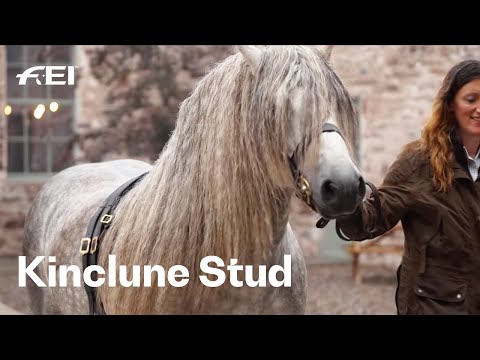
  • Highland ponies, where heritage meets heart! | RIDE presented by Longines
    In Season six, Episode six of RIDE, presented by @longines, we travel to Scotland to meet a herd of Highland ponies at a stud ...
    0 Yorumlar 0 hisse senetleri 166 Views
  • THEHORSE.COM
    Equine Innovators: Real-Time Decisions Using Biomarkers in Horses
    Photo: Alexandra Beckstett/The HorseAcute phase proteins such as serum amyloid A (SAA) give veterinarians an early look at inflammation, infection, and how a horse responds to treatment. In this Equine Innovators episode, we dig into how SAA and other key biomarkers guide everyday decisionsfrom biosecurity on busy farms and showgrounds to managing postoperative cases, colic, and foal exams.Host Stephanie Church, editorial director at The Horse, talks with Dr. Holly Helbig of Zoetis and Dr. David Levine from the University of Pennsylvanias New Bolton Center about when they reach for SAA, how it compares with fibrinogen and white blood cell counts, and why serial testing often matters more than any single number. They share stall-side and hospital protocols, real-world case examples, and ways biomarker trends support smarter antimicrobial use and quarantine decisions.The Equine Innovators podcast series is brought to you by Zoetis. You can find the Equine Innovators podcast on TheHorse.com, Apple Podcasts, Spotify, and many other podcast apps. Dont miss a single episode! Sign up now to receive email reminders from The Horse.Show Notes:SAA and other Biomarker resources from TheHorse.com:SAA: A Magic 8 Ball for Detecting Infection in Horses?SAA: Infection Detection in Horses (Infographic)SAA Measurements Can Help Detect Surgical Implant InfectionAdvances in Equine Infectious Disease DetectionSAA Resources from ZoetisUS.com:Stablelab SAA product pageFree Online CE: Stablelab AcademyAssessment of Serum Amyloid A Testing in Horses and Its Clinical Application in a Specialized Equine PracticeEvaluation of White Blood Cell, Fibrinogen, Serum Amyloid A and Ultrasonographic Grade to Refine an R. equi Screening ProgramComparison of Serum Amyloid A in Horses With Infectious and Noninfectious Respiratory DiseasesSerum and Synovial Fluid Serum Amyloid A Response in Equine Models for Synovitis and Septic ArthritisAbout the Researchers:Holly Helbig, DVMHolly Helbig, DVM, joined Zoetis in 2023 as an equine technical services veterinarian. She is a graduate of The Ohio State University with a focus in lameness and sport horse medicine. Helbig was the official veterinarian for The World Equestrian Center Ohio; The Kentucky Horse Shows series; and various FEI competitions for 10 years prior to joining Zoetis. She also had an ambulatory practice serving patients around her hometown of Columbus, Ohio, and into parts of Michigan and Kentucky. Helbig is an avid rider and competes professionally at hunter/jumper shows in her free time. She lives at home with her wheaten terrier, Bad Boy Brady.David Levine, DVM, Dipl. ACVS (large animal), ACVSMR (equine)David Levine, DVM, Dipl. ACVS (large animal), ACVSMR (equine), is an associate professor of large animal surgery at New Bolton Center, the large animal hospital of the University of Pennsylvania School of Veterinary Medicine. Levine has been at New Bolton Center since 2004 and serves as the program director for the large animal surgery residency, as well as a member of the Board of Regents for the American College of Veterinary Surgeons. His research interests include diagnosis, treatment, and prevention of orthopedic infections as well as equine skin tumors.
    0 Yorumlar 0 hisse senetleri 183 Views
  • THEHORSE.COM
    12 New EHV-1 Cases Confirmed in Texas
    The Equine Disease Communication Center is monitoring an outbreak of equine herpesvirus myeloencephalopathy (EHM), the neurologic form of equine herpesvirus-1 (EHV-1), that originated at the Womens Professional Rodeo Association (WPRA) World Finals and Elite Barrel Race event in Waco, Texas, on Nov. 5-9.The EDCC has just confirmed 12 new cases associated with this outbreak. The new cases are all located in Texas:Erath County: One horse tested positive on Nov. 25.Grimes County: One horse tested positive on Nov. 26. A second horse tested positive on Nov. 27.Jefferson County: Two horses tested positive.Wise County: One horse tested positive on Nov. 26.Ellis County: One horse tested positive on Nov. 29.McLellan County: One horse tested positive.Lee County: One horse tested positive on Nov. 27.Montgomery County: Two horses tested positive.Wharton County: One horse tested positive for EHM, and two horses are suspected to be positive for respiratory EHV-1 disease.Previously reported cases include:TexasMcLennan County: Two horses.Montgomery County: Three horses.Wharton County: One horse.Bell County: One horse.Fort Bend County: One horse.Erath County: Four horses.Wise County: One horse.Hood County: One horse.Parker County: One horse.Randall County: One horse.Lee County: One horse.Waller County: Four horses.Harris County: One horse.OklahomaLogan County: Two horses.Mayes County: One horse.Oklahoma County: Two horses.Love County: One horse.McClain County: One horse.Payne County: One horse.LouisianaEast Baton Rouge Parish: Three horses.ColoradoLarimer County: One horse.New MexicoDona Ana County: One horse.Eddy County: Two horses.WashingtonSpokane County: Two horses.ArizonaMaricopa County: Three horses.South DakotaHyde County: One horse.EDCC Health Watch is an Equine Network marketing program that utilizes information from the Equine Disease Communication Center (EDCC) to create and disseminate verified equine disease reports. TheEDCCis an independent nonprofit organization that is supported by industry donations in order to provide open access to infectious disease information.EHV 101Herpesvirus is highly contagious among horses and can cause a variety of ailments in equids, including rhinopneumonitis (a respiratory disease usually found in young horses), abortion in broodmares, and EHM.In many horses, the first or only sign of EHV-1 infection is fever, which can go undetected.In addition to fever, other common signs of EHV-1 infection in young horses include cough, decreased appetite, depression, and a nasal discharge. Pregnant mares typically show no signs of infection before they abort, and abortions usually occur late in gestation (around eight months) but can be earlier. Abortions can occur anywhere from two weeks to several months following infection with EHV-1.Horses with EHM usually have a fever at the onset of the disease and might show signs of a respiratory infection. A few days later, neurologic signs such as ataxia (incoordination), weakness or paralysis of the fore- and hind limbs, urine retention and dribbling, loss of tail tone, and recumbency (inability to rise) develop.Herpesvirus is easily spread by nose-to-nose or close contact with an infectious horse; sharing contaminated equipment including bits, buckets, and towels; or clothing, hands, or equipment of people who have recently had contact with an infectious horse.Routine biosecurity measures, including hygiene and basic cleaning and disinfection practices, should be in place at all times to help prevent disease spread.Current EHV-1 vaccines might reduce viral shedding but are not protective against the neurologic form of the disease. Implementing routine biosecurity practices is the best way to minimize viral spread, and the best method of disease control is disease prevention.
    0 Yorumlar 0 hisse senetleri 181 Views
  • The 10th Annual Furball Boots, Black-Tie & Best Friends: A Western Extravaganza Presented by Jenkins Subaru of Ocala Is Set for February 2026 at WEC
    By: VOCAL Dust off those boots, straighten that black tie, and get ready to showcase your best formal western attire for the 10th Annual Furball gala hosted by VOCAL at World Equestrian Center Ocala. The date is set for February 27, 2026, and the event Boots, Black-Tie & Best Friends: A Western Extravaganza presented by Jenkins Subaru of Ocala promises to be a fun and exciting evening.Source
    0 Yorumlar 0 hisse senetleri 182 Views
  • LIVE | Competition N4 CSI5*-W - 150cms - Fault & Time La Corua (ESP)
    Hola Espaa! We are live with the Competition N4 CSI5*-W - 150cms - Fault & Time La Corua Subscribe to our YouTube ...
    0 Yorumlar 0 hisse senetleri 184 Views
  • Kristen Vanderveen & Bull Runs Jireh Snag the $63,000 Coca-Cola Beverages Florida Grand Prix Qualifier CSI3*Win
    Ocala, FL Fifty-five international combinations representing 19 nations took to the WEC Grand Arena for the $63,000 Coca-Cola Beverages Florida Grand Prix Qualifier CSI3*. After a nail-biting 11-horse jump-off, it was last-to-go Kristen Vanderveen (USA) who clinched the victory aboard Bull Run Jumpers, Inc.s Bull Runs Jireh (Uriko x Colman). FEI Level III course designer Catsy CruzSource
    0 Yorumlar 0 hisse senetleri 184 Views
  • WWW.YOURHORSE.CO.UK
    New equine nutritionist and feed adviser register is now live
    The British Equestrian Trade Association (BETA)s new Equine Nutritionist and Feed Adviser Register (ENFAR) is now live.It was announced in June that ENFAR, which has been developed by Dr Katie Williams from Dengie Horse Feeds alongside the BETA Feed Committee, would be launched in an attempt to tackle the rise of armchair experts.Anyone can call themselves a nutritionist regardless of their qualifications or experience. This means some advice is of poor quality and has the potential to be detrimental to equine welfare and damage the credibility of those operating professionally. ENFAR seeks to prevent that by containing a searchable directory of reputable feed advisers and equine nutritionists. It is designed to be a trusted place for horse owners to visit for advice on feeding.Knowing that others shared my concerns, we got together to develop ENFAR under the auspices of BETA, to recognise those who are doing a good job and who horse owners can trust, said Katie.Raising standardsWhat I love about the register is that anyone who is giving advice on feeding and nutrition can apply, so ultimately it will help to raise standards across lots of different equestrian professions including veterinary personnel, bodyworkers and coaches.ENFAR has two categories one for feed advisors and one for equine nutritionists. Everyone on the register has completed a series of online assessments and committed to engage in CPD and agreed to the ENFAR Code of Best Practice.The assessment process is designed to ensure that everyone is in the right category and be rigorous enough to ensure a minimum standard of competency and knowledge.The assessments include technical skills and knowledge but are also looking at how effectively someone can communicate. Ultimately, we want to be sure that the candidate can advise effectively, said Claire Williams, executive director of BETA.For more information about ENFAR click here. Related contentHow to identify and prevent colicWhy every horse will benefit from eating a soaked feedIs there such a thing as cheap horse feed?Choke in horses explainedThe post New equine nutritionist and feed adviser register is now live appeared first on Your Horse.
    0 Yorumlar 0 hisse senetleri 165 Views
  • WWW.JUSTHORSERIDERS.CO.UK
    Expert Guide to Choosing the Perfect Equine Vet for Pre-Purchase Horse Vetting in Hay-on-Wye
    Section Key Points Introduction Buying a horse is exciting and nerve-wracking. Pre-purchase vetting by a qualified equine vet is crucial for making an informed choice. Why a Pre-Purchase Vet is Essential Provides a summary of the horse's health and soundness, identifies previous injuries, possible lameness, and potential internal disease. What to Look for in an Equine Vet Experience in equine-specific conditions, impartiality, experience with the horse's discipline or breed, and a comprehensive exam approach. What Happens During a Pre-Purchase Exam? Involves a review of medical and performance history, physical examination, lameness and soundness evaluation, and advanced diagnostics if needed. How to Find the Right Vet in Hay-on-Wye Ask for recommendations, check qualifications and experience, read reviews and testimonials, and schedule a consultation. The Importance of Clear Communication Vets should provide clear, jargon-free explanations and clarify any confusing points. Final Tips for a Successful Vet Visit Be transparent about your aspirations, bring relevant documents, discuss pricing and detail required for the exam. Conclusion Choosing the right vet is pivotal for making an informed purchase. It equips you with insights for a prudent investment decision. How to Choose the Best Equine Vet for Pre-Purchase Horse Vetting in Hay-on-WyeBuying a horse is both exciting and sometimes a bit nerve-wracking, especially for those stationed at the picturesque Hay-on-Wye. Ensuring you make an informed choice is crucial, and pre-purchase vetting by a qualified equine vet is a necessary step in this process. This guide will walk you through selecting the ideal equine veterinarian for your pre-purchase vetting, offering the tools you need to make your decision with confidence.Why a Pre-Purchase Vet is EssentialA pre-purchase exam isnt about passing or failing a horse; rather, it provides a comprehensive summary of their health and soundnessa task well-defined by the American Association of Equine Practitioners (AAEP). This entails identifying: previous injuries, possible lameness, and potential internal disease.Without the insights from a pre-purchase vet, you might end up buying a horse whose unforeseen health compromises turn into costly burdens. Thus, securing a thorough vetting protects your investment.What to Look for in an Equine VetChoosing the right veterinarian is as important as the exam itself. Here are the key qualities to ensure your vet meets the bar:Equine-Specific ExperienceOpt for a veterinarian who excels in equine-specific conditions. General practitioners might miss the nuanced signs specific horses exhibit, so specialization is non-negotiable.Impartiality and IndependenceThe veterinarian should be independent of any previous relation with either the seller or the horse to provide an unbiased evaluation. Any past interactions should be transparently communicated to you.Experience with Your Horse's Discipline or BreedDisciplines vary, be it dressage or showjumping. Vets experienced in your horse's specific discipline can provide deeper insights into their suitability for your sporting needs.Comprehensive Exam ApproachEnsure the vet has a holistic approach, encompassing physical and neurological evaluations and advanced diagnostics like X-rays or bloodwork, tailoring the examination to the horses value and purpose. Delve into AAEPs guidelines for detailed insights.What Happens During a Pre-Purchase Exam?Familiarizing yourself with the pre-purchase process can help reduce anxieties and equip you to ask pertinent questions:Medical and Performance HistoryUnderstanding the horse takes more than firsts glance. A vet reviews past medical records and performance scores to spot potential flags.Physical ExaminationYour chosen vet will assess overall health and behavior, checking for unnoticed injuries or dental abnormalitieselements that often go unnoticed to the untrained eye.Lameness and Soundness EvaluationThe horses movements and gait on varied surfaces allow the vet to assess joint conditions and identify any long-standing issues through flexion tests and more.Advanced Diagnostics (If Needed)Advanced diagnostics such as X-rays or ultrasounds might be recommended for valuable horses or those with prior injuries, offering detailed insights into unseen challenges.How to Find the Right Vet in Hay-on-WyeFinding an excellent vet requires some detective work but yields invaluable peace of mind. Consider the following steps:Ask for RecommendationsSeek insights from local horse enthusiasts, trainers, or riders. Theyll often share candid reviews or offer leads on well-regarded local veterinarians.Check Qualifications and ExperienceEnsure your vet is a member of professional bodies such as the British Equine Veterinary Association (BEVA). This membership highlights dedication to cutting-edge practices and adherence to the highest standards.Read Reviews and TestimonialsOnline reviews anchor a vets reputation, shedding light on the quality of their care and patient satisfaction.Schedule a ConsultationAn initial meeting can help you gauge their communication style and expertise. Understanding is key to a successful partnership.The Importance of Clear CommunicationA stellar vet doesnt just evaluate a horse; they teach you. Clear, jargon-free explanations of their findings and the awareness of an exams limitssome conditions arent discoverable in a single daycultivate trust. Dont hesitate to seek clarity on confusing points.Final Tips for a Successful Vet Visit Be transparent about your aspirations for the horse. The tailored assessment aligns with your needs and expectations. Bring relevant medical documents for the vet to review, ensuring a comprehensive understanding. Price discussions are important; communicate your budget boundaries and evaluate the level of detail required for the exam.ConclusionIn essence, selecting the right equine vet for your pre-purchase horse vetting in Hay-on-Wye is pivotal for making an informed purchase. By choosing a competent, fair, and experienced veterinarian, you are equipping yourself with the precise insights necessary to make a prudent investment choice. While no exam guarantees the future, its your best tool for health and suitability assessment.For an enriching experience in horsemanship and if you're looking to gear up with quality equestrian apparel, explore our Jodhpur Collection, Horse Riding Boot Collection, and Horse Riding Gloves Collection.```html```
    0 Yorumlar 0 hisse senetleri 161 Views