• WWW.YOURHORSE.CO.UK
    Is barefoot a better choice for your horse?
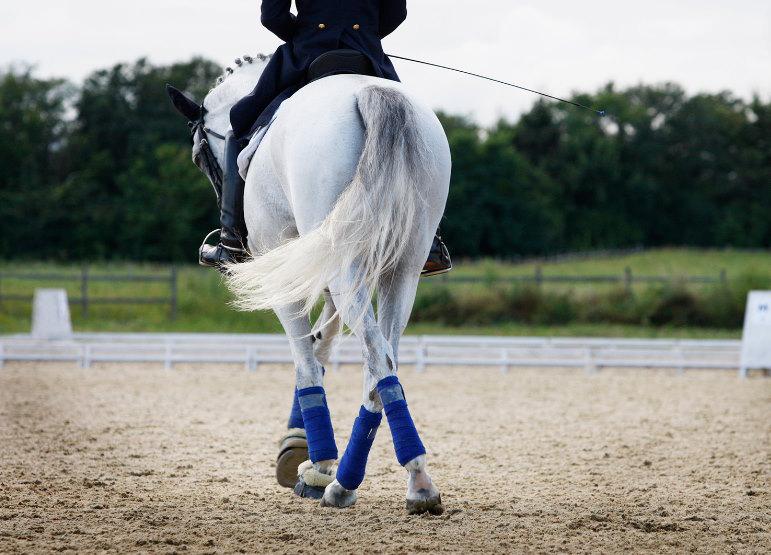
    There are many benefits in keeping your horse barefoot the main one being that your horses hoof is able to function as nature intended. A barefoot hoof is able to absorb concussion, correctly utilise the frog and soft tissues of the hoof, and spread weight-bearing load over the wall, edge of the sole, heel and frog.A horses hoof is also a great reflection of their overall health. Issues such as inflammatory responses and chronic metabolic diseases can be picked up in the feet before any other signs are present.The benefits of keeping horses barefoot have long been known yet commonly overlooked when it comes to hoof care. However, a horse that slips less when hacking on a wet road or never comes in from the field minus a shoe (because there arent any to lose) is a major selling point and optional barefoot horse boots can help to make the transition easier.Latest researchA 2022 study by Prof Lars Roepstorff and his team from the Swedish University of Agricultural Sciences found that when barefoot the movement of a horses hoof widens over the heel, and there is contraction at the heel during the breakover. (Breakover is when the very last part of the hoof, the toe, leaves the ground.)There was also more vertical independent movement in a barefoot hoof, which could contribute to increased blood flow to the leg important when recovering from an injury.Prof Lars Roepstorff, working with Swedish showjumper Peder Fredricson and vet Staffan Lidbeck, set out to gain knowledge about when and how it is appropriate to ride horses with shoes or barefoot. Peder has trained and competed at the highest level, including the Tokyo Olympics, with horses who are unshod and has had positive experiences.In fact, barefoot horses carried Swedish riders to team and individual gold in showjumping at the 2022 FEI World Championships in Denmark.Ive found that [by keeping them] barefoot, the horses are healthier and have fewer injuries, so I think it will be very interesting to show why this is, said Peder.Could your horse be barefoot?So far only preliminary results of the Swedish study have been shared. Thisfirst analysis phase was conducted with funding from equine insurer Agria and more results will be announced when they have been analysed. With these early findings being so positive, many owners will be considering whether their own horse could go barefoot but is barefoot right for every horse?There are many advantages to going barefoot, says Liz Angus, a member of Barefootworks, the UKs first barefoot trimming practice. These range from improving the health, shape and quality of your horses feet, to less obvious benefits, such as endurance riders noting improved heart rates and recovery times in their barefoot horses, as well as fewer leg injuries caused by concussion.Many owners whose horses have struggled with poor hoof health for years often see their horses feet change beyond belief when they venture down the barefoot route, continues Liz.As an owner, youll probably also find you get much more involved in your horses hoof care routine when they are barefoot, noticing things about their hooves that youve never considered before, so it can be a great learning curve.Advantages of horses wearing shoesThe pros of horses being shod include:Shoes can counteract the effects of poor conformation and help to keep some horses sound.Remedial farriery can assist in managing injuries and conditions such as laminitis and navicular.Shoes prevent the horses hoof wearing down too quickly when working regularly on hard surfaces.Being shod helps to protect the horses soles from bruising.Shoes enable horses to wear studs for extra grip on wet and slippery ground.Horses wearing shoes generally have better grip when ridden on grass (even without studs) compared to one that is barefoot.Advantages of a barefoot horseThe pros of keeping a horse barefoot include:It is more natural for the hoof, which is able to function as nature intended.Barefoot allows the hoof to work in a way nature intended.The hoof isnt damaged by nails from shoeing.A kick from an unshod horse is less damaging than one from a shod horse.It could save money as trimming is generally cheaper than shoeing.No more lost shoes!Transitioning a horse to barefootWhen deciding whether your horse should go barefoot, you need to consider whether you have the time to invest in the first few weeks or months of transitioning, and the time it takes varies depending on the individual horse. Some horses may need barefoot horse boots to provide extra protection during exercise initially.All horses are capable of being barefoot because, after all, they were born that way. Sometimes, though, their lifestyle is the deciding factor; not all owners are able to keep a barefoot horse and shoes are sometimes necessary to help that horse perform the tasks theyre asked to do, states Emma Burston, anequine podiatrist specialising in barefoot hoof care.To prepare your horse for the transition from wearing shoes to being barefoot, undertake some research and find someone you really trust to see you and your horse through the process. Consider the cost too; it may mean more frequent farrier visits at first and investing in a decent pair of barefoot horse boots. A podiatrist can measure your horse and suggest suitable boots if they are needed.Can you afford it?Consider whether you have the time and interest to invest in the first few weeks (or months) of transitioning to barefoot.The process varies and some horses have their shoes taken off and carry on as before with very little input from trimmer or owner. Some, however usually those that are compromised either metabolically or in some other way require a bit more support, explains Emma. Some horses may need hoof boots to provide extra protection during exercise initially, so factor in the cost of these too.An equine podiatrist will provide you with an individual plan for transitioning your horse at your first appointment. This will cover how to introduce different surfaces gradually.Its important that you follow their advice to give your horse the best chance of making a successful transition, says Emma. Introducingdifferent surfaces gradually will condition your horses feet to new surfaces gently and avoid any foot soreness or bruising, which doesnt have to happen when transitioning to barefoot.The following needs to be taken into account when deciding to transition to barefoot:What you want to do with your horseHow much time you spend riding on abrasive surfaces, such as stoney bridleway paths and tarmac roadsWays to manage barefoot hooves on a daily basis, including hoof picking and regular farriery checks, to ensure hooves stay in good condition.How is barefoot hoof care different?According to Emma, caring for a barefoot horse shouldnt be much different to caring for a shod horse. A healthy horse creates a healthy hoof, so your equine podiatrist will ensure that your horses care doesnt end at the coronary band, she says.One of the things podiatrists look at prior to a transition to barefoot is that the horse is eating a suitable diet for optimal gut health and therefore optimal hoof health.This should be high in fibre and low in sugar and starch, with access to good quality forage, continues Emma. If your horse is sensitive to grass sugars it may be suggested that their access to grass is restricted at certain times of the year, such as in spring, but this isnt something that necessarily applies across the board. The majority of barefoot horses can be turned out and managed as normal.Most barefoot horses are trimmed every six to eight weeks, but this timescale varies from horse to horse.Those who do a lot of work on more abrasive surfaces, such as sand or tarmac, may not need trimming quite so regularly, reasons Emma. Most barefoot horses can continue to work as usual, whether that be schooling, hacking, roadwork, jumping or whatever you enjoy doing.Key factors in a happy barefoot horseA hooftrim from a farrier or podiatrist is around 10% of the successful equation when keeping a horse barefoot; correct diet and exercise makes up the other 90%.As the owner, you have to be prepared to take these factors into consideration, often making adjustments to things like your horses grazing and sugar intake, says Liz. A low sugar balanced diet and lots of exercise are key to stronger, healthier feet.The more you work your horse the more you will stimulate growth and help develop a robust, well-connected hoof capsule with a thick sole.Nevertheless, while some horses will breeze through the transition from shod to barefoot, others who may have been shod for long periods, or whose feet have become more compromised, may need more support.Its often necessary to invest in a set of barefoot horse boots, adds Liz. These can provide excellent protection while allowing your horse to grow a healthier, stronger foot.The quality and design of barefoot horse boots has improved dramatically in recent years and there are many cutting edge designs on the market to choose from.Barefoot horse hoof bootsLauren Hetherington, a qualified barefoot horse trimmer who runs Graveney Equine in Kent, describes hoof boots as being the bridge between shod and barefoot.There are so many shapes, sizes and uses that there is almost always something to suit everyone. Some can be used for turnout or poulticing while others are great for fast work or muddy surfaces, says Lauren. I like to use hoof boots on horses who may still be a little tender either just on more challenging surfaces, or all the time if thats what they need at first. Ideally you want to be able to transition your horse out of boots as then youre finally barefoot. However, people will often still use hoof boots if they know there will be lots of stones where theyre going, in order to lower the risk of bruising.Barefoot horse boots can be used with pads to either provide extra cushioning or extra stimulation to the sole and frog to build them up along with the digital cushion. What I really like about boots is that they dont restrict the hoofs natural distortion when in use and they can be taken off when not required, adds Lauren.When is wearing shoes a better option?Although going barefoot might suit some horses, there are times when shoes are the better option.I agree that many horses can happily go without shoes, and I trim plenty of barefoot horses and ponies, says Oxfordshire-based farrier Ben Benson. Where shoes play an important role is when you have an equine with less than perfect biomechanics and conformation.In the wild, it is a case of survival of the fittest, but in modern society horses with conformational deviations are still bred from.We breed horses with poor conformation, which means that many of them suffer with asymmetries and lameness, and this is where shoeing play an important role, adds Ben. Correct shoeing can help to improve a horses soundness and performance, and improve the mechanics in the whole leg, particularly in those with joint issues.Considering hoof qualityHow an owner and their farrier proceed also depends on the quality of the horses hoof, what the owners does with the horse and how they manage them. Some horses, such as Thoroughbreds and warmbloods, often have weak feet with slow growth and hoof conformation, and so they need help with shoes, says Ben.On the flip side, a hardy native breed with good, strong feet and optimal conformation would be fine to stay barefoot.As well as shoeing to improve balance and soundness, and also to manage injury, people have been putting shoes on their horses for centuries to enable them to work.We ask them to do work that might cause their hooves to wear down quicker, and we want them to have grip when jumping and galloping on grass, and for those things you need shoes, adds Ben. Every day a horse grows a page thickness of hoof, so if your horse is going up and down a tarmac road, that is going to were the hoof away and that can cause sore hooves. Shoes can prevent that happening.Barefoot works for usRachael Whitehouses Thoroughbred was shod when she bought her, but six months later the mare started showing signs of back pain.X-rays showed that there were issues with the angles of her pedal bone in her hind feet, says Rachael. This was negatively affecting her legs and so she was fitted with wedges. However, after doing research, I learned that these can put even more pressure on the legs higher up. I also learned that going barefoot can help with pedal bone angle, and so, together with my farrier, we decided to take off her hind shoes. Eventually, after continually losing her front shoes, we decide to take those off too.The mare wears Cavallo barefoot horse boots on her front hooves when hacking, schooling and jumping.In time I may try her without boots. Ive jumped her over small cross-country fences on grass in the rain and there was no feeling of slipping, adds Rachael. I made a lot of changes to her diet, making it more natural, and her hooves are trimmed every five weeks. She has never looked or felt better!Her low Thoroughbred heels are coming up and I can see a positive improvement in her gait and hoof conformation. Being barefoot is a win, win.Could I have a barefoot horse?I have owned a number of horses over the years, none of which have been fully barefoot. My first pony, a New Forest, spent most of her life shod in front only and she lived out her days with a Welsh pony who also only wore shoes in front. I probably could have saved money by taking off the front shoes when they hit their late twenties, but they were comfortable as they were.When I retired a 17.2hh ex-racehorse after a serious tendon injury at just 14, he recovered well enough to enjoy hacking and he only needed shoes in front. Interestingly, if he did too much roadwork he would get sore behind; but he could go in our local forestry without problem, despite it being very stoney.These stones are the main reason I couldnt have a barefoot horse. Most of mine have been Thoroughbreds, often with flat feet, and Ive struggled with bruised soles even with shoes on. So barefoot isnt for everyone and I think where you live and the type of riding you do is a major factor. I have friends with barefoot horses and they rave about it. A world where you never have to worry about a lost shoe sounds like a great one to me!Main image of an unshod hoof: copyright Shutterstock.Learn more about Prof Lars Roepstorffs research A study of movements and forces with and without shoes here.Related contentBruised soles: common signs, causes and prevention tips from a vetThrush in horses: what it is, how to prevent it and treatment optionsWhat is the difference between a farrier, blacksmith and equine podiatrist?Hoof trimming for horses: how and why its doneThe post Is barefoot a better choice for your horse? appeared first on Your Horse.
    0 Comments 0 Shares 117 Views
  • The Shetland Pony Grand National at Royal Windsor Horse Show | RIDE presented by Longines
    Pony power activated! The Shetland Pony Grand National at Royal Windsor Horse Show is a spectacular showcase of speed ...
    0 Comments 0 Shares 112 Views
  • WWW.JUSTHORSERIDERS.CO.UK
    Biotin for Horses: Hoof and Coat Health - The Ultimate Guide to Stronger Hooves and Shinier Coats
    Key PointDescriptionProductWhat is Biotin?Biotin, also known as Vitamin B7 or Vitamin H, is essential for metabolism and maintaining healthy hooves and skin in horses.Improved Hoof GrowthBiotin supplementation can increase hoof growth rates by 15%, making hooves stronger and more resilient.Gold Label BiotinEnhanced Hoof QualityBiotin improves hoof horn quality, beneficial for brittle or poor-quality hooves.NAF Biotin PlusSupport for Laminitis-Prone HorsesBiotin helps manage and prevent laminitis by improving overall hoof health.Improved Skin HealthBiotin maintains skin barrier integrity, preventing dryness and flakiness.Shiny CoatAdequate biotin in the diet results in a shiny, healthy coat.Recommended Dosage15mg to 25mg of biotin per day is recommended for improving hoof growth and coat health.Additional NutrientsSupplements often include methionine, zinc, and MSM for optimal results.Lincoln BiotinQuality of SupplementChoose high-quality biotin supplements from reputable manufacturers.NAF BioticsDuration of SupplementationConsistent, daily supplementation over several months is key for best results.Complementary SupplementsConsider supplements with complementary ingredients like methionine, zinc, and MSM.Battles Hoof Saver BiotinBiotin for Horses: Hoof and Coat HealthMaintaining the health of a horse's hooves and coat is crucial for their overall well-being and performance. One of the key nutrients that play a significant role in this aspect is biotin. This blog will delve into the importance of biotin for horses, its benefits, and how it can be effectively supplemented to ensure optimal hoof and coat health.What is Biotin?Biotin, also known as Vitamin B7 or Vitamin H, is a water-soluble B vitamin that is essential for various metabolic processes in the body. It acts as a coenzyme in the metabolism of carbohydrates, proteins, and fats, which are vital for energy production and overall health. In horses, biotin is particularly important for maintaining healthy hooves and skin.The Role of Biotin in Hoof HealthHoof health is a critical aspect of a horse's overall well-being. The hooves are constantly under stress and need to be strong and resilient to support the horse's weight and activities. Biotin plays a crucial role in the formation and maintenance of keratin, the primary structural protein in hooves. Keratin provides the necessary strength and durability to the hoof wall.Benefits of Biotin for Hoof HealthImproved Hoof GrowthStudies have shown that biotin supplementation can significantly improve hoof growth rates. For instance, a study conducted at the Royal (Dick) School of Veterinary Studies found that ponies supplemented with biotin had a 15% higher growth rate of the hoof horn compared to those that did not receive biotin.Enhanced Hoof QualityBiotin helps in improving the overall quality of the hoof horn, making it harder and more resilient. This is particularly beneficial for horses with brittle or poor-quality hooves.Support for Laminitis-Prone HorsesBiotin supplementation can also be beneficial for horses prone to laminitis, a painful condition affecting the hooves. By improving hoof health, biotin can help in managing and preventing laminitis.Product Spotlight: Gold Label Biotin - This premium supplement is designed with the wellbeing of your horse in mind, ensuring the formation of healthy keratin when applied daily. Each serving is packed with 15mg of pure biotin, a recommended dosage for optimal results. The daily application of this supplement is essential over a period of several months.The Role of Biotin in Coat HealthBiotin is not only essential for hoof health but also plays a significant role in maintaining a healthy coat. The vitamin is involved in the synthesis of fatty acids, which are crucial for skin health and the production of a shiny, healthy coat.Benefits of Biotin for Coat HealthImproved Skin HealthBiotin helps in maintaining the integrity of the skin barrier, preventing dryness and flakiness. This is particularly important for horses with sensitive skin or those prone to skin conditions.Shiny CoatA well-balanced diet with adequate biotin can lead to a shiny and healthy coat, which is a sign of a well-nourished horse.Product Spotlight: NAF Biotin Plus - This NAF product is used to maintain healthy hooves. It contains methionine, MSM, zinc, and calcium, all of which contribute to the overall health of your horse's hooves and coat.How to Supplement BiotinWhile biotin is naturally produced by microbial synthesis in the horses hindgut, the levels produced may not always be sufficient, especially for horses with poor hoof or coat quality. Supplementing biotin can help bridge this gap and ensure optimal health.Recommended DosageThe recommended dosage of biotin for horses varies, but studies suggest that 15mg to 25mg of biotin per day can help improve hoof growth rates. For instance, products like Biotin Boost and Biotin Xtra provide around 20mg of biotin per serving, which is considered effective for maintaining hoof and coat health.Additional NutrientsFor optimal results, biotin supplements often include other essential nutrients such as methionine, zinc, and MSM (Methylsulfonylmethane). Methionine is an essential amino acid that supports keratin production, while zinc and MSM contribute to overall hoof and skin health.Product Spotlight: Lincoln Biotin - Shop now at Just Horse Riders for the essential Lincoln Biotin, a daily hoof boost for horses designed to promote healthier hoof growth. This product is particularly beneficial for horses suffering from poor hoof condition due to a lack of dietary Biotin.Choosing the Right Biotin SupplementWhen selecting a biotin supplement for your horse, it's essential to consider the specific needs of your horse, the quality of the product, and the additional nutrients included. Always consult with a veterinarian or equine nutritionist to determine the appropriate dosage and supplementation plan for your horse.Product Spotlight: NAF Biotics - This unique combination of pre and probiotics is designed to support the natural microbial repopulation of the gut. Contains live yeasts which are proven to support the health of the horse's gut, aiding in overall wellbeing.Biotin Supplementation: Key ConsiderationsQuality of the SupplementEnsure that the biotin supplement you choose is of high quality and from a reputable manufacturer. Look for products that provide a guaranteed analysis of the biotin content.Duration of SupplementationBiotin supplementation should be a long-term commitment, as it can take several months to see significant improvements in hoof and coat health. Consistent, daily supplementation is key to achieving the best results.Complementary SupplementsConsider supplements that include complementary ingredients like methionine, zinc, and MSM, which work synergistically with biotin to enhance hoof and coat health.Product Spotlight: Battles Hoof Saver Biotin - A complementary feed supplement to provide the optimum intake of biotin to ensure healthy hoof condition. Formulated on a glucose base for maximum palatability.ConclusionBiotin is a vital nutrient for maintaining the health of a horse's hooves and coat. Supplementing biotin can lead to improved hoof growth, enhanced hoof quality, and a shiny, healthy coat. By ensuring your horse receives adequate biotin, you can support their overall well-being and performance. Always consult with a veterinarian or equine nutritionist to determine the appropriate dosage and supplementation plan for your horse.For more information on biotin supplements and their benefits, you can refer to reliable sources such as Forageplus, Hoof Doctor, and KER.Explore more products to support your horse's health on Just Horse Riders. For everyday supplements, visit our collections of Everyday Horse Supplements, Dodson & Horrell Support Everyday Health, Global Herbs Everyday Horse Supplements, Hilton Herbs Everyday Supplements, and Equimins Horse Nutrition Supplements.Does biotin help horse hoof health?Yes, biotin helps horse hoof health significantly. It plays a crucial role in the formation and maintenance of keratin, the primary structural protein in hooves. Biotin supplementation can improve hoof growth rates and enhance the overall quality of the hoof horn, making it harder and more resilient. This is particularly beneficial for horses with brittle or poor-quality hooves.Does biotin actually work for horses?Yes, biotin actually works for horses. Numerous studies have shown the positive effects of biotin on hoof and coat health. For example, a study conducted at the Royal (Dick) School of Veterinary Studies found that ponies supplemented with biotin had a 15% higher growth rate of the hoof horn compared to those that did not receive biotin. Additionally, biotin helps maintain the integrity of the skin barrier and promotes a shiny, healthy coat.What is the best biotin for horses UK?Some of the best biotin supplements for horses in the UK include:Gold Label Biotin - A premium supplement ensuring the formation of healthy keratin.NAF Biotin Plus - Contains methionine, MSM, zinc, and calcium for overall hoof and coat health.Lincoln Biotin - Designed to promote healthier hoof growth and improve poor hoof condition.Battles Hoof Saver Biotin - A complementary feed supplement formulated for optimal hoof condition.How much biotin is in healthy hooves?The amount of biotin in healthy hooves is not precisely defined as it can vary based on diet and individual horse needs. However, the recommended dosage of biotin supplementation for improving hoof health is typically between 15mg to 25mg per day. This dosage has been shown to be effective in promoting hoof growth and improving the quality of the hoof horn.
    0 Comments 0 Shares 289 Views
  • WWW.YOURHORSE.CO.UK
    Gastric ulcers is leading cause of horse health insurance claims
    Vet fees cover is the number one reason why so many owners choose to take out a horse health insurance policy. It gives peace of mind and reassurance that should illness or injury strike, youll have the funds in place to help your horse as best you can. Not everyone is in a position to be able to fund unexpected vet costs, which is why they trust their insurance provider to do it for them.Its often when finances become tight that we question the need to have insurance and we ask is the cost worth it?. Any equine can suddenly fall ill with colic, get kicked in the field and be badly injured, or be diagnosed with a serious health issue that requires ongoing treatment to keep it under control, like gastric ulcers. These are just three examples of how quickly you can find yourself building up a hefty vet bill.Top causes of horse health insurance claimsGastric ulcers is the leading cause for horse owners making a claim against their health horse insurance policy. According to figures released by SEIB Insurance Brokers, gastric ulcers accounts for 71% of claims for digestive disorders in 2023. More than half of these claims were for over 3,000. This is a rise of 700 compared to 2022, when the cost of gastric ulcers claims averaged 2,459 and accounted for slightly fewer claims (59%).Colic also triggered a high number of claims, as colic surgery alone can run to thousands of pounds.SEIB revealed that another leading cause for claims in 2023 was horses who had suffered an external injury as a result of an accident or trauma, such as a fall, kick or cut. The average cost of these was just over 1,100 and 50% occurred while the horse was stabled or turned out, rather than being ridden.Do you need horse health insurance?I have had some of my horses insured in the past, but not all of them. Its a topic that people feel strongly about, and what one person thinks wont suit another. However, in my experience its usually when you can afford it least that your horse injures themselves or becomes ill, prompting an eye-watering veterinary bill to land in your inbox a few days later. Even if youve saved money to pay vets bills instead of having horse health insurance cover, you may find yourself having to choose between different treatment optionsbasedon your affordability. And once your pot of money has been used, what happens if your horse requires urgent veterinary treatment before you have replenished said funds?I know some owners set aside money to pay for veterinary bills often the same amount each month that an insurance premium would cost, says equine solicitor Rebecca Stojack, senior associate at law firm Geldards. This may seem a safe option, but it might only take one claim to wipe out your savings. Then, if your horse needs more treatment a short time later, you risk not having enough to fund their care. You should only forgo insurance if you can be sure that you can afford anything that comes your way.More causes of insurance claimsSEIBs report for 2023 also shows that claims for degenerative disease and development disorder averaged 2,232 last year, with both forelimbs being the most common cause and accounting for over a quarter of claims.Pay outs for other lameness averaged 2,474. Of these claims, 24% were caused by disease or injury, while problems with tendons and ligaments in one or both hindlegs triggered 16% of claims.Vets fees for teeth, gums and jaw disease was the sixth most claimed for, while a high number of claims for spavin and kissing spines means these conditions also appear in SEIBs top 10 reasons for horse health insurance claims last year.Going back a few years, the most claimed-for condition in 2018 by Petplan Equine policyholders was alsogastric ulcers. The total amount of claims it paid out for veterinary fees in that year came to over 1 million.At KBIS, 53% of veterinary fees claims between 2016 and 2018 were related to lameness in horses, and one in four holders of its leisure and competition policies made a claim.Where to buy horse health insuranceHere is a handy list of horse insurance companies that are well known in the industry:SEIB Insurance Brokers Horse Insurance OptionsPetplan Equine Get a QuoteAgria Get a QuoteKBIS Get a QuoteShearwater Insurance Equestrian Insurance OptionsNFU Mutal Equine Insurance OptionsThe Insurance Emporium Build Your Own Horse or Pony Insurance PolicyHorse Insurance Get a QuoteOther providers of horse health insurance include the Harry Hall One Club, whose members can opt in for Horse Vet Fees Insurance, while the charity World Horse Welfare offers its members horsesAccidental External Injury Insurance.Agrias equine lifetime insurance policy was the first of its kind when it was launched in the UK in September 2022, providingcover for vet fees up to 10,000 every year. Only issues/injuries that occur before the insurance policy is taken out are excluded and no exclusions are added after a claim is made, providing the policy is not cancelled or cover does not lapse.What is covered?Most horse health insurance policies will cover non-routine veterinary fees to a set amount. This amount will differ from provider to provider so check. You cant claim for routine treatments such as vaccinations, annual boosters or worming, but treatments that complement veterinary intervention, such as physiotherapy, remedial shoeing and acupuncture (provided theyre recommended by your vet as part of the claim), may be covered. Check the policy as this can depend on what level of cover you have.Alternative therapies, such as herbal treatments, are unlikely to be claimable. Some polices include hospitalisation fees and transport to and from the vets too. Check the small print. Any pre-existing conditions your horse may have will not be covered and its vital to inform your provider about these when taking out insurance. Dont delay this.With most policies, you have 12 months from the incident happening to the claim ending, or up to the list of the vet fee cover whichever comes first. KBIS offers 15 months from the incident happening to the claim ending.Horse owners often see vet fees as the most important part of insurance, as cover for the cost of diagnosis and treatment is a priority, says a spokesperson for Petplan Equine. Its worth checking the exact cover you get under your policy. Some policies with other insurers will have additional limits with the veterinary fees benefits for things such as diagnostic investigation, and may even exclude cover for some conditions.What are the limits of veterinary fees cover?There are two options here, so ask which your horse health insurance provider offers.Option oneThe first option provides cover for treatment up to the full veterinary fee limit you choose, with no additional hidden limits for each condition, so you can claim for as many different incidents as you need to. This is the ideal situation for most horse owners.Option twoThe second option, which is generally less popular with horse owners, is when the fee limit is per 12 months, not per incident. With this cover, if the limit for vet fees is 5,000, thats the maximum that can be paid out over the whole year, so if your horses vet bills exceed this amount, you may find that you have to fund some of the vet fees yourself.What is catastrophe cover?Some insurance companies offer catastrophe-only cover, but not all. It is a budget policy, which is an alternative to traditional horse insurance and is limited to claims for certain types of vets fees only.Our catastrophe cover covers your horse for accidental external injury (a cut on their leg, for instance), plus three life-saving procedures, explains KBIS. These are joint of tendon sheath flushing as a result of sepsis, colic surgery and surgery for pastern and pedal bone fractures. Usually only the surgery costs will be covered, and not hospitalisation or diagnostic fees.Horse health insurance for veteransSome insurance companies stop providing full vet fees cover to horses when they reach a certain age, often 16 or 17, when veteran cover starts and the horse is only covered for external injuries. Some providers, including Petplan Equine and KBIS, insure horses for illness and injury up to the age of 25. With Agrias lifetime cover, it is possible to insure a horse with full vets fees cover from the age of 30 days old until the day it days, no matter its age.Some horse owners take a risk by insuring their horse for a lower value that they are worth in order to keep insurance premiums lower, but still have vets fee covered. By very careful with this, though, as setting a horses value too low could mean you have restrictions imposed and, if the worst happens, you wont receive their full worth.Horse health insurance: do you really need it?I have owned a lot of horses, only a few of whom have been insured. The majority have not been because I confess that I have questioned the cost of having a policy in place, especially when I own several horses. However, I would not have been able to afford to take my ex-racehorse King Muro to the Royal Veterinary College for an MRI scan without his insurance cover from Petplan Equine, who very quickly approved his referral (within 24 hours). Without that scan, we would never have truly known what was going on inside his hooves.Similarly, when my sisters Thoroughbred Classic Action stood on himself while cross-country schooling and punctured his fetlock joint with a dirty stud, it was reassuring to know that he could be boxed up and taken straight to the nearest equine hospital. There he received a joint flush and the necessary treatment to make a full recovery, and NFU Mutual settled the bill quickly.When you need it, horse health insurance cover is invaluable and it does mean more diagnostics and treatment options are available. There have been times when Ive been forced to choose the more affordable treatment option for an uninsured horse based on my bank balance at the time. Sadly for one mare, that meant saying no to colic surgery and we had to have her put to sleep. That was a very sad day indeed.Final thoughtsIf youve had horse health insurance in the past but never made a claim for vet fees, you may be thinking its not worth it and all will be fine if you dont renew I get it! It isnt compulsory of course; its down to you as a horses owner to decide whether to take it out or not. The obvious risk if you choose to forgo horse health insurance is not being able to pay for any veterinary treatment or diagnostics your horse may need, so write down all the pros and cons on a piece of paper and use that to help you decide. As an absolute minimum you need to have third party cover and ideally personal accident in place, just in case you and your horse are involved in an incident.Main image: copyright ShutterstockRelated contentGastric ulcers in horses: why the time of day you ride and feed is so importantDo I really need to get my horse insured?How to recognise choke in horsesHow to tell if a horse is lame5 things your horses vet really wishes you wouldnt doThe post Gastric ulcers is leading cause of horse health insurance claims appeared first on Your Horse.
    0 Comments 0 Shares 139 Views
  • Like
    2
    1 Comments 0 Shares 223 Views
  • WWW.HORSESPORTIRELAND.IE
    Horse Sport Ireland statement on RT Investigates documentary
    Horse Sport Ireland unequivocally condemns the practices surrounding the treatment and slaughter of horses, as outlined in this evenings RT Investigates documentary. Horses hold a special place in the Irish nations collective heart, providing pleasure as pets and leisure horses, in therapeutic practices, on racetracks, and in arenas around the country. There is absolutely no place in society for the mistreatment of horses, or any other animals, nor is there for the use of animals for any criminal intent.
    0 Comments 0 Shares 106 Views
  • WWW.YOURHORSE.CO.UK
    How to clear vertical showjumps and upright fences every time
    Do vertical showjumps and upright fences spell a four-fault guarantee for youand your horse?Whether theyre 60cm or1.60m, its easy to have upright fences such as planksdown during a jumping round. And at four penalties a time, its an expensive way to mar an otherwise clear round and potentially drop down the leaderboard. From a tactical warm-up routine tosmart use of groundlines, there are plenty of things you can do to nail jumpingupright fences and vertical showjumps once and for all.According to Lincolnshire-basedinternational showjumper Samantha Staples, there are several common causes of knocking upright fences down. From struggling to find a good canter rhythm to getting to close and poor rider position the good news is all of these issues can be fixed with good training.Vertical showjumps: find a good rhythmVerticals need to be jumped ina short, energetic canter and, whenasked to produce this, riders often doone of two things rely on the handto shorten the canter or mistake speedfor power, resulting in a long, flat pace.To fix this, you need to produce acanter in which your horse feels light inthe hand while powering themselves alongfrom their hindquarters and, crucially,nothing should change on yourapproach to the fence, says Samantha.You can achieve this with simple polework. Begin with onerandomly placed pole and, once the canter feelsbouncy and your horse is soft and consistent to it, add asecond and third pole each at onebounce stride (roughly three paces)from the preceding pole. Aim to feelthe same bouncy rhythm over the polesand practise bringing the horse back with yourseat if they get too long or exuberant.Jumping upright fences: avoid a deep take-off spotUnlike oxers, vertical fences naturallydraw you in to a deeper take-off spot,but appropriately placed groundlinescan help teach your horse to stand offan upright for better clearance in front.Next time you train over vertical showjumps,pull the ground pole out by two feet(60cm), advises Samantha. Once your horse ismeeting the upright fence comfortably andrhythmically, gradually return the ground poleto the base of the fence.Tackle vertical showjumps with confidenceWhether youre faced with planks on a showjumping course or an upright gate on a cross-country track, vertical fences can trigger a wobble of confidence in riders.We all feel nervous in thesaddle at some point and it stops usriding how we know we should. Themost common sign is tightening up inthe hand, so Id recommend practice ofachieving a quality rhythm to reducereliance on your rein aids, says Samantha. Then, builda small plank fence with a pole as thetop rail to help normalise jumpingthem. When youre confident,replace the top pole for a plank andfocus on sitting up, staying relaxed andusing your seat to keep that bouncycanter rhythm.Check your positionRider position is very influential when youre jumping, especially upright fences. Remember that canter rhythm can be lostif you tip forward,which encourages yourhorse onto their forehand.Keeping your shouldersback and lookingup will help, says Samantha.Working preferably with your trainer,but a knowledgeable helper takinga video would do, analyse your ownand your horses form over upright fences such as planks.This will help you to identify what you need todo in order to improve. Samantha suggests looking for any changes in yourhorses rhythm or your body and aidson the approachto vertical showjumps, such as:Are you tight in thehand or tipping forward? Is thecanter getting long and flat? Is yourhorse taking off too close to thefence, or do they just not seem to bepicking up their feet? Once youveisolated the issue, you can startdoing the work to correct it, says Samantha.Consider your horses techniqueIf you or your instructor dontnotice any change in your horses wayof going after a thorough assessment, it might be time to work on their technique.You can test a horses technique by usinga placing pole one horse stride fromthe base of the planks to aid yourhorses rhythm and pinpoint the perfecttake-off spot, explains Samantha. If they still have it down,placing V-poles on the top plank offersa visual aid that helps improveconcentration, straightness, carefulnessand use of the shoulder.Related contentWill Fletchers exercises to improve the quality of your horses strides when jumpingTina Cooks top tips for jumping on grassGrids to hone your jumping style from John ThelwallFive of the most common rider jumping position problems solvedThe post How to clear vertical showjumps and upright fences every time appeared first on Your Horse.
    0 Comments 0 Shares 90 Views
  • WWW.JUSTHORSERIDERS.CO.UK
    Gallop Equestrian High-Waisted Riding Tights Review: Comfort and Style Combined
    Gallop Equestrian High-Waisted Riding Tights: A Riders DreamHi there, Aaron here from Just Horse Riders. Today, Im excited to talk about the Gallop Equestrian High-Waisted Riding Tights. Trust me, these tights are a game-changer whether you're riding or hitting the gym.Comfort Like Never BeforeLets start with the fabric. The first thing I noticed when I pulled these tights out of the bag was how incredibly stretchy they are. The material offers a fantastic four-way stretch that feels like a cross between lycra and your favorite leggings. As I always say, look how stretchy that is in all different ways! This stretch ensures that the tights move with you, providing maximum comfort and flexibility whether you're in the saddle or at the gym.Perfect for Warm WeatherThe fabric is not just stretchy but also lightweight and breathable. It's perfect for those warm spring and summer rides. You won't find yourself overheating, thanks to the material's ability to wick away moisture, keeping you cool and dry.Stylish and Flattering DesignNow, lets talk about the design. These tights are high-waisted, offering a thick waistband that provides a flattering fit. The elastic in the waistband is the full width, unlike some tights where the elastic is only a thin strip. As I mentioned in the review, the elastic actually is the full width of the waistband, which is great because it doesnt get weird after washing. This means they stay in place and keep their shape even after multiple washes.Practical PocketsA standout feature of these tights is their deep thigh pockets. When I say deep, I mean you could practically fit a Shetland pony in there! Okay, maybe not a pony, but definitely your phone, treats, and any other essentials you might need during your ride. They are so deep you could probably fit a Shetland pony in it, as I humorously put it in the video.Grip Where It CountsThese tights also feature silicone polka dot patterns on the knees. This provides extra grip, making sure you stay securely in the saddle. Its a small feature but incredibly useful, especially if youre navigating tricky terrains or doing some serious riding.Available in Multiple ColorsWhats great about these tights is they come in a range of colors. You can choose from Black, Navy, Grey, Peacock, Burgundy, Olive, and White. I personally love the Peacock color because it stands out and looks great. These are the Peacock ones, theyre my favorite, I mentioned. Its nice to have variety, and these colors ensure theres something for everyone.Versatile and PracticalThese tights aren't just for riding. Thanks to their all-way stretch and chafe-resistant properties, they're versatile enough to be worn for other activities like the gym. They offer great performance and flexibility, making them a valuable addition to any wardrobe.Chafe-Resistant and Moisture-WickingOne of the best features is their chafe-resistant nature. This means you can ride for longer without that uncomfortable rubbing. Plus, the fabric is moisture-wicking, so it keeps sweat at bay, enhancing your comfort.Why Choose Gallop Equestrian?So why should you choose Gallop Equestrian? Well, apart from their high-quality designs, their products are great value for money. These tights, in particular, offer all the features you need without breaking the bank. They are a great value tie as well so you can get a few pairs and it wont break the bank, I noted in the review.Trusted BrandGallop Equestrian is a trusted brand in the equestrian community. Their products are designed with riders in mind, ensuring comfort, practicality, and style.Where to BuyReady to get your hands on these amazing riding tights? You can find them on our website. Check out the Gallop Equestrian High-Waist Pocket Tights here. Don't forget to explore our full range of Gallop Equestrian products here.Explore More Riding GearIf youre looking for more than just riding tights, weve got you covered. Check out our Jodhpur Collection, or if you need a new pair of boots, head over to our Horse Riding Boot Collection. For gloves, socks, or even horse treats, weve got a variety of options available. Take a look at our Horse Riding Gloves Collection, Horse Riding Socks Collection, and our Horse Treats And Gifts section.Supplements and MoreYour horses health is paramount. Explore our range of Everyday Horse Vitamins & Supplements to keep your horse in peak condition.Protective Gear for Your HorseLooking for protective gear? We have a variety of Stable Rugs, Turnout Rugs, and Fly Protection to ensure your horse is well cared for.Final ThoughtsThe Gallop Equestrian High-Waisted Riding Tights are a versatile and stylish addition to any riders wardrobe. They offer comfort, practicality, and a bit of flair, all while being budget-friendly. If you have any questions about fit or care, feel free to reach out to us. Dont forget to watch the full review here and see these amazing tights in action!Thank you for reading, and happy riding!
    0 Comments 0 Shares 202 Views
  • WWW.YOURHORSE.CO.UK
    Demonstrating harmony is key to boosting perception of horse sport, leading figures say
    Transparency, thinking outside our horsey bubble and demonstrating the harmony between horse and rider, could help improve public perception of equestrian sports and help safeguard their future, leading figures from the industry have said.A discussion hosted by World Horse Welfare yesterday (12 June, 2024) explored Social Licence and the Involvement of Horses in Sport and saw top riders speak alongside a leading racing broadcaster, esteemed vet and national representative.The charitys chief executive, Roly Owers, summarised the latest research into how the general public view the use of horses in sport, and data suggests opinions remain similar to the findings of last years survey, which revealed that the majority have welfare concerns for the animals involved.Despite new schemes launched by British Racing, the FEI and British Equestrian aiming to help improve welfare, share the power of the horse-human bond and safeguard the continued use of horses within sport, two in five of those surveyed said they would only support horse sport if welfare improves. Three in five said they wanted more horse welfare measures in place and almost 40% were not exposed any horse sport content at all.Cameras in warm ups?Vet and Director of Equine Behaviour at The Horse Trust, Gemma Pearson, said transparency was key to helping address this lack of support. She cited licenced racing yards and the behind-the-scenes access this provides as something more areas of the equestrian world could adopt, such as including national riders in such a scheme.She also suggested providing a livestream from the warm up areas of FEI events, and said this greater level of insight would help guard against damaging snapshots of one moment in a photograph or seconds-long video clips which do not show a true picture of a horses wellbeing.EventingsTina Cook was less enthusiastic for such a level of surveillance, noting the different ways horses need to be prepared to enter the ring, and a lack of understanding of this potentially causing confusion about why some horses are warmed up differently to others. She was also concerned it could lead to riders warming up in the lorry park, away from such filming.Tina believed more focus should lie on a horses life after its sporting career, when welfare can fall substandard. Racing journalist Nick Luck seconded this, and said while the afterlife of racehorses is better understood than it once was, some 20% of horses are untracked when they retire from racing.Nick highlighted the shorter career experienced by racehorses, leaving a longer time of uncertainty for these horses when they retire, compared to those involved in the other disciplines who tend to perform at a high level for a longer time period.A harmonious relationshipWhile the general public may not understand the ins-and-outs of our sport, we must not dismiss their concerns and shy away from showing how horses are looked after and how the horse world operates, Nick stressed. He said ambitions to attract new fans cannot be met if we dismiss the views this potential audience.Nick and vet Gemma agreed that power lied in demonstrating the harmony between the horse and rider, such as in the special relationship between Charlotte Dujardin and Valegro, which captured the hearts of the nation during the Olympics. This is something all equestrians, whether happy hackers, top competitors or industry officials should always have at the forefront of their minds.Wherever we are, everyone has a camera, said Gemma. We should always ride in a way that we would be happy were it to be filmed and shared.Everyone has responsibility and we all need to set a good example. Whilst the general public are not welfare scientists they are able to intuitively pick up on welfare, and seeing good welfare is more powerful.Welfare is how you feel, its not how you look. We always need to look at horses emotional state and how they feel. Understanding more about that is key.Further reading10 golden rules of feeding for a happy and healthy horseExpert tips to help you read and understand horse behaviourDoes your horse have a sedentary lifestyle? What this means for his health and how to improve his wellbeingThe post Demonstrating harmony is key to boosting perception of horse sport, leading figures say appeared first on Your Horse.
    0 Comments 0 Shares 98 Views
  • WWW.YOURHORSE.CO.UK
    Essential 12-point checklist for safer and happier hacking
    In partnership with EquisafetyIf, like us, long sunny days mean youre putting in as many hacking miles as you can, you and your horses safety will be at the forefront of your mind.We all know that riding isnt without risk and hacking on the road can be particularly hazardous. Weve put together the following advice to help you stay safe and in turn feel more confident so that you get maximum enjoyment out of your rides.Even if youre a seasoned #Hack1000Miles challenger, there may be a few things here that you havent thought of before1 Make sure you can be seenWearing hi-vis both you and your horse should be considered an absolute must when riding on the roads. Being bright and visible will help motorists to see you earlier, so that they have time to slow down and give you space, helping you and your horse to stay safe.Hi-vis isnt just for road riding either. Its important to be seen when youre on a bridleway, in a forestry or exploring parkland. In the event of a fall, the air ambulance is more likely to spot you and weve also had reports that low-flying army helicopters have steered away from horse riders after spotting them from the sky.Theres plenty of choice when it comes to hi-vis products check out the range from our #Hack1000Miles sponsor, Equisafety, here.A little hi-vis goes a long way, so be sure to put some on and the more you wear the merrier. It doesnt cost the earth and it could save your life its a simple as that.If youre currently hacking without hi-vis please make a change today hi-vis matters.2 Protect yourself from injuryEven the most laidback horses can be unpredictable: perhaps theres an unexpected bag flapping in the hedge or another road user does something that causes your horse to spook. With this in mind, its a very good idea to wear a body protector and/or air jacket to help protect you in the event of a fall, particularly on a hard, unforgiving surface like a road.We shouldnt need to say that always wearing a properly fastened riding hat when youre in the saddle is a must. Theres no excuse youve only got one head!3 Tell a friend or family memberAlways tell someone where youre going and give an estimated time of return. If something happens, you can be confident theyll come looking for you. Just remember to let that person know if youre running late so they dont worry.Dont rely on always having mobile phone signal when you need it most, though. Some networks drop out!4 Install a riding appFor added peace of mind, consider installing an app like What3Words or Horse Rider SOS app on your phone. What3Words provides a code that you can share with emergency services to identify your exact location. The Horse Rider SOS app monitors your movements as you ride and, in the event of a fall, the app will enter Alert mode and kick off a rescue process. Check out our round up of handy hacking apps.5 Safety in numbersBuddy up with others on your yard and hack out in pairs or small groups. This can make for a more enjoyable ride as well as a safer one. If you lack confidence or your horse is young/green, hacking out with friends will help your confidence levels grow. Confidence is a key part of safe hacking; if youre scared or nervous, youre less likely to stay calm in the event of something unexpected occurring.6 Stay alertIts lovely to hack out with friends and point 5 (above) explains why its such a good idea. However, its vital that you stay alert as you ride especially on the road so take care not to be distracted by chatting with your friends. Listen out for approaching traffic and look out for other signs of other obstacles you may need to deal with, such as cyclists or loose dogs.Staying alert plays an important part in being considerate (see point 7, below) to other road users. Its also essential for your safety, so that you see and hear potentially problematic things before they become a problem.7 Be courteousWe all know that not every driver or road user is patient and friendly when they see horses on the road. However, for those who are, its important that you are considerate and courteous in return.Always thank drivers who pass slow and wide. Prefer not to take a hand of the reins to say thank you? Then a clear nod is acceptable. In both cases, make sure you do it when the driver can see you.A thanked driver is more likely to pass the next horse they see on the road safely too, so by being courteous, youre doing your bit to secure fellow riders safety as well.If youre on a narrow road and a car needs to pass, find a gate way or part of the road wide enough for your horse to pull into and allow the car to pass. The sooner you can move out of the way the better dont dawdle!8 Be honest about your abilityIf your horse is new, green or simply inexperienced on the roads, be sure youre ready to hit the roads before you do. This might mean riding out with others (see point 5) and tucking your horse on the inside of a more experienced horse.Its also a good idea to have a few lessons and ensure all the basics are in place so that you are confident that your horse listens and responds to your aids. Can you maintain control of your horse and do you know what to do in the event of a spook? If not, ask your trainer for some advice to ensure the basics are in place before you hack out it will give you and your horse confidence.9 Make sure youre insuredAs a minimum, every rider should have third party insurance so that youre covered in the event that you or your horse cause damage to another person or their property while hacking. Personal accident cover is a good idea too, in case you are injured while riding.Neither of these have to be very expensive and can usually be paid per month to make it really affordable. Some club and society memberships include this cover too. Always read the small print to make sure you know exactly what you are covered for.10 Do your hacking adminPlan youre route so that you know where youre going and wont get lost. Make sure your mobile phone is charged and working, and important numbers such as your yard owner and vet are saved in there in case you need them.Its a good idea to have an emergency number saved on your phone or written on a tag attached to your clothing which can be accessed should you fall off and be found unconscious. A tag with your number (and/or an emergency number) attached to your horse is also useful in the event that you become separated. Were thinking worst case here so dont panic but it is better to be safe than sorry.11 Report incidents on the roadThe BHS reported a rise in road incidents involving horses in 2020. The charity urges all riders to report any accident or incident on the road so that they can continue lobbying for action to help make roads safer for vulnerable road users.If nobody knows about incidents involving horses and riders on the road, nothing can be done about it. Armed with information, its easier for the BHS to lobby those in power to make a change. You can report incidents here.12 Take the BHS Ride Safe AwardMaybe you took the old riding and road safety test years ago and could do with brushing up on your skills or youve never taken it before. Either way, being able to ride safely on the roads and clearly communicate with drivers through correct hand signalling is essential.The Ride Safe Award isnt just about road riding; it covers all hacking and useful things like negotiating hazards and obstacles, and dealing with conflict or difficult situations.This content is brought to you in partnership with Equisafety, high viz clothing for horses and riders.Further readingWhat is #Hack1000Miles? *VIDEO*What to do if you find a blocked bridleway, plus tips for trying new hacking routes#Hack1000Miles: 10 tips to help you go for longer, more regular hacksThe post Essential 12-point checklist for safer and happier hacking appeared first on Your Horse.
    0 Comments 0 Shares 149 Views