• WWW.JUSTHORSERIDERS.CO.UK
    Spring Turn Out Essentials for Horses: Your Ultimate Guide for 2024
    Ranking Product Name Benefits of Product Image 1 ThinLine Flexible Filly Grazing Muzzle UV protection, adjustable grazing control, breakaway safety 2 ThinLine Flexible Breakaway Field Safe Headcollar Breakaway safety strap, comfort, compatible with muzzles 3 Gallop Equestrian Trojan Monarch Lightweight Turnout Waterproof, breathable, stylish crown pattern 4 Shires Typhoon Lite Combo Turnout Rug Waterproof, 0g fill, easy fasten straps 5 Shires Deluxe Comfort Grazing Muzzle Comfort padding, adjustable fit, reduces risk of rubs 6 Shires GreenGuard Headcollar Enhanced safety, comfortable fit, accessory compatibility 7 Hy Muzzle Easy to fit, secure closure, robust rubber base 8 Shires Flexi Grazer Muzzle Padded harness, safety fastening, durable design 9 Tikaboo Lite Turnout Rug Durable, waterproof, designed specifically for ponies 10 Shires Greenguard Muzzle Durable, UV resistant, allows unrestricted breathing 11 Shires Typhoon Lite Combo Turnout Rug Waterproof, breathable, quick-fasten chest straps Introduction to Spring Turn Out for Horses Welcome to the refreshing breezes and bright blooms of spring! As horse owners, this season brings the joy of warmer days and the anticipation of getting our equine friends back out into the pastures. But as we all know, with great horses comes great responsibility. This guide will walk you through the essential spring turnout gear and practices, ensuring your horse not only steps out in style but also with safety and comfort. Why Spring Turn Out is Important Spring turnout offers crucial health benefits, such as increased exercise and enhanced mental well-being for your horse. However, the change in environment can also present challenges like wet ground and unpredictable weather, making the right equipment essential. Let's dive into what you'll need to make this season's turnout nothing short of spectacular for your horse. Understanding Your Horse's Needs This Spring Each horse is unique, and so are their needs as the seasons change. From dietary adjustments to the right protective gear, understanding these needs is key to ensuring a healthy and happy horse. This includes everything from choosing the right grazing muzzle to protect against overeating to selecting the best turnout rug for those chilly spring showers. Choosing the Right Grazing Muzzles Grazing muzzles are a vital part of managing your horse's pasture intake, especially in spring when the lush fields can be too much of a good thing. Let's look at two top-notch options that combine comfort and control. ThinLine Flexible Filly Grazing Muzzle First up is the ThinLine Flexible Filly Grazing Muzzle. Highly rated for its non-rubbing design and breathability, this muzzle is a game-changer for weight management and laminitis prevention. Why choose this muzzle? It's softer, lighter, and safer than traditional muzzles, offering UV protection for sensitive noses and adjustable hole size for tailored grazing control. Plus, it's designed to break away for emergency safety, ensuring peace of mind. Shires Deluxe Comfort Grazing Muzzle Another fantastic option is the Shires Deluxe Comfort Grazing Muzzle. Known for its comfort padding that protects delicate areas, this muzzle also features adjustable head and throat straps for a perfect fit. This choice is ideal for those looking to manage controlled feeding regimes without causing stress or discomfort to their horse. Its design significantly reduces the risk of rubs, making it a leader in equine comfort. Essential Headgear for Safety and Comfort When it comes to safety and comfort in the field, the right headgear is not just a luxury—it's a necessity. From breakaway headcollars to those that integrate seamlessly with grazing muzzles, here’s what you need to know to keep your horse secure and comfortable. ThinLine Flexible Breakaway Field Safe Headcollar The ThinLine Flexible Breakaway Field Safe Headcollar stands out for its innovative safety features. With a breakaway safety strap that ensures quick release in emergencies, this headcollar is top-tier in horse safety. Its design is compatible with the ThinLine Grazing Muzzles, enhancing both safety and usability without compromising on comfort. This headcollar is a perfect match for horse owners who prioritize ease of use and peace of mind. Shires GreenGuard Headcollar Another excellent option for comprehensive safety is the Shires GreenGuard Headcollar, specifically designed to be used with the GreenGuard Grazing Muzzle. This headcollar features enhanced safety and comfort for your horse, making it a leading choice for equestrian enthusiasts. Its compatibility with essential accessories underscores its value as a must-have in equestrian gear, ensuring a stress-free experience for both horse and owner. Protection with Turnout Rugs Spring weather can be unpredictable, and the right turnout rug is essential to protect your horse from sudden rain and fluctuating temperatures. Here are some of the best rugs available that combine functionality with style. Gallop Equestrian Trojan Monarch Lightweight Turnout For those looking for style and substance, the Gallop Equestrian Trojan Monarch Lightweight Turnout rug is the ideal choice. With its regal appearance and waterproof qualities, it ensures your horse stands out while being protected. This rug features a 600d ripstop outer, no fill, and is both waterproof and breathable, making it perfect for changeable spring weather. It's designed to keep your horse comfortable without overheating, thanks to the no-fill lining that rests lightly on your horse's back. Shires Typhoon Lite Combo Turnout Rug The Shires Typhoon Lite Combo Turnout Rug is another excellent option for those looking to keep their horses dry and comfortable in showery conditions. It's crafted with a 0g fill and a waterproof outer layer, making it ideal for mild, wet weather. The Typhoon Lite is also praised for its ease of use, with features like quick-fasten chest straps and adjustable cross surcingles, which simplify the process of dressing your horse. Managing Fly and Insect Protection With the arrival of spring, flies and other insects can become a nuisance for your horse, potentially leading to distress and disease. Effective fly protection is crucial for maintaining the health and comfort of your horse during the warmer months. Fly Protection Solutions Fly masks and fly rugs are essential for protecting your horse from bothersome insects and harmful UV rays. Consider exploring the comprehensive range of fly protection solutions at Just Horse Riders. They offer everything from fly masks to mesh fly rugs, each designed to provide optimal protection and comfort. For example, the use of fly sprays and other supplements can also significantly reduce the irritation caused by insects. Check out the range of fly sprays available that can help keep these pests at bay. Supplementing Nutrition for Spring Spring is a time of change, not only in terms of weather but also for your horse's diet and nutritional needs. As pasture quality varies, supplementing your horse's diet can help maintain their health and vitality. Importance of Nutritional Supplements Nutritional supplements can fill any gaps in your horse's diet, ensuring they receive all the necessary vitamins and minerals. Products like equestrian supplements enhance overall health, supporting everything from hoof strength to coat quality. Additional Safety and Comfort Equipment Ensuring your horse is safe and comfortable involves more than just the right feeding and fly protection gear. Here are some additional equipment pieces that are invaluable for spring turnout. Hy Muzzle The Hy Muzzle is an expertly designed muzzle that helps control grazing while ensuring comfort. Featuring a secure closure headpiece and a robust rubber base, this muzzle is easy to fit and stays in place, making it a top choice for effective grazing management. Shires Flexi Grazer Muzzle The Shires Flexi Grazer Muzzle stands out for its comfort and durability. It offers a real solution for controlled grazing, which is crucial during the lush spring months. This muzzle is designed with a padded harness to provide maximum comfort and a touch close safety fastening that releases under extreme pressure, preventing injuries. Conclusion: Preparing for Spring Turnout Preparing your horse for spring turnout is essential for their health and happiness. By choosing the right equipment and supplements, you can ensure that your horse enjoys the spring season safely and comfortably. Remember, each horse is unique, and their needs can vary significantly; always consider these factors when selecting products and planning their turnout. Visit Just Horse Riders for all your spring turnout needs and expert advice to keep your horse looking and feeling great this season. Happy riding! Spring Turn Out Essentials for Horses - FAQs What is the best time to graze Laminitic horses? The best time to graze laminitic horses is early in the morning or late in the evening when the sugar content in grass is at its lowest. It's crucial to manage the grazing periods carefully to prevent exacerbation of the condition. Always consult with a vet for a tailored feeding plan. How do you increase grazing time? To safely increase grazing time, start by allowing your horse to graze for short, controlled periods and gradually extend the time over several weeks. This helps the horse’s digestive system adjust without causing undue stress or potential health issues like colic. How do you turn a horse out in a field? Turning a horse out in a field safely involves checking the fencing and gate for security, ensuring there are no hazards in the field, and introducing the horse slowly, especially if other horses are present. Always make sure fresh water is available and that the field provides adequate forage or supplementary hay if needed. What do you need to keep horses? Keeping horses requires access to a safe environment, stable or shelter, adequate pasture or quality hay, fresh water, regular veterinary care, and appropriate companionship. Additionally, horses need regular hoof care and dental check-ups. What are the 5 needs of horses? The five basic needs of horses include: Diet: A balanced diet that meets nutritional requirements. Environment: A safe and comfortable living area to avoid stress and injury. Health: Regular veterinary care, vaccinations, and parasite control. Behavior: Adequate space and facilities to express normal behavior patterns. Companionship: Interaction with other horses or companions to fulfill their social needs.
    0 Reacties 0 aandelen 188 Views
  • 🔴 LIVE | Juniors | FEI Jumping Nations Cup™ Youth 2024 Zduchovice (CZE)
    Enjoy now the Junior Competition of the FEI Jumping Nations Cup™ Youth 2024 in Zduchovice (CZE) ▷▷ Subscribe to our ...
    0 Reacties 0 aandelen 125 Views
  • WWW.JUSTHORSERIDERS.CO.UK
    Do Wild Horses Get Laminitis? Exploring Hoof Health in Nature
    Aspect Wild Horses Domestic Horses Incidence of Laminitis Rarely affected Higher prevalence, especially under poor management Diet Natural vegetation, low in sugars, high in fibre Often high-energy feeds, lush grasses Movement Constant and varied across large territories Often restricted to stables or small paddocks Hoof Health Natural wear helps maintain healthy hooves Requires frequent human-managed trimming or shoeing Genetic Hardiness Natural selection favours robust hooves Breeding sometimes prioritizes other traits over hoof health Management Practices Lives in naturally conducive environments Human management can lead to health issues like laminitis Do Wild Horses Get Laminitis? When it comes to understanding equine health, the painful condition known as laminitis is often a major concern among horse owners and veterinarians alike. But how often do wild horses suffer from this condition? It's a query that deserves a closer look, especially given the vastly different lifestyles of wild and domestic horses. What Exactly is Laminitis? Laminitis is not just a footnote in equine health discussions; it's a serious condition that involves inflammation of the laminae tissues within the hooves of horses. These tissues are crucial as they connect the hoof wall to the pedal (coffin) bone. When inflamed, they can lead to the separation of the bone from the hoof wall, a process known as "foundering," which is as devastating as it sounds, severely affecting a horse’s ability to move and stand. Why Domestic Horses are More Prone to Laminitis Domestic horses face several risk factors that are less common among their wild counterparts. One of the primary culprits? Dietary mismanagement. Overfeeding of carbohydrates, especially lush grass and grains, can lead to an overload of fructan, a sugar that can induce laminitis. This issue is compounded by the fact that domestic horses often have limited movement, which can exacerbate weight gain and reduce overall hoof health. Moreover, underlying health issues such as Equine Metabolic Syndrome and Cushing's Disease are more prevalent in domestic horses, further elevating the risk of developing laminitis. Studies have shown a clear connection between these conditions and the incidence of laminitis in domestic equines. Natural Advantages of Wild Horses Wild horses, on the other hand, lead lifestyles that naturally mitigate many of these risks. Their diets are more diverse and not high in sugars, involving various types of vegetation that provide a balance of nutrients. Constant movement across diverse terrains helps not only in wearing down their hooves naturally but also in maintaining overall fitness, reducing the likelihood of obesity, a significant risk factor for laminitis. In fact, the rarity of laminitis in wild horses is such that it highlights the impact of human management on equine health. Natural selection favours horses that are best adapted to their environment, which includes having strong, healthy hooves. Research on wild horse populations like those on Sable Island has shown incredibly low rates of laminitis, further underscoring this point. Comparing Diets: Wild vs. Domestic Horses The diet of a wild horse is vastly different from that of its domestic cousins, which plays a crucial role in their relative immunity to laminitis. Wild horses graze on a variety of natural vegetation, which tends to be low in sugars and high in fibre. This helps prevent the dangerous spikes in insulin that can trigger laminitis. Unlike domestic horses, which often consume high-energy feeds and lush pasture grasses designed to maximize growth and performance, wild horses consume what nature offers. This not only includes grasses but also shrubs, herbs, and even bark, providing a well-rounded diet that supports overall health without the risk of laminitis. Movement and Hoof Health Continuous movement is another key factor in the hoof health of wild horses. Unlike domestic horses, which may spend much of their time confined to stables or small paddocks, wild horses roam freely over large territories. This constant walking and running over varied terrain naturally wears down their hooves and keeps them in good condition without the need for frequent human-managed trimming or shoeing. This lifestyle not only prevents overgrowth and splitting of hooves but also promotes better blood circulation within the hoof, which is crucial for tissue health. The natural exercise regime of wild horses could serve as a model for improving the management of domestic horses to prevent laminitis. Genetic Hardiness of Wild Horses Genetics also play a role in the resilience of wild horses to hoof diseases like laminitis. Through natural selection, only the fittest survive, which means wild horses generally have genetically stronger hooves than many domestic breeds. This inherent robustness helps them withstand harsh environmental conditions without suffering the debilitating effects of laminitis. In contrast, domestic horses are often bred for specific traits, such as speed, agility, or appearance, which can sometimes overlook hoof health and overall hardiness. This selective breeding can inadvertently increase susceptibility to conditions like laminitis, especially when paired with suboptimal management practices. The Role of Human Management in Equine Health Human management practices significantly influence the risk of laminitis in horses. For instance, the practice of confining horses to stables or small enclosures limits their movement significantly, which is a stark contrast to the freedom wild horses experience. Such restrictions not only affect their physical health but also their mental well-being, which can indirectly contribute to conditions like laminitis. Improving pasture management and allowing for more natural movement can help reduce the incidence of laminitis. Equine health experts often recommend incorporating turnout time and using feeding practices that mimic the natural grazing behaviours seen in wild horses to mitigate the risks associated with excessive sugar intake and limited mobility. Preventive Measures Inspired by Wild Horses To harness the insights gained from observing wild horses, horse owners can adopt several preventive measures. These include managing diet more carefully, ensuring regular and varied physical activity, and considering terrain diversity in their enclosures to simulate more natural conditions. By aligning more closely with the natural lifestyle of wild horses, owners can significantly reduce the risk of their horses developing laminitis. By studying the preventive tactics employed by wild horses and implementing similar strategies, we can hope to see a decrease in laminitis cases among domestic horses, making this painful condition a less common occurrence. Incidence of Hoof Problems in Wild Horses While wild horses are not immune to hoof problems, their incidence of laminitis is notably lower than that of domestic horses. Natural wear and tear from constant movement across diverse terrains helps maintain healthy hooves, mitigating many common issues seen in domestic horses. Studies suggest that less than 1% of wild horses suffer from laminitis, significantly lower than their domestic counterparts, where the prevalence can be much higher, especially under poor management conditions. This stark difference highlights the effect of human intervention on horse health and the potential benefits of adopting more naturalistic care practices. Lessons from Wild Horses: Insights for Domestic Horse Care Understanding the health dynamics of wild horses provides valuable lessons for managing domestic horses. By mimicking the lifestyle conditions of wild horses, such as offering a more fibrous diet and ensuring ample movement, owners can help prevent laminitis and other related conditions in domestic horses. Research and observations from various studies, such as those conducted by the World Horse Welfare, support the idea that less restrictive environments can lead to healthier hooves. This evidence underscores the importance of considering natural equine behaviours and needs in the management of domestic horses. Conclusion In conclusion, while laminitis remains a significant issue among domestic horses, it is rarely seen in wild horses, whose lifestyle includes a varied diet and constant movement. These factors play a crucial role in preventing the condition. This stark contrast offers critical insights into how we might better manage our own horses to reduce the incidence of this painful and debilitating condition. By adopting more natural management practices, such as those observed in wild horse populations, we can potentially decrease the prevalence of laminitis in domestic horses, improving their health and quality of life. It is clear that a shift towards more naturalistic care could not only prevent suffering but also enrich the lives of our equine companions. Asked by You: Common Questions Why do wild horses not get laminitis? Wild horses rarely suffer from laminitis primarily due to their natural diet and lifestyle. They consume a variety of vegetation that is low in sugars and high in fiber, and their constant movement across varied terrains helps maintain healthy hoof condition and weight management. Do wild horses have hoof problems? While not immune, wild horses have fewer hoof problems compared to domestic horses. The natural wear from constant movement helps maintain their hoof health, and their environment doesn't typically expose them to the harsh conditions that can exacerbate hoof issues like laminitis. What species can get laminitis? Laminitis is not exclusive to horses; it can affect other species as well, including cows, sheep, goats, and even pigs. These animals can develop laminitis when exposed to similar risk factors, such as excessive weight, poor diet, and limited movement. Can a stabled horse get laminitis? Yes, stabled horses can certainly get laminitis. Factors such as limited movement, dietary mismanagement (such as excessive intake of carbohydrates), and underlying health issues increase their risk. Proper management including diet control and adequate exercise is crucial to prevent this condition in stabled horses.
    0 Reacties 0 aandelen 235 Views
  • WWW.JUSTHORSERIDERS.CO.UK
    Discover the Revolutionary KM Elite Space Fly Mask: Comfort Meets Innovation
    KM Elite Space Fly Mask Review Welcome to a New Level of Comfort and Protection for Your Horse Aaron Englander from Just Horse Riders introduces us to a groundbreaking solution for horse owners—the KM Elite Space Fly Mask. If you've ever thought that all fly masks are the same, this review is set to change your mind. "Hi there, Aaron here from Just Horse Riders and today we are looking at the Space Mask from KM Elite. Now you may think wow that is a huge face mask, and you're right, but the reason why they call it the Space Mask is because there's a lot of space in it," explains Aaron with a tone that mixes expertise with a touch of amusement. Why Choose the KM Elite Space Fly Mask? Designed specifically for ponies who have serious issues with traditional fly masks, this product boasts an 85 millimeter space between the mask and the horse's eye. This feature ensures that your horse will not only be protected from flies but will do so with unmatched comfort. "This mask is great for ponies who don't like masks near their eyes or those with impaired vision. It's probably the biggest fly mask that I've ever seen eye wise," Aaron adds, highlighting the practicality behind its generous sizing. Shop now and see the difference for yourself! Materials and Design The Space Mask is not only spacious but also incredibly lightweight and durable. Crafted from materials that you can feel are top-quality, it promises durability and sturdiness. "The material is really, really durable and sturdy; you can feel it," assures Aaron, suggesting a tactile experience that resonates with hands-on horse owners. With small holes designed to prevent even the most persistent pests like horse flies, bots, and midges from bothering your horse, the Space Mask also includes a nose extension for additional protection. Whether it's UV rays or insects, your horse's face and eyes are well-guarded. Advanced Design Features of the KM Elite Space Fly Mask The KM Elite Space Fly Mask doesn't just stop at being spacious. Aaron Englander points out additional design elements that set it apart: "You've got this nice bit of material here with a bit of a plastic insert which is actually going to keep the fly mask's shape," he explains. This structured design ensures the mask remains functional while maintaining the comfort of your horse. Customizable and Versatile "This nose flap, you can detach it from there using the velcro just literally, and they say you can actually cut the ears off as well, but unfortunately these aren't reattachable unless you're really good at stitching," says Aaron, discussing the mask's versatility. The ability to customize the mask to suit individual needs highlights its practicality in various conditions and preferences. Explore more fly mask options tailored to your horse's needs. Comfort Meets Durability Comfort is paramount when it comes to horse apparel, and the Space Fly Mask excels in this area. With all fleece over the binding, the mask ensures a soft touch against the horse's skin, reducing the risk of irritation and rubbing. "It's got all fleece over the binding so it's going to be nice and comfortable for your horse," Aaron reassures. The use of robust velcro straps adds another layer of security. These thick, sturdy straps are designed to make the mask easy to put on and ensure it stays in place, no matter the activity. "Really nice and thick so it's going to make it really easy to put on and hopefully make sure that it's not going to fall off your horse's face," highlights Aaron, emphasizing the practical benefits of these features. Protection That Lasts The KM Elite Space Fly Mask is not only built for comfort but also for long-lasting protection. Whether shielding from UV rays or creating a barrier against insects, this mask is equipped to handle the outdoor elements. Its durability ensures that your horse remains comfortable and protected during prolonged use, making it an excellent investment for horse owners looking for quality and reliability. For those concerned about the well-being of their horses, the Space Mask is a game-changer. Discover our full range of fly sprays and supplements to complement the fly mask and provide your horse with the ultimate protection package. Why the KM Elite Space Fly Mask is a Must-Have for Horse Owners In summarizing the benefits of the KM Elite Space Fly Mask, Aaron Englander reinforces why it stands out in the market. "It's probably the biggest fly mask that I've ever seen, eye-wise," he comments, underscoring its unique design tailored for maximum comfort and protection. Summary of Key Benefits Let’s recap the standout features of the Space Mask: Spacious design: Prevents the mask from touching the horse's eyes, ideal for sensitive animals. Customizable fit: Detachable parts and adjustable features ensure a perfect fit for any horse. Durable materials: Built to last, even through rigorous daily use. Comfortable wear: Fleece lining and soft edging prevent rubbing and irritation. Effective protection: Keeps pests at bay while offering UV protection. Take Action Today With the KM Elite Space Fly Mask, you can ensure that your horse experiences the highest level of comfort and protection. "We do stock the full KM range on our website, so if you need any other items from KM Elite please go and have a look," encourages Aaron. Browse our collection of fly rugs and sheets to complement your purchase. Don’t wait to give your horse the comfort they deserve. Buy now and experience the difference with KM Elite. For any questions about the Space Fly Mask or other products, visit our website or leave a comment below. We’ll get back to you as soon as possible! Stay Connected For more insights and updates on our products, follow us on social media and subscribe to our YouTube channel. Stay tuned for more reviews and tips from Just Horse Riders! YouTube: Watch the full review here. Thank you so much for reading, and we’ll see you next time. Bye!
    0 Reacties 0 aandelen 112 Views
  • WWW.NOELLEFLOYD.COM
    Reflections on Road to the Horse: A Q&A with Tik Maynard
    All images by Impulsion Media.  The Road to the Horse competition is seen by many to be the "World Championships" of colt starting. For those unfamiliar with this type of competition, it's pretty much exactly what it sounds like: competitors are assigned horses on day one that have, up until then, lived in a herd environment and are completely unstarted. Competitors then they have a set amount of time over the course of several days to see how far along they can bring the horse, with the final day usually being some sort of unmounted and mounted demonstration.  At Road to the Horse, the competition takes places over the course of three days. After competitors are given their horses, they have 1 hour and 45 minutes on days 1 and 2 to get as much accomplished as possible. On the 3rd day, competitors are judged for 20 minutes in the round pen on saddling, and then are judged for 35 minutes worth of mounted rail work and obstacle course riding.  Tik Maynard is only one of two English riders ever to win the event, coming in first on all three individual rounds and clinching the top overall spot. This interview comes from a conversation held on April 23rd, 2024, several weeks after the competition's conclusion.  Sophie Coffey: Now that you’ve had a chance to reflect on Road to the Horse, both your performance in the arena and the interactions you had with those in attendance, here are just a few questions to ponder.  First off, What are the two things you think went as well as they could have? What two things are you most proud of from your performance?  Tik Maynard: The specific one is how I introduced picking up the feet with this horse over 3 days. I had a very particular plan going in and I was able to execute it really well. Every horse is going to go a different speed with picking up their feet, but I think with this particular horse I don’t think I could have done it any better, really. The first step was to get the horse relaxed enough that I could start to work around his body without him being worried about me, trying to just get him being happy with me around him, whether I’m rubbing him or scratching him or anything else, before I go to the feet. Then, there was an order of four things: One, being able to touch his legs with either a flag or a stick without it being a big deal, because I didn’t want to touch his legs with my hands, especially his hind legs in case he kicked out in the beginning. Two, being able to touch all four of his legs in a smooth way without him moving or flinching or trying to pick up his legs. Three, being able to take his weight and put it mainly on the other three legs, so it’s 33% on each of the other legs and 1% on the leg that I would want to pick up. Fourth and finally is picking up his leg and being able to have him relax and put his weight in my hand before I put the foot back down. The most important piece is that I didn’t try to do all of this all at once, I tried to pepper it in, little and often, throughout the three days so it was in very digestible amounts.  The other thing is I feel very very proud (and happy and lucky and privileged) with the team that we had there that came together. Just as in a lot of horse sports, it’s one person competing but there’s a large team around them, and it was the same thing in this event. I had an immediate team of Jake and Nick and Juliette and Sinead around me, and then I had a group that expanded around that. I had some ladies who were running the booth for me, I had some people who were watching the kids for me, I had family and friends that were there, Noelle (Floyd) was there, we had some people who were taking photos, Dan James lent me a horse for the awards presentation, Cathy Wieschhoff lent me a horse for a mounted demonstration, we just had a really good group of people coming around with a great positive energy and it just felt very uplifting. I’ve played a lot of team sports in my life, but I’ve never felt like a team came together quite like this before.  Sophie Coffey: What are two things that, in retrospect, you would have approached differently, or may take a different approach with in the future for a similar situation? So a specific thing is just as with learning to pick up feet, there is a similar process for having the horse learn how to back up and turn, and I wasn’t able to execute that as smoothly and as gradually as I would have liked. So because I didn’t pepper it in enough or introduce it incrementally enough, because I got a little bit sidetracked, it just didn’t have as good of a feeling about it. I had to be a little bit firmer with him whereas if I had been able to execute as well as I could have, I think it would have gone smoother.  How I look at things is I try to give myself a score out of 10, like you would in a dressage test. Nobody gets a perfect 100 on a dressage test, and it was the same here. There was no thought it my mind that I’m going through things scoring 10s on everything, there were a lot of things where I gave myself 6s or 7s, and some other things where I gave myself 8s or 9s. That leaves a lot of room for improvement in the future, to make you want to do better. It’s a balance of realizing that we make mistakes and to not be too hard on myself while at the same time being hard enough on myself that it drives me to want to do a better job so that it can be smoother for the horse.  The big picture thing is probably going into it next time with more concrete logistics in place for the reality of what you’ll be doing. There was an increased level of stress in the weeks before and the weeks after where I don’t think myself or the people around me got to relax and really take it in as a once in a lifetime experience that we could have if we had spent some more time with either the logistics leading up to it or taking some time off after it. You know, the next day I was flying with 2 kids back to Florida and a few days after that we were headed off to TerraNova Equestrian Center to compete with a camper and a trailer and a groom and different horses and as I’m driving down there I’m trying to figure out babysitters and organizing flights, there were just a lot of balls in the air both before and after, and I think if we can get those lined up a bit earlier we would have more time to just enjoy the experience.  Sophie Coffey: If you had been able to work with TomCatt for a 4th day, what would you have worked with him on? What would have been the goal of the session to make sure you “ended” the weekend on a positive note?  Tik Maynard: This is a great question, because as you now know we’ve purchased TomCatt and I have him here in Florida and we’ve had a session with him, so I can tell you exactly what I did that first day with him.  So basically, half of my short 20 minute session was just being able to walk in and out of his space, and also stay in his space (and I think of those as two separate skills) with him staying relaxed. I’m not looking for him to want to be with me, but I’m also not looking for him to leave, I’m looking for him to just be relaxed - not much change in him, if he’s eating grass he can just keep eating grass as I walk in and out of his space. The first goal is that I don’t cause much of a reaction at all. The second thing is to start, in a very small way, to build up a little bit of draw so that he would rather be with me than not be with me. The first step is to create a neutrality, that he doesn’t care, and the next step is, if you’re thinking of an hourglass, to just very gradually shift the grains of sand to have him start to think, “Huh, maybe I would rather be with you than not be with you.” And you can do that in a big way, but if you can do it more gradually I think it can be a lot smoother. Sophie Coffey: I know you’ve watched this competition before, and that was part of your preparation. Did anything surprise you about actually participating, or was anything different in reality than what you visualized it would be like?   Tik Maynard: I was anticipating a lot of pressure around it with the amount of hype and prize money and the number of people watching and so many of my friends and family there - I was anticipating that on an intellectual level, and on an emotional level it’s still a surprise and a shock to your system. It’s just unbelievable what that feels like - I’ve never experienced anything like that in my life, and I don’t know if I ever will again.  I had also very much prepared myself to be ready for my horse to offer something really unusual, like you can’t touch their hind legs, or they buck an extraordinary amount, there are just so many unexpected variables that can happen when you’re starting a horse. I was a little surprised (and happy) about how much my horse just exhibited what I would consider very normal behavior for a young, green horse that has just lived with other horses its entire life and was just getting exposed to people for the first time.  And there wasn’t a single horse there that I wouldn’t have been happy to have a go with. That doesn’t mean I would have had the same result, but I think all of the horses were horses I would have liked to work with.  Sophie Coffey: Are there any memorable interactions or conversations that you had with folks at the booth that will stick with you?  Tik Maynard: The whole weekend was made up of moments like that! One of them was my brother and his fiance and their three year old flew out from British Columbia and I don’t get to see them very often. They flew out just to watch and to help look after my kids, and for my son to get to spend time with his cousin and for my brother and his fiance to get to spend that time with them in this sort of experience - you know, I only get to see them maybe once a year, and to see the kids getting to run around together in the Kentucky Horse Park was pretty special. And so many other family moments, like Sinead’s mom and my mom hanging out. Even though I wasn’t a part of those moments, getting to see them all interacting was wonderful.  Another moment was Noelle (Floyd) being there, she's someone I’ve known since I was a teenager, first in Pony Club and then I met her on a professional level with Equestrian Masterclass, and then for her to be a part of that, she was a part of the close knit team for almost four days, so that was really nice as well.  The other thing to mention is that Nick Rivera was my pen wrangler and Jake Biernbaum kind of coached me. There were thousands of people watching, but I blocked out every single other person in that stadium except for me, Nick, and my horse. I was in that zone, but every so often, Jake’s voice would come through the loudspeaker, either a “yes” or a “good job,” so that was pretty special.  And then there’s Mike Major who won in 2022 and 2023, he’s an old school cowboy who I met backstage in the staging area where the horses are and where the competitors can go. We were talking about all the extra stuff that goes on, like the signings and the judges meetings and the competitors meetings, and he says he has a little bit of a hard time with all of that stuff because he’s used to just getting to work on his ranch. So he said to me, “Tik, the best part is when you actually get to go into the round pen with the horse, because once you get in there with the horse, you don’t even have to think. All you have to do is what the horse tells you.”  And to me it was one of the most powerful moments, and quotes, from the week. Because it’s so true, but in order to not think, you have to be so prepared and so ready to let the horse lead you, and also get in the zone enough where you don’t have your own voice or expectations in your head and you can let the horse lead you. So it’s easy in your head, but it’s also very hard.  Sophie Coffey: What, if anything, has changed about your philosophy or the way you view training horses after coming home from this experience?  I guess the biggest thing is, I got invited to Road to the Horse, which is the World Championship of Colt Starting, about a year ago - so a year ago, they thought I was good enough to invite me, and I thought I was good enough to accept. And the amount that I learned in the past year about colt starting would be the equivalent of somebody knowing how to jump 2’ and somebody knowing how to jump 4’. Which if you’ve got someone who is just getting good at jumping 2’, and to think of how much better they would need to be to jump 1.30, that’s a pretty big step up, right? Now, I believe the amount in front of me to see how good I could get at colt starting is the difference between someone jumping 1.30 who wants to jump 1.60 and go to the World Cup Finals in Vegas. So I’ve always known that, but when you actually go through it, you realize how true it is.  When someone tells me that they “know how” to do something, bridle a horse, or get on a horse, or jump, or they say they’re “good” at something. That word “good” means so many different things to so many different people. And there’s just such a huge difference, even if you look at the Olympic level of any sport, the difference between the top 10% of the people competing there and the bottom 10% of the people competing there is actually a pretty massive leap that’s insurmountable for a lot of athletes, even though they are all Olympic athletes.  So compared to a year ago, thinking about how good you can get and where you can go with colt starting, it’s just a massive leap. For anyone out there who wants to get better at anything, the biggest part is recognizing, and giving yourself an objective score, at where you are currently.  For example, if I were to give myself a score from the weekend compared to what a 10/10 could be, I would give myself a 65%, which is a pretty average score. If I were to go again, I would aim to get a 70%, and if I were to think about where I could be in 10 years, I would hope to be at 85%, which still gives you so much room to strive and improve.  Sophie Coffey: Do you have any words of advice to those who want to get better and improve but maybe feel like they don’t have the resources available to do so?  Tik Maynard: I would say that anyone can improve by reading books, or watching videos, or watching lessons, or trial and error. I think it’s really just a matter of knowing yourself and knowing your learning style. I think there needs to be a mix of finding resources that can break things down into manageable steps, but also give yourself room to find your own way and make your own processes. You can read 10 different books on the same subject, and they’ll all tell you 10 good different ways of doing the same thing - but ultimately, you need to pick and choose and find your own way.  The reason for that is you’re not going to ultimately achieve the next level of success unless you’re authentic. And that means incorporating new things into an authentic representation of who you are. For example, just on a very physical appearance level of things for Road to the Horse, I wore jeans and cowboy boots and started a horse in a western saddle, but I kept my shirt tucked in and I wore a helmet - I didn’t wear a baseball hat or a cowboy hat, and all of those were things I incorporated into my way of starting a horse, but it had to be an authentic part of how I was. I wasn’t trying to be an “English Rider” OR a “Cowboy.” I just made sure I was comfortable and authentic to me, and what I truly felt was most practical on a logistical level to do the best job that I could.  __________________________________________________ If you want to learn more about Tik Maynard, check out his page on Equestrian Masterclass that has all of his Masterclass courses, articles, and podcasts!
    0 Reacties 0 aandelen 344 Views
  • 🔴 LIVE | Young Riders | FEI Jumping Nations Cup™ Youth 2024 Zduchovice (CZE)
    Enjoy now the Young Riders Competition of the FEI Jumping Nations Cup™ Youth 2024 in Zduchovice (CZE) ▷▷ Subscribe to ...
    0 Reacties 0 aandelen 212 Views
  • GLENOVALLEYSTABLES.COM
    Arena Availability still free for this weekend
    🐴 🌞 The sun is shining and the weather is perfect for a day of schooling at Gleno Valley Stables. 🏇 There are still some spots available for arena hire this weekend, so don't miss out 🌳 Book now and make the most of this sunny weather while it lasts! ☀️ #GlenoValleyStables #HorseRiding #ArenaHire #SunnyWeather #BookNow 🐎
    0 Reacties 0 aandelen 374 Views
  • WWW.JUSTHORSERIDERS.CO.UK
    Harnessing Passion and Perseverance: Insights from Just Horse Riders Podcast Episode 10
    Welcome to the World of Horse Riding with Just Horse Riders In the tenth episode of our podcast, Just Horse Riders delves deep into the passionate pursuit of equestrian life, featuring none other than Aaron Englander, our host, as he converses with a very special guest. For anyone curious about the ups and downs of horse riding, this episode is a treasure trove of insights, experiences, and heartwarming anecdotes. You can watch now on YouTube or listen on Spotify. Discovering Passion and Perseverance in Horse Riding "You got to an hour regional final... in dressage, because you've got to say dressage bloodlines, just not dressage." Aaron humorously remarks at the start of the episode, emphasizing the importance of heritage in horse riding but also the unexpected challenges that come with the sport. This episode isn't just about the technicalities of horse riding; it's about the deep emotional journey that accompanies this noble pursuit. Aaron's conversation with his guest, who shares their early memories of falling in love with horses, is nothing short of inspiring. "It started off when I was really young... I obviously went to riding school just to have lessons," shares the guest. This early exposure is a common thread for many in the community, highlighting the accessible nature of horse riding as a sport for all ages. Every Rider's Beginning The podcast vividly paints the picture of a journey that starts in childhood, filled with lessons at local stables and the simple joys of hacking through open fields. As Aaron's guest recalls, "She had a stables near the beach, so we would go on a hack onto the beach and just have a really, really nice time." Such stories are not only nostalgic but also serve as a powerful reminder of the sport's beauty and the enduring bonds it creates with these majestic animals. The dialogue seamlessly transitions into discussions about the challenges and rewards of returning to horse riding as an adult. As they delve into these topics, it becomes clear that horse riding is more than a sport; it's a form of life-long learning and passion. "However, when I got older, life sort of takes over... and when I got back into it was really when I met you," Aaron's guest explains, showing how life's path can serendipitously bring us back to our passions. Feel the spirit of horse riding by exploring our Jodhpur Collection and get ready to saddle up for your own adventure! Integrating Horse Riding with Family Life Aaron discusses the logistical aspects of incorporating horse riding into daily life, especially with a family. "You know, we've got two kids. We're extremely busy most of the time, and weekends just packed. So how do you find time to make sure that you fit mucking out in, riding in, and yoga practice as well?" he asks. This query opens up a conversation about the discipline and dedication required to juggle personal passions with family responsibilities. "Yeah. So overall, I wake up about I'll try to wake up at six... then I will go and ride the ones that need ridden... and then I'll have to bring them back in," explains the guest, showcasing the daily commitment to both their family and their horses. This detailed breakdown not only humanizes the sport but also serves as an inspiration for listeners contemplating how they might integrate their passions into a busy lifestyle. Embracing the Challenges of Horse Care The guest further delves into the specifics of horse care, a crucial aspect often glossed over by the uninitiated. "It's like one job, don't take it... Yeah, that's why. And, you know, I mean, I don't always get it done this in the morning and I'll have to do it in the day or in the evening. But if I can, then that works for me," they share, illustrating the flexibility and perseverance needed in horse management. This dedication is also reflected in the products offered by Just Horse Riders, tailored to aid riders in their daily care routines. For instance, explore our Stable Rugs and Turnout Rugs collections to ensure your horse stays comfortable regardless of the weather. Melding Yoga and Horse Riding A surprising yet fascinating topic that arises in the podcast is the integration of yoga into horse riding. "Into adulthood and to be honest, I've always really loved being around horses, riding. And even when I had my break, I remember telling my friend, saying the bet, my my best life would be if I could combine yoga because I'm obviously teaching yoga as well with horse riding," recounts Aaron's guest. This innovative approach not only enhances physical capability but enriches the rider's mental and emotional well-being, emphasizing the holistic benefits of combining these disciplines. To further explore the cross-disciplinary benefits of yoga and horse riding, don't miss our Horse Riding Gloves Collection, perfect for maintaining grip and comfort whether you are on the mat or in the saddle. Listen to the full story and more about integrating yoga with horse riding on our latest podcast episode on Spotify or watch the interaction on YouTube to get inspired by the sheer dedication and love for horses shared by our community. Community and Support in the Equestrian World Aaron and his guest delve into the vibrant community that surrounds horse riders. "The horse world is like a world on its own, if anything. And everybody knows everybody," shares the guest, highlighting the close-knit nature of this group. This segment emphasizes the importance of community support, which can be a substantial asset, especially during challenging times. "You have your, your whole community around you with people that your friends you make, you make so many friends when you are in the horse world," they add. This quote from the podcast underlines the social benefits of engaging with the equestrian community, not just for the sake of riding, but for the lifelong friendships and support systems it fosters. Learning and Growth Through Challenges The conversation shifts to the challenges and setbacks that are inherent in horse riding. "It's so easy to give up and it's so heavy for them to to do this, to pull, to push this wheelbarrow is full for most people, never mind for a five year old. But the fact that he persisted and he did that by himself," reflects Aaron's guest about a personal anecdote involving their child. This story serves to illustrate the lessons of perseverance and resilience taught through horse riding, valuable lessons that extend far beyond the stables. For those interested in the nutritional support that helps maintain the health and vitality necessary to overcome such challenges, consider exploring our Everyday Horse Vitamins & Supplements collection. Future Aspirations and Closing Thoughts The podcast wraps up with a reflection on future aspirations and the deep, intrinsic value of horse riding in their lives. "I'm doing it because I just absolutely love it. I love being around horses. I love riding horses. I love the lifestyle that comes with it," says the guest, encapsulating the passion that drives their enduring commitment to the equestrian lifestyle. This heartfelt sentiment is echoed throughout Just Horse Riders’ offerings, from our Jodhpur Collection to our Horse Riding Boot Collection, which are designed to enhance and support the equestrian way of life. Don't miss out on the insights and inspirations from our community. Listen now to the Just Horse Riders podcast on Spotify or watch this episode on YouTube to see how horse riding can enrich your life, both in and out of the saddle.
    0 Reacties 0 aandelen 121 Views
  • GCL Doha 2024
    0 Reacties 0 aandelen 128 Views
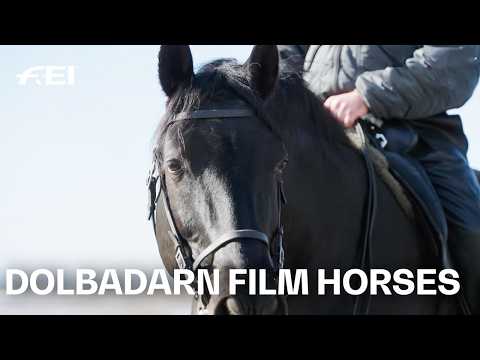
  • Dylan Jones - the horse master of films like Robin Hood or War Horse | RIDE presented by Longines
    Subscribe to our YouTube channel & hit the bell! ▷▷ http://go.fei.org/YouTube?d ▷▷ Exclusive videos on #FEItv: ...
    0 Reacties 0 aandelen 121 Views