• Déjà vu of the best kind for the Kings! 🤩 Round Day 2 | Longines FEI Jumping World Cup™ Final 2024
    In a repeat performance of Final I, Swedish sensations Henrik von Eckermann and King Edward soared to victory in Final II with a ...
    0 Σχόλια 0 Μοιράστηκε 312 Views
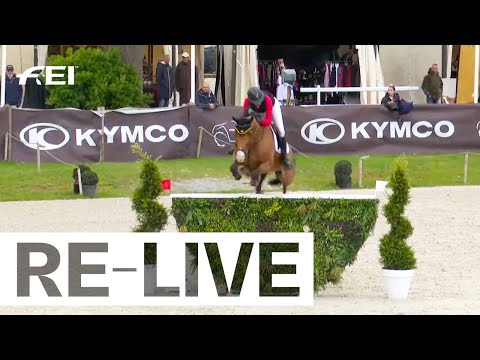
  • 🔴 LIVE | Ponies | FEI Jumping Nations Cup™ Youth 2024 Compiègne (FRA)
    Enjoy now the Pony competition of the FEI Jumping Nations Cup™ Youth 2024 in Compiègne (FRA) ▷▷ Subscribe to our ...
    0 Σχόλια 0 Μοιράστηκε 306 Views
  • 🔴 LIVE | Ponie Riders | FEI Jumping Nations Cup™ Youth 2024 Compiègne (FRA)
    Enjoy now the Ponie Rider's competition of the FEI Jumping Nations Cup™ Youth 2024 in Compiègne (FRA) ▷▷ Subscribe to ...
    0 Σχόλια 0 Μοιράστηκε 305 Views
  • Martinez Sommer Fernando & Lady Van De Haarterhoeve - GCL Mexico City 2024
    Keep up to date with GCL by following our social media: Instagram: @GCL_official Facebook: @OfficialGCL Twitter: ...
    0 Σχόλια 0 Μοιράστηκε 316 Views
  • WWW.JUSTHORSERIDERS.CO.UK
    What Breeds of Horses are Native to the UK: A Detailed Guide to British Equine Heritage
    Breed Characteristics Uses Shire Horse Tallest breed, gentle giants Shows, promotional activities Exmoor Pony Dark bay or brown, 'mealy' markings Rough terrain suitability, endurance Hackney Horse High-stepping trot, elegant Riding, jumping, dressage Suffolk Punch Chestnut colour, strong build Heavy farm work, shows Dartmoor Pony Small, hardy, gentle Children's riding, novice riders Fell Pony Agile, strong, versatile Riding, driving in rugged terrains New Forest Pony Versatile, used for riding and driving Family-friendly equestrian activities Shetland Pony Small, very strong, intelligent Driving, therapeutic activities Cleveland Bay Oldest horse breed, solid bay, powerful Riding, driving, historical uses British Spotted Pony Distinctive spotted coat, gentle Shows, children's riding The Rich Tapestry of UK Horse Breeds The United Kingdom boasts a diverse and storied equestrian heritage, characterized by a range of horse breeds each with its own unique history and characteristics. From the powerful shires to the nimble ponies, the native breeds of the UK offer a fascinating glimpse into the country's cultural fabric. The Majestic Shire Horse Originating from the shires of England, the Shire horse is renowned for its immense size and gentle temperament. Known as one of the tallest horse breeds, these gentle giants often exceed 17 hands in height. Their strength and friendly nature have historically made them invaluable in both agricultural and industrial settings. Today, they continue to captivate people in shows and promotional activities. Horse riding boots designed for heavy breeds can offer great support for riding such powerful horses. Historical Significance The Shire horse has a storied role in Britain’s industrial past, often seen pulling ale wagons from breweries to public houses—a sight that still charms spectators at parades and historical re-enactments. Learn more about the Shire horse. The Hardy Exmoor Pony Believed to be one of the oldest and most resilient horse breeds in Britain, the Exmoor pony thrives in the rugged landscapes of its namesake region. These ponies are particularly noted for their 'mealy' markings around the muzzle and eyes, which stand out against their dark bay or brown coats. Adaptation and Survival Exmoor ponies have adapted incredibly well to the harsh moorland conditions, a testament to their endurance and hardiness. This breed’s survival through the ages offers great insights into natural equine resilience and adaptation. Discover more about the Exmoor pony. Elegance and Utility: Hackney Horse and Suffolk Punch The Hackney Horse, celebrated for its impressive trot and aristocratic appearance, has become a symbol of refined elegance within the equestrian community. These horses are not just beautiful—they are also highly functional, excelling in both dressage and carriage driving. Performance and Prestige Known for their high-stepping gait, Hackney horses carry a certain panache that is hard to ignore in competitive driving and performance circles. Their agility and style make them favourites for parade and show purposes. Check out our collection of riding apparel that complements the elegance of riding a Hackney. The Suffolk Punch: A Testament to Strength The Suffolk Punch, with its robust build and striking chestnut coat, is a remarkable example of strength and durability. Originating in Suffolk, England, this breed is one of the oldest in Britain and is renowned for its capability in farm work. Despite facing near extinction, the Suffolk Punch has seen a revival in numbers thanks to dedicated breeding programs. Their calm demeanour and power make them ideal for heavy tasks. Learn more about the Suffolk Punch. From the Moors to the Fells: Dartmoor and Fell Ponies Dartmoor and Fell ponies are renowned for their resilience and adaptability, thriving in the challenging terrains of the UK. These breeds not only capture the essence of survival but also the spirit of the regions they inhabit. The Dartmoor Pony: A Gentle Companion The Dartmoor pony, with its gentle nature and sturdy build, is an excellent choice for both novice riders and experienced equestrians. Their amiable temperament makes them perfect for youth and therapeutic riding programs. The Fell Pony: Agile and Hardy The Fell pony, similar in stamina and hardiness to the Dartmoor, excels in riding, driving, and as a working animal in rural environments. Known for their agility and strength, Fell ponies are reliable partners for all kinds of equestrian activities. Read more about the Fell Pony. Unique Charms: New Forest and Shetland Ponies The New Forest Pony and the Shetland Pony each bring their own unique characteristics to the tapestry of British horse breeds. Both are beloved for their versatility, intelligence, and charm. The New Forest Pony: Versatile and Adaptable The New Forest Pony, originating from the New Forest in Southern England, is highly valued for its versatility in various equestrian disciplines. This breed is as comfortable pulling a cart as it is being ridden by children, making it a favourite for family-friendly equestrian activities. Explore gifts for pony lovers. The Shetland Pony: Small but Mighty The Shetland Pony, hailing from the Shetland Isles, is the smallest of the UK’s native breeds but stands out for its incredible strength and endurance. Despite their size, Shetland ponies are remarkably strong and capable, often used in driving and therapeutic settings. Learn more about the Shetland Pony. Cleveland Bay and British Spotted Pony: A Legacy of Distinction The Cleveland Bay and the British Spotted Pony represent the legacy and diversity of the UK's horse breeds. Each breed has a distinctive appearance and a rich history. The Cleveland Bay: England’s Oldest Horse Breed Known for its solid bay colour and powerful build, the Cleveland Bay is England's oldest horse breed, with a history of being used in both riding and driving. This breed has also served historically as a war horse and in royal carriages. Discover more about the Cleveland Bay. The British Spotted Pony: Delightfully Distinctive The British Spotted Pony is prized for its unique coat patterns and gentle nature, making it a popular choice for children and pony enthusiasts. Their distinct spots and friendly disposition contribute to their appeal at shows and private collections. Learn more about the British Spotted Pony. Conclusion: Celebrating Britain’s Equine Heritage Britain’s native horse breeds offer a rich narrative that spans centuries, each breed imbued with its own story and significance. These breeds not only embody the history and culture of the UK but also continue to enrich the modern equestrian landscape. Whether for work, sport, or companionship, these horses have played a vital role in shaping the equine world. As we continue to appreciate and conserve these magnificent breeds, we ensure their stories and their legacies carry on. For those interested in further exploring the wonders of the UK's native horse breeds, the sources cited throughout this blog provide a wealth of detailed information. Visit our store to find the perfect gear for riding and caring for these extraordinary animals. Asked by You Are there any horses native to the UK? Yes, the UK is home to several native breeds, including the Shire Horse, Suffolk Punch, and various pony breeds like the Exmoor, Dartmoor, and Shetland ponies. What horse breed originated in England? Several horse breeds originated in England, including the Cleveland Bay, which is the oldest horse breed from England, and others like the Hackney Horse. What is the oldest breed of horse in the UK? The Cleveland Bay is considered the oldest breed of horse in the UK, known for its strength and versatility. What ponies are native to England? England is native to several pony breeds, including the Dartmoor Pony, Exmoor Pony, and the New Forest Pony. Each breed has adapted to the unique landscapes and conditions of their regions.
    0 Σχόλια 0 Μοιράστηκε 546 Views
  • GLENOVALLEYSTABLES.COM
    Freshly Graded in the sunshine ☀️
    🐴🌳 🌞The sun is shining and the arena at Gleno Valley Stables is looking better than ever! Our team has been hard at work levelling and grooming the arena so come soak up some vitamin D ☀️🐎 #GlenoValleyStables #HorseRiding #ArenaPerfection #SunshineRides
    0 Σχόλια 0 Μοιράστηκε 445 Views
  • 🔴 LIVE | Young Riders | FEI Jumping Nations Cup™ Youth 2024 Compiègne (FRA)
    Enjoy now the Young Rider's competition of the FEI Jumping Nations Cup™ Youth 2024 in Compiègne (FRA) ▷▷ Subscribe to ...
    0 Σχόλια 0 Μοιράστηκε 405 Views
  • WWW.JUSTHORSERIDERS.CO.UK
    What is Join-Up with Horses: Unveiling Monty Roberts' Revolutionary Method
    Stage Description Key Signs of Readiness Free Movement The horse is allowed to move freely in the round pen, helping assess its temperament and state of mind. N/A Driving Away The trainer uses body language to establish a leadership role, guiding the horse around the pen like a dominant horse would. N/A Invitation to Join-Up Trainer adopts a passive posture to signal peace, inviting the horse to approach as a gesture of trust. Ear positioning towards trainer, slower movement, lowered head. Acceptance and Bonding Once the horse approaches, the trainer reinforces the bond through gentle touch and reassurance. Chewing or licking, smaller circles around the trainer. Impact of Join-Up A non-coercive method that enhances horse welfare, improves training effectiveness, and builds trust. General improvement in cooperation and calmness. What is Join-Up with Horses? Imagine stepping into a round pen with nothing but a rope halter and a long whip in your hands. Your heart races as a spirited horse circles around you, its mane flowing with every thunderous stride. This isn't just about taming a horse; it's about communicating in a language that transcends words. Welcome to the world of Join-Up, a revolutionary horse training method that hinges on mutual respect and trust rather than force. Understanding Join-Up Developed by Monty Roberts, famously known as the "Horse Whisperer," Join-Up explores the depth of non-verbal communication between humans and horses. This method isn't just effective—it's transformative, fostering a deep bond rooted in the natural instincts of the horse. By mirroring the body language of horses, trainers can effectively initiate a conversation that feels both primordial and profound. The magic begins in a round pen, where the horse is allowed to move freely, showcasing its personality and current emotional state. Here, the dance of Join-Up unfolds, as trainers use their body language to communicate dominance, safety, and invitation. These subtle cues are rooted in the horse's instinctual behavior within herd dynamics, where non-verbal signals dictate interactions. The Philosophy Behind Join-Up Monty Roberts' inspiration for Join-Up came from observing wild horses in nature. In the wild, a horse challenged by a leader will often choose to follow once they feel it is safe and beneficial. Roberts adapted these observations into a training methodology that eschews traditional coercive techniques in favor of compassion and understanding. Unlike conventional methods that often employ force, Join-Up establishes leadership through clarity and fairness. This approach not only reduces stress for the horse but also enhances the learning environment, making it more conducive to building a lasting relationship. Why Join-Up Matters in Modern Equestrian Practices In today’s equestrian world, where the welfare of animals is increasingly prioritized, Join-Up represents a significant shift towards more humane and ethical training practices. It’s a method that promises to turn fear-based reactions into trust-based responses, a change that can profoundly impact the horse's performance and well-being. As we dive deeper into the intricacies of Join-Up, remember that at its heart, this technique is about respect, patience, and the kind of leadership that earns loyalty, not fear. Stay tuned as we explore the step-by-step process of Join-Up in the next section of our guide, demystifying how to establish this remarkable connection. The Process of Join-Up The Join-Up process is a dance of cues and responses that takes place within the confines of a round pen. This environment provides a safe space where the horse can feel secure yet remains attentive to the trainer's commands. Here’s a detailed breakdown of how the Join-Up process typically unfolds: 1. Free Movement Initially, the horse is allowed to roam freely around the pen. This stage is crucial for assessing the horse's temperament and comfort level. It’s during this phase that the trainer gets a glimpse into the horse's psyche, understanding its fears, curiosities, and overall demeanor. 2. Driving Away Using subtle body language cues and minimal equipment like a lunge line, the trainer begins to guide the horse around the pen. This step is akin to how a dominant horse would behave in the wild, establishing the trainer’s position in the hierarchy without confrontation or coercion. 3. Invitation to Join-Up After establishing leadership, the trainer offers an invitation to Join-Up. This is done by adopting a passive body posture—turning away from the horse and lowering the eyes. These gestures signal peace and safety to the horse, encouraging it to close the distance and initiate contact. 4. Acceptance and Bonding The moment the horse chooses to approach, it signifies acceptance and trust. The trainer acknowledges this gesture by offering a gentle touch and verbal reassurance, which reinforces the bond and sets the stage for future training. Signs a Horse is Ready to Join-Up Several behavioral cues indicate a horse is ready to Join-Up. These are critical for trainers to recognize as they signal the horse’s acceptance of their leadership: Ear Positioning: The ear closest to the trainer will point towards them, indicating focus and attention. Decreased Speed and Lowered Head: Slowing down and lowering its head shows the horse is relaxed and submissive. Chewing or Licking: Such actions mean the horse is processing the interaction and becoming comfortable with the trainer's presence. Smaller Circles: Circling closer to the trainer signifies acknowledgment of their leadership. The Impact of Join-Up Monty Roberts' Join-Up method has significantly influenced modern horse training by promoting a non-coercive, respect-based approach. The technique not only enhances the horse's welfare but also improves the effectiveness of training sessions. Studies and anecdotal evidence suggest that horses trained under the Join-Up method show better focus, greater obedience, and a higher level of trust in their human handlers. This method has been adopted worldwide across various equestrian disciplines, proving its versatility and effectiveness. Whether you are an amateur enthusiast or a professional trainer, incorporating Join-Up into your training regimen can lead to profound benefits in both horse behaviour and performance. Why Join-Up Matters Understanding and implementing the Join-Up method goes beyond mere horse training; it revolutionizes the way humans interact with horses. This technique underscores a fundamental shift from dominance-based methods to a relationship founded on understanding and mutual respect. Such a shift is crucial in today's equestrian practice where the ethical treatment of animals is ever more paramount. The importance of Join-Up lies in its ability to enhance communication between horse and handler. It teaches that an approach based on calmness and non-confrontation is not only possible but preferable. The outcomes are clear: horses that are trained through Join-Up are generally more cooperative, calm, and connected with their handlers, leading to safer and more enjoyable interactions for both parties. Join-Up in Equestrian Sports Within the realm of equestrian sports, Join-Up has found a significant foothold. From dressage to competitive jumping, trainers who employ these methods report not only improved performance but also a noticeable increase in the horse's willingness to train and perform. It's a testament to the effectiveness of the method that respects the horse's psyche and builds a positive learning environment. Education and Ongoing Learning For those interested in learning more about the Join-Up method or becoming certified in Monty Roberts' techniques, there are numerous resources available. Workshops, books, and certification programs offer insights into the deeper aspects of horse psychology and effective communication strategies. This ongoing education helps to propagate ethical training methods across the global equestrian community. Conclusion In conclusion, Join-Up is not just a method but a philosophy that has reshaped how we think about horse training. Monty Roberts' vision of a gentler, respect-based approach has not only proven its efficacy but has also paved the way for more humane treatment of horses in all facets of handling and training. As we move forward, embracing these principles can lead to a more ethical and fulfilling partnership between humans and horses. For anyone involved in the care, training, or management of horses, adopting the Join-Up method could be a pivotal step towards achieving a deeper bond and a more responsive and engaged horse. The benefits of such an approach extend beyond the training pen, influencing every interaction with these majestic animals. If you're interested in adopting this method, consider exploring more resources or participating in training sessions. Embrace the change and see the profound impact it can have on your equestrian practices and your relationship with horses. Asked by You: Frequently Asked Questions What is Join-Up in horse training? Join-Up is a training method developed by Monty Roberts designed to build a bond of trust and respect between a horse and its trainer. It utilizes body language to communicate with the horse, mimicking the natural interactions seen in wild herds to encourage voluntary cooperation without the use of force. How do you know when your horse is ready to Join-Up? A horse is ready to Join-Up when it shows signs of acceptance and trust. Key indicators include the horse's ears pointing towards the trainer, a decrease in movement speed, a lowered head, and sometimes chewing or licking as signs of relaxation and submission. These signs suggest that the horse feels safe and is ready to engage more closely with the trainer. How do you Join-Up with a new horse? To Join-Up with a new horse, start by allowing it to move freely in a round pen to assess its natural behaviour and comfort level. Gradually begin guiding the horse using body language that establishes your role as a leader. After some time, adopt a passive posture that invites the horse to approach you, signaling a safe and peaceful interaction. If the horse approaches, reinforce this trust with calm and gentle reassurance. What is the Monty Roberts method? The Monty Roberts method, often synonymous with Join-Up, is based on his observations of natural horse behaviors. This method utilizes non-violent techniques to establish communication with horses. Monty Roberts' techniques are designed to replicate the silent language of the equine herd, promoting an environment of safety and respect where learning can occur.
    0 Σχόλια 0 Μοιράστηκε 420 Views
  • WWW.NOELLEFLOYD.COM
    Making Comebacks Bigger than Setbacks: A Q&A Session with Elite Equine CO
    This blog post was written by Liesl Ross, one of Elite Equine CO’s trainers, with photos provided by Wendy Collison with Spotlight Sports Photography and Gina Hluska. Gina Hluska grew up riding, competing, and training horses from a very young age. She started working at the racetrack as a veterinary assistant with a track veterinarian while also working as an assistant trainer exercising, ponying, treating, and training Thoroughbreds. She went on to become a veterinary technician in a prestigious performance horse practice working alongside some of the industry’s top veterinarians. While assisting in treating injured performance horses, both in the field and in-hospital settings, she realized the importance of rehabilitative and supportive veterinary care, so she went back to school and obtained the credentials and additional experience required to operate an equine rehab facility, first calledElite Equine Rehab. After a short time, she recognized the need for a sanctuary that offered in-house supportive veterinary care and rehabilitation for the performance horses that would otherwise be displaced or discarded; it is here that Elite Equine CO was born. Both Elite Equine Rehab and Elite Equine CO are based in Colorado Springs, CO. Liesl Ross: What first got you interested in providing a non-profit angle to your business?Gina Hluska: Honestly, I think it was some kind of divine intervention. Recognizing the need for performance horse rehabilitation while working as a vet tech, I wanted to provide a more non-invasive approach to equine healing and wellness. When I started Elite Equine CO, I never imagined the overwhelming need for rehabilitation for injured performance horses that were being dumped or passed along because either the client couldn’t afford to pay for the expense of rehab or simply weren’t willing to pay the costs of rehabilitation, especially considering the time lost performing or competing. I refer to it as the “drive-thru” mentality. It was easier, more convenient and overall less expensive than paying for the long road to recovery. Upon realizing this need, I would offer the horse solace and in-house non-invasive modalities during their rehabilitation at my facility. After doing this a few times, word spread and I was taking in more horses than pay clientele. This is when the need for Elite Equine Rescue was realized and by the Spring of 2018 we were officially recognized by the IRS as an accredited 501c3 Non-profit organization.Liesl Ross: Can you tell us about one of your most rewarding rehab cases?Gina Hluska: Gosh, that’s hard. There are so many that it makes it difficult to name just one because they all have a story, some are just more profound than others! I think one that really stands out in my mind is a successful 1.49m jumper Zangersheide gelding that developed lameness in the right front that progressively worsened. The owner had imaging that included radiographs and ultrasounds from the shoulder to the hoof; the results were unremarkable and deemed inconclusive. Their vet then recommended MRI imaging of the hoof capsule but due to the fact that there was no “smoking gun” on preliminary imaging and that the horse was already seventeen years old, the owner declined further work-up and decided to surrender him to us. He was grade-4 lame upon arrival. After spending time evaluating his movement and behavior while being turned out, I felt that the lameness had nothing to do with his foot and was located elsewhere. He acted depressed and “ouchy” overall, not just a hoof lameness. I consulted with our veterinarian, and she concurred. She performed further exams and found displacement in his c-spine which she suspected may have been causing the pain, inflammation, and possible nerve impingement. We began treating the c-spine with PEMF, laser and kinesiology. We also added our proprietary blend herbal anti-inflammatory supplement to his grain. After month-one, he was exhibiting a normal gait and was revealing more of his personality. He was coming back to life. We started him back with a change in shoes and lunging in the Equicore system to rebuild muscle and strengthen his core. After another sixty days he was ready to start training under-saddle again. He spent three weeks working on the flat, and before I knew it, he started hunting the jumps on his own in the middle of the arena. Honestly, I was a little hesitant to proceed with anything vertical, but he said he was ready, so we did a couple of cross-rail lines and he never looked back. He only progressed from there. He never showed regression or any degree of lameness. While training one day, a family watching their daughter in a lesson and saw this big guy and expressed interest. After her daughter completed her lesson, I offered to have the daughter try him. It was a serendipitous encounter. The 14 year old daughter hopped on and fell in love with him. They were beautiful together! They decided they wanted him right then and there and we made the re-homing official the following week and have since gone on to successfully compete together. I look forward to following their continued success. Liesl Ross: For folks who go into the profit side of the rehab facility, are their payments for your services tax deductible since they support the non-profit side?Gina Hluska: Unfortunately, no. In order for the "donation" to be a donation, there has to be something called "donative intent,” which is essentially the intention to give something without getting or expecting anything in return. If services are provided in exchange for payment, then that is a purchase of services rather than a donation , then the payment is not deductible as a charitable contribution.However, under tax law, it is possible for a payment to be considered partially a donation and partially for a payment for goods or services. This occurs when a person intends to pay, and actually pays more than the fair market value of goods or services received in return for payment. Since there is donative intent with respect to the amount paid above fair market value, that amount is tax deductible. *The specific information in the text above regards to the rule found in Section 1.170A-1(h) of the Treasury Regulations. Liesl Ross: How do you take in the non-profit cases, do you find horses at various auctions or facilities, or do owners contact you and say they need financial assistance in rehabbing their horse? Does someone need to donate their horse to get assistance?Gina Hluska: The horses we get in on surrender basis typically are referred through word of mouth. We don't participate in auctions or like facility pulls. Instead, we try to intervene by offering our services here and get those horses in need before they take their ill-fated trailer ride to the auctions or kill sales.Liesl Ross: What happens to the horses when they are ready to be rehomed? Can you find them available for adoption on your website?Gina Hluska: Once the horses have completed the rehab process, we then place them into our assessment and retraining program. Most of the rescue horses we get in come right out of the career field that they were performing or competing in. It is our job to assess them to learn their skill, training and handling level. Then, we place them in our training program to instill proper foundation and additional skill sets to ensure their success after rehoming. Upon completion, we then offer these horses for adoption to qualified buyers. We do list available horses on our website, yes. We also list the available horses on our social media platforms as well.Liesl Ross: What do you want the equestrian community to know about the performance horses that you rehome?Gina Hluska: We often get horses that have been discarded due to a misdiagnosis or because the previous owner was unwilling or unable to take the time to rehab the injury incurred. I have had horses from every discipline and breed. I’ve had a $10,000 barrel horse to a $250,000 Grand Prix jumper. When those horses are treated with proper treatments, supportive care and the ability to heal at their rate they often come back to be even better than they were prior to the injury they sustained… making their comeback bigger than their setback. Given the proper care, they not only heal the injury, but also achieve both a systemic and emotional reset.In other cases, we make comebacks a reality in restarting pedigreed Thoroughbred racehorses with slumping racing careers for new careers in disciplines such as Hunter Jumpers in our retraining program. Where some see failure in their previous career, we see a bright future in a new career and work to set them up for success. With the proper foundation in their new skill, the dream of competing at the highest levels can quickly become a reality. These horses are all gems! They come in with years of experience and training and others are so eager to start a new career, but all deserve the best care and chance of success in the future. They come back with a new appreciation for people and are looking for their “person” to bond and share the rest of their lives with. Those who aren’t willing to even entertain the idea of a rescue have no idea what they’re missing. Together, we can make comebacks bigger than setbacks changing the lives of these equine athletes as well.
    0 Σχόλια 0 Μοιράστηκε 481 Views
  • 🔴 LIVE | Juniors | FEI Jumping Nations Cup™ Youth 2024 Compiègne (FRA)
    Enjoy now the Young Juniors' competition of the FEI Jumping Nations Cup™ Youth 2024 in Compiègne (FRA) ▷▷ Subscribe to ...
    0 Σχόλια 0 Μοιράστηκε 298 Views