• WWW.JUSTHORSERIDERS.CO.UK
    Charlotte Dujardin Comeback: The UK Rider Playbook
    11 min read Last updated: January 2026 Planning a comeback under scrutiny and keen to rebuild ring confidence without risking welfare or reputation? This playbook distils Charlotte Dujardins measured return into actionable steps you can copystart domestically, rotate horses, manage permissionsand includes a simple 12week UK schedule to rebuild scores, confidence and selection credentials. Quick Summary Short on time? Here are the key takeaways. Area: Comeback Blueprint What To Do: Map 12 weeks: start one level below your peak, increase frequency, hold the level once scores stabilise, then step up. Rehearse travel/warmup/test routines at home. Why It Matters: A staged plan rebuilds confidence and ring craft without overfacing horse or rider. Common Mistake: Jumping straight to big classes before consistency is proven. Area: Start Domestic What To Do: Choose quiet UK venues (e.g., Hunters, Hartpury) and enter two classes per outing. Aim for relaxed, accurate tests over 70% before levelling up. Why It Matters: Lowkey starts reduce pressure and variables so you can refine basics. Common Mistake: Chasing highprofile arenas too soon. Area: Rotate Horse String What To Do: Campaign 23 suitable horses, rotating starts to share workload and build depth. Track each horses recovery and way of going in a simple diary. Why It Matters: A balanced string keeps form high without overusing one horse. Common Mistake: Overstarting a single horse to chase results. Area: Selection & Entries What To Do: Compete domestically under BD rules; apply to British Dressage for FEI selection only once youre reliably 73%+ and horses are fit. Keep passports, vaccinations and registrations current early. Why It Matters: Correct permissions and admin prevent refusals and lastminute stress. Common Mistake: Requesting internationals before scores and paperwork back you up. Area: WelfareFirst Training What To Do: Film two sessions weekly, audit contact and aid use, and set red lines (no excessive rein pressure or repeated whip strikes). Step back if a movement needs stronger aids. Why It Matters: Visible best practice protects the horse and your career. Common Mistake: Riding through tension with more leg or whip. Area: Handle Scrutiny What To Do: Keep statements minimal and let tidy, consistent tests speak; share occasional clips of quiet riding and stretchy work. Choose venues where you and the horse are relaxed. Why It Matters: Controlled messaging and clean performance rebuild trust faster than words. Common Mistake: Overexplaining online while results and pictures say otherwise. Area: Autumn/Winter Plan What To Do: Prioritise indoor fixtures (Hartpury, Wellington), stack two starts per outing, and set a weatherwindow policy to avoid unsafe travel. Lighten workload DecJan with hacking and basics. Why It Matters: Smart scheduling preserves confidence, soundness and momentum through UK weather. Common Mistake: Forcing entries in high winds, ice or deep going. Area: Score Benchmarks What To Do: Dont move up until youre consistently over 70%; target 73%+ before seeking FEI starts. Practise doubleclean home runs with a 10minute walk break to test repeatability. Why It Matters: Dataled progression builds a strong selection case and ring stamina. Common Mistake: Levelhopping after one flashy test. In This Guide When did Charlotte Dujardin return, and what did she win first? What are her international results since the comeback? Can she target LA 2028, and what entries require permission? How should you structure your own comeback season? How do you train hard without crossing welfare lines? How should you handle scrutiny and protect your reputation after a break? How should you plan your UK autumn/winter competition schedule? Charlotte Dujardin is winning again. After serving an FEI suspension prompted by a training video, she returned to competition in July 2025 and has since gone nine-for-nine across domestic and international tests with scores up to 78.67%.Key takeaway: Dujardins measured comeback starting quietly at home, building depth with multiple horses, and keeping training impeccably welfarefocused is the playbook UK riders should follow when returning to the centre line under scrutiny.When did Charlotte Dujardin return, and what did she win first?Dujardin made her competitive return on 27 July 2025 at Hunters Equestrian, winning Advanced Medium 3 on 74.46% and Advanced Medium 4 on 76.71% with Special Effekt. This came after a provisional suspension began on 23 July 2024 and a oneyear FEI ban and fine were imposed, with the suspension completed in December 2025.Gloucestershires Hunters Equestrian provided a lowkey, domestic springboard under British Dressage rules. Returning at Advanced Medium allowed her to re-establish accuracy, relaxation and ring craft without the pressure of immediate Grand Prix starts. Choosing a contained indoor-style environment in the UK summer-to-autumn window also reduced weather variables and travel stress for a horse resuming mileage.Within weeks she broadened the plan: at Hartpury University she put big medium marks on the board with Secret Agent to 78.67% and stepped Special Effekt up to a Prix St Georges debut win on 73.97%. The pattern is clear: frequent class starts, calculated level progression, and consistently north of 73% to build form and confidence.What are her international results since the comeback?At Wellington International (1112 October 2025), Dujardin won both the CDI3* Grand Prix (73.74%) and the Grand Prix Special (72.83%) on Brave Heart II. Her tests were broadly clean, with only a minor trot halfpass issue noted.This was her public international reentry: measured, tidy and emphatically competitive. Brave Heart II provided the horsepower to reassert her technical standard at CDI3* without leaping straight into championship-level pressure. Since then, she has maintained a 100% strike rate across nine tests on different horses the hallmark of a rider managing a string intelligently as well as riding brilliantly.Notably, Dujardin also chose to sell Alive And Kicking (All At Once x Frst Piccolo), once an Olympic-hopeful mount. Moving horses on is a strategic decision top riders make to balance strings, rider time, and owners goals and it often clears bandwidth to campaign the horses best suited to immediate targets.Can she target LA 2028, and what entries require permission?Yes the British Olympic Association has indicated it would welcome Dujardin back for LA 2028 qualification; there are no BOA barriers once the FEI ban has run its course. For internationals, she requires British Dressage (under the British Equestrian Federation) selection approval; domestic UK competitions need no such permission.In practice, thats the pathway weve seen: domestic starts (e.g., Hunters, Hartpury) require standard entries and BD membership/registration rules only. Once you want to compete overseas or at FEIsanctioned events in Britain, you need selection approval from British Dressage as evidenced by her Wellington entry. Riders planning a similar route should map their domestic calendar first, then apply for selection when test quality, horse fitness and recent scores are strong and consistent.Quick tip: Keep your horse passports, vaccinations and registrations current early in the season; selection panels appreciate riders who have their admin immaculate alongside their scores.How should you structure your own comeback season?Start with domestic, confidencebuilding classes at a slightly lower level than your previous peak, then step up once youre reliably over 70% and the work feels repeatable at home and away. This is exactly how Dujardin moved from Advanced Medium to PSG domestically before reappearing at CDI3* Grand Prix.Heres a practical UK template you can adapt: Weeks 14: Enter quiet domestic shows (e.g., venues like Hunters Equestrian or Hartpury). Aim for 7074% to show relaxation and accuracy before moving levels. Weeks 58: Increase frequency slightly. Mix mediums with first PSG starts if scores and way of going are stable. Weeks 912: Hold the level. Win or place consistently; target 73%+ averages as your selection case builds. Only then consider FEI classes.Build a string with range. Dujardins comeback model used versatile 6 to 11yearold horses (e.g., Secret Agent, Brave Heart II) so she could compete often without overloading any one horse. If youre running a two or threehorse string, rotate starts to keep each horse fresh. A simple training diarywhether a notebook or an applets you track heart rates, recovery, and scores against conditions and venues.At Just Horse Riders, we recommend setting your return to form checklist before the first start: Tack fit verified (especially girths and saddles) and comfortchecked weekly. Gymnastic basics banked: transitions, straightness, and lateral work without tension. Travel routine rehearsed: load, travel, warmup, test, and cooldown times rehearsed at home.For kit, keep it practical and compliant: Choose FEIcompliant dressage whips and keep aids light. Your third leg is precision, not punishment. For autumn travel and chilly collecting rings, pack breathable rugs; see our curated winter turnout rugs or consider performance options from LeMieux for smart show-day layering. Protect legs with supportive boots; our horse boots and bandages selection covers everyday schooling and competition needs. Refresh your show wardrobe to meet BD standards and look ringready from day one browse womens competition clothing for jackets, shirts and breeches that perform under pressure.Pro tip: Bank double clean runs at home. Ride a test start-to-finish twice in one schooling session, with a 10-minute walk break between. If both runs are accurate and relaxed, youre ready to take it on the road.How do you train hard without crossing welfare lines?Record your schooling, audit your aids, and follow FEIaligned, horsefriendly training principles that avoid tension and coercion. A single careless video can undo years of work, so your best protection is visible best practice every day.Dujardins ban followed a video showing repeated whipping during training and carried a fine of nearly 99,000 alongside a years suspension. The lesson for every rider is straightforward: if it wouldnt look right on camera, dont do it and if your horse cant offer a movement without escalating pressure, the answer is to go back a step in training, not forward into stronger aids.Be careful what you wish for, warned Carl Hester (Olympic gold medallist and British team rider) about FEI rules revisions as welfare debates intensify. His point: poorly considered changes can ripple through the sport in unintended ways.Laura Tomlinson (Olympic medallist) has cautioned that dressage faces a turning point under public scrutiny on welfare and judging; if traditions dont evolve, the sport risks being shut down.Put welfare at the centre of your programme: Film two sessions a week. Review contact, leg and whip use, and the horses expression. Save clips that show your standard. Set red lines: no excessive rein pressure, no repeated whip strikes, no riding through clear signs of stress (tail swishing, grinding, irregular steps). Keep your tack fair. Check noseband tightness with a proper twofinger gap, and ensure girths arent overtightened across the sternum. Prioritise recovery: cooling legs, walking off, and prompt grooming. Our grooming essentials help you spot heat, swellings, or rubs early. Fuel the work: discuss electrolyte and joint support with your vet or nutritionist and browse targeted supplements to support your horses workload.Quick tip: Swap add more leg for improve the balance. Many resistance issues vanish if you ride a clearer line, rebalance the canter, and allow the neck. Correct biomechanics beat stronger aids every time.How should you handle scrutiny and protect your reputation after a break?Keep statements limited early on and let consistent, tidy tests do the talking; target lowkey wins before stepping into marquee arenas. Dujardins choice to start domestically, then pick a contained, quality CDI (Wellington) delivered exactly that.In the social media age, you need a plan as robust as your daily warmup: Ring craft over razzle-dazzle: stability scores above 70% build your selection case and quieten noise. Publish your standards: occasional training clips that showcase quiet riding, generous pats, and stretchy work do more for your brand than any caption. Control the controllables: immaculate turnout and compliant kit signal professionalism. A correctly fitted hat is nonnegotiable browse approved riding helmets to tick safety and style. Choose your venues: start where you and your horse feel relaxed. Indoor surfaces and familiar stewards can halve your risk of gremlins.At Just Horse Riders, weve seen our customers rebuild smartly by focusing on routines: same warm-up structure, same saddle pad, same lorry parking habits. Predictability often outperforms perfection.How should you plan your UK autumn/winter competition schedule?Favour indoor venues like Hartpury and Wellington from September to November, manage mud and chill with breathable layers, and use regional finals to progress towards nationals. UK autumn conditions suit comebacks if you plan for surfaces, travel, and horse condition.Heres a season builder that mirrors the principles behind Dujardins return: SeptemberOctober: Hartpury/Wellington/Gloucestershire fixtures for consistent footing and stewarding. Stack two starts per outing (e.g., Medium 73, PSG) to build ring stamina. November: Maintain frequency with one start most weekends. Track scores aiming to qualify for regional finals and, in time, national championships. DecemberJanuary: Lighten the load. Cross-train, hack for wind and limb health, and school the basics. If fields are heavy, keep fitness with arena interval sets.Gear that makes winter work: Layering for horses: breathable rugs that shed showers and wick sweat in the lorry; see our proven turnout rug range for winter weights and cuts that suit UK mud and chill. Leg protection: travel and schooling protection matter when youre competing often; explore our horse boots and bandages to prevent knocks and overreaches. Rider comfort: wet or windy collecting rings test concentration; invest in grippy footwear and neat show kit from coats to breeches via our competition clothing picks. Head to toe safety: a snug, standardscompliant hat is essential in winter winds; check fits across our riding helmets. Show-day polish: keep coats clean and skin healthy when bathing is limited; the right grooming tools and wipes go a long way in cold barns. Finishing touches: branded layers that wash well and look sharp; explore performance pieces from LeMieux that stand up to frequent travel.Pro tip: Set a weather window policy. If winds or ice threaten safe travel or footing, push the entry. Protecting confidence and soundness beats chasing one more sheet of paper.FAQsWhen did Charlotte Dujardins suspension end, and could she aim for LA 2028?Her FEI suspension followed a provisional ban from 23 July 2024 and was completed in December 2025. The British Olympic Association has signalled it would welcome her into LA 2028 qualification, so theres no BOA barrier once the FEI process is done.What were her first results back?On 27 July 2025 at Hunters Equestrian (Gloucestershire) she won Advanced Medium 3 on 74.46% and Advanced Medium 4 on 76.71% with Special Effekt, then produced domestic wins at Hartpury up to 78.67% with Secret Agent and a 73.97% PSG debut for Special Effekt.How did she perform at her international comeback?At Wellington International CDI3* (1112 October 2025), she won the Grand Prix on 73.74% and the Grand Prix Special on 72.83% with Brave Heart II, with no major errors beyond a small trot halfpass mistake.Does she need permission to compete now?Not for domestic UK shows entered under British Dressage rules. Yes for FEI internationals British Dressage (under the British Equestrian Federation) must approve selection and entries.What welfare issue led to her ban?A training video showing repeated whipping led the FEI to impose a oneyear suspension and a fine close to 99,000. The incident has intensified focus on horsefriendly training and responsible use of the whip.Is dressage at risk if welfare concerns arent addressed?Olympic medallists Carl Hester and Laura Tomlinson have warned that public scrutiny of welfare and judging could threaten dressages future if traditions dont evolve and rules arent implemented thoughtfully.What can I copy from her comeback for my own season?Start domestically at a slightly lower level, compete frequently for consistent 73%+ marks, rotate a small string of horses to avoid overuse, film and audit training for welfare, and seek BD selection for internationals only when your scores and horse fitness are rock solid.Ready to plan your return? Build your checklist, book those local starts, and stock the lorry with the right kit from breathable winter turnout rugs to protective boots and bandages and ringsmart competition clothing. If you need help choosing, our team at Just Horse Riders is here to help you and your horse step back between the boards with confidence. Shop the Essentials Everything mentioned in this guide, ready to browse. Shop Turnout RugsShop Boots & BandagesShop Competition WearShop Riding HelmetsShop Grooming Kit
    0 Comentários 0 Compartilhamentos 236 Visualizações
  • GRANSHAEQUESTRIAN.COM
    May Group Lessons
    May Group Riding Lessons Now Open for Booking. Enjoy the fresh air, lighter evenings, and a wonderful atmosphere as you ride alongside friends old and new. Whether you're building confidence or developing your skills, theres no better season to make progress and have fun. Bookings can be made easily through the app or website. New riders are kindly reminded to complete the Rider Registration Form before attending.Make May a month of sunshine, success, and unforgettable moments in the saddle!We cant wait to see you all!
    0 Comentários 0 Compartilhamentos 209 Visualizações
  • WWW.JUSTHORSERIDERS.CO.UK
    Gastric Ulcers In Horses: Keep Forage Flowing, Starch Low
    9 min read Last updated: January 2026 Seeing girthiness, grumpiness, or slipping performance and wondering if ulcers are to blame? This practical guide shows you how to keep forage flowing, starch low, and electrolytes sensibleplus the simple habit of avoiding >6-hour forage gaps that quadruple riskso your horse stays comfortable, confident, and ready to work. Quick Summary Short on time? Here are the key takeaways. Area: Continuous Forage Access What To Do: Provide adlib hay/haylage with multiple small haynets and a latenight topup. Use slowfeeders or mix clean straw to extend chew time. Why It Matters: Continuous fibre prevents >6hour fasting gaps that quadruple ulcer risk. Common Mistake: Relying on twicedaily hay drops that leave long overnight empty periods. Area: Fibre-First, Low Starch What To Do: Keep starch under 1 g/kg bodyweight per meal and under 2 g/kg per day, and split hard feeds into three or more small meals. Build calories from beet, oil and fibre, and include up to 30% clean straw if needed. Why It Matters: Staying within limits markedly reduces EGUS risk compared with highstarch feeding. Common Mistake: Serving large cereal meals, especially close to work, or ignoring starch totals. Area: Sensible Electrolytes What To Do: Use daily pelleted sodium chloride or measured powders to replace sweat, and always provide fresh water. Dose consistently after work and in hot weather. Why It Matters: Proper electrolyte replacement supports performance without harming the gastric mucosa. Common Mistake: Giving strong hypertonic liquid boluses or relying solely on freechoice licks. Area: Pre-Ride Fibre Buffer What To Do: Offer 12 large handfuls of soft chaff or soaked beet 4560 minutes before exercise or travel. Avoid riding immediately after hard feeds. Why It Matters: A fibre mat and saliva help limit acid splash onto the squamous lining during work. Common Mistake: Exercising on an empty stomach. Area: Maximise Turnout & Comfort What To Do: Maximise turnout, even in short daylight windows, and use wellfitted, weatherappropriate rugs to keep horses comfortable and moving. Why It Matters: Movement and reduced box stress promote digestion and reduce ulcer risk. Common Mistake: Prolonged stabling in bad weather without comfort measures or forage planning. Area: Travel Smart What To Do: Load with fibre on board, hang a smallholed haynet, plan water stops, and fit travel protection correctly. Reoffer forage promptly on arrival. Why It Matters: Managing stress and preventing fasting during travel protects the stomach. Common Mistake: Travelling horses fasted or without water access. Area: Vet Diagnosis & Treatment What To Do: In suspected cases, arrange gastroscopy and follow a 2128 day omeprazole plan alongside foragefirst, lowstarch management. Review progress with your vet. Why It Matters: Accurate diagnosis and targeted therapy resolve ulcers faster and prevent relapse. Common Mistake: Delaying vet involvement or expecting feeds/supplements to treat ulcers. Area: Monitor & Adapt Seasonally What To Do: Track body condition, appetite, hay/water intake and ride notes weekly, and adjust routines by season (winter slowfeeding; summer electrolytes and shade). Act early on behaviour or performance changes. Why It Matters: Regular monitoring catches issues sooner and keeps management aligned with risk. Common Mistake: Sticking to a fixed routine and overlooking subtle warning signs. In This Guide What is EGUS and how common is it? Why do forage gaps and stabling drive ulcers? Feed for the stomach: starch limits and fibre Salt, electrolytes and ulcers: what the science says Exercise, travel and pre-ride buffers Treatment, when to call the vet, and UK labelling rules Seasonal checklist for UK yards Spotting signs early and what to monitor Girthiness, grumpiness, a dip in performance gastric ulcers can hide behind everyday behaviour. With UK horses often stabled in wet winters and training through changeable seasons, smart management is your most powerful defence.Key takeaway: Keep forage flowing, starch low, and electrolytes sensible and work with your vet for diagnosis and treatment.What is EGUS and how common is it?Equine Gastric Ulcer Syndrome (EGUS) is widespread, affecting around 1 in 3 equines, with foals also highly susceptible. The British Horse Society (BHS) highlights how modern management and exercise elevate risk and recommends early veterinary involvement for suspected cases. (BHS)Ulcers can occur in the squamous (upper) or glandular (lower) regions of the horses stomach. Squamous disease is often linked to acid splash during fasting and work; glandular disease is more associated with mucosal defence breakdown. In one study, 83% of horses presenting with recurrent colic had gastric ulcers, underlining how commonly digestive discomfort and colic overlap (ECVIM via PMC).Because many horses are stoic, you may see subtle signs rather than overt pain. Thats why prevention-focused routines and timely vet checks are crucial.Why do forage gaps and stabling drive ulcers?Going more than six hours without forage increases the likelihood of gastric ulcers four-fold. The BHS notes that extended periods without fibre and blood-flow changes during exercise allow acid to splash onto the unprotected squamous lining, increasing risk (Mad Barn; BHS).In the UK, prolonged stabling is common in wet or icy weather. Twice-daily hay and hard feeds can create long fasting gaps, exactly when ulcer risk peaks. Counter this with: Ad-lib hay/haylage or multiple small haynets through the day and late evening. Slow-feeding solutions and mixing in clean straw to extend chew time. Maximising turnout with sufficient grass cover, even short daylight windows. Buffering before work (see below), and avoiding exercise on an empty stomach.Turnout is easier when your horse is comfortable outdoors. A well-fitted, weather-appropriate rug keeps muscles warm and encourages movement. See our curated winter turnout rugs for wet, windy weeks, and choose breathable stable rugs to keep cosy and reduce stress on box-rest days.Feed for the stomach: starch limits and fibreKeep starch under 1 g/kg body weight per meal and under 2 g/kg per day, and prioritise continuous fibre. Exceeding these limits significantly increases EGUS risk over 2 g/kg daily doubles the odds; over 1 g/kg per meal raises risk 2.6-fold (Saracen Horse Feeds).Practical ways to implement this on UK yards: Base the ration on forage first. For a 500 kg horse, aim to keep any single meals starch below 500 g and the days total below 1,000 g. Split hard feeds into three or more small meals if needed. Use chaff or soaked fibre to slow intake and increase chewing time. Include straw safely: current advice supports up to 30% of the daily ration, even in ulcer-prone horses (Carrs Billington). Choose low-starch performance feeds and add oil or beet for calories, not cereal starch. Ensure salt and electrolytes are covered appropriately (see below), and keep fresh water always available.Pro tip: If your horse bolts hay, a robust slow-feeder or double-net arrangement can stop the 11 pm6 am empty window that commonly drives overnight splash ulcers. Many of our customers pair quality nets with durable options from Shires to make ad-lib access last.Salt, electrolytes and ulcers: what the science saysPelleted sodium chloride is safe for the gastric lining and an effective way to replace sweat losses when fresh water is available. Two independent sources confirm no negative effects on gastric mucosa in exercising horses supplemented with sodium chloride pellets, even where 8385% already had lesions at the start. The initial prevalence of gastric ulcers at the start of the study was 83%, and sodium chloride did not have any negative effects on the gastric mucosa throughout the study period. Catherine Whitehouse, M.S., Nutrition Advisor at Kentucky Equine Research (KER) Daily NaCl pellet supplementation is a palatable and safe way to replace electrolyte losses from sweating in exercising horses and has no negative effects on the gastric mucosa. 2023 German researchers (PMC)What about salt licks and liquid electrolytes? Forum chatter is mixed, but the latest controlled work supports pelleted sodium chloride with water freely available. Historically, some studies suggested excessive bolus dosing with hypertonic liquid electrolytes could irritate the stomach; sensible, daily pellet use hasnt shown harm in peer-reviewed settings.At Just Horse Riders, we recommend covering daily sodium needs and replacing sweat in training with well-formulated options from our supplements range choose pelleted or powdered forms and always provide ample water. Popular electrolyte products from trusted brands like NAF make it easy to stay consistent. If you suspect ulcers, speak to your vet; gastroscopy is the gold standard for diagnosis and monitoring.Exercise, travel and pre-ride buffersFeed a small handful of soft fibre (for example, alfalfa chaff) about one hour before exercise or travel to buffer acid and reduce splash injury. This simple step increases saliva production and provides a physical mat to protect the squamous mucosa during work and loading (Mad Barn).Practical pre-ride routine: Offer 12 large handfuls of soft chaff or soaked beet 4560 minutes before you tack up. Avoid riding straight after hard feed; keep cereal starch for hours youre not working. Before travel, load with fibre on board and hang a small-holed haynet to keep chewing. Replace sweat losses after work (see electrolytes above) and re-offer forage promptly.Quick tip: Travel can be a double stressor movement plus fasting. Protect legs and reduce anxiety with well-fitted travel protection from our horse boots and bandages, and plan water stops for longer journeys.Treatment, when to call the vet, and UK labelling rulesConfirmed gastric ulcers require equine-specific omeprazole for 2128 days under veterinary supervision, alongside turnout, ad-lib forage and reduced training load. The BHS advises that correct diagnosis via gastroscopy plus targeted medication and management changes are the fastest route to recovery (BHS).Important UK point: By law, feed and supplement labels must not claim to prevent, treat, or affect gastric ulcers or gastric pH, and must advise consulting a vet if ulcers are suspected (GOV.UK guidance). At Just Horse Riders, we respect this framework. Use feeds and supplements to support overall nutrition and hydration; use prescription medication for diagnosed disease.Pro tip: After a treatment course, keep the same management that helped healing continuous fibre, low starch, sensible electrolytes, and stress reduction. If signs return, speak to your vet promptly; some horses need longer therapy or targeted glandular protocols.Seasonal checklist for UK yardsAdapt your routine to the season: in winter, focus on ad-lib forage and turnout; in summer, prioritise sweat replacement, grazing management and travel prep. Heres a quick UK-focused checklist to reduce ulcer risk year-round: Winter and wet spells Prevent >6-hour hay gaps with night-time slow feeding and late checks. Maximise turnout windows with weather-appropriate rugs and firm footing. Keep exercise steady rather than stopstart; avoid fasted work. Spring grass Transition carefully; dont drop fibre access in the yard just because fields look lush. Maintain low-starch concentrate rules during fitness rebuilding. Summer training and shows Use pelleted electrolytes daily in working horses and ensure water is freely available. Buffer with fibre before early-morning schooling and travel. Plan shade, water and post-ride forage at competitions. Autumn routines As grass drops, increase forage before the clocks change to prevent sudden fasting gaps. Check fit and condition; adjust calories with oil/fibre, not cereal starch. Spotting signs early and what to monitorWatch for weight loss, dullness, girthiness, reduced performance, recurrent colic and teeth grinding some horses show no obvious signs. Behavioural changes around saddling, rugs, or grooming can also be red flags (BHS).What to track each week: Body condition, topline and coat shine. Appetite, hay/haylage consumption and water intake. Ride notes: willingness, transitions, spooking from leg, or reluctance to go forward. Drops in competition scores or training consistency.Daily hands-on checks keep you close to changes. Build it into your grooming routine our grooming collection helps you spot subtle soreness or coat dullness earlier.FAQsDo salt licks worsen gastric ulcers?No recent evidence shows pelleted sodium chloride does not harm the gastric mucosa, even where 8385% of exercising horses already had lesions at study start (KER; PMC). Provide fresh water at all times and monitor with your vet if ulcers are suspected. If your horse over-consumes a lick, switch to measured pellets or powders.Can my horse have electrolytes in summer if theyve had ulcers?Yes. Daily pelleted sodium chloride is a palatable, safe way to replace sweat losses in working horses when water is available (PMC). Avoid excessive hypertonic liquid boluses. See our curated electrolyte and supplement options and consult your vet if youre managing a current case.How much straw is safe for ulcer-prone ponies?Current UK feeding guidance supports including up to 30% straw in the total daily ration, even in ulcer-prone horses and ponies (Carrs Billington). Use clean, soft barley or wheat straw, introduce gradually, and ensure ample water.What starch limits should I use to reduce EGUS risk?Keep starch under 1 g/kg body weight per meal and under 2 g/kg per day. Exceeding these limits increases ulcer risk 22.6 times in studies (Saracen Horse Feeds). Build calories from fibre, beet and oil instead of cereal starch.How does stabling affect ulcer risk in UK horses?Fasting periods over six hours quadruple ulcer risk (Mad Barn). UK winter routines often create long overnight gaps; solve this with ad-lib forage, slow-feeders, and later-night top-ups. Comfortable turnout with the right rug also reduces box-related stress explore our weather-ready turnout rugs and warm stable rugs.Whats the best pre-ride feed to protect the stomach?Offer a small handful of soft fibre (e.g., alfalfa chaff) about one hour before exercise or travel. This buffers acid and reduces splash onto the squamous mucosa (Mad Barn). Avoid riding immediately after hard feeds.What is the gold standard for diagnosis and treatment?Gastroscopy confirms the presence and type of ulcer. Treatment for confirmed cases is equine-specific omeprazole for 2128 days under veterinary supervision, plus management changes (forage-first, low-starch, stress reduction) as emphasised by the BHS. UK labelling rules prohibit feed products from claiming to treat ulcers (GOV.UK).At Just Horse Riders, were here to help you put a practical plan into action from ad-lib forage strategies to smart pre-ride buffers and sensible electrolytes so your horse can stay comfortable, confident and ready to work. Shop the Essentials Everything mentioned in this guide, ready to browse. Shop SupplementsShop Turnout RugsShop Stable RugsShop Boots & BandagesShop Grooming Kit
    0 Comentários 0 Compartilhamentos 244 Visualizações
  • BOSANKOSPORTSHORSES.COM
    Chard International success for Bsh graduates ..
    Delighted to see Arizona Ospa Z coming 2nd in the CSI 2 * large tour at chard internationalat only 8 years old This son of aganix de seigneur Sold by us to Sian Mileham his regular jockey , this week with Alfie bradstock in the saddle #bshgraduate
    0 Comentários 0 Compartilhamentos 239 Visualizações
  • BOSANKOSPORTSHORSES.COM
    4yo future stars champion
    4yo future star winners Delighted to hear our former horse serann de bun (Douglas ) and Conor McMahon won the 4yo judged championship at garrenmore equestrian today amongst the best 4yos in Ireland Last year he was top price at the gorsebridge supreme sale of show jumpers and looks set to justify his price tag, what a horse! And what a stallion prospect ..Sold by us a a 2yo to Tommy Considine who in collaboration with his rider produced him for last years sale where he has now American owners while remaining Irish ridden A horse you will be hearing a lot about !#bshgraduate
    0 Comentários 0 Compartilhamentos 231 Visualizações
  • WWW.JUSTHORSERIDERS.CO.UK
    UK Horse Owners 2025: Climate And Social Licence Checklist
    11 min read Last updated: January 2026 Struggling with harsher winters, hay pressure and sharper public scrutiny in 2025? This friendly, actionable checklist shows UK owners how to boost pasture resilience and water security, update disease prevention, and make welfare visiblecovering 5 priority areas you can implement in the next 30 days to protect horses, budgets and social licence. Quick Summary Short on time? Here are the key takeaways. Area: Visible Welfare What To Do: Publish welfare commitments and log turnout, fit, farriery, dental and vet checks. Share a monthly update on your noticeboard or online and answer concerns with facts and empathy. Why It Matters: Clear, consistent transparency builds public trust and protects social licence. Common Mistake: Keeping standards private or reacting defensively to scrutiny. Area: Pasture Resilience What To Do: Rotate sacrifice areas and plan rest/reseeding in spring and late summer. Reinforce gateways and water points with mats or hardcore; use track systems to protect swards. Why It Matters: Preserves grazing, turnout days and reduces mud-related health risks. Common Mistake: Leaving horses on main fields during prolonged wet and repairing too late. Area: Water Security What To Do: Add storage tanks and repair guttering to harvest rainwater. Insulate pipes and fit trough heaters or ball covers in freezes; audit usage monthly. Why It Matters: Secures reliable supply through droughts, floods and hard frosts. Common Mistake: Relying on mains only with no reserve or freeze protection. Area: Drainage & Surfaces What To Do: Clear ditches and drains before autumn and add French drains where water collects. Top up arenas and check bases drain freely after heavy rain. Why It Matters: Prevents waterlogging, poaching and unsafe footing. Common Mistake: Ignoring problem areas until winter makes repairs costly and ineffective. Area: Weather Protection What To Do: Rug to actual conditions with breathable, appropriate weights. Provide shade and airflow, use fans safely, and increase salt and water on hot days. Why It Matters: Maintains comfort, hydration and skin health across volatile weather. Common Mistake: Rugging by calendar or fashion rather than temperature and horse condition. Area: Disease Prevention What To Do: Agree a vet-led plan for worming and faecal egg counts. Start fly and tick protection earlier, finish later, and add daily skin and leg checks. Why It Matters: Limits parasite load and insect-borne disease as seasons lengthen. Common Mistake: Using fixed-date routines that ignore current weather and insect pressure. Area: Feed & Bedding What To Do: Secure hay early, diversify suppliers, and store off the floor with ventilation. Keep a small bedding buffer for supply blips. Why It Matters: Protects welfare and budgets during shortages and price spikes. Common Mistake: Buying ad hoc and letting stores run to zero. Area: 2030 Alignment What To Do: Map British Equestrians sustainability goals to yard actions on water, waste and land. Track simple metrics and improve step by step. Why It Matters: Delivers measurable environmental gains and strengthens the sports licence to operate. Common Mistake: Setting vague green aims with no data or follow-up. In This Guide What will define equestrian life in 2025? What is social licence to operateand why does it matter to your yard? How is climate change already changing UK horse keeping? What should you do this year? A practical climate adaptation checklist How should you adjust disease prevention as seasons shift? How do you build public trustat home, at shows and online? How can you align with the 2030 sustainability roadmap? What kit really supports welfare and resilience this year? From floods and hard frosts to viral videos and public scrutiny, 2025 will test every UK horse owners readiness to protect horses, land and our sports reputation. The good news: with clear priorities and practical steps, you can get ahead of both the climate curve and the court of public opinion.Key takeaway: In 2025, climate resilience and social licence are the two forces that will define UK equestrian lifeprioritise pasture and water security, update disease prevention, and make your welfare standards visible to maintain public trust.What will define equestrian life in 2025?Climate resilience and social licence to operate will define UK equestrian life in 2025. With the sector worth an estimated 5 billion and 4.3 million people in Britains equestrian community, how we manage welfare, land, and public trust matters more than ever.British Equestrian has set out a federation-wide environmental sustainability strategy to 2030, developed with White Griffin, aligning with UK Sport and Sport Englands commitments. That gives owners and yards a national framework to follow. At the same time, sport-specific pressures are intensifying: the FEI has created a Dressage Strategic Action Planning Working Group to address media scrutiny and retain equestrianisms social licence, and in 2025 formed an Equine Welfare Advisory Group to keep welfare firmly at the centre of decision-making.For everyday horse keeping, the signals are equally clear. Severe winter weather is already damaging grazing and reducing turnout windows across the UK, while hotter summers and intense rain events challenge water security, forage production and surfaces. The stakes are high: resource shortages in hay, feed and bedding can ripple through livery yards and home setups alike, while disease-carrying insects benefit from warmer, wetter swings. Your response in 2025 should balance immediate yard-level action with a commitment to visible welfare standards that the public can see and trust.What is social licence to operateand why does it matter to your yard?Social licence is societys approval of horse sport and equine activities, and without it, formal restrictions or bans become more likely. In practice, it means every owner must both prioritise welfare and demonstrate it clearly, on the yard, at competitions, and online.Put simply, social licence is public permission. When people outside our community look in, they judge by what they seehandling, training methods, kit fit, turnout time, recovery practices, and how riders communicate about welfare. Thats why transparency and competency are non-negotiable in 2025.Social licence is society's approval and acceptance of horse sport. Public trust is crucial. Maintaining it requires transparency, competency and confidence. Animal Welfare IntergroupThe welfare of the horse must be put first AND be seen to be put first, all of the time, and it is the responsibility of everyone who is involved with horses to demonstrate this. Pony Club HQWorld Horse Welfare underscores this point: demonstrating that horses truly come first is essential to maintaining our social licence. As they note, ensuring welfare and showing its importance publicly are key to keeping equestrianism accepted by wider society. See their guidance here: World Horse Welfare on SLO.Learning from other industries, denial is dangerous. Hanoverian GB highlights that ethical, proactive, and holistic welfare protection helps maintain social licencewhile refusing to acknowledge issues accelerates decline.Evidence from other industries suggests that an ethics-based, proactive, progressive, and holistic approach to the protection of equine welfare should be taken Denial of the problem is a key contributor to an industry's demise. Hanoverian GBAction this year: publish your yard welfare commitments, log routine welfare checks (fit, footing, forage, farriery, veterinary plans), and be open about how you handle challenges. Visible welfare earns trust.How is climate change already changing UK horse keeping?Extreme weather, water shortages, degraded grazing, and the spread of vector-borne diseases are now concrete risks for UK horse owners. UK surveys show mounting owner concern about severe winter weather damaging pasture and cutting turnout opportunities.Climate change isnt a far-off problem; it is changing daily management. Comparative data from Australia show the direction of travel: 90% of horse owners there have felt the impact of droughts, heatwaves, or heavy rainfall in the last 1020 years. In Britain, were seeing more erratic rainfall, harder winter frosts followed by prolonged wet, and summer spikes that stress horses and grass alike. Pastures waterlog, poach and then struggle to recover; gateways and tracks break down without prompt reinforcement; and water storage becomes a weak point on too many yards.These conditions compound supply issues in hay, feed and bedding, pushing prices and availability into new territory. Warmer, wetter spells also extend the active seasons for midges, flies and ticks, raising the risk of insect-borne and parasite-related disease. None of these trends are insurmountablebut they do demand a more resilient yard plan than many of us carried a decade ago.What should you do this year? A practical climate adaptation checklistPrioritise pasture resilience, water security, drainage and surfaces, temperature management, and emergency planning. These five areas deliver the biggest welfare and cost benefits for most UK yards in 2025.Use this focused checklist to guide upgrades and daily routines:Pasture and turnout Rotate small sacrifice areas to protect main fields and reseed hard-hit patches in spring and late summer. Install hardcore or mats at gateways and water points to reduce poaching and mud fever risk. Plan rest periods and track systems to keep horses moving without destroying swards. Water security Increase storage with additional tanks and check guttering to capture rainfall off stables and barns. Insulate exposed pipes and use trough heaters or ball covers to reduce winter freezing. Surfaces and drainage Clear ditches and drains before the autumn rains; add French drains where water collects. Top up arena surfaces and check base layers for free-draining performance after heavy rain. Temperature and weather protection Use breathable, appropriately weighted rugs based on real weather, not calendar dates; for winter wet, consider durable turnout rugs and for stabling in cold snaps, reliable stable rugs. Provide shade and airflow in summer and stable fans where safe; increase salt access and hydration on hot days. Feed and bedding resilience Secure hay early, diversify suppliers, and store off the floor with good ventilation to reduce spoilage. Keep a small emergency buffer of bedding to ride out brief supply issues. Health planning Update parasite control with your vet; prepare for longer fly and tick seasons with physical protection and daily checks. Support skin and gut through seasonal changes with targeted nutrition from trusted ranges such as NAF and our curated supplements selection. Quick tip: Keep a weather-led yard diary. Note actual rug weights used, turnout days, water use, and pasture condition. In six months youll have hard data to fine-tune decisions.At Just Horse Riders, we recommend choosing long-lasting kit that stands up to repeated wet/dry cycles to minimise waste and costhard-working layers like WeatherBeeta and Shires are perennial customer favourites for reliable fit and durability.How should you adjust disease prevention as seasons shift?Warmer, wetter spells can extend midge, fly and tick activity, so update prevention, monitoring and stabling routines now. Combine physical barriers, daily skin checks, and evidence-based parasite control with your vet.Climate-driven changes in temperature and humidity alter the distribution and prevalence of disease-carrying insects and parasites. That means some regions will see earlier spring activity and later autumn persistence. To stay ahead:Physical protection: fit breathable fly rugs and sheets during high midge pressure and use fly masks where appropriate.Daily inspections: incorporate skin, mane and tail checks into your grooming routine; our grooming collection helps you spot rubs, scurf and bites before they escalate.Parasite plans: work with your vet on strategic worming, faecal egg counts, and pasture hygiene; expect to tweak timing if seasons lengthen.Recovery basics: maintain clean, dry legs after turnout in muddy fields, and consider protective horse boots and bandages during exercise on variable ground.Nutritional support: skin, coat and immune support from proven brands like NAF can complement good management, especially during peak insect periods.Pro tip: Set reminders tied to day-length and temperature thresholds (not just dates) to switch on fly protection earlier and extend it later if the weather warrants.How do you build public trustat home, at shows and online?Public trust is earned through visible welfare standards, transparent communication, and consistent competency in handling and safety. Make the good you do obvious: document it, share it, and invite scrutiny.Start with what people can see. Correctly fitted tack, considerate training, appropriate turnout, and calm loading all communicate priorities without a word. Safety signals matter too: wearing certified, well-fitted riding helmets and using hi-vis for roadwork demonstrate professionalism and care for both horses and riders.Publish your yards welfare commitments and complaints procedure; invite questions at clinics and shows; and respond to online concerns with facts and empathy rather than defensiveness. The FEIs recent stepsthe Dressage Strategic Action Planning Working Group and the Equine Welfare Advisory Group (2025)reflect the level of scrutiny facing equestrian sport; mirroring that transparency at yard level strengthens our collective position.Ensuring the welfare of horses is truly put first and demonstrating the importance of their well-being are key to maintaining equestrianism's social licence to operate. World Horse WelfareQuick tip: Create a simple monthly welfare round-up for your noticeboard or social channelsturnout days achieved, footing improvements made, dental/farriery updates completed, and any training changes to improve comfort.How can you align with the 2030 sustainability roadmap?Follow British Equestrians federation-wide environmental sustainability strategy to 2030 and engage with your member bodies action plans. Aim for incremental, measurable changes across energy, water, waste and land management.Take the national framework and scale it to your yard. Priorities typically include reducing water waste (fix leaks, capture rain, reuse wash water where safe), cutting single-use plastics, recycling hard-wearing kit, and improving biodiversity with hedgerow management and native planting. Track a few simple metricslitres of water stored, bales wasted, gateways reinforced, and days of turnout protectedto prove progress over time.Align with respected UK bodies and guidance. While research-led organisations like BEVA and the BHS focus on welfare and safety standards, British Equestrians strategydeveloped with White Griffin and inspired by UK Sport and Sport Englandoffers the environmental backbone. Practical, transparent steps at yard level are what sustain social licence and the sports future.What kit really supports welfare and resilience this year?Choose durable, climate-appropriate gear and proven nutrition to protect horses, reduce waste and keep you riding safely. Prioritise breathable weather protection, fly barriers, and high-visibility safety.Thoughtful purchases can make a measurable difference to welfare and sustainability because well-made kit lasts and performs across volatile weather:Weather protection: layer dependable turnout rugs for wet, windy days and switch to insulating stable rugs for cold, dry nights.Summer defence: reduce insect stress with our breathable fly rugs and sheets.Daily care: elevate checks and comfort with yard-ready tools from our grooming collection.Injury prevention: support legs on variable surfaces with appropriate horse boots and bandages.Nutrition you can trust: shop welfare-focused brands such as NAF within our curated supplements.Rider safety and visibility: choose certified helmets and year-round hi-vis to signal professionalism and care in public.Durable brands that go the distance: explore WeatherBeeta, Shires and LeMieux for quality kit that stands up to UK weather.At Just Horse Riders, we see the longest-lasting kit delivering the best welfare outcomes and the least wastebuy once, fit well, and maintain it.Conclusion: act now, show your work, protect our future2025 rewards owners who plan for weather extremes and who make welfare visible. Secure water and pasture, adjust disease prevention to longer insect seasons, and communicate your standards openly. The outcome is better horse welfare, lower long-term costs, and a stronger social licence for all of us who ride, care and compete.FAQsWhat exactly is social licence to operate in equestrianism?Its societys approval of horse sport and equine activities. Without it, public pressure can translate into tighter rules or even bans. As the Animal Welfare Intergroup notes, public trust depends on transparency, competency and confidence.Why is climate resilience urgent for UK yards this year?UK owners are already seeing severe winter weather damage grazing and reduce turnout, while hotter, wetter swings pressure water, feed and bedding. These changes also extend insect seasons and disease risksso resilience planning protects horses and budgets.How can I show the public that my horses welfare comes first?Publish simple welfare commitments, keep visible records (turnout, farriery, dental, training changes), and model best practice at shows. As Pony Club HQ says, welfare must be put firstand be seen to be put firstat all times.What are the top yard upgrades to tackle first?Reinforce gateways and high-traffic areas, increase water storage, schedule pasture rest and reseeding, and update drainage before autumn. Fit breathable turnout rugs for persistent rain and plan shade/airflow for summer peaks.How should I adjust parasite and fly control in a warmer, wetter year?Start earlier, finish later if weather dictates, and combine physical barriers like fly sheets with daily skin checks and vet-led parasite plans. Expect to tweak timing according to actual temperatures and insect pressure.Where does British Equestrians 2030 strategy fit into my day-to-day?Use it as a roadmap for water, waste and land improvements, and track a few simple metrics to prove progress. Incremental, measurable steps at yard level underpin the sports wider sustainability goals.What role do reputable brands and kit play in welfare and sustainability?Durable, well-fitting gear reduces rubs, stress and waste. Trusted ranges like WeatherBeeta, Shires and targeted nutrition from NAF support consistent, horse-first care through volatile UK weather. Shop the Essentials Everything mentioned in this guide, ready to browse. Shop Turnout RugsShop Fly Rugs & SheetsShop Stable RugsShop Grooming KitShop Supplements
    0 Comentários 0 Compartilhamentos 185 Visualizações
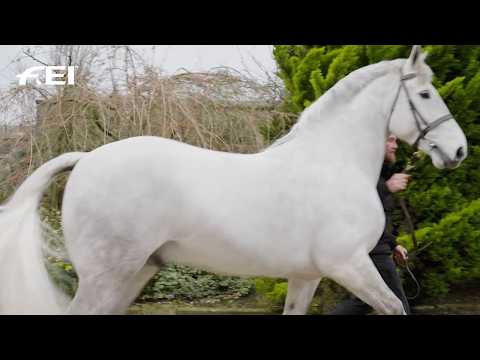
  • 1 Irish Draughts Feature CLEAN
    Subscribe to our YouTube channel & hit the bell! http://go.fei.org/YouTube?d Exclusive videos on #FEItv: ...
    0 Comentários 0 Compartilhamentos 159 Visualizações
  • WWW.JUSTHORSERIDERS.CO.UK
    12mm Stokbord: Kick-Proof Stable Walls And Gate Conversions
    10 min read Last updated: January 2026 Need a quick, budgetfriendly way to make a gatefront or kickprone wall safe before winter sets in? This guide shows how to use 12mm Stokbord sheets (2440 x 1220mm) with secure fixingsand add rubber where it countsto create kickproof, lowmaintenance linings that stand up to British winters and cut longterm costs. Quick Summary Short on time? Here are the key takeaways. Area: Choose 12mm Stokbord What To Do: Use 12mm Stokbord sheets (2440 x 1220mm) for kick walls and gate liners; order enough plus one spare. Choose thicker only for specialist loads. Why It Matters: 12mm delivers proven impact resistance with manageable weight, matching professional horsebox specs. Common Mistake: Using 69mm in kick zones, which flexes or fails under hindfoot impact. Area: Attach to Gates What To Do: Drill small perimeter and railline holes, then bolt or tie sheets to the frame with stainless/galvanised fixings and penny washers. Fully line any bars a hoof could reach. Why It Matters: Secure, loadspreading fixings stop pullthrough and remove strike points. Common Mistake: Relying on light cable ties for a permanent job or leaving exposed rails. Area: Cover Strike Zones What To Do: Template and cut to cover from floor to above kick height, including latch areas; clad both sides if needed. Leave a small sweep gap at the base. Why It Matters: Prevents limbs slipping through and reduces injury risk. Common Mistake: Stopping short of highimpact areas or leaving gaps horses can find. Area: Finish Edges & Gaps What To Do: Round corners, deburr cuts, and smooth all edges; leave a small expansion gap on long runs and a 1020 mm drainage gap at the base. Why It Matters: Smooth, movetolerant panels stay safe and neat through weather changes. Common Mistake: Leaving sharp edges or tight joints that warp, catch or trap debris. Area: Add Rubber Mats What To Do: Fit dense rubber/EVA on the lower third of walls in known kick spots, then continue with 12mm Stokbord above. Use robust fixings and overlap seams. Why It Matters: Rubber absorbs shock and noise, protecting horse and structure. Common Mistake: Relying on Stokbord alone for habitual kickers or placing mats too high. Area: Cut, Drill, Fix What To Do: Mark and score, cut with a hand saw or jigsaw, then drill pilot holes; fix using bolts with penny washers. Precut and predrill before bringing horses in. Why It Matters: Clean prep speeds a tidy, lowstress install and prevents pullthrough. Common Mistake: Skipping pilot holes or using small washers that concentrate load. Area: Clean & Maintain What To Do: Wash with steam or a jet washer and standard disinfectants on a routine schedule. No painting or preservatives needed. Why It Matters: Nonporous, chemicalresistant boards improve hygiene and cut upkeep. Common Mistake: Treating it like timberpainting, preserving, or letting grime build up. Area: Measure & Budget What To Do: Measure coverage and divide by 2.98 m per sheet to estimate quantity; add waste and double if cladding both sides. Expect ~49106 per 12mm sheet and gates from ~93.53. Why It Matters: Accurate planning avoids shortfalls and controls total spend. Common Mistake: Ignoring offcuts, fixings and time, causing delays or overspend. In This Guide What is Stokbord and why yards use it What thickness of Stokbord do you need for kick walls? How do you attach Stokbord to metal field gates? Can you build a safe DIY metalgate stable in the UK? How do you cut and clean Stokbord for a professional finish? What will your project cost and how many sheets will you need? When should you add rubber mats and horse protection? Converting a metal-gate bay into a safe stable or kick-proofing a lively youngsters wall doesnt have to be expensive or complicated. With the right sheet material and fixings, you can create a durable, lowmaintenance lining that stands up to British winters.Key takeaway: For kickproof stable linings and gate conversions in the UK, choose 12mm Stokbord sheets (2440 x 1220mm), fix them securely to cover metal bars, and add rubber mats in highimpact zones for the best safety and longevity.What is Stokbord and why yards use itStokbord is a 100% recycled plastic board, waterproof, rotproof, frostproof and chemicalresistant, supplied in 6mm, 9mm, 12mm and 18mm thicknesses as standard 2440 x 1220mm (8 x 4) sheets. Its widely used by professional horsebox manufacturers and on UK yards for kick walls, stable linings and trailer protection because it wont splinter, swell or need repainting.In damp, muddy UK conditions, Stokbord outperforms timber stock boards: it doesnt absorb water, it wont rot, and it tolerates steam or waterjet cleaning for quick biosecurity between occupants. Typical sheet prices range from about 20.00 to 100.00 depending on thickness, making it a costeffective, longterm upgrade for DIY conversions and livery yard refurbishments.Because its nontoxic and has a smooth, slightly textured finish, most horses ignore it rather than chew it. For yards moving away from preservativetreated timber in wet areas, Stokbord provides a robust, maintenancefree alternative that handles the knocks of daily use.What thickness of Stokbord do you need for kick walls?Use 12mm Stokbord for stable and horsebox kick walls because it resists heavy impact without splintering and matches common professional specifications. Thinner sheets have their place for lightduty partitions, but 12mm remains the reliable choice where hind feet might connect with the wall.For most standard boxes, 12mm gives the right balance of stiffness, impact resistance and manageable weight for handling during installation. This is the thickness typically seen in horseboxes for kick protection, so you can expect it to perform for stable walls and metalgate conversions too. Typical UK pricing for 12mm sheets (2440 x 1220mm) starts from around 49.44 incl. VAT, with suppliers offering bulk discounts; some retailers list heavierduty or branded options up to roughly 105.60 incl. VAT.For the liveliest horses or hightraffic corners, combine 12mm Stokbord with a layer of rubber matting on the lower section of the wall to dampen shock and reduce noise. This twinlayer approach protects the horse and the structure, especially through a long, wet season when stabled time increases.How do you attach Stokbord to metal field gates?Drill small holes and tie or screw Stokbord directly to the gate frame so it covers the bars wherever a horse could strike, ensuring there are no exposed edges or protruding fixings. Use stainless or galvanised hardware and broad washers to spread load and prevent pullthrough.Experienced DIYers on UK equestrian forums recommend a simple, durable method:If yard owner is reluctant, buy the same Stokbord, put small holes through with a drill or soldering iron, and tie Stokbord to the metal gate. Horse & Hound forum user (DIY metalgate stable conversions)Heres a proven approach for a tidy, horsesafe finish:Cut to fit: Offer the sheet to the gate and mark cut lines; a hand saw or jigsaw works well on Stokbord.Round and deburr: Radius the corners and smooth edges to eliminate potential catch points.Fixings: Drill a perimeter pattern and at key rail intersections; use cable ties for a quick fit or stainless bolts with penny washers for a permanent job.Full coverage: Ensure the sheet fully covers any bars the horse could reach to eliminate strike points and prevent feet from slipping through rails.Reinforcement: If youre starting from scratch, pick a robust 7rail field gate and consider reinforced top/bottom rails for extra rigidity in equestrian use.Metal field gates suitable for paddocks and stables, such as 7rail models, start from around 93.53 incl. VAT in the UK. Where gates meet the elements, use appropriate horse gate fixings kits and secure hinge/latch hardware to cope with winter winds. As an alternative to metal, some reinforced plastic gates (e.g., Hanit with zinccoated steel) are designed with horse safety in mind.Quick tip: Leave a small gap at the base of the sheet so bedding and moisture can be swept clear, and always check that all cut edges and fixings are smooth to the touch.Can you build a safe DIY metalgate stable in the UK?Yesmany UK yards convert 7rail field gates into stables and line them with Stokbord to meet horse safety needs costeffectively in wet winters. The key is secure posts, horsesafe latches, and fully lined gate panels to remove gaps and strike points.DIY gatefront stables are commonplace on British livery yards where turnout areas become heavy going in winter. Stokbords frostproof, waterproof nature makes it ideal for these conversions: it wont warp with damp, it tolerates disinfectants, and its easy to powerwash. Align your setup with the spirit of British Horse Society (BHS) stablesafety principlessmooth internal surfaces, no snag hazards, and secure partitionsso everyday handling stays safe for horse and handler.When youre doing the work yourself, dress the part. A snug, certified riding hat protects your head if a horse jostles during measuring or fittingsee our range of riding helmets. If youre working near roadways or in fading light, add highvisibility rider kit so yard traffic and drivers spot you quickly. And for the horses that will winter in these bays, line up appropriate rugs before the first cold snap with our curated winter turnout rugs and cosy stable rugs.At Just Horse Riders, we recommend planning the conversion while the horse is turned out: precut, predrill, and have all fixings to hand so installation is clean, quiet and quick when you bring them back in.How do you cut and clean Stokbord for a professional finish?Cut Stokbord with a hand saw or jigsaw, deburr the edges, and fix with broad washers; clean it with steam or a water jet and it never needs painting. The sheets nonporous surface shrugs off grime, so regular washdowns keep it hygienic.For the neatest installation:Mark accurately and score your lines before cutting to minimise burring.Drill pilot holes and use sharp wood or metal bits; Stokbord drills cleanly.Use penny washers under bolt heads and nuts to distribute load and avoid pullthrough.Leave a small expansion gap along long runs, especially if a wall sees direct sun.Maintenance is simple: Stokbord is chemicalresistant, so standard disinfectants are fine; for deep cleans, use a steam cleaner or water jet. Because its nontoxic and smooth, most horses do not chew it, but avoid leaving inviting lip edges in highnibble zones. A routine scrubdown sits well with your broader stablehygiene programmewhile youre at it, freshen up your horses kit with quality grooming essentials so coat and skin stay healthy through winter stabling.What will your project cost and how many sheets will you need?Expect to pay 49106 per 12mm Stokbord sheet (2440 x 1220mm) and from 93.53 incl. VAT for a 7rail metal field gate, with longterm savings over timber thanks to no rot, repainting or preservative costs. Buying multiple sheets often unlocks bulk discounts from suppliers.To estimate quantities, measure the area you want to cover and divide by the sheet area. A 2440 x 1220mm sheet covers roughly 2.98 m. Remember to account for offcuts around posts, latch boxes and rails, and decide whether you want fullheight lining or only up to a typical kick zone. If youre cladding both sides of a gate, double your sheet count and add extra fixings.Budgeting pointers:Sheets: 12mm for kick walls; add 12 spare sheets if youre cladding multiple bays to allow for offcuts.Fixings: Stainless or galvanised nuts/bolts with penny washers; cable ties for temporary positioning.Tools: A jigsaw, drill/driver, sharp bits and a file for deburring edges.Optional extras: Rubber mats for lower walls, plus gate fixings kits and reinforced rails where needed.Pro tip: Cost in your time and yard workflow. Precut and predrill all panels before bringing horses back in so you finish the job in one quiet, lowstress session.When should you add rubber mats and horse protection?Add thick rubber or EVA mats on lower walls where a horse regularly kicks, and consider protective boots for habitual pawers or boxwalkers to reduce knocks. Use Stokbord higher up to spread impact and prevent splinter risks.Many owners find a twolayer solution works best in highimpact boxes:One of my horses kicks the wall, luckily, always in the same place. I put a thick cow mat on the wall, this absorbs the impact so prevents him... Horse & Hound forum user (kickproofing options)Mount dense rubber on the lower third of the wall to soak up force and dull sound, then continue with 12mm Stokbord to the desired height. For horses that scuff fetlocks or overreach when restless, consider protective horse boots and bandages while you work on the environment and routine to reduce stress. If winter stabling increases activity and rub risk around shoulders or hips, wellfitted stable rugs can reduce coat wear, while appropriate supplements may support overall wellbeing as part of a balanced management plan.At Just Horse Riders, we see the best outcomes when environment, routine and kit work together: safe surfaces, consistent turnout as weather allows, and the right protective gear when necessary.FAQsWhat thickness of Stokbord is best for kickproof stable walls?12mm is the standard for horsebox and stable kick protection because it resists heavy impacts without splintering. Thicker sheets exist for specialist jobs, but 12mm suits most stable and gatefront applications.How do I attach Stokbord to existing metal gates?Drill small holes around the sheet and at gate rail positions, then tie or screw the board to the frame so it covers all bars in the strike zone. Use stainless or galvanised hardware with penny washers and smooth all edges for safety.Is Stokbord safe for horses and easy to maintain?Yes. Stokbord is nontoxic, rotproof and chemicalresistant; it requires no painting and can be cleaned with steam or a water jet. Most horses do not chew recycled plastic, especially when edges are rounded and flushmounted.What are typical prices for Stokbord and metal gates in the UK?12mm Stokbord sheets (2440 x 1220mm) typically range from about 49.44 to 105.60 incl. VAT, depending on supplier and brand, and metal 7rail field gates start from around 93.53 incl. VAT. Buying in bulk often reduces the persheet price.Can Stokbord replace timber in wet UK conditions?Yes. Stokbord is waterproof and frostproof, so it wont rot or swell like timber and doesnt need preservative or paint. That makes it ideal for British winters and damp yards.How do I cut Stokbord to size?Use a hand saw or jigsaw with a suitable blade, mark accurately, and deburr edges after cutting. Drill clean holes with sharp bits and use broad washers under fixings to prevent pullthrough.What else should I consider for a safe, quiet stable?Add rubber or EVA mats on the lower wall in known kick zones, keep all edges smooth, and check latches and hinges for snagfree operation. When fitting out or working around horses, wear a certified riding helmet and, if youre near traffic or dusk, add hivis rider gear for safety.Ready to plan your conversion? Measure up, choose 12mm Stokbord for the kick zones, and gather your fixings before the weather turns. If you need winter kit for your horse at the same time, our curated ranges of turnout rugs, stable rugs, horse boots and bandages, grooming essentials and supplements can help you head into the season fully prepared. Shop the Essentials Everything mentioned in this guide, ready to browse. Shop Boots & BandagesShop Riding HelmetsShop Turnout RugsShop Stable RugsShop Hi-Vis Gear
    0 Comentários 0 Compartilhamentos 185 Visualizações
  • WWW.JUSTHORSERIDERS.CO.UK
    UK Pre-Purchase Vetting: Why 5-Stage Beats 2-Stage
    12 min read Last updated: January 2026 About to buy a horse and want to cut risk, costs and heartache? Heres how UK prepurchase vettings work and why a 5stage beats a 2stage for ridden horsescovering independent vets, what to expect on the day, the sixmonth stored blood sample, and key advert red flagsso you can decide confidently on suitability, not pass/fail. Quick Summary Short on time? Here are the key takeaways. Area: Choose Vetting Level What To Do: Pick a 5stage for ridden or highervalue horses; use a 2stage only for unbacked youngsters or where ridden work isnt needed. Why It Matters: Ensures exercise, recovery and blood sample data to judge suitability. Common Mistake: Choosing a 2stage for a ridden purchase and missing undersaddle findings. Area: Book Independent Vet What To Do: Arrange an experienced, independent equine vet via RCVS; state your exact intended use and request a BEVA sellers declaration. Why It Matters: Avoids conflicts and tailors the opinion to your purpose. Common Mistake: Using the sellers vet or not briefing the vet on how youll use the horse. Area: Verify Identity What To Do: Match passport markings and microchip; bring a scanner or request a live video showing the chip and passport before booking. Why It Matters: Confirms the horse vetted is the horse advertised. Common Mistake: Skipping ID checks and relying on photos alone. Area: Prepare Facilities & Rider What To Do: Confirm a safe arena, a firm surface for trotups and, if possible, grass; secure a competent rider/handler and request any extra checks (e.g., dental). Why It Matters: Proper setup reveals issues poor footing or rushed handling can hide. Common Mistake: Turning up without suitable surfaces or a capable rider. Area: Coordinate Insurance What To Do: Book early, ask when the report will arrive, and send the full certificate to your insurer to confirm cover and exclusions. Why It Matters: Prevents gaps in protection and surprise exclusions. Common Mistake: Starting a policy without submitting the vetting certificate. Area: Plan Imaging & Bloods What To Do: Use the Stage5 blood sample (kept six months) and add targeted radiographs for higherrisk areas if advised. Why It Matters: Provides evidence for disputes and a clearer risk picture. Common Mistake: Assuming Xrays are included or skipping them when risk is high. Area: Validate Online Adverts What To Do: Request unedited continuous videos on hard and soft ground, closeups of legs/feet, and a live yard call; watch for AI image tells. Why It Matters: Reduces the risk of being misled before you pay for a vetting. Common Mistake: Believing polished photos without proof of movement and ID. Area: Plan PostVetting Care What To Do: Use the report to set a phased workload, shoeing plan and suitable leg protection; address coat/skin and nutrition as advised. Why It Matters: Smart management can turn minor findings into nonissues. Common Mistake: Riding on as normal without adapting management to the findings. In This Guide What is a UK prepurchase vetting? 2stage vs 5stage: which should you choose? What happens in a 5stage vetting? Who should arrange the vetting and how? How do vettings affect insurance and your decision? Can photos or videos replace a vetting? UKspecific suitability checks not to skip What to prepare and buy before and after vetting Youre about to make one of the biggest decisions in horse ownership and the right prepurchase vetting can save you heartache, time and money. Heres exactly how UK vettings work, what to expect on the day, and how to spot red flags in online adverts before you book.Key takeaway: In the UK, choose a 5stage vetting for a thorough assessment of health, soundness and suitability (including exercise and a blood sample); use an independent vet, and remember vets give a suitability opinion not a pass/fail.What is a UK prepurchase vetting?A UK prepurchase vetting is a veterinary examination to assess a horses health, soundness and suitability for your intended use; its typically done as a 2stage (basic) or 5stage (full) exam. During vetting, identity is confirmed via passport markings and microchip, which has been mandatory for all UK equines since October 2020.The aim is straightforward: reduce your risk. A vetting cannot guarantee the future, but it does provide an expert, structured assessment on the day. Importantly, UK vets no longer pass or fail a horse; instead, youll receive a written opinion framed as: In my opinion, on the balance of probabilities, the conditions reported do/do not prejudice this horses suitability for purchase to be used for. This focuses on your intended purpose from lowkey hacking to affiliated sport.Identity checks matter. The vet will verify the horses passport and microchip number against its markings; you can also take your own microchip scanner to viewings for peace of mind. When buying from photos or videos, this step helps you ensure the horse being examined is the horse advertised.2stage vs 5stage: which should you choose?Choose a 5stage vetting for any ridden performance horse or highervalue purchase; a 2stage suits basic screening for unbroken youngsters or when a ridden assessment isnt needed. The 2stage covers a detailed exam at rest and a basic walk/trot in hand; the 5stage adds exercise, recovery evaluation, reexamination, identity checks and a blood sample stored for six months.The British Horse Society underscores that a vetting is a pointintime assessment that can still flag major issues you might otherwise miss.The vet can only assess the condition of the horse on the day of the vetting. However, the vetting is likely to flag up any major issues that you might otherwise miss. British Horse SocietyMany insurers require a Stage 2 or 5 certificate within a set timeframe after you start a policy, with the level often linked to purchase price. If you plan to compete or need a deeper risk picture (e.g., previous injuries, subtle lameness, or temperament under saddle), go straight to the 5stage. For an unhandled youngster, the 2stage can be proportionate but youll miss ridden findings, recovery data and the security of an accompanying blood sample.As Horse & Hounds vet library puts it, expect findings; the question is how much risk youre comfortable accepting.In most cases the vet will find one or more issues and will then grade the degree of risk so the buyers can decide whether or not to go ahead with the purchase. Horse & Hound Vet LibraryWhat happens in a 5stage vetting?A 5stage vetting examines the horse at rest, in hand and under saddle, assesses recovery after exercise, rechecks for changes, confirms identity (passport and microchip), and collects a blood sample stored for six months. Xrays are not standard in Stage 5 but can be arranged separately.Heres the typical flow you can expect in the UK:Stage 1: Preliminary exam at rest heart, lungs, eyes, limbs and skin; conformation; feet and shoes; flexion of joints and palpation. Teeth are checked only to confirm approximate age; ask specifically if you want a dental assessment.Stage 2: Walk and trot in hand straight lines and circles; flexion tests; often lunging on hard/soft surfaces to reveal subtle inconsistencies.Stage 3: Exercise usually ridden (or on the lunge if not backed). The vet looks for soundness under saddle, behaviour, and how the heart and breathing respond to work suitable for the stated intended use.Stage 4: Recovery period rest, then recheck heart, lungs and any areas of concern as the horse cools down.Stage 5: Final trotup and reexamination looking for changes revealed by exercise and recovery.Identity check passport markings and microchip verification (mandatory for all UK equines since October 2020).Blood sample taken and stored for six months to enable testing later if theres concern that substances were used to mask health or temperament issues.Quick tip: If flexion tests or lunging highlight mild sensitivities, plan your aftercare. Supportive bandaging and careful return to work can be helpful after purchase and youll find suitable options in our horse boots and bandages collection.Who should arrange the vetting and how?The buyer should arrange the vetting with an independent vet who does not have a relationship with the seller; use the RCVS Find a Vet tool to locate an experienced equine practitioner near the horse. Tell the vet exactly how you intend to use the horse so their opinion is tailored to that purpose.Independence is key. An unbiased examiner protects both parties and ensures clear documentation. The British Equine Veterinary Association (BEVA) recommends requesting a sellers declaration before the exam, which records known history and recent medication. This sits alongside the vets clinical findings from the day and helps insurers understand any preexisting issues.Horse & Countrys guidance is crystal clear on choosing the right professional:Its essential to choose an experienced and independent veterinarian to perform the 5stage vetting to ensure an unbiased evaluation of the horses condition. You can do this by asking for referrals or using a resource like RCVS Find a Vet. Horse & Country TV GuidePro tip: When booking, confirm facilities in advance a safe arena, access to a firm surface for trotups, and a quiet area for the exam. Share any specific concerns (e.g., please examine the mouth thoroughly or wed like to see the horse canter in a light contact).How do vettings affect insurance and your decision?Insurers typically require a Stage 2 or 5 certificate within a set window after policy inception, and any issues noted may be excluded from cover; always share the full certificate with your insurer before purchase. Vets give a suitability opinion not a pass/fail so expect to weigh minor findings against your goals and budget.Because the opinion is specific to use, a horse thats a sound candidate for hacking may not be advised for advanced competition. A stored blood sample (kept for six months) provides recourse if you later suspect a substance masked a problem on the day. If you want extra reassurance about particular joints or feet, consider targeted radiographs theyre not included in standard 2 or 5stage exams and should be agreed separately with the seller and vet.Quick tip: If youre on a timeline to activate insurance (for example, wanting cover to start on the day of purchase), book the vetting early and ask how quickly the report will be supplied. Share it promptly with your insurer to avoid gaps in protection.Can photos or videos replace a vetting?No online photos and videos cannot replicate a clinical exam, ridden assessment or recovery checks; always verify with an inperson 5stage vetting for ridden purchases. Even genuine images cant show how a horse moves on different surfaces, responds to work, or recovers after exercise.Beware AI and copyright pitfalls. AIgenerated horse images are increasingly common in online listings and can look convincing at first glance. Equine photographer Shelley Paulson points out a consistent giveaway:To me, this is the biggest tell. The hair patterns in horses coats and manes are random. With AI images, you will see a lot of repetition in coat hair patterns, and the mane will be too soft and unreallooking. Shelley PaulsonOther AI tells include incorrect or impossible tack fit, inconsistent shadows, and background depth that doesnt match the horse. Also note that copyright theft of equestrian photos can lead to financial penalties fines up to 50,000 are possible, although smaller claims for the cost of the image are more common. If an advert looks too polished or strangely generic, ask for:Unedited, continuousshot videos (including transitions and turns) on hard and soft groundCloseups of legs and feet; clear dental and eye shotsA live video call at the yard, showing the passport and microchip scanDetails of shoeing, management and recent workloadBut remember: none of that replaces a vet in person. As the BHS stresses, the vets role is to assess the horse on the day under suitable conditions, flagging issues you might not see online.UKspecific suitability checks not to skipAsk your vet to assess the horse on firm and soft surfaces, in tack, and with work appropriate to UK hacking and competition, then review recovery; these conditions often reveal issues missed in static photos. British weather and footing vary widely think wet, windy hacks and grass arenas in spring and autumn so your vets plan should match realworld use.Practical points to consider:Surfaces: Trotting on a firm track may expose subtle lameness not seen on a surface; schooling on grass is relevant for most UK riders.Weather and legs: Repeated wet ground can bring up wind puffs and fill; ensure limbs are palpated before and after exercise.Feet: Discuss shoeing history; review hoof balance and any cracks or flares that might worsen on grass.Back and saddle area: Even in a prepurchase setting, a ridden stage helps identify back sensitivity that only shows under tack.Teeth: Standard vetting confirms approximate age; if youre concerned about mouth comfort or bitting, ask for a specific dental check during Stage 1.Further imaging: If the horse is for higherlevel sport, targeted radiographs can complement a clean 5stage to manage longterm risk.Pro tip: If your vetting happens in summer but youll be winter hacking, plan ahead with appropriate protection. Browse our winter turnout rugs popular options from brands like WeatherBeeta help keep coats healthy when the weather turns.What to prepare and buy before and after vettingPrepare safe facilities for trotups, a suitable area for ridden work, the passport, and someone experienced to handle and ride (if appropriate); after the vetting, plan management and kit based on the report. Small adjustments after purchase from conditioning to limb support can make a big difference.Useful kit and preparation ideas:Rider safety and comfort for the ridden stage: a wellfitting riding helmet and comfortable, grippy jodhpurs or breeches help you ride accurately so the vet sees a true picture.Leg care and support: If the vet notes sensitivity on flexion or minor wind puffs, plan a phased workload and consider appropriate boots and bandages for schooling and travel.Coat and skin: Vettings sometimes uncover skin or coat niggles hidden by season or clipping; a solid grooming routine and considered rugging strategy will help you manage them.Nutrition and recovery: Where appropriate, supportive products from trusted brands like NAF can form part of a wider management plan discussed with your vet.Rugging for the season: If your purchase goes ahead heading into colder months, line up fitforpurpose outerwear our curated range of turnout rugs keeps horses dry and comfortable when the UK weather gets lively.Pro tip: Bring a simple firstaid kit to the viewing and vetting (saline, gauze, thermometer) and have a head torch handy if light fades British afternoons dont last long in winter. A portable microchip scanner can also give you confidence at first viewing before the formal ID check in the vetting.FAQsWhats the difference between a 2stage and a 5stage vetting?A 2stage covers a thorough examination at rest plus a walk/trot in hand; a 5stage adds ridden (or lunge) exercise, a recovery period with rechecks, identity verification (passport and microchip), and a blood sample stored for six months. Xrays are not included in either and must be arranged separately if desired.Do horses pass or fail a vetting?No. UK vets provide a written opinion on suitability on the balance of probabilities for your stated purpose, noting any issues and the degree of risk; its then your decision whether to proceed.How long is the vetting blood sample kept?Six months. This allows testing later if theres concern that substances were used to mask health or temperament issues on the day of the vetting.Should I use the sellers vet for the prepurchase exam?No. Arrange an independent vet with no connection to the seller to avoid conflicts of interest; the RCVS Find a Vet tool can help you locate an equine practitioner nearby.Can online photos and videos replace a vetting?No. Photos and videos cannot assess soundness under saddle, recovery after exercise, or clinical findings; in addition, AIgenerated or stolen images can mislead. Always verify with an inperson exam.Are Xrays included in a standard vetting?No. Radiographs are not part of standard Stage 2 or 5 exams but can be commissioned separately if you and your vet feel theyre warranted for risk management.Will the vet check my horses teeth in detail?Only to confirm approximate age as standard. If you have specific dental concerns (comfort in the mouth, sharp points, or bitting plans), ask the vet to perform an additional dental check during Stage 1.At Just Horse Riders, we see the difference a wellplanned vetting makes to longterm success. Book an independent vet, be clear about your goals, share the full certificate with your insurer, and set your new partnership up with the right essentials from supportive legwear to weatherready rugs so you can get on with the fun part: enjoying the ride. Shop the Essentials Everything mentioned in this guide, ready to browse. Shop Boots & BandagesShop Turnout RugsShop Riding HelmetsShop Jodhpurs & BreechesShop Grooming Kit
    0 Comentários 0 Compartilhamentos 189 Visualizações
  • BOSANKOSPORTSHORSES.COM
    Welsh masters Grand Prix winner
    Delighted to see another of our former horses winning the Grand Prix at the Welsh masters delighted for Will fletcher and all connections this guy sold by us as a 3yo
    0 Comentários 0 Compartilhamentos 179 Visualizações