• Fast, fearless, flawless: Cooley! | Longines FEI Jumping World Cup London 2025
    Max Khner and EIC Cooley Jump the Q delivered a stunning performance in London Stopping the clock at 33.94 seconds ...
    0 Commenti 0 condivisioni 154 Views
  • THEHORSE.COM
    Are Christmas Decorations Poisonous to Horses?
    iStock photoQ: Id like to decorate the barn the holiday. I was thinking about wreaths made of fir boughs and holly, poinsettias, and maybe even some mistletoe over my horses stall door (even though I dont really need an excuse to kiss his cute muzzle!). Im a little worried that some of the horses might try to eat the decor, though. Should I be concerned?A: It sounds as though you are really getting into the festive swing this year! It is good to take a moment and make sure such decorations wont cause unexpected problems. The short answer is that some of the things you mention are fine and others I would give a miss.Most pines and spruce are fine to use around horses. Keep in mind, though, that they can drip sap which if it gets into manes and on the coat can be a real pain to remove. Sap might also cause mild mouth irritation, so be sure to hang any decorations using fir and spruce well out of reach of curious lips.While your number one concern is, of course, the horses in the barn, its also important to remember that a lot of barns have a barn cat or dogs that come to visit. While some decorations might be fine for horses they could pose a risk for cats and dogs. This is the case with holly, whose leaves and berries are toxic to cats and dogs and can cause severe gastrointestinal upset. Holly is also mildly toxic to horses.One I would avoid, as it can cause more severe problems, is mistletoe. In cats, dogs, and horses its been associated with gastrointestinal disorders, cardiovascular collapse, dyspnea (difficulty or labored breathing), bradycardia (an abnormally slow heart rate), and erratic behavior. If you want to kiss your horse under mistletoe, perhaps bring it to the barn with you, give him a quick smooch, and then take the mistletoe home with you.One urban myth is that poinsettiasa Christmas favorite since the 16th century are poisonous to people. Not true. This plant is, however, mildly toxic to pets, but they would have to consume quite large quantities of it.Despite the mild issues associated with most of these plants, I recommend placing all decorations well out of reach of any horses. Avoid decorations, such as tinsel, that could cause blockages if consumed. Remember too that cats love shiny things! Other decorative considerations include electrocution hazard to horses from Christmas lights, as well as potential fire risk. Make sure that any decorative lights used in the barn are UL-listed (meaning it meets certain safety standards) and made for outdoor use, and avoid using extension cords and overloading circuits. Consider using LED lights, which are cooler when left on for long periods.If you have a real Christmas tree in the barn make sure its regularly watered to reduce the risk of combustion. Artificial trees might offer a safer barn-decorating option. Look for one labeled as nonflammable or flame retardant.With common sense, its possible to have a festive and safe barn this season.
    0 Commenti 0 condivisioni 126 Views
  • Wilmington Standlee Sunday Spotlight: Reese Rosinski
    This weeks Wilmington Sunday Spotlight shines on Reese Rosinski, a dedicated young rider who can be found spending most of her time in the pony ring at World Equestrian Center Wilmington. From growing up in a horse family to chasing bigger dreams, she shares how her journey began, what makes each of her ponies special, and why she loves the sport! WEC: How did you get started ridingSource
    0 Commenti 0 condivisioni 249 Views
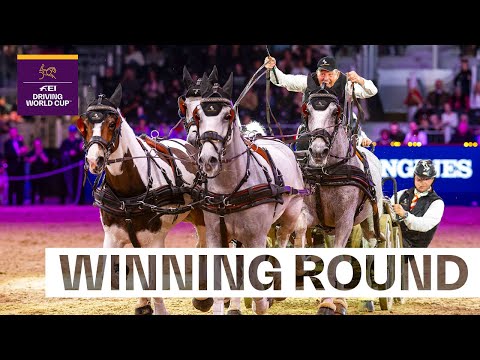
  • Chardon closes with gold | FEI Driving World Cup London 2025
    A true display of speed and control Ijsbrand Chardon delivers a standout drive at the FEI Driving World Cup at The ...
    0 Commenti 0 condivisioni 152 Views
  • Episode 5: Crafted for Permanence - Featuring Peter Schalkhammer, Master Farrier
    A glimpse into the forge, the world of master farrier Peter Schalkhammer, where fire, precision, and centuries-old craft endure.
    0 Commenti 0 condivisioni 153 Views
  • WWW.YOURHORSE.CO.UK
    Equine feed fuels reindeer this Christmas
    As Santas reindeers prepare for their busiest night of the year, its important that they are eating well and consuming enough calories to ensure they have sufficient energy to last their epic journey.This years meal of choice for many of them is Dengies Alfa-Beet Mash, a versatile, nutritious feed which is suitable not only for horses but for reindeer too particularly the residents at Maldon Promenade Zoo in Essex.At Maldon Promenade Zoo weve used a variety of Dengie products over the years and theyve proved invaluable across many different species, explains James Williams, zoo director.The quality and consistency of the feeds really shine through, and its clear to see just how much the animals enjoy their Dengie diets.Our reindeer are especially enthusiastic, Alfa-Beet Mash is always a firm favourite and they never fail to come trotting over at feed time!Perfect fuel for long journeysDengies Alfa-Beet is the perfect fuel for busy reindeer this Christmas as its a naturally high fibre diet which is low in sugar and starch and supports digestive health. Its two ingredients alfalfa and unmolassed sugar beet provide plenty of slow-release energy which is ideal for maintaining stamina and power just what the reindeer will need for their trip around the globe on Christmas Eve.As Alfa-Beet is soaked into a soft, east to chew mash before feeding, it also provides an excellent way to help keep hard-working reindeer hydrated.Royal approvalDengie Horse Feeds became one of 800 Royal Warrant holders earlier this year when it was granted the Royal Warrant of supplier of horse feed to King Charles III.Royal Warrant of appointments are granted as a mark of recognition to people or companies who have regularly supplied goods or services to the Royal Household. It is a tradition that dates back to the 15thcentury.Dengie was first awarded a Royal Warrant by her late Majesty Queen Elizabeth II in 2007.Main image Dengie.Related contentCalls to make yards more wildlife friendly, plus 4 easy things everyone can doInside a horses digestive system and how to keep it healthyAll about impactions and gassy colic in horsesGastric ulcers: why the time of day you ride and feed is so importantIs there any such thing as cheap horse feed?The post Equine feed fuels reindeer this Christmas appeared first on Your Horse.
    0 Commenti 0 condivisioni 107 Views
  • NOELLEFLOYD.COM
    Laura Graves on Staying Curious When Dressage Gets Hard
    A lot of what goes wrong in horse sport doesnt start with cruelty. It starts with frustration.Pressure builds and progress slows, and expectations start running the ride. Riders are still showing up and trying to do right by their horse. But frustration pulls the nervous system out of regulation, patience fades, curiosity slips away, and harmful action comes before understanding.When that happens, our horses carry the cost.This is part of why equestrian sport continues to face scrutiny. Not because most riders dont care, but because emotional regulation is rarely treated as a core skill. We talk about strength, timing, and technique. We talk far less about what happens inside a riders mind when things stop working.Thats where Laura Graves perspective feels especially relevant.In a moment from her NF+ masterclass Laura Graves Troubleshoots Common Flatwork Woes, the Olympic medalist speaks candidly about frustration in the saddle and why curiosity is the most important response a rider can develop. Not as a feel-good concept, but as a practical discipline that protects both horse and rider.Frustration narrows thinking. Curiosity opens it back up.Laura doesnt deny frustration. She names it, then she reframes it.When a horse doesnt respond the way we expect, it usually means something in the communication is unclear. The rider is trying to solve a problem. The horse is trying to answer a question. Both are guessing.Curiosity changes the dynamic. It slows the moment down just enough for the rider to notice what theyre feeling, what theyre asking, and what the horse is offering in return. That pause is not passive. Its active restraint. Its the decision not to escalate before understanding.Thats the work beneath the work..Learning to listen when no one else is talkingOne of Lauras most meaningful suggestions is the importance of time alone with your horse. Not as a rejection of trainers or structure, but as a way to strengthen your own awareness.When there isnt another voice directing every step, riders tend to listen more closely. They notice patterns, they feel inconsistencies, and they start asking different questions. Those questions dont replace coaching. They deepen it.Laura is clear that not every answer you try will be the right one. Thats not the point. The point is staying reflective enough to adjust when something doesnt land the way you hoped.Horses are responding to uncertainty, not defianceA central idea in Lauras teaching is that horses are allowed to be unsure.When a horse responds with tension or inconsistency, its often because they dont fully understand the request. That response is information to work with, not a problem to correct.This shift matters because it removes blame from the interaction. It places responsibility back on the rider to clarify rather than fix. In a sport that is increasingly asked to justify its ethics, that distinction carries real weight.The mindset behind elite ridingLaura also shares that much of what riders hear in her teaching reflects the internal conversation she has with herself while riding. She checks in with what she feels, what she applies, and how her horse responds.That internal dialogue doesnt eliminate mistakes, but it does prevent emotional spillover. It keeps frustration from turning into harm and its one of the most transferable skills any rider can develop.Curiosity is not soft. Its protective.Curiosity gets dismissed as gentle or optional. In reality, its a safeguard. Curiosity is what keeps riders accountable in moments that matter.If more riders approached training the way Laura Graves describes, the sport would be having very different conversations right now. Not because the work would be easier, but because it would be more responsible.Dressage will always ask a lot. The real question is how riders meet that demand when things get hard.Watch the full masterclass on NF+This article and podcast episode offer one window into Laura Graves approach.In her NF+ masterclass Laura Graves Troubleshoots Common Flatwork Woes, Laura goes deeper into the mental and physical challenges riders face, offering guidance that supports better decision-making, clearer communication, and more ethical training choices. Watch the full masterclass on NF+ and explore what changes when curiosity becomes part of your training system.Visit noellefloydplus.com to access this course and the full NF+ training library.
    0 Commenti 0 condivisioni 450 Views
  • Episode 7: The Beauty of Motion - featuring Max Khner
    An exploration of unity in motion, capturing the shared rhythm between athlete and horse. A quiet parallel to the flawless ...
    0 Commenti 0 condivisioni 166 Views
  • PROMO Ep 7: The Beauty of Motion - Featuring Max Khner
    A shared rhythm unfolds in motion where harmony lives in every second, every movement, and every stride. : ACG Agency ...
    0 Commenti 0 condivisioni 154 Views
  • WWW.JUSTHORSERIDERS.CO.UK
    How to Manage and Overcome Your Horse's Sensitivity to Headgear: A Complete Journey for Horse Owners
    Key Points Details Understanding Headgear Sensitivity Behavioral issue often due to discomfort or anxiety, associated with past negative experiences or medical conditions. Common Medical Causes Includes dental problems, neurological conditions, ear and sinus issues, guttural pouch infections, allergic rhinitis. Diagnostic Steps Physical examination, dental evaluation, neurological assessment, diagnostic imaging. Training Strategies Focus on trust, groundwork, equipment introduction, incremental application, and positive reinforcement. Environmental Management Manage environmental triggers, make seasonal adjustments, use fly masks or hoods. Choosing Equipment Select properly fitted headgear, consider bitless bridles, use soft materials like leather, ensure ample padding. Medical and Therapeutic Interventions Consult specialists for medications/supplements; behavioral medications can aid training, not replace it. Creating a Management Plan Consistency, patience, record keeping, regular veterinary check-ups are crucial. The Importance of Addressing Root Causes Treat headgear sensitivity seriously, address discomfort, and foster a better relationship with the horse. How to Help Your Horse Overcome Sensitivity to Headgear: A Guide for Horse OwnersHorses are majestic, powerful creatures. Yet, they can also be unexpectedly sensitive. One common area of sensitivity is headgear, where many horses express discomfort or aversion. In this comprehensive guide, we'll explore headgear sensitivity in horses, its causes, and strategies for overcoming this challenge.Understanding Headgear Sensitivity in HorsesHeadgear sensitivity in horses, also known as girthiness or head-related aversion, is a behavioral issue signaling discomfort or anxiety. When a horse reacts negatively to halters or bridles, it often indicates past negative experiences or an underlying medical condition. Our mission as horse owners is to decode these signals through a patient, knowledgeable approach.The Connection Between Headgear and Equine SensitivityWhy Horses React Negatively to HeadgearThe trigeminal nerve, responsible for facial sensation, often plays a significant role. A horse's headgear sensitivity can be triggered by this nerve when improperly fitted harnesses apply pressure, leading to discomfort or heightened sensitivity.Common Underlying CausesSeveral medical issues might contribute to headgear sensitivity: Dental Problems: Horses with dental pain are often sensitive to headgear. It's critical to have a veterinary dentist assess potential issues. You can learn more about equine supplements that support dental health here. Neurological Conditions: Conditions like trigeminal-mediated headshaking often worsen seasonally. Further details can be found in medical studies [5]. Ear and Sinus Issues: Sinus infections or ear problems can cause head sensitivity, making headgear uncomfortable [3]. Guttural Pouch Infections: Located near the throat, infections here could also cause pain and headgear sensitivity [3]. Allergic Rhinitis: Seasonal allergies could enhance nasal and facial sensitivity. Identifying patterns can assist in managing these challenges [3].Diagnostic Steps: Determining the Root CauseOur primary focus should be ruling out medical issues. Work closely with a veterinarian to: Perform a physical examination for any visible signs of discomfort. Conduct a dental evaluation to check for oral health concerns. Run a neurological assessment to evaluate any nerve-related discomfort. Consider diagnostic imaging if necessary.Only after these potential issues are addressed should we move into management and training strategies. Choosing the right stable rugs can be part of the management strategy.Training and Management StrategiesStarting with Trust and DesensitizationBuilding trust with your horse is the cornerstone of any training strategy. Heres how:Step 1: Groundwork Without EquipmentEngage with your horse by touching its face gently. Comfort must be prioritized at all times and rewarded consistently with horse treats.Step 2: Introduction to Halter or BridleAllow your horse to explore the equipment at its own pace. Familiarity is key to reducing fear.Step 3: Incremental ApplicationStart by putting on the halter briefly. Gradually increase the time and adjust tightness as your horse's comfort increases.Step 4: Positive ReinforcementAssociating headgear with positive experiences, for example, delicious treats, helps create positive connections.Environmental ConsiderationsManaging your horse's environment is crucial for success: Managing Triggers: Reduce sensitivity by managing environmental factors like sunlight. A fly mask or hood can alleviate symptoms. Seasonal Adjustments: Utilize less reactive seasons to build positive experiences with headgear.Choosing the Right EquipmentFit and Design ConsiderationsProperly fitted components are vital to decreasing head sensitivity. Heres what to look for: Halter Fit: Ensure no tightness near the temples or sensitive ocular regions. Bridle Fit: Focus on correct bit alignment and loose nosebands.More comfortable alternatives for horses include bitless bridles and other user-friendly designs. For sensitive horses, consider exploring the Jodhpur collection for added comfort.Material and ConstructionOpt for soft materials like leather which are more forgiving than synthetics. Ensuring ample padding in susceptible areas is also essential.Medical and Therapeutic InterventionsWhen to Consult SpecialistsIf ongoing efforts prove insufficient, consult a specialist or veterinarian regarding medications or supplements: Anti-inflammatories or supplementation may be recommended for pain management. Behavioral medications should supplement training, not replace it.For more options on equine health management, check out the Equestrian Supplements.Professional TrainingWorking with professionals can greatly aid recovery by providing expertise not readily available to individual owners.Creating a Long-Term Management PlanConsistency and PatienceRemember, success doesn't happen overnight. Consistency and patience pay off in the long run.Record KeepingDocument exposure to triggers and responses. This can assist in evaluating strategies and improving protocols.Regular Veterinary Check-upsEven when issues subside, regular veterinary visits are crucial to maintain health and detect potential problems early.The Importance of Addressing Root CausesTreat headgear sensitivity seriously. It's often not merely a behavioral problem but a response to considerable discomfort. Address root causes and foster a better relationship relating to headgear with your horse. With the right approach, most horses can return to comfort and cooperation.Explore more accessories to complement your horse's routine and maximize comfort during equestrian activities.```html```
    0 Commenti 0 condivisioni 103 Views