• Greg Crolick & Tangelos Prevail in the $10,000 USHJA National Open Hunter Derby at Thanksgiving in the Midwest
    Wilmington, Ohio Greg Crolick emerged victorious in the final $10,000 USHJA National Open Hunter Derby of the Midwest Indoors series at World Equestrian Center Wilmington (WEC) Friday evening in the R+L Arena. Aboard Paula Monfortons Tangelos (Tangelo Van De Zuuthoeve x Silbermaedel Dree Boeken), Crolick impressed the judges with the highest scores of the day to claim the win.Source
    0 Comments 0 Shares 170 Views
  • WWW.YOURHORSE.CO.UK
    Wake-up call as study findsmicroplastics in 100 per cent of donkey faecal samples tested in Kenya
    A study has revealedthe devastating impact of plastic pollution on livestock, humans and the wider environment in Lamu, an island off the coast of Kenya.Research by the Revolution Plastics Institute at the University of Portsmouth, The Donkey Sanctuary, The Flipflopi Project and the Kenyan Marine and Fisheries Research Institutefound microplastics in 100 per cent of the donkey (and cattle) faecal samples they analysed in Lamu.Previously the focus has been on how plastic waste is affecting marine animals but this study highlights the impact it is having on terrestrial working animals.Most plastic pollution originates on land, yet its impacts on land-based animals remain chronically understudied. Our findings show how urgently this knowledge gap needs to be addressed, said Professor Cressida Bowyer, deputy director of the Revolution Plastics Institute at the University of Portsmouth.Call for actionVets at The Donkey Sanctuarys clinic in Lamu have long been calling for action as a result of the increasing number of donkeys they are seeing who are dying as a result of escalating plastic pollution, however this is the first published evidence of its complete and widespread impact.This study is a wake-up call for collective action to end the plastics crisis here in Lamu. Time and time again we see firsthand the terrible and preventable suffering caused to donkeys who have ingested plastics, said Dr Obadiah SingOei, programme manager at The Donkey Sanctuarys clinic in Lamu.This study provides hard evidence of the true scale of the problem and its widespread impact. Together with our partners we will not rest until we have a joined-up solution to create a safer environment for all.Researchers took a multi-disciplinary approach, quantifying the amount of microplastics in donkey and cattle faeces, observing their natural feeding behaviour and surveying local residents and visitors to understand their attitudes towards plastic pollution and donkey welfare.A donkey at a waste site on Lamu Island.Lack of foodFluctuating feed prices mean many donkey owners struggle to provide enough food for their animals who are then left to roam and find their own. A lack of grass or edible vegetation often meant these donkeys are foraging at waste sites.Rather than restricting the movement of donkeys, researchers and residents are calling for community clean-ups, better waste disposal systems, and government investment in recycling and plastic alternatives.This study demonstrates the interconnectednessofanimal, human and environmental health, said Leanne Proops, Professor in Animal Behaviour and Welfare at The University of Portsmouth.Pollution is placing severe pressure on the environment, harming donkeys and other livestock, which in turn affects human health and livelihoods.Here we have clear evidence that microplastics are present across an entireanimal populationwhich has serious implications for the whole ecosystem.This problem extends far beyond Lamu underscoring the urgent need for a holistic approach to mitigate the global plastic crisis.Images The Donkey Sanctuary.More from Your HorseRider anxiety: how to get past it and enjoy your horse againAcorn toxicity and poisoning: how to protect your horse this autumn9 critical things to get right when youre taking care of a horseDifferent types of clips for horses explained, including diagramsThe post Wake-up call as study findsmicroplastics in 100 per cent of donkey faecal samples tested in Kenya appeared first on Your Horse.
    0 Comments 0 Shares 95 Views
  • Episode 1: Masterful Design with Uliano Vezzani, Course Designer
    A symphony of creativity and precision, where every obstacle reflects imagination, balance, and courage - artistry built with intent ...
    0 Comments 0 Shares 95 Views
  • WWW.JUSTHORSERIDERS.CO.UK
    The Heartwarming Journey of Mylo and Myka: Discover the Magic of Horse Breeding, Foaling, and Friendship
    Section Key Points Introduction Story of two special horses, Mylo and Myka, highlighting friendship, companionship, horse breeding, foaling, and bonds with human caretakers. Meet Mylo and Myka Mylo, a rescued chestnut gelding, and Myka, a bay mare from a breeding farm, form a close bond, showcasing resilience and the world of horse breeding. The Science Behind Horse Breeding Focus on Myka's reproductive cycle and breeding influences, including seasonality, genetics, and breed. The Breeding Process Emphasizes careful pairing based on pedigree, conformation, and success to produce strong foals. Foaling Mares undergo an 11-month gestation with monitored foaling processes to ensure safe delivery. The Bond Between Mylo and Myka Depicts Mylo's growth and confidence through companionship with Myka, illustrating horses' emotional depth. Why This Story Matters Highlights responsible horse breeding and care to preserve horses for future generations. Conclusion Reiterates the importance of horse care, bonding, and the resilience of horses. The Journey of Mylo and Myka: A Heartwarming Tale of Two Gorgeous Horses Theres something truly magical about horses. Their grace, strength, and gentle nature have captured the hearts of people for centuries. Today, I want to share the story of two very special horsesMylo and Myka. Their journey is not just about friendship and companionship, but also about the incredible world of horse breeding, foaling, and the deep bond that can form between horses and their human caretakers. Meet Mylo and Myka: A Tale of Two Horses Mylo, a striking chestnut gelding, and Myka, a beautiful bay mare, were brought together at a small equine sanctuary in the countryside. Mylo was rescued from a neglectful situation, while Myka was born and raised on a reputable breeding farm. Despite their different beginnings, they quickly formed a close bond, becoming inseparable companions. Their story is a testament to the resilience and spirit of horses, and it also offers a window into the fascinating world of horse breeding and foalinga journey that is both scientific and deeply emotional. The Science Behind Horse Breeding: What Makes Myka Special Mykas background as a mare from a breeding farm means she has experienced the natural rhythms of the equine reproductive cycle. Mares like Myka typically go into heat (or cycle) every 2122 days during the breeding season, which runs from early spring to late fall [PetMD]. This cycle is influenced by factors such as seasonality, genetics, and breed. The Breeding Process: A Careful and Meticulous Journey Breeding horses is a meticulous process, especially when aiming to produce healthy, strong foals. The cornerstone of successful breeding lies in selecting the right pairingconsidering pedigree, physical conformation, and proven success [RaceShare]. For Mykas previous foals, her owners carefully analyzed her bloodlines and matched her with stallions that complemented her traits, ensuring the best genetic mix for their offspring. Foaling: The Moment of Truth After a gestation period of approximately 11 months, mares give birth to their foals. The foaling process is both exhilarating and critical, requiring specialized care and expert assistance. Mares are often placed in monitored foaling stalls equipped with cameras and sensors to track their progress. Handlers and veterinarians are on standby to ensure a safe delivery, providing round-the-clock care during this crucial time [RaceShare]. The Bond Between Mylo and Myka: More Than Just Companionship While Mylo and Mykas story is rooted in the science of horse breeding, its also a heartwarming tale of friendship and companionship. Horses are social animals, and their bonds with each other can be incredibly strong. Mylo, once a solitary and anxious horse, found comfort and confidence in Mykas presence. Their relationship is a reminder of the emotional depth and intelligence of horses. Why This Story Matters: The Value of Horse Breeding and Care The journey of Mylo and Myka highlights the importance of responsible horse breeding and care. By understanding the science behind breeding and foaling, and by providing horses with the love and attention they deserve, we can ensure their well-being and preserve the beauty of these magnificent animals for generations to come. Browse through our Jodhpur, Horse Riding Boot, or Horse Riding Gloves collections to find gear that complements your equestrian lifestyle. Conclusion: Cherishing the Bonds As we've journeyed through the story of Mylo and Myka, we've discovered the complexities and joys of horse breeding and foaling. These experiences remind us of the deep bonds we can form with these majestic creatures and the importance of caring for them with dedication and love. To keep your own equine friends happy and healthy, consider our Everyday Horse Vitamins & Supplements. Whether you are deeply embedded in the equestrian world or simply a horse lover, the tale of Mylo and Myka is a beautiful reminder of the unyielding spirit and grace of horses, and underscores the importance of responsible and caring horse ownership.```html```
    0 Comments 0 Shares 101 Views
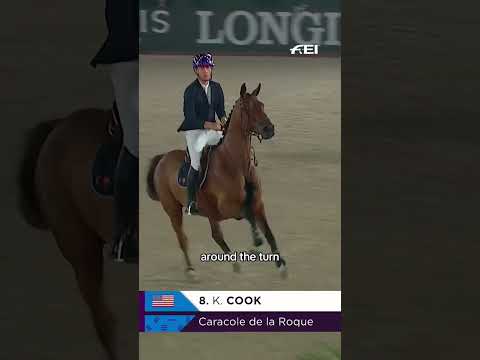
  • let them COOK Karl Cook and the incredible Caracole de la Roque at Santa Anita Park last year
    let them COOK Karl Cook and the incredible Caracole de la Roque with an incredible round at @santaanitapark ...
    0 Comments 0 Shares 98 Views
  • Episode 1: Masterful Design with Uliano Vezzani, Course Designer
    A symphony of creativity and precision, where every obstacle reflects imagination, balance, and courage - artistry built with intent ...
    0 Comments 0 Shares 85 Views
  • Sports Highlights- GCL Super Cup Semi Final - GC Prague Playoffs
    0 Comments 0 Shares 108 Views
  • Winning Round -- Ben Maher & Enjeu de Grisien - GC Prague Playoffs
    Ben and Enjeu de Grisien secured top spot in Friday's CSI5* 1.50m class.
    0 Comments 0 Shares 108 Views
  • WWW.JUSTHORSERIDERS.CO.UK
    Comprehensive Guide to Managing Your Horse's Weight: Nutrition, Exercise, and Monitoring Tips
    Key Points Details Key Objective Manage horse's weight through balanced nutrition, gradual exercise, and careful monitoring under veterinary guidance. Healthy Weight Importance Prevents insulin resistance, laminitis, arthritis, metabolic disorders, and maintains optimal horse performance and lifespan. Regular Assessment Use weight tapes, scales, or BCS monthly, consult veterinarian for accurate interpretation. Balanced Diet 1. Limit calories gradually (10% over 7-10 days)2. Focus on fiber-rich forages over grains3. Use ration balancers to meet nutritional needs4. Feed 2% of body weight in forage, adjust as needed Exercise Program 1. Start gradually with low-intensity exercise2. Incorporate variety and in-hand exercises3. Aim for 20-30 mins, 5 days/week, increase as fitness improves Pasture Management 1. Strip grazing to control intake2. Use track systems to regulate grazing and promote exercise3. Separate feeding to avoid overeating Professional Team Engage with veterinarians and nutritionists for ongoing tailored advice to prevent metabolic issues. How to Effectively Manage Your Horse's Weight Without Compromising Its Health: Tips and Strategies for Horse OwnersManaging your horses weight effectively requires a strategic balance of proper nutrition, gradual exercise, and careful monitoring to ensure that your equine companion remains both healthy and comfortable. Abrupt weight changes can be harmful, so implementing any adjustments under veterinary guidance is crucial for success over time.Understanding the Importance of Healthy Weight ManagementThe necessity of maintaining an ideal body condition in horses cannot be overstated. This is key in preventing health concerns such as insulin resistance, laminitis, arthritis, and metabolic disorders. Obesity is just as detrimental as underweight conditions, leading to decreased lifespan and performance. The esteemed Henneke Body Condition Scoring (BCS) system, which ranges from 1 (emaciated) to 9 (extremely obese), assesses and tracks weight, with a score of around 5 considered optimal for most horses.1. Assess and Monitor Your Horses Weight RegularlyBegin any weight management plan by accurately determining your horses current BCS and weight. Monthly assessments using weight tapes, scales, or body condition scoring help track progress while keeping records reveals any plateaus or changes [Source]. Since different breeds have natural variations in fat distribution, consult your veterinarian to correctly interpret scores for your horse.2. Implement a Nutritionally Balanced DietLimit Calories GraduallyReduce your horses total caloric intake slowly, ideally by no more than 10% over 7 to 10 days, to avoid metabolic disruptions [Source]. Gradual changes are key.Focus on Roughage, Not GrainSwitch out high-calorie grains and concentrates with fiber-rich forages, such as mature grass hay or oat hay, which are lower in calories but maintain satiety and gut health. Limiting treats and pasture time may be necessary to maintain steady weight management [Source].Use Ration BalancersWhen reducing grains or concentrates, supplement with a ration balancer or vitamin/mineral additions to meet nutritional requirements minus the extra calories.Feed According to Body WeightStart by feeding approximately 2% of your horses body weight in forage, gradually reducing to about 1.5% as advised by your equine nutritionist.3. Design a Tailored Exercise ProgramExercise is a vital component of weight management, helping to burn calories while improving metabolic health. However, several considerations need attention:Start GraduallyEspecially for overweight horses, begin with low-intensity work, such as walking or lunging, to reduce the risk of joint stress or injury [Source].Incorporate VarietyUse activities like stretching and walking over poles to engage muscles safely, while improving flexibility and coordination.Build Up Exercise Time and IntensityAim for 20-30 minutes of varied gait work 5 days per week, increasing both intensity and duration as your horses fitness improves.Include In-Hand ExercisesIf riding isnt possible, activities like brisk walking that raise the heart rate or horse agility help maintain motivation and improve overall fitness [Source].4. Use Pasture Management StrategiesPasture is both a source of nutrition and potential excess calories. Strategies include:Strip GrazingControl the grazing quantity by allowing access to small sections.Track SystemsCreating a walking track that limits access to lush pasture can encourage exercise while managing grazing time [Source].Separate FeedingFeed restricted ration hay away from other horses to prevent overeating or feed stealing [Source].5. Work Closely with a Professional TeamAn equine veterinarian and nutritionist can offer tailored advice, ensuring that your horses diet and exercise plan aligns with its health needs. This teamwork approach is vital to preventing metabolic issues and adapting plans as needed [Source].Key Facts and Figures Feeding rates: Start at 2% of body weight in forage, reducing to about 1.5% if weight loss is required. Recommend shedding no more than 1-2% of body weight weekly to avoid metabolic stress. Exercise recommendation: Aim for 20-30 minutes per session, 5 days per week. Body Condition Scoring: 1 (emaciated) to 9 (obese) scale, with a target around 5.In conclusion, by employing gradual dietary adjustments, consistent exercise, and professional guidance, horse owners can manage their horses weight effectively without compromising health. Continuous monitoring and patience are essential in maintaining an ideal weight and enhancing the quality of life for your equine partners.Explore More: Looking for the best Jodhpur Collection? Discover a range of Horse Riding Boots, Horse Riding Gloves, and Horse Riding Socks to complement your equestrian wardrobe. Don't miss our Horse Treats And Gifts for some delightful surprises for you and your horse.```html```
    0 Comments 0 Shares 103 Views
  • PROMO Ep 1: Masterful Design with Uliano Vezzani, Course Designer
    Catch up on all LGCT events and access exclusive content on GCTV - https://gctv.gcglobalchampions.com Keep up to date with ...
    0 Comments 0 Shares 108 Views